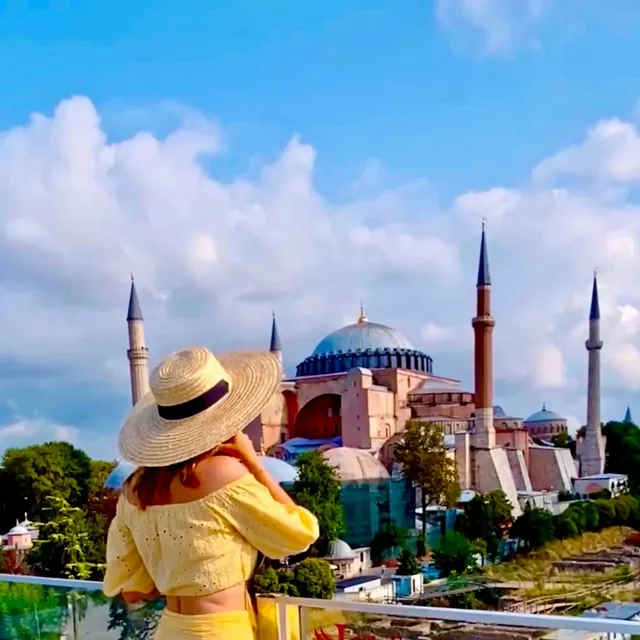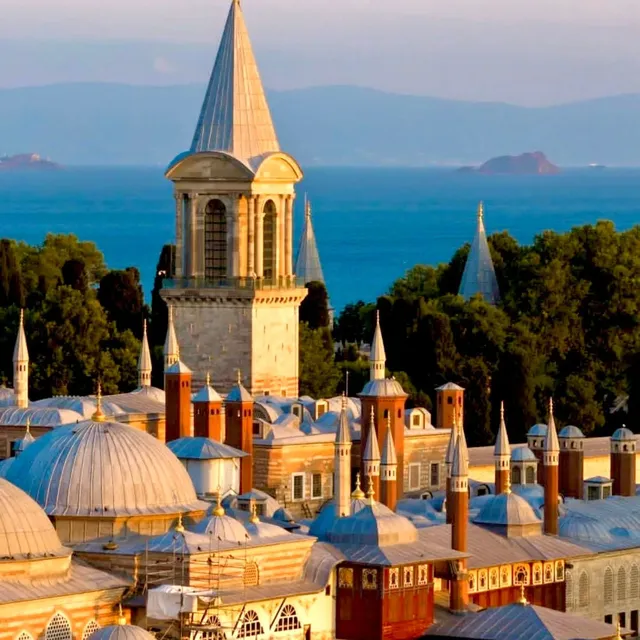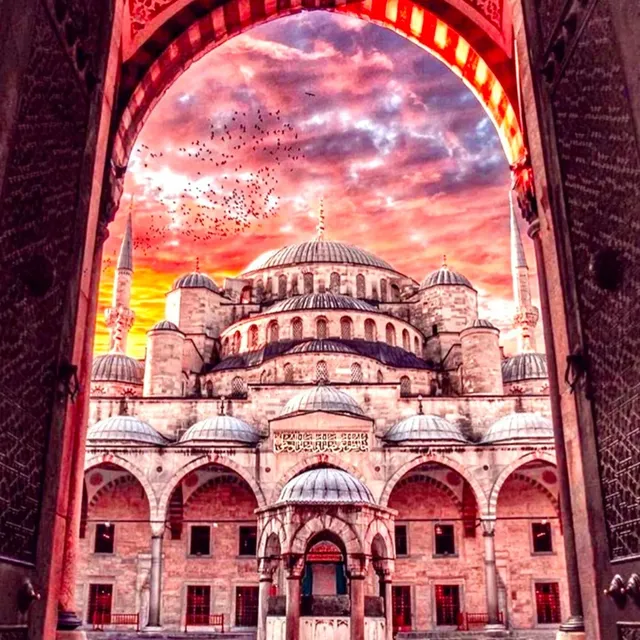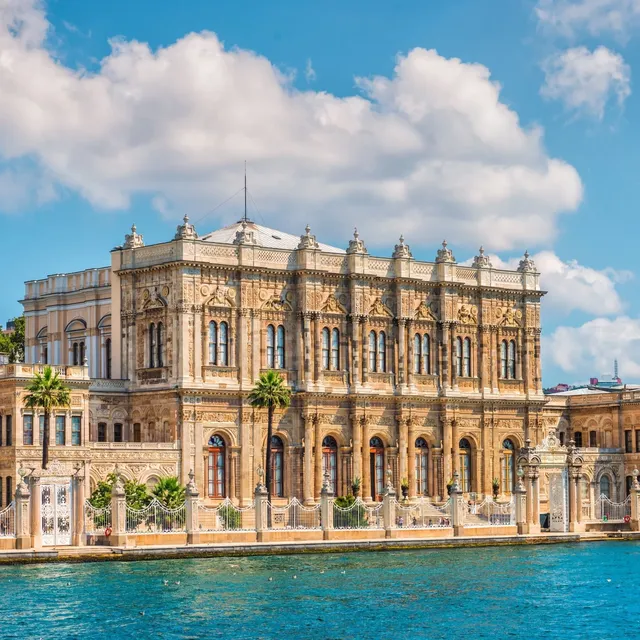
The city is home to numerous multinational corporations, foreign banks, and international brands, making it a thriving center for business activity. Its districts have distinct characters, but many also function as business hubs with offices, retail activity, and financial services. Whether the focus is finance, technology, retail, or trade, Istanbul continues to offer strong ground for business growth and innovation.
Istanbul is also a dynamic and fast-growing metropolis. Officially, its population was recorded as 17 million at the beginning of 2024. Recent estimates suggest that the city has surpassed 21 million inhabitants, making it larger than 177 nations worldwide. This growth is relatively recent in historical terms, with rapid expansion beginning in the 1950s alongside Turkey’s industrialization and large-scale migration from rural areas in search of economic opportunity.
Economic Development in Istanbul
Istanbul’s economic potential is enormous. It accounts for 38% of Turkey’s entire industrial production and 40% of the taxes collected in the nation. Furthermore, Istanbul accounts for around 57% of national exports and 60% of national imports. The city also hosts 30% of Turkey’s total commercial enterprises, making the Istanbul Chamber of Commerce (ITO) and Istanbul Chamber of Industry (ISO) among the world’s largest trade chambers.
As a result, Istanbul draws a large number of multinational corporations, foreign banks, offices, stores, and global brand names. Across the city, there are many business centers with office towers and bank branches. Istanbul also has three main ports, four free trade zones, and two international airports. Its role in international commerce continues to expand thanks in part to its strategic location as a natural bridge between East and West.
This economic energy is also visible in the city’s historic trading areas. Districts around the Grand Bazaar and the Spice Bazaar reflect how commerce has long been embedded in Istanbul’s urban life, linking its past as a trading city with its present role in regional and global markets.
Turkey's Economic Capital: Istanbul
The 2018 Turkish cash and obligation situation struck Istanbul severely. As of August 2018, about 33% of office space in Turkey’s economic metropolis of Istanbul was vacant, and office leasing prices across all segments had dropped significantly.
Even after Ankara became the country’s political capital in 1923, Istanbul remained Turkey’s monetary capital. During the 1980s, the city’s explicit commercial sectors further strengthened their position. The Istanbul Stock Exchange (ISE), established at the beginning of 1986, became Turkey’s sole protection market, designed to provide exchanging values, right coupons, Government securities, Treasury bills, income-sharing endorsements, securities issued by the Privatization Administration, and corporate securities.
In 1993, the ISE decided on gold market advancement, and in 1995, the Istanbul Gold Exchange was established. This development completed the Turkish Central Bank’s gold bullion imports limiting infrastructure and shifted it to the secret area people from the gold trade.
Borsa Istanbul: A Hub of Turkish Finance
Borsa Istanbul (BIST), Turkey’s primary stock exchange, is a dynamic platform that brings together stocks, bonds, derivatives, and commodities under one roof. Established in 2013, it emerged from the merger of the Istanbul Stock Exchange, the Istanbul Gold Exchange, and the Derivatives Exchange of Turkey. This consolidation aimed to create a more efficient and competitive financial market.
As one of the leading emerging market exchanges, Borsa Istanbul plays a vital role in Turkey’s economic growth and development. It offers a wide range of investment opportunities and attracts both domestic and international investors. The exchange’s diverse product offerings and trading infrastructure have contributed to its increasing prominence on the global financial stage.
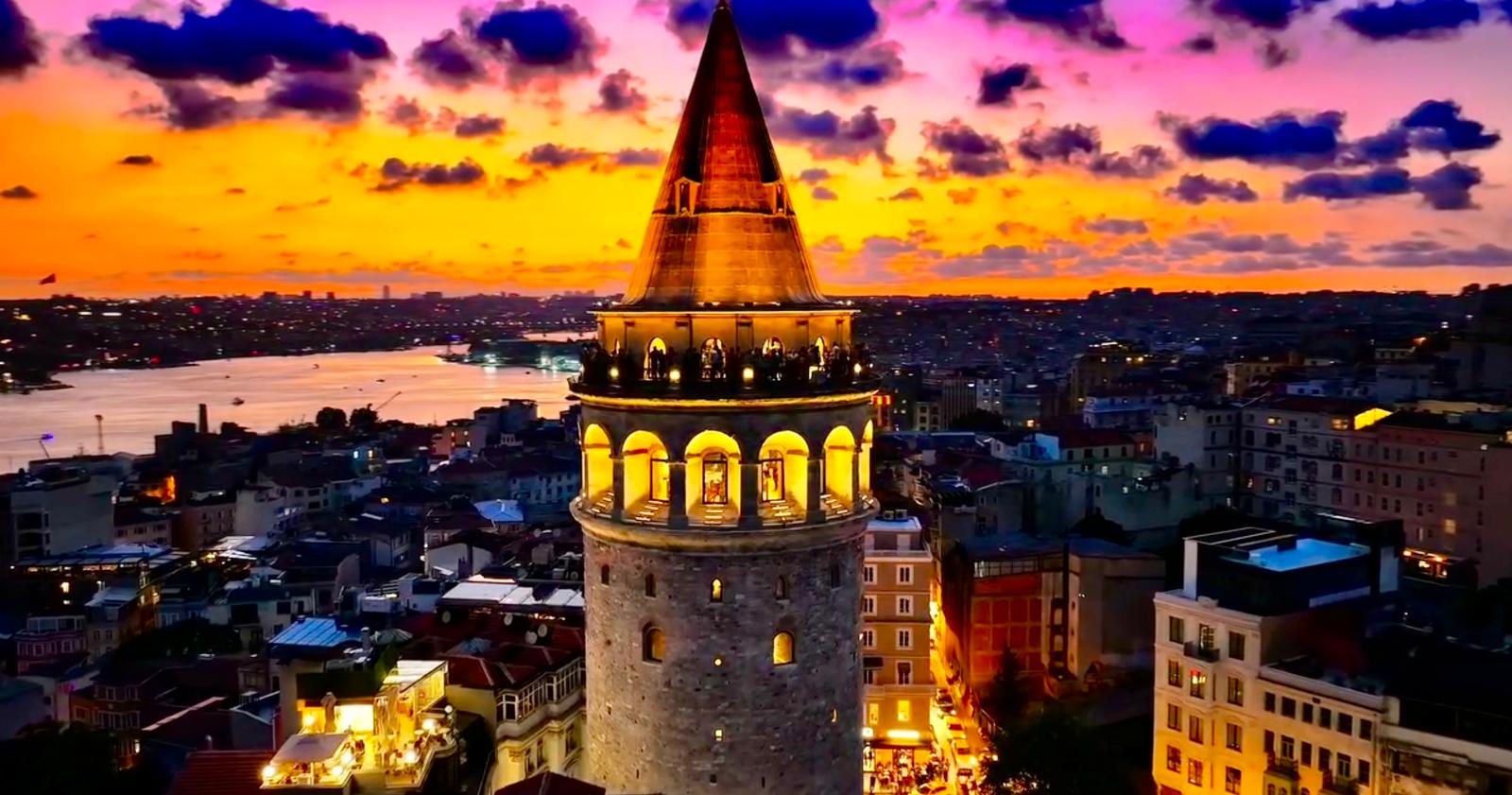
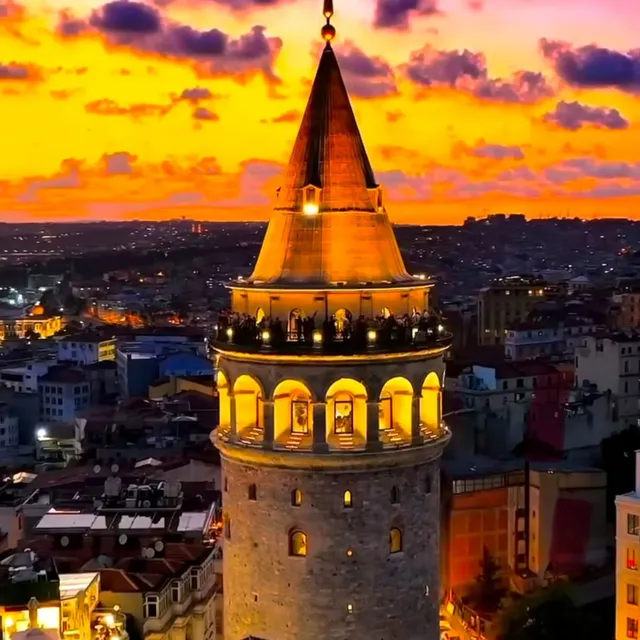
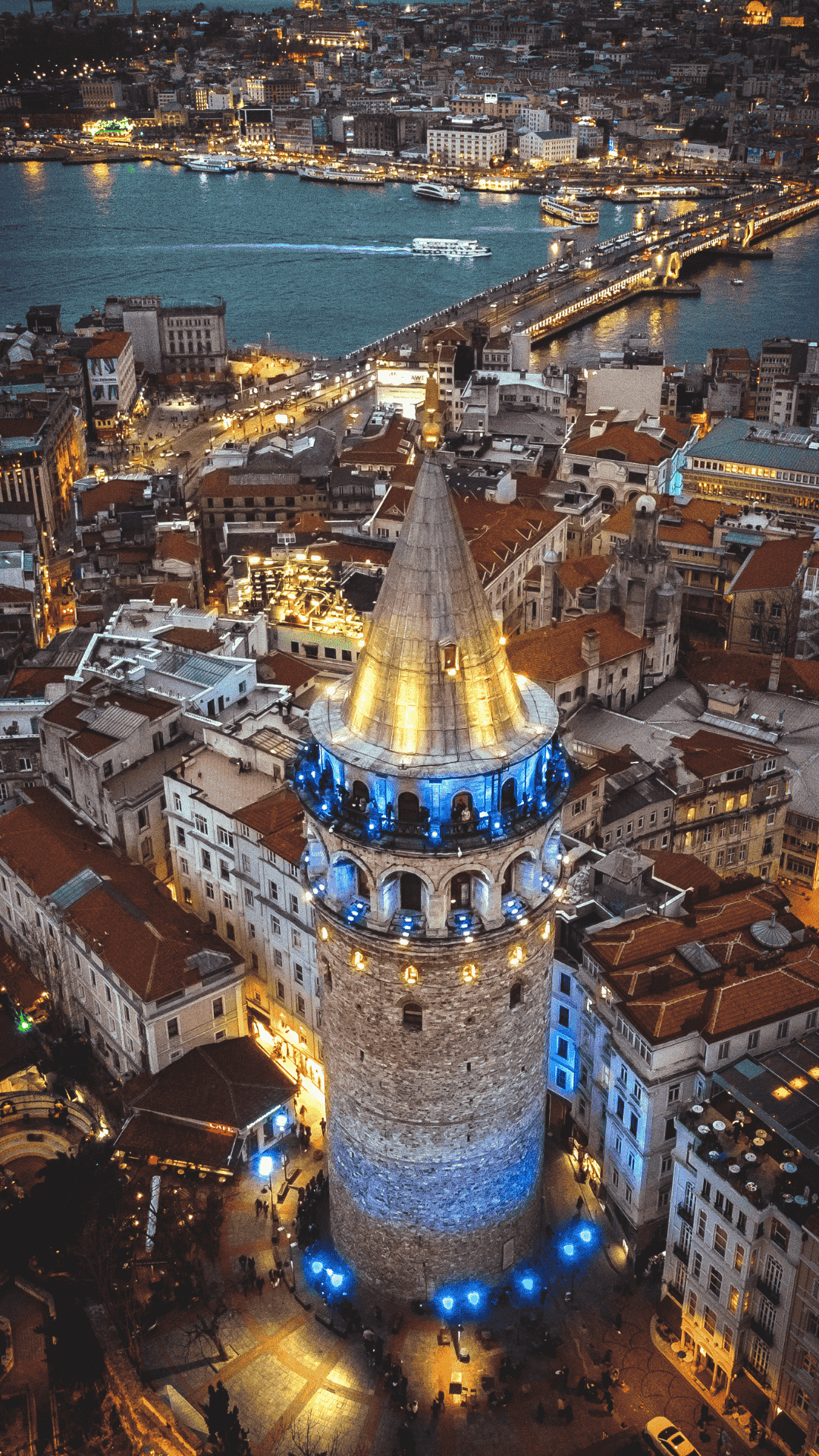
For readers looking for broader background on the city itself, Istanbul’s strategic geography also helps explain why it developed into both a financial and cultural center. Landmarks such as the Galata Tower overlook districts that have long connected trade, maritime activity, and urban growth.
For additional historical and general context on the city’s economy and development, see Britannica’s overview of Istanbul and related public information from official Turkish institutions on gov.tr.
Why Istanbul Matters to Turkey’s Economy
Istanbul stands apart because it combines scale, infrastructure, trade capacity, and financial depth in one urban region. Its industrial output, tax contribution, import and export share, business concentration, ports, free trade zones, and airports make it central to the country’s economy. At the same time, its continuing population growth keeps reshaping labor, housing, transportation, and commercial demand.
In practical terms, Istanbul is both a marketplace and a gateway. It is a city where historical trade routes meet modern finance, where traditional bazaars coexist with major corporations, and where local and international business networks intersect every day.
FAQ about the economy in Istanbul
Why is Istanbul considered Turkey’s economic capital?
Istanbul is considered Turkey’s economic capital because it generates a major share of the country’s industrial production, taxes, exports, imports, and commercial activity. Even though Ankara is the political capital, Istanbul remains the country’s main center for trade, finance, and large-scale business operations.
What sectors are important in Istanbul’s economy?
Industry, trade, finance, retail, and international business all play major roles in Istanbul’s economy. The city is also important for logistics thanks to its ports, free trade zones, and airports, which support both domestic commerce and cross-border trade.
What is Borsa Istanbul?
Borsa Istanbul is Turkey’s main stock exchange. Established in 2013 through the merger of several earlier exchanges, it brings together stocks, bonds, derivatives, and commodities in one market and plays an important role in the country’s financial system.
How has population growth affected Istanbul’s economy?
Population growth has expanded Istanbul’s labor force, consumer market, and urban footprint. Since the 1950s, migration linked to industrialization has helped fuel the city’s economic development, while also increasing demand for housing, infrastructure, transport, and services.