On the other hand, the name Istanbul was not given to the state by the Ottomans, as is commonly believed. It is older. It appears as a human name in a piece of literature called Fütuh'üş-Şam in the 9th century. Istanbul, the son of Greek Meliki Timaoş, worked for the state’s construction during his four-year reign. But Constantine, who replaced the state, completed and named it. It is mentioned as Istinbolin in the 10th-century book Tenbih (Mesudi). In addition, Istanbul has carried many names over the centuries, including Byzantion, Constantinople, Konstantiniyye, Asitane, Darülhilafe, and Dersaadet.
State of Istanbul Through History
Byzantium, Constantinople, and Istanbul: these three remarkable names symbolize the magnificent history of the city. Few places in the world are this special and exciting to explore. Istanbul has been ruled by 120 kaisers and emperors throughout history and has hosted the three great civilizations mentioned above.
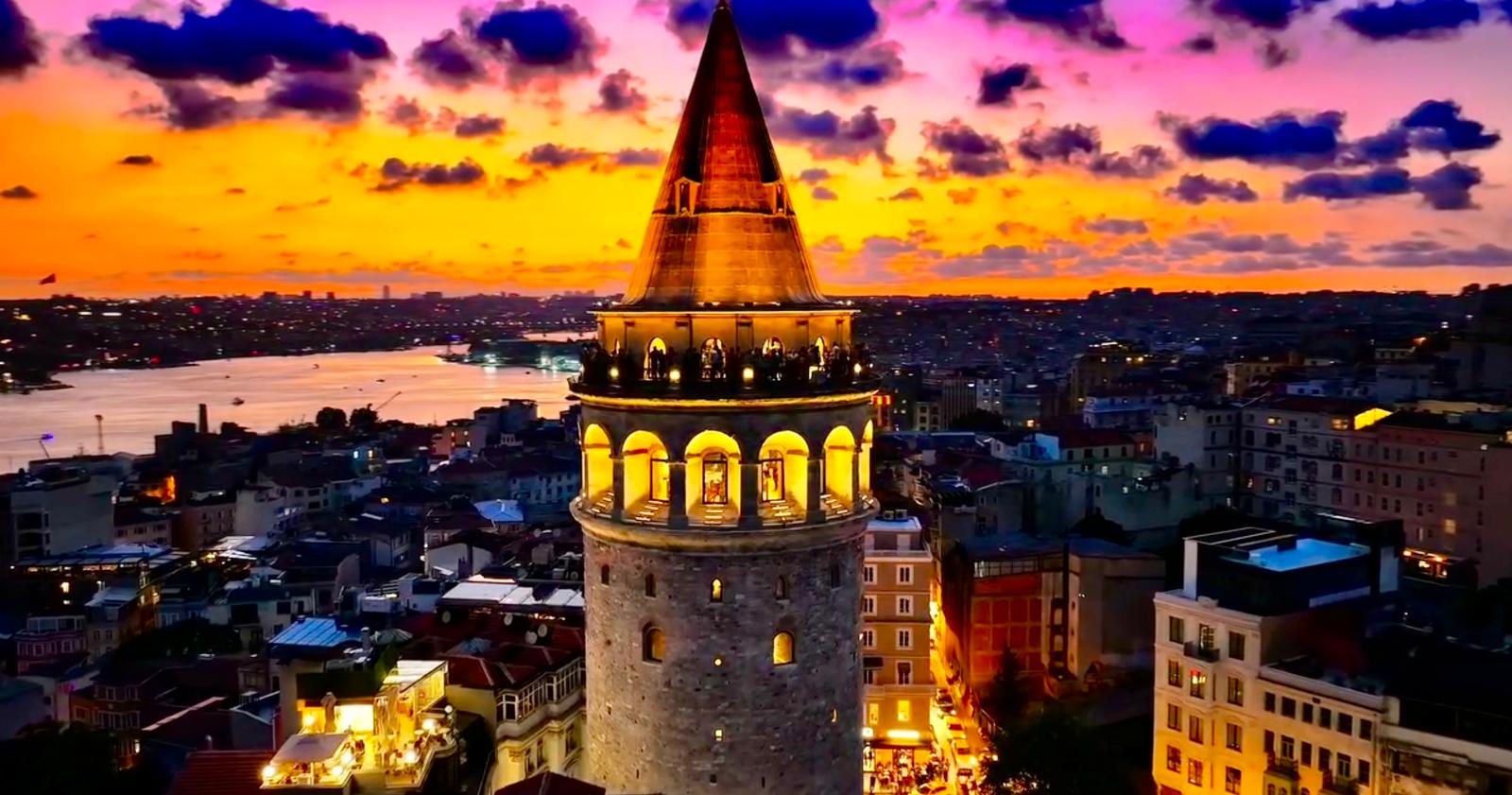
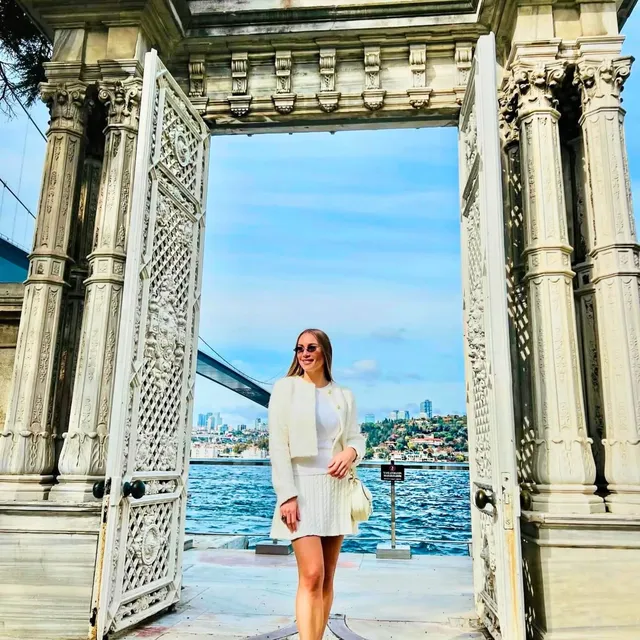
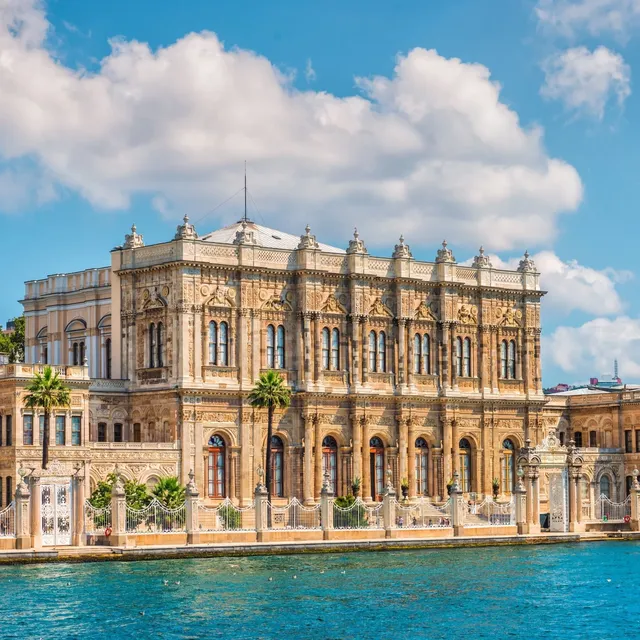
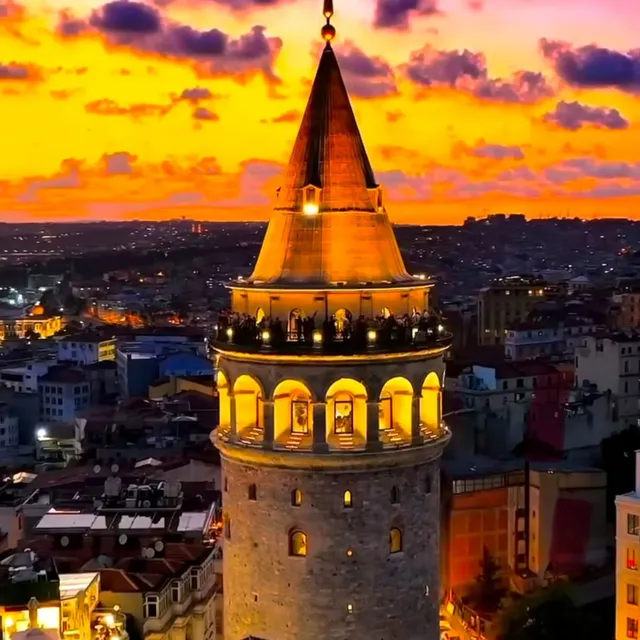
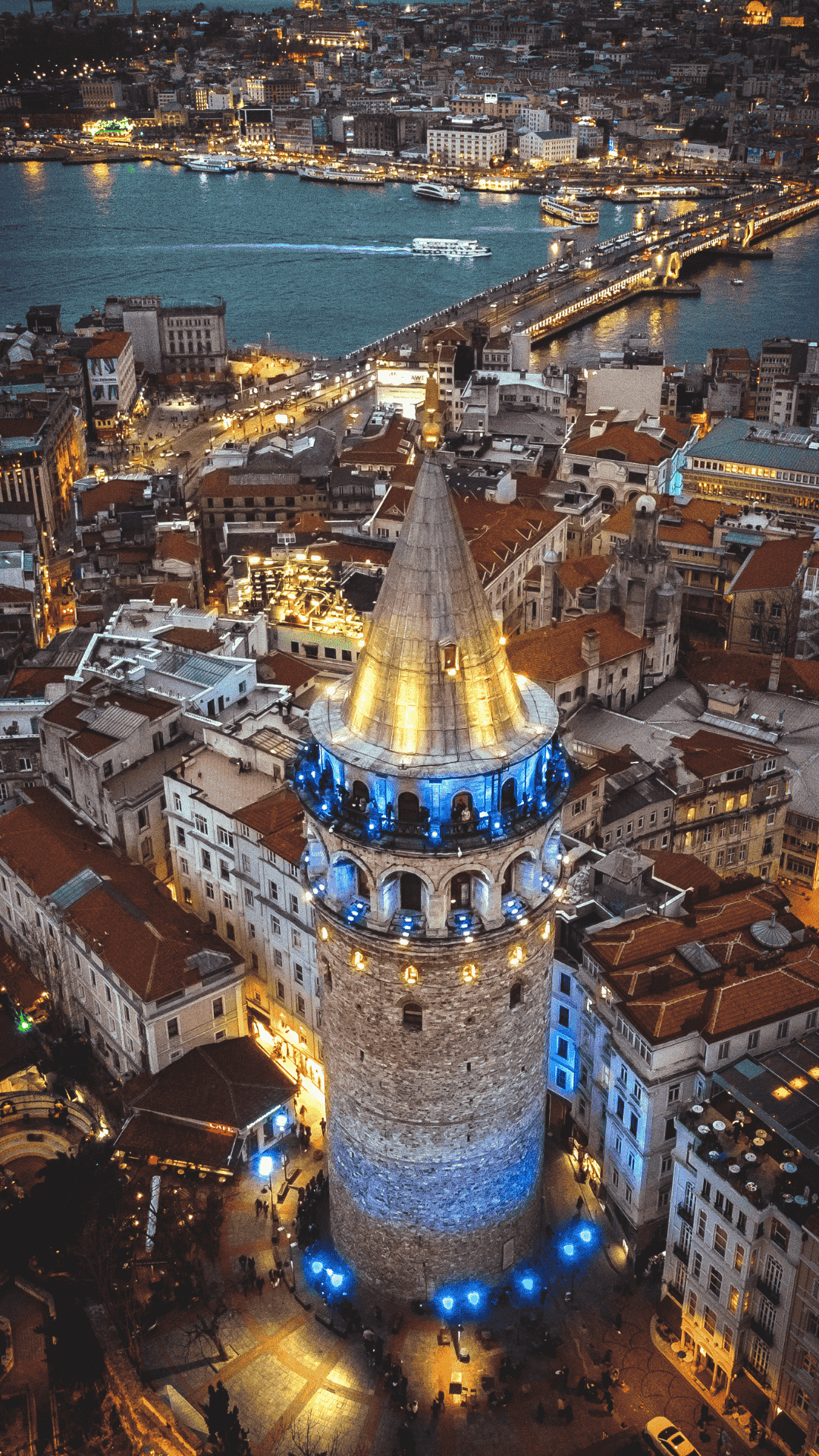
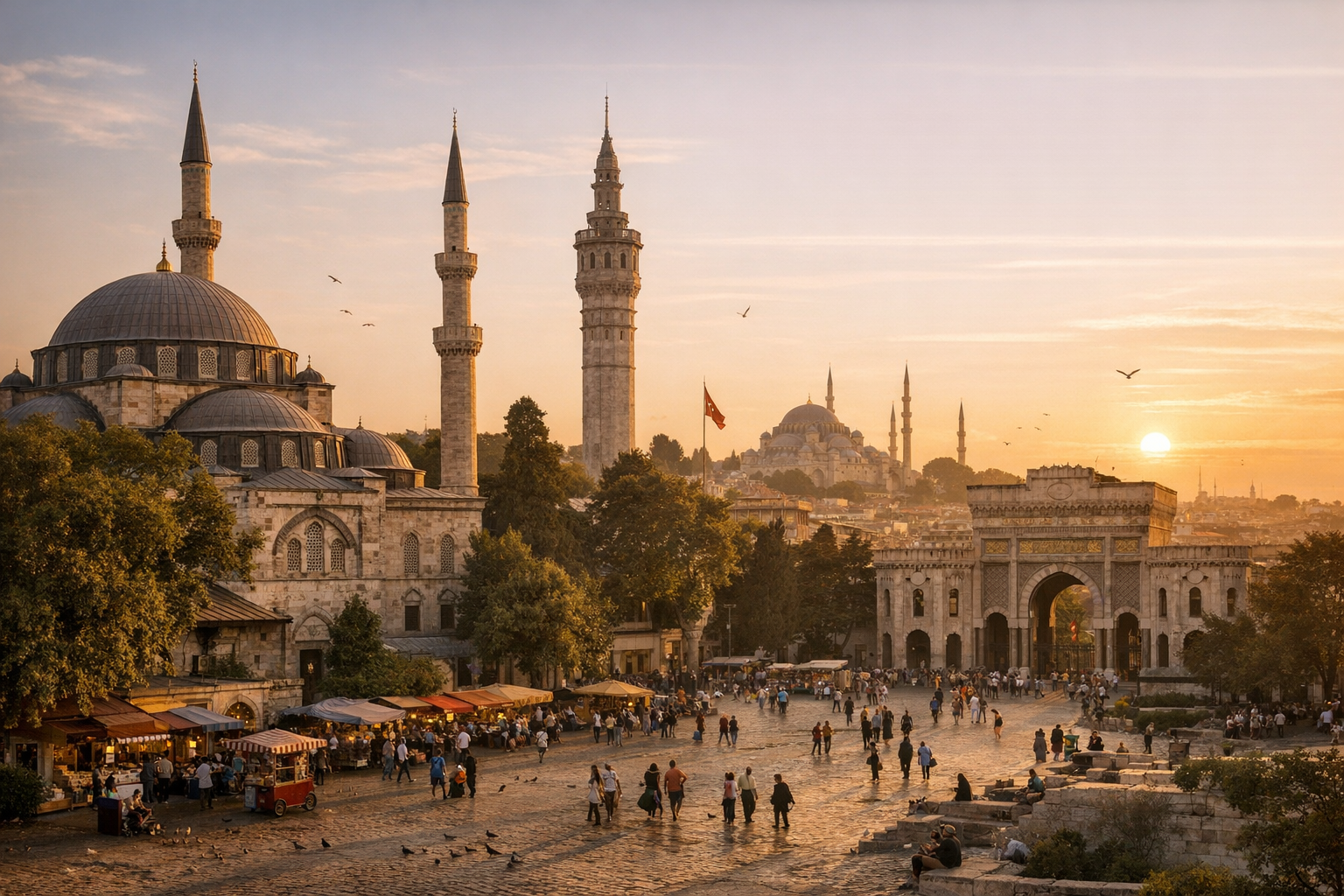
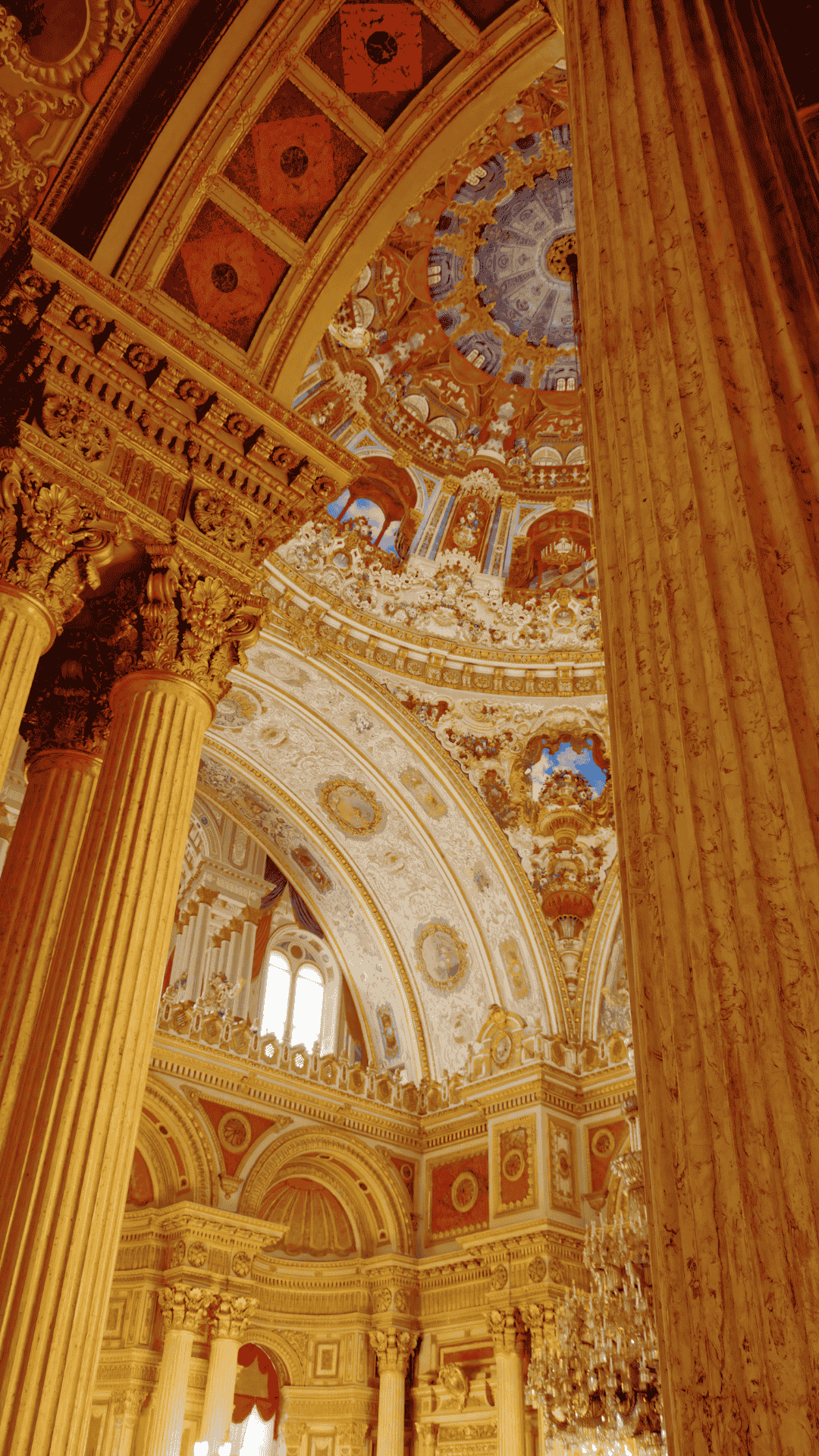
Given its historical depth, it is inevitable to encounter numerous cultural elements throughout the city. Istanbul fascinates visitors with its natural beauty and its geolocation, uniting the Asian and European continents. The Bosphorus-Istanbul Strait leaves a lasting impression. When the natural beauty of the city combines with the historical monuments of the Roman, Byzantine, and Ottoman empires, a magnificent view appears across Istanbul.
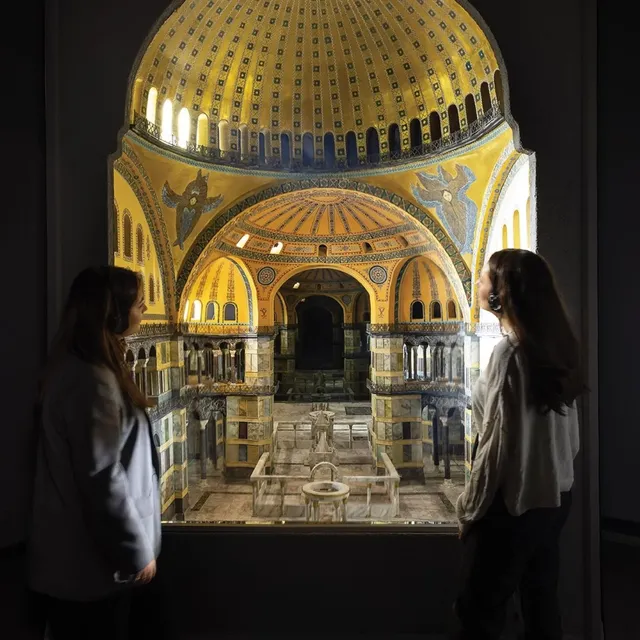
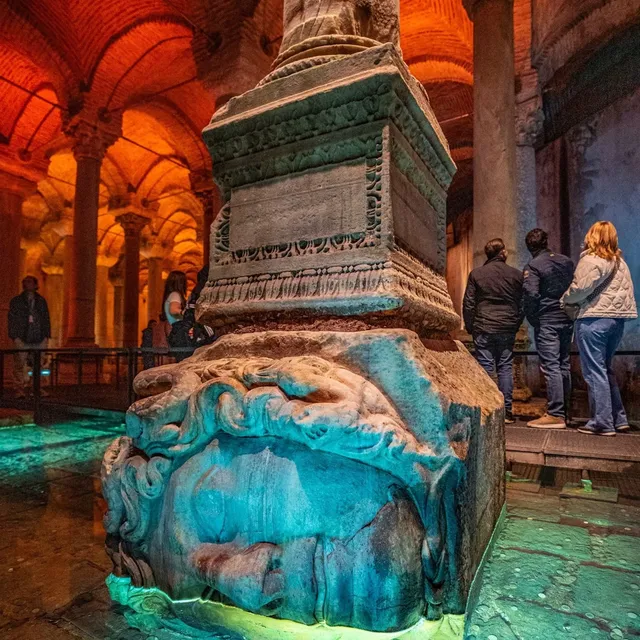
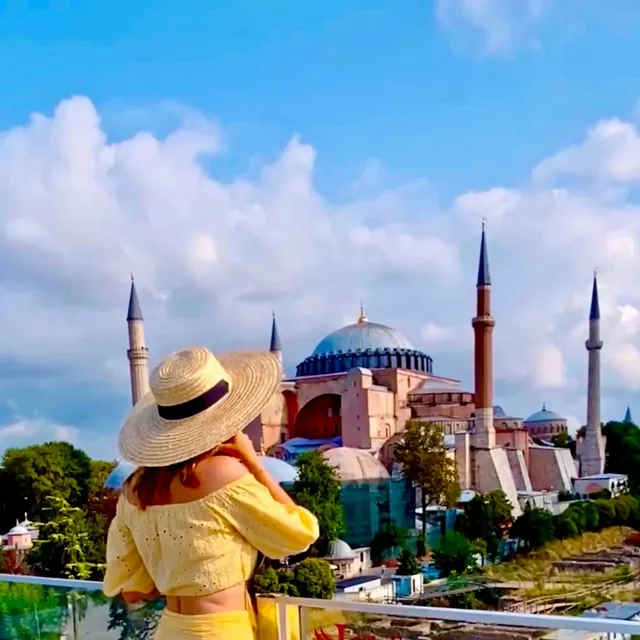
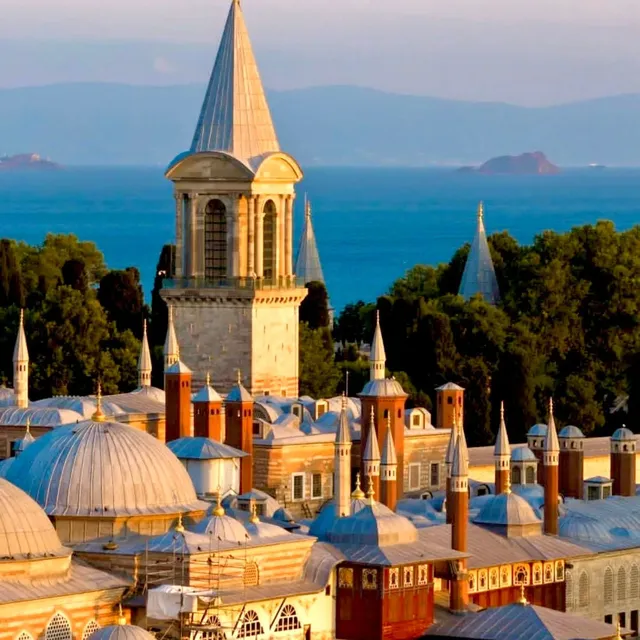
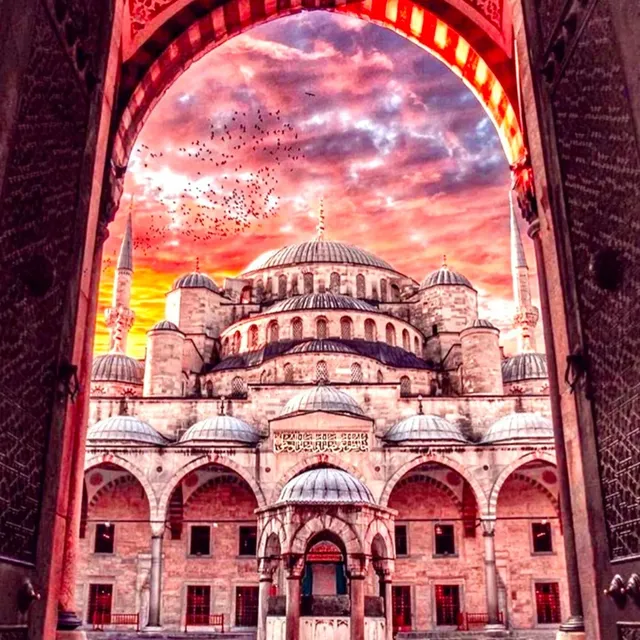
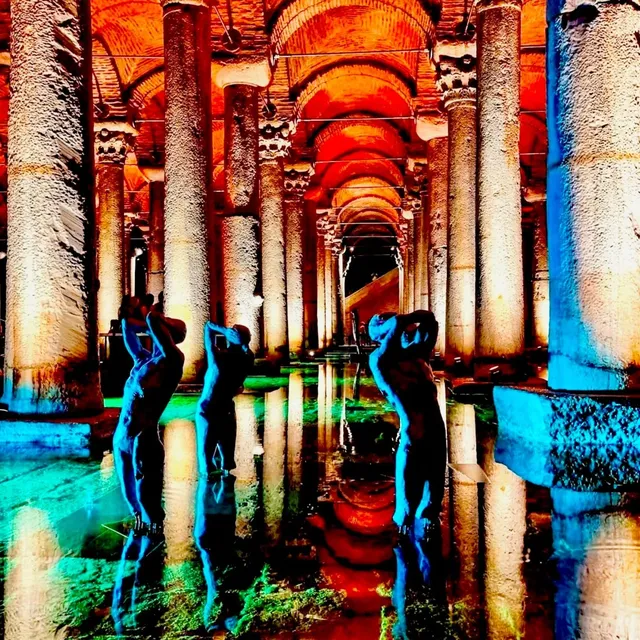
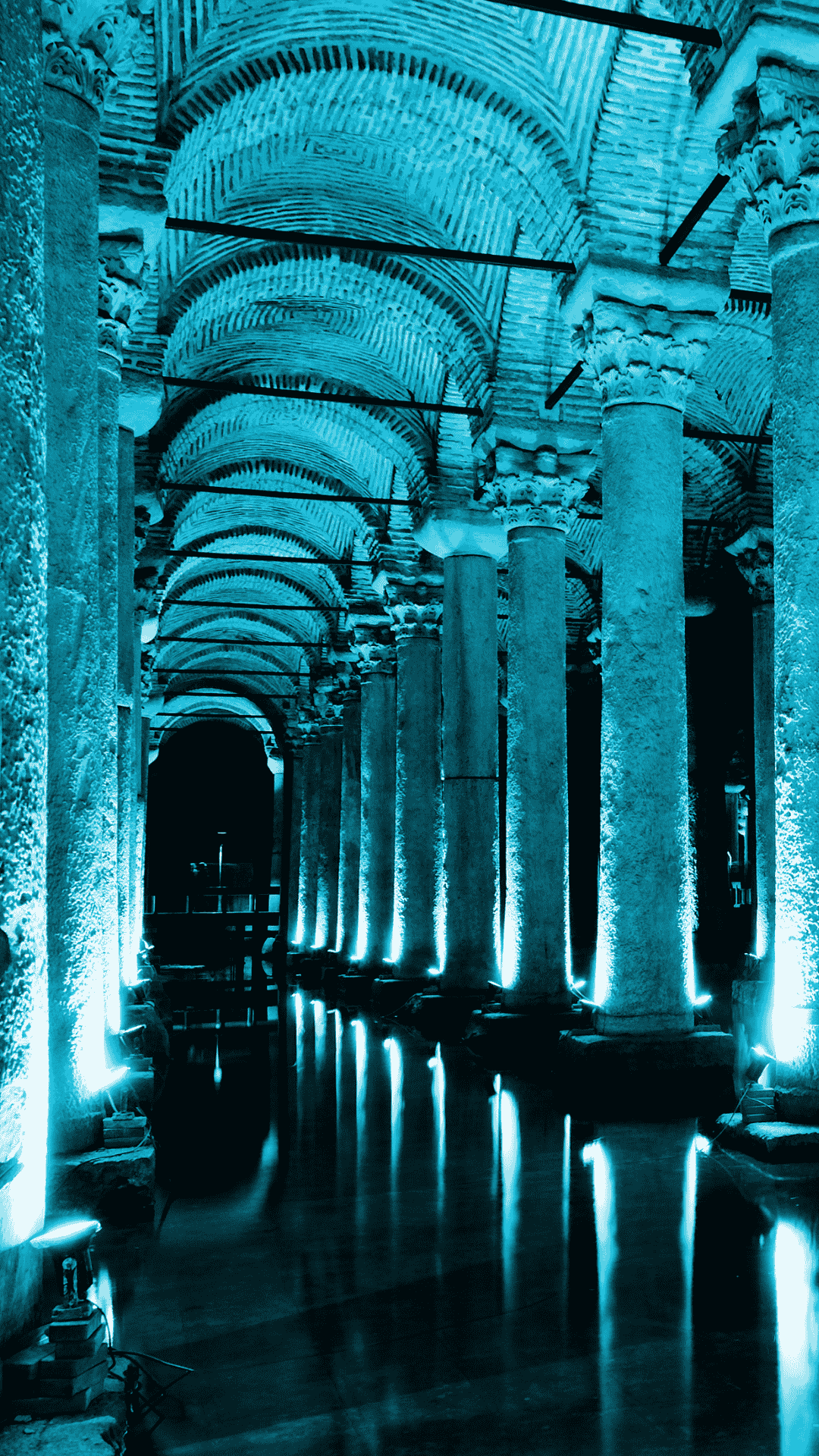
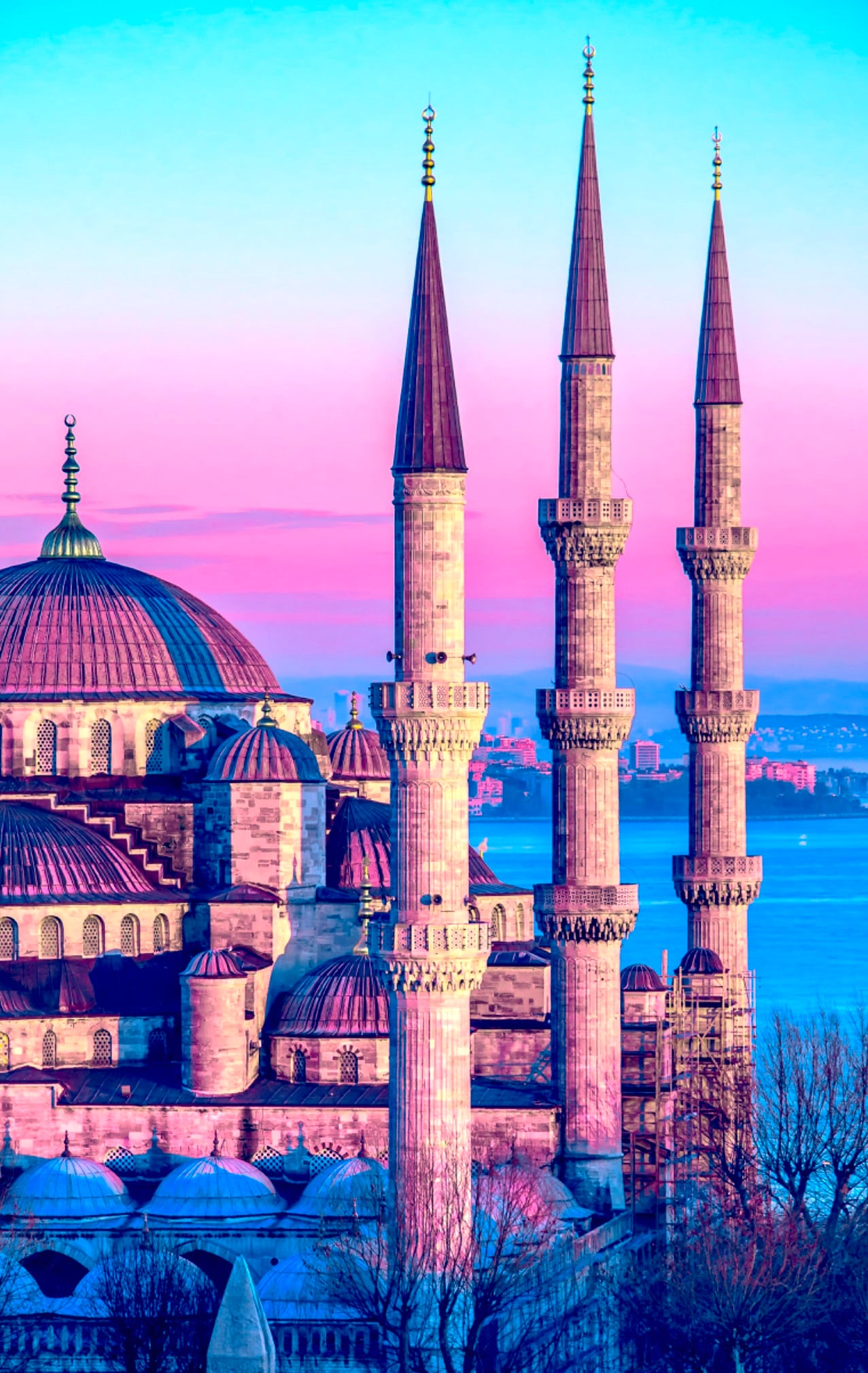
The places to visit are almost unlimited. Among the first highlights are the Historical Peninsula and the Bosphorus. On the peninsula, major landmarks such as Topkapi Palace, Hagia Sophia, the Blue Mosque, the Grand Bazaar, and the Basilica Cistern stand out. A memorable Bosphorus Cruise, starting from Eminönü and the Galata Bridge area and continuing toward Anadolu Kavağı, is also among the must-do experiences for visitors. A tour of Istanbul would hardly feel complete without a traditional sea journey by ferry or boat on the Bosphorus, the waterway separating Europe and Asia.
Istanbul’s nightlife has its own character as well. Taksim, İstiklal Street, and the Tünel line are home to some of the most important venues of Istanbul nights. It is fair to say that art and cultural activities in Istanbul are almost unlimited.
With the Republic, Istanbul’s 2500-year period as a capital ended on October 29, 1923. However, from that date onward, it continued to take decisive and steady steps toward becoming one of the most populated, economically active, and culturally visited cities in the world.
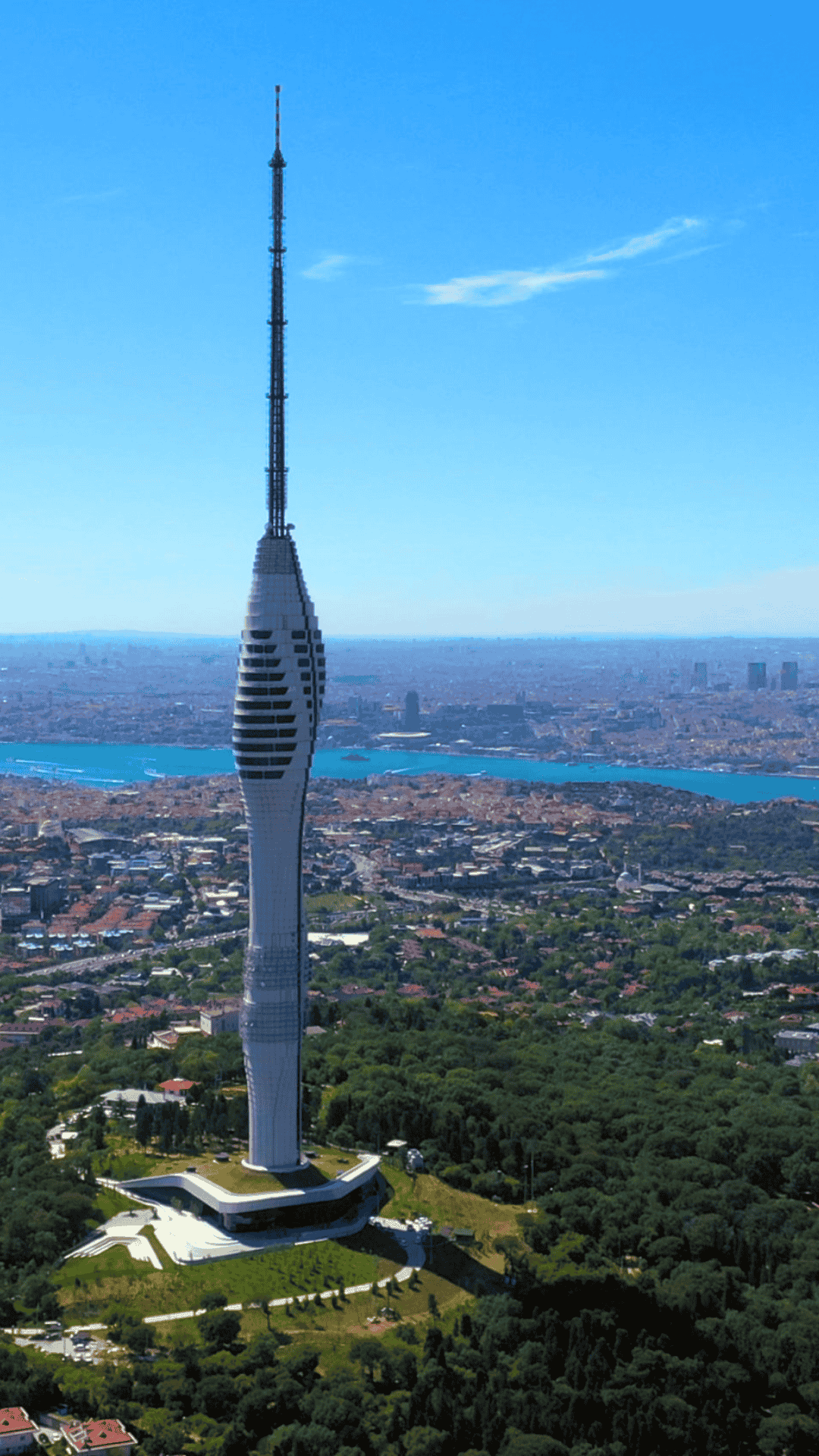
As part of Turkey’s modernization adventure and with its young population, Istanbul has become a state integrated with the world in many areas today. For broader historical context, you can also consult Britannica’s overview of Istanbul and UNESCO’s page on the Historic Areas of Istanbul.
Districts of Istanbul
Turkey’s most visited city is naturally Istanbul, thanks to its vibrant history and variety of places to explore, from historic streets, squares, museums, and parks to picnic areas, surrounding islands, and entertainment venues. It is a state where you can enjoy trams, passages, churches, and lively neighborhoods all in one trip.
- Besiktas: A famous district for visitors, known for its pier and mansions.
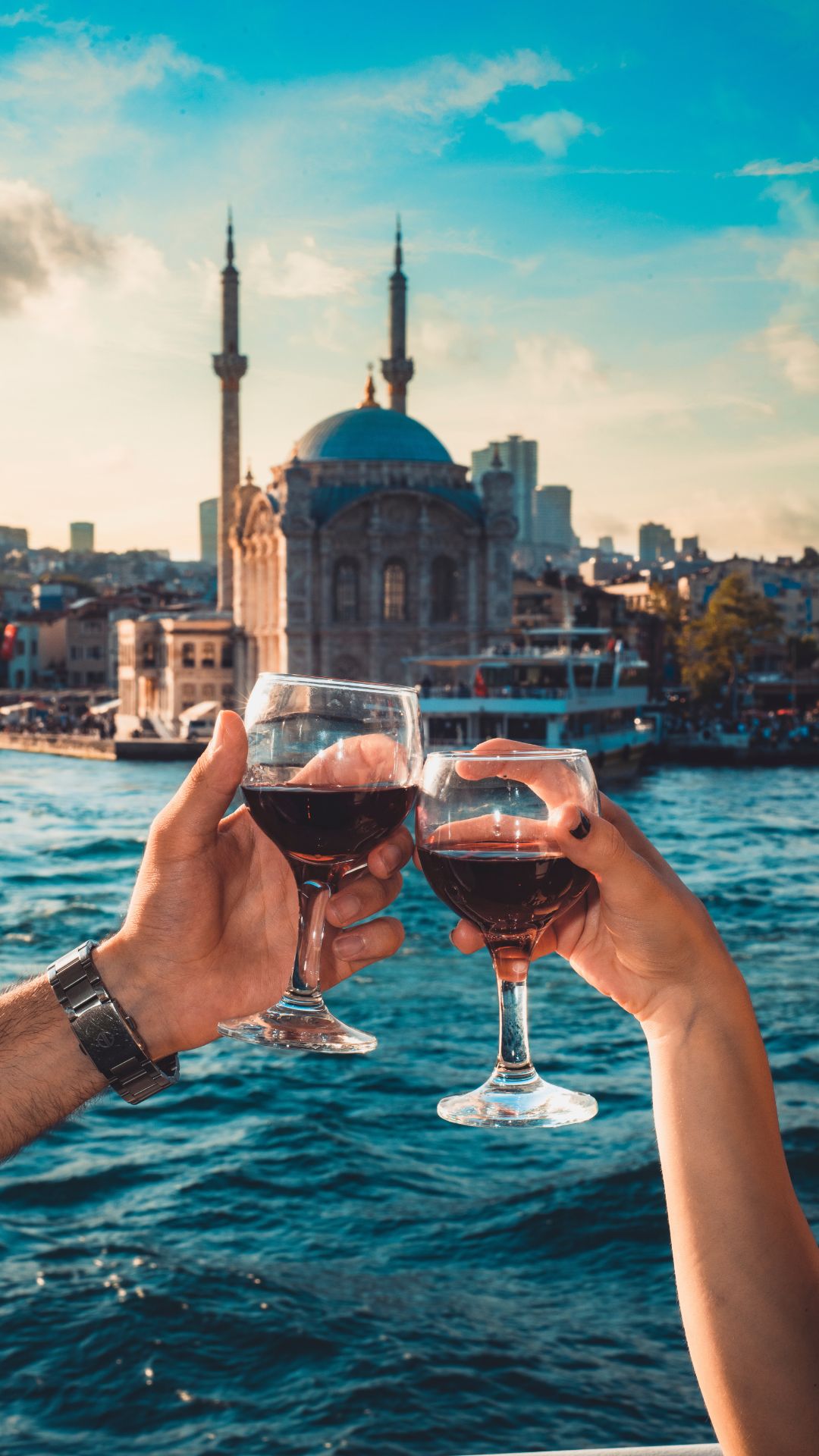
- Ortakoy: A district of many cultures. In the evening, the scenery created by the Bosphorus lights is especially captivating.
- Sultanahmet: A place of cultural richness with its mosque, inns, madrasah, churches, markets, and historical areas.
- Fatih: A district forming the administrative center of Istanbul, with institutions such as the municipality, governor’s office, police department, and tax office.
- Kuzguncuk: One of the districts that best reflects the history of Istanbul, with narrow streets, mosques, and mansions ideal for a memorable walk and photos.
- Balat: A district carrying traces of Ottoman history in its streets. The Stephen Church, Fener Greek Patriarchate, Red School, cafés, and narrow lanes attract attention. You can read more in our guide to Balat.
- Bakirkoy: One of the places where historical sites and modern culture come together today. Yenikapı Mevlevi Lodge and the Medicinal Plants Garden are among the places to visit.
- Kadikoy: A district known for its beaches, air, and boutique bars and cafés.
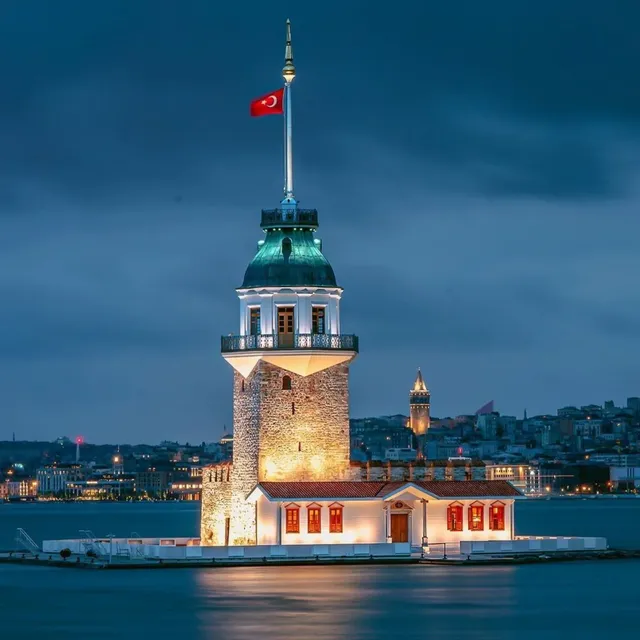
- Uskudar: A transition point to the Anatolian side, with unique places such as Maiden's Tower and Fethi Pasha Grove.
Beyond being the most visited city in Turkey, Istanbul’s history continues to arouse great curiosity and excitement in travelers from around the world.
Transportation in Istanbul
Istanbul is located in an accessible position in terms of transportation. In addition to land routes, it can be reached by sea and air. There are regular bus services to Istanbul from metropolitan cities such as Ankara, Izmir, Bursa, and Antalya. For sea transportation, there are regular ferry services from Bursa, ferry connections from Mudanya Burgaz Pier, and ferry services from Yalova via Topçular Pier. For air travel, you can use Istanbul Airport or Sabiha Gökçen Airport.
Public transportation inside the city is extensive, and visitors can check current lines and updates through official services such as Metro Istanbul. Depending on where you stay, ferries, trams, metro lines, and buses can make moving between the European and Asian sides relatively convenient.
Why Istanbul Still Captivates Visitors
Istanbul remains compelling because it brings together layers of history, daily life, architecture, scenery, and movement in one place. From imperial monuments and waterfront views to neighborhood culture and modern city life, it offers a rare combination that few cities can match. Whether you are interested in historical landmarks, district walks, Bosphorus views, or cultural activities, Istanbul offers an experience that feels both vast and deeply memorable.