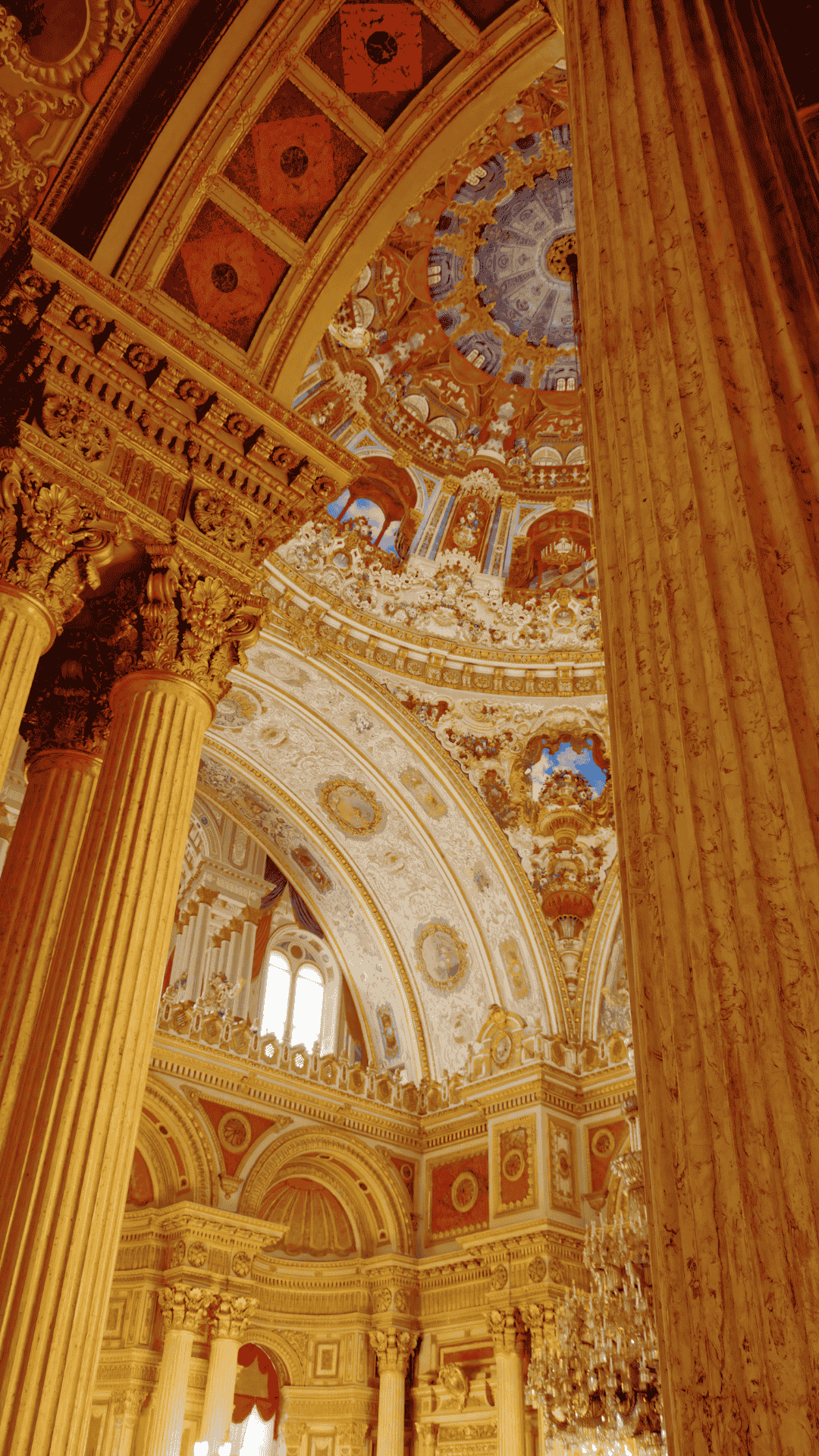
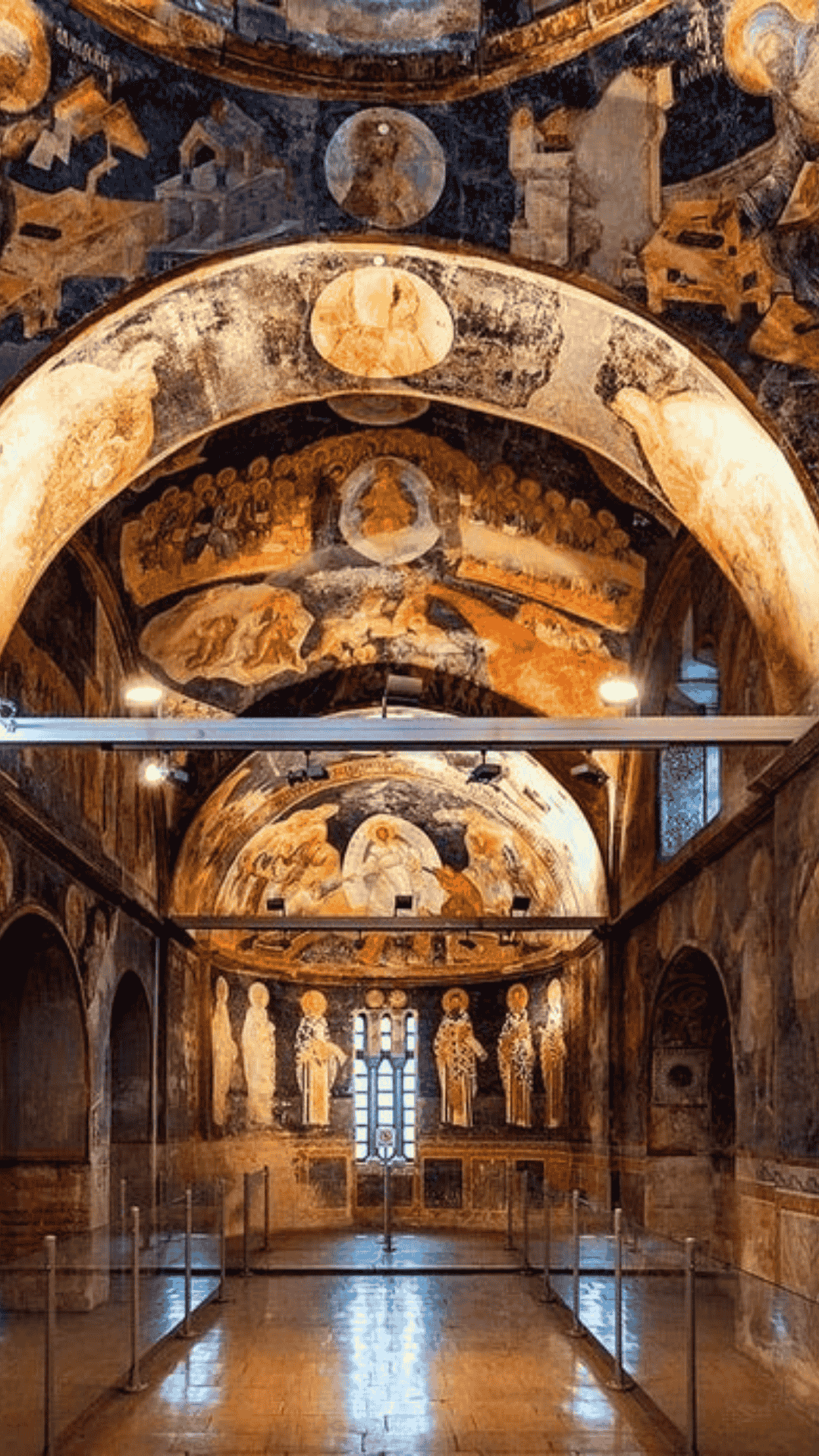
The building seen today is a creation by Giulio Mongeri. Before this church stood here, the church was located in Azapkapı and had been built by monks of the Franciscan order. Over time, destruction, rebuilding, and the changing shape of the city led to the present structure in Beyoğlu.
History of St Antoine Church
A wooden church connected to the Franciscan community was destroyed in a fire in 1699. Later, in 1762, the Catholic Franciscan Church was built on the land of the French Embassy. That building, however, was demolished because it blocked the path of a tram.
St Antoine Church and its premises were then rebuilt in 1912 on the site where the Concordia Theater an Garde had existed. This rebuilding gave the church its current presence in one of Istanbul’s busiest districts.
The church’s layered history reflects more than architecture alone. It also tells a story about how Istanbul evolved over centuries, with transport routes, diplomatic properties, and religious communities all shaping the city center.
Where Is St Antoine Church?
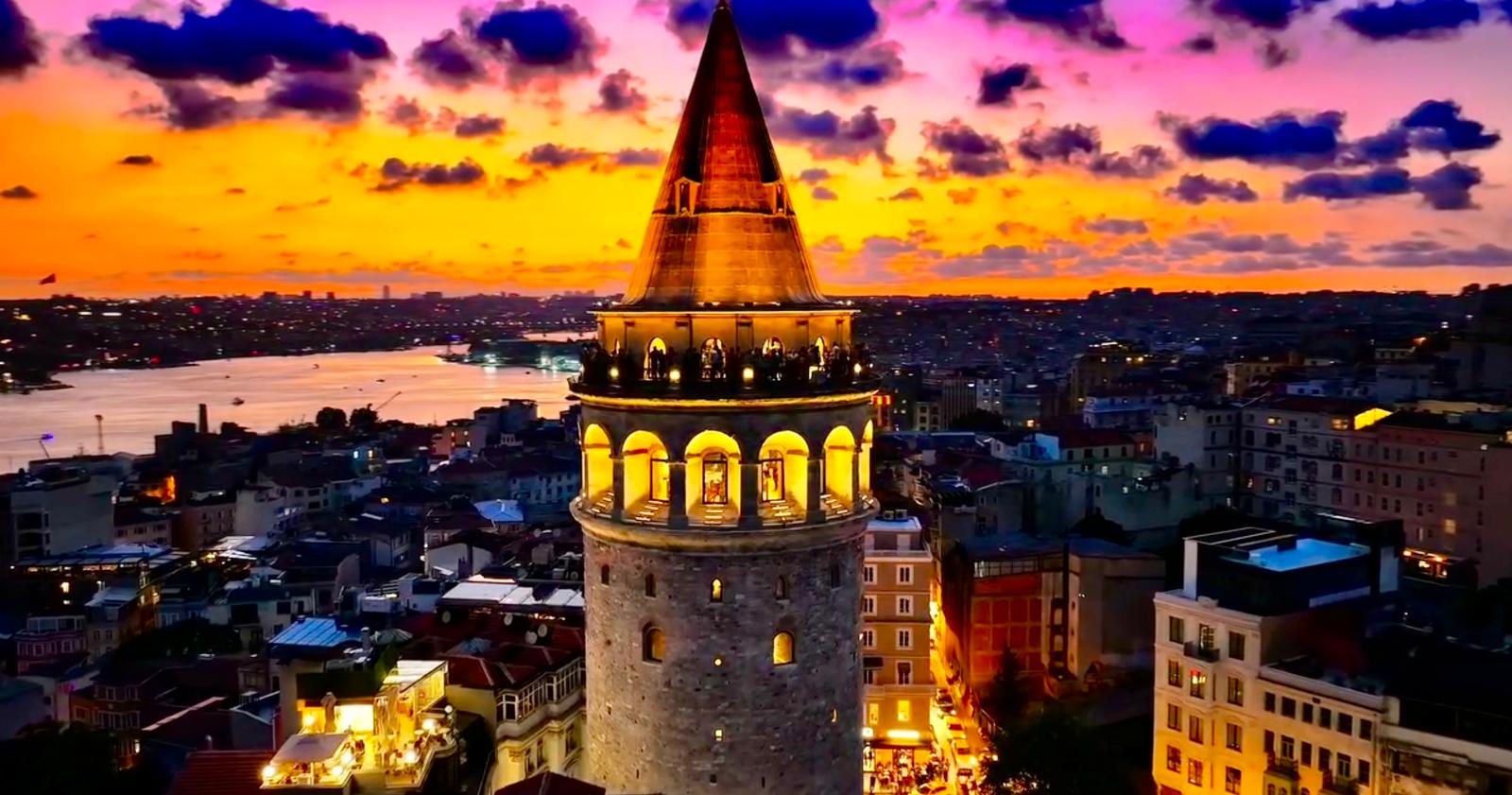
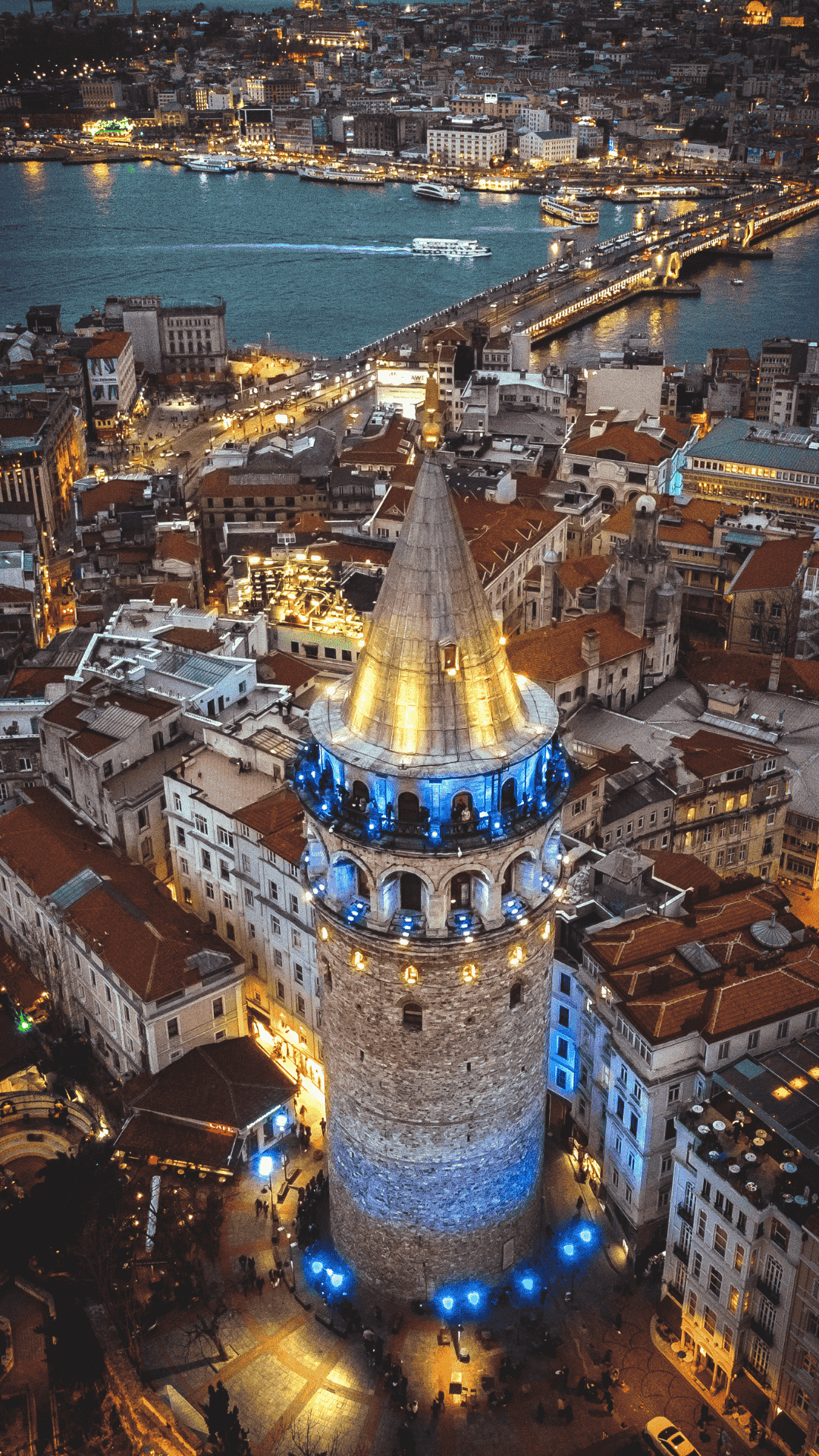
St Antoine Church stands on Istiklal Avenue in Beyoğlu, on the left as you walk toward Tunel from Galatasaray. This location makes it easy to combine with a walk through one of the liveliest parts of Istanbul. The church is close to well-known city sights such as Taksim Square and Galata Tower, so it fits naturally into a Beyoğlu itinerary.
Because of its central setting, many visitors come across the church while exploring shops, historic passages, cafes, and consulates along Istiklal Avenue. Even for travelers who are not planning a church visit specifically, the building often becomes a memorable stop.
Architecture and Atmosphere
The present building, designed by Giulio Mongeri, stands out with its monumental appearance and courtyard entrance opening from the avenue. Set slightly back from the street, the church creates a calm transition from the movement of Beyoğlu into a more reflective space.
One reason the church draws attention is this contrast: outside is one of Istanbul’s busiest pedestrian routes, while inside and within the courtyard the atmosphere is noticeably quieter. That balance makes St Antoine Church appealing both to worshippers and to visitors interested in architecture and urban history.
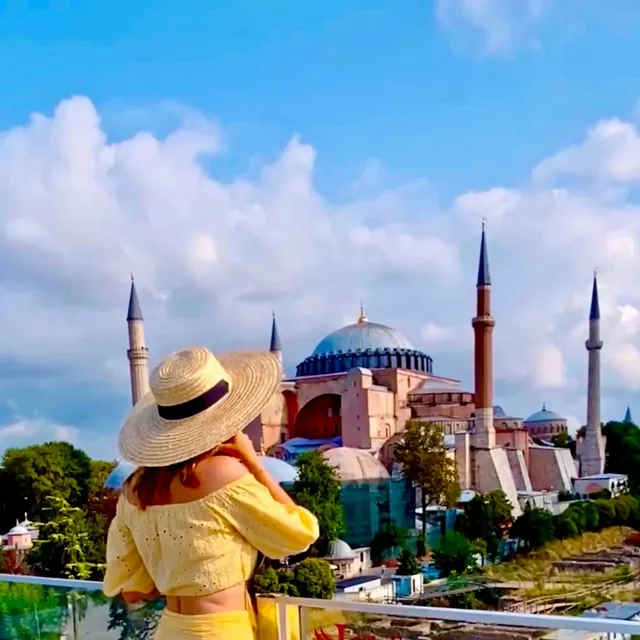
Its continued visibility on such a famous street also helps explain why it is among the most recognized churches in the city. Travelers exploring other historical landmarks such as Hagia Sophia or the Grand Bazaar often add Beyoğlu to their plans, making the church an easy cultural stop beyond the historic peninsula.
Why St Antoine Church Matters
The Catholic Church has the largest Christian community in Istanbul, and St Antoine Church is one of its most prominent centers. According to the original account, believers of every kind of religion visit it frequently. That open, well-known character is part of what gives the church a special place in the city’s cultural life.
In Istanbul, places of worship often carry significance beyond a single community. St Antoine Church reflects the city’s long-standing religious diversity and the way different traditions have coexisted within the same urban landscape. For many visitors, this makes the church meaningful not only as a religious building but also as a symbol of cosmopolitan Istanbul.
Name and Community
Although the name of the church is Saint Antoine in French, it is also called St. Antoine since Italian priests administer it. This detail is a small but telling reminder of the international character of the Catholic presence in Istanbul.
That blend of French naming, Italian administration, and an Istanbul setting is part of the church’s identity. It also mirrors Beyoğlu’s broader history as a district shaped by multiple languages, communities, and cultural influences.
Visiting St Antoine Church
For many travelers, the main appeal of visiting St Antoine Church is that it combines history, architecture, and location. It can be visited during a walk on Istiklal Avenue and pairs well with nearby landmarks in Beyoğlu. If you are planning a visit, it is best to check current access details or service times through official or reliable sources before you go.
As with any active place of worship, visitors should be respectful of prayer, services, and the general atmosphere of the church. Quiet behavior and modest dress are usually the right approach when entering religious sites in Istanbul.
For a broader overview of the church’s background, you can also consult Wikipedia. For official transportation information in Istanbul, IETT can help with route planning.
St Antoine Church at a Glance
- Location: On Istiklal Avenue, toward Tunel from Galatasaray
- Architect: Giulio Mongeri
- Earlier location: Azapkapı
- Original community: Franciscan monks
- Wooden church destroyed: 1699
- Later Franciscan church built: 1762
- Current church rebuilt: 1912
- Religious identity: Catholic church with a major Christian community presence in Istanbul
FAQ About St Antoine Church
Where is St Antoine Church in Istanbul?
St Antoine Church is on Istiklal Avenue in Beyoğlu, on the left as you walk toward Tunel from Galatasaray. Its central location makes it easy to visit during a stroll through one of Istanbul’s busiest and most historic districts.
Who designed St Antoine Church?
The current building is a creation by Giulio Mongeri. The church seen today dates from the rebuilding completed in 1912, after earlier church structures connected to the Franciscan order had been destroyed or removed.
What was on the site before the current church?
St Antoine Church and its premises were rebuilt in 1912 on the area where the Concordia Theater an Garde had existed. This gives the site an additional layer of urban and cultural history within Beyoğlu.
Why is it called Saint Antoine and St. Antoine?
Although the church’s name is Saint Antoine in French, it is also called St. Antoine because Italian priests administer it. The two forms reflect the international character of the Catholic community in Istanbul.
Is St Antoine Church only for Catholics?
The church is an important Catholic site in Istanbul, and the Catholic Church has the largest Christian community in the city. At the same time, the original text notes that believers of every kind of religion visit it frequently.