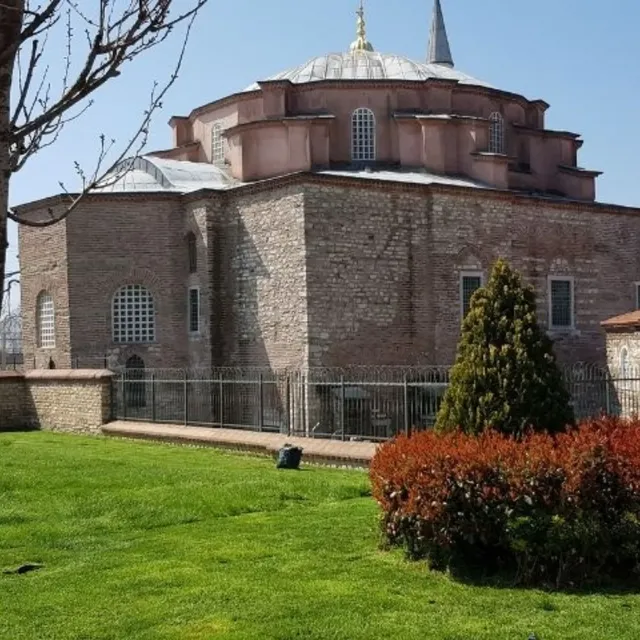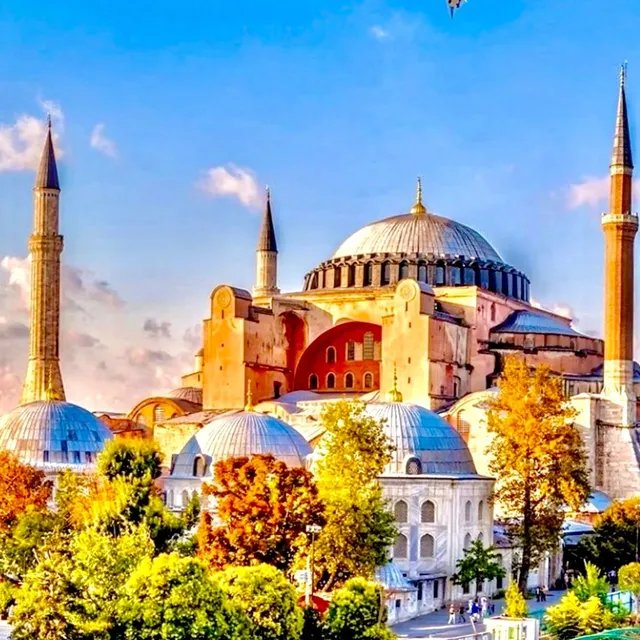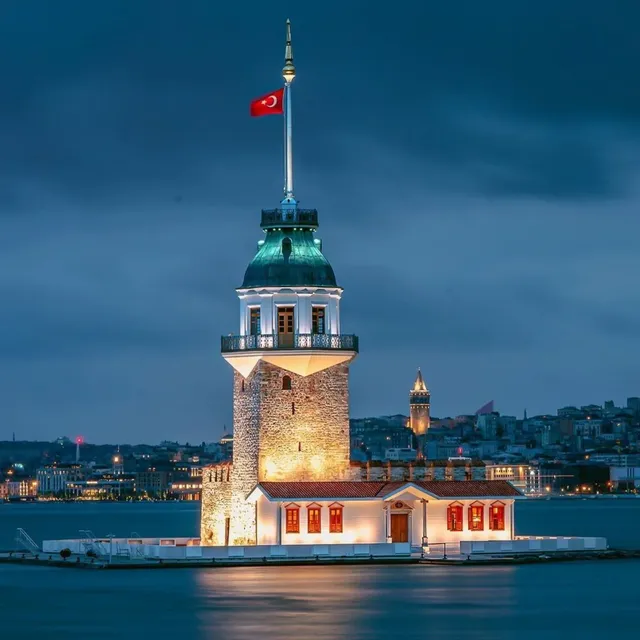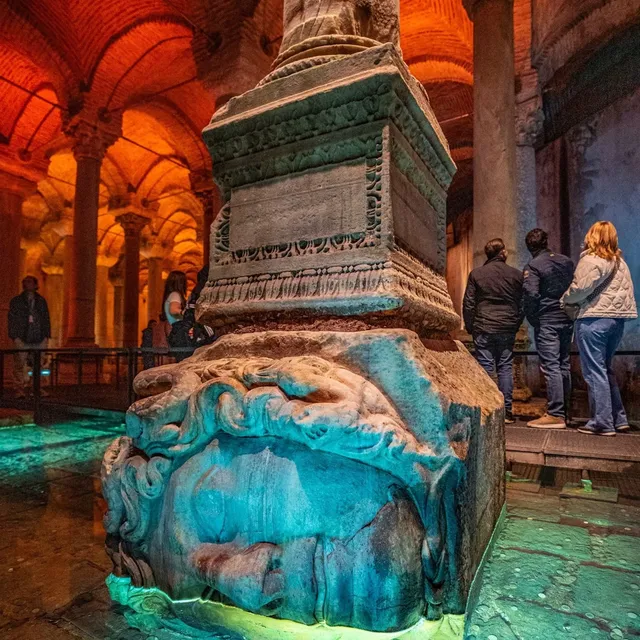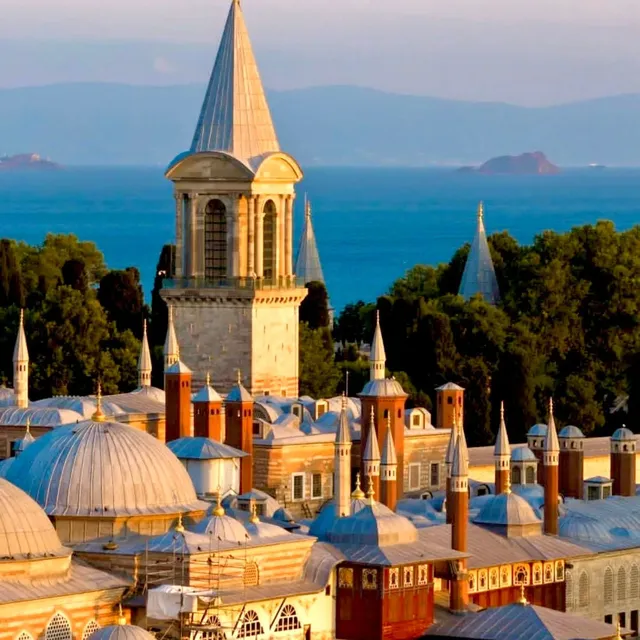
After the conquest of Istanbul in 1453, Hagia Irene was included within the gardens of Topkapi Palace. Because it was not turned into a mosque, the building preserved much of its original form. It was first used as a storehouse for the army. Much later, from 1908 to 1949, Hagia Irene served as a Military Museum in Turkey.
Today, the church stands out not only for its age and architecture, but also for the unusual continuity of its story. For visitors exploring the historic peninsula, Hagia Irene offers a quieter and more distinctive stop than many of Istanbul’s busier landmarks.
Who Is Hagia Irene? The Story Behind the Name
According to the story associated with the site, Penelope was a passionate Christian who tried to introduce the Roman people to Jesus and the Virgin Mary. Pagan Romans, however, tormented her in an effort to force her to submit to Paganism. She was first thrown into a well full of snakes. When the snakes did not kill her overnight, she was accused of witchcraft. She was then stoned severely and later tied to horses and dragged for many hours.
After people witnessed that she was still alive and remained steadfast in her religion despite these tortures, she was declared a saint and many committed to Christianity. Emperor Constantine the Great is said to have named her St. Hagia Irene, meaning “holy peace,” and built a church in her honor.
The Historical Importance of Hagia Irene
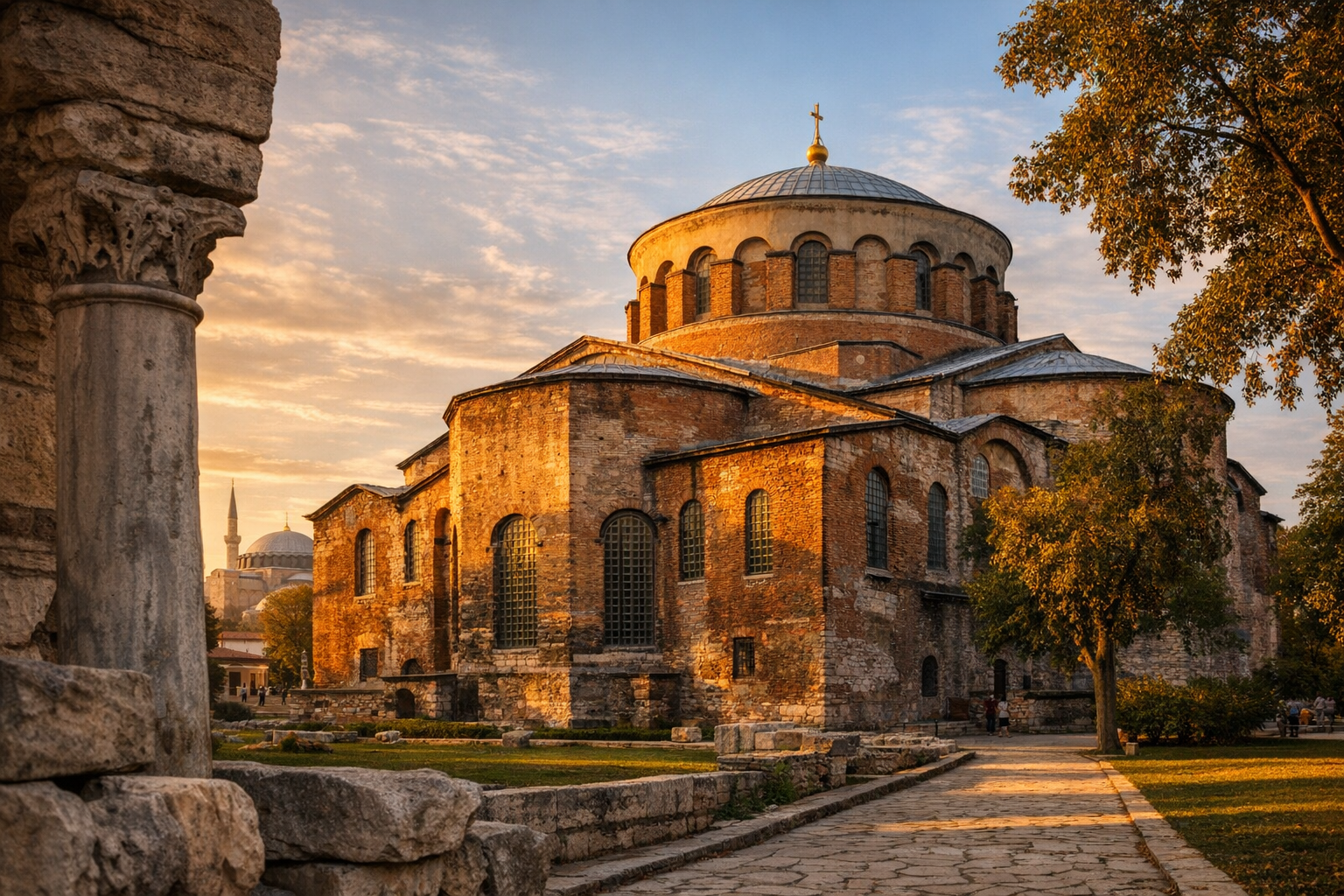
Hagia Irene is widely seen as one of the most significant monuments of Christian history in Istanbul. It is also described as Constantine the Great’s first church in Constantinople. In addition, Hagia Irene is notable for being the only Byzantine church to survive the Ottoman period without being converted into a mosque, which makes it unique among the city’s major religious monuments.
Its importance is also connected to location. Set within the outer courts of Topkapi Palace and close to major attractions around Sultanahmet Square, it can easily be included in a day focused on Byzantine and Ottoman history. For broader historical context, UNESCO’s overview of Istanbul’s historic areas is also useful: UNESCO.
The Importance of Hagia Irene Today
Beyond its rich historical heritage, Hagia Irene still offers plenty to modern visitors. The former church hosts cultural programs and exhibitions, and it is especially known for its excellent acoustics. Because of this, Hagia Irene has been used as a concert hall for classical music performances. Since 1980, many concerts from the Istanbul International Music Festival have taken place here.
Legendary Hagia Irene now functions as both a museum space and a venue for social and cultural gatherings. This dual role gives the monument a living presence that sets it apart from sites visited only for their past. If you are planning a visit, it is wise to check current access details and ticket information on official or trusted museum resources, as arrangements may change over time. A practical reference is muze.gen.tr.
Why Visit Hagia Irene in Istanbul?
You may be tempted to remove Hagia Irene from your Istanbul itinerary if you have already added Hagia Sophia. However, Hagia Irene offers a one-of-a-kind experience within the busy atmosphere of the city’s historic sites. Its calmer setting, preserved structure, and layered story make it rewarding even for travelers who have already seen Istanbul’s most famous monuments.
A guided visit can help you use your time well and understand details that are easy to miss at first glance. Whether you are interested in Byzantine history, Christian heritage, architecture, or live cultural venues, Hagia Irene remains a memorable stop. Its story continues to move and surprise visitors who step inside.