Covid-19 and medical safety in Istanbul
The pandemic affected daily life across the world, and Istanbul was among the cities most impacted in Turkey. For that reason, strict measures were implemented in the city, and tourists entering the country were expected to comply with these safety rules. Over the past two years, many people were affected by the Covid-19 virus, and various restrictions were introduced in order to establish stronger medical safety.
Vaccination applications continued throughout the country, and third-dose vaccination was also introduced as part of broader public health efforts. Tourists entering Turkey were expected either to be vaccinated or to have had a PCR test in the previous weeks. If you are considering a visit, it is wise to follow the coronavirus rules applied across the country so your trip can be safer and more trouble-free. For updates before departure, it is best to check official Turkish public sources such as gov.tr.

Medical safety and Covid-19 precautions
Medical safety measures across the city have been important for both residents and visitors. By following the rules in force, you can have a more efficient and safe journey while also protecting your loved ones. In particular, tourists arriving from abroad were expected to comply with PCR-related entry requirements as part of medical safety procedures.
This test, which had to be taken no more than one week before arrival, was used to determine whether a traveler was carrying the virus and to assess risk status. Another thing to know about Istanbul is that risk status checks could be carried out in many parts of the city. These controls were intended to manage the pandemic in a more controlled way and protect public health, and they were applied all over the city.
One of the most visible measures was the use of face masks. Mask use, social distance, and hygiene rules applied across the country were also valid in Istanbul. Wearing masks in enclosed spaces, especially shopping malls and stores, was very important, and those who did not comply could face fines, including tourists. For that reason, visitors needed to be ready to wear a mask during their time in the city.
Distance rules were also part of daily life. Inside shops and stores, visitors were expected to keep at least one and a half meters between themselves and others. In many places, only a certain number of people were admitted at a time, and more than half of the venue capacity was not allowed to be filled. This was intended to largely prevent the spread of coronavirus in indoor areas.
As part of medical safety rules, hand disinfectant was placed in certain parts of the city so that people could sanitize their hands easily. This practice was introduced to strengthen hygiene in public life and facilitate hygiene for everyone. Since hygiene is something both local residents and travelers often care about, these measures became one of the most practical ways to support public health.
If you plan to visit busy areas such as the Grand Bazaar or open public squares like Sultanahmet Square, it is especially useful to stay aware of crowd conditions and continue following current health guidance.
What happens if you catch the virus in Istanbul?
To come to Istanbul and have a safe trip, it was generally expected that your PCR test would be negative and that you would not be in contact with any coronavirus patients. If you contracted the virus after arriving in Istanbul, treatment would proceed according to the healthcare practices applied in Turkey at the time.
Turkey offers broad healthcare services, and tourists can also benefit from emergency services. If you tested positive, you would go through the same corona detection process applied to citizens and remain in quarantine for two weeks. After that, you could continue your trip according to your test results.
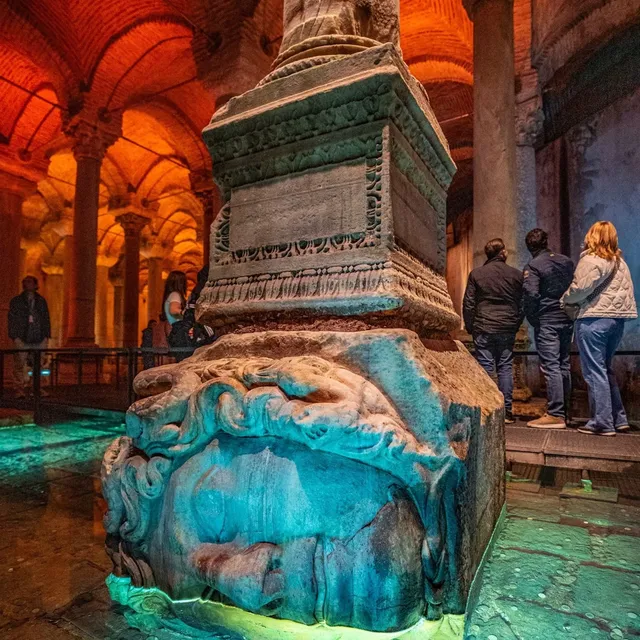
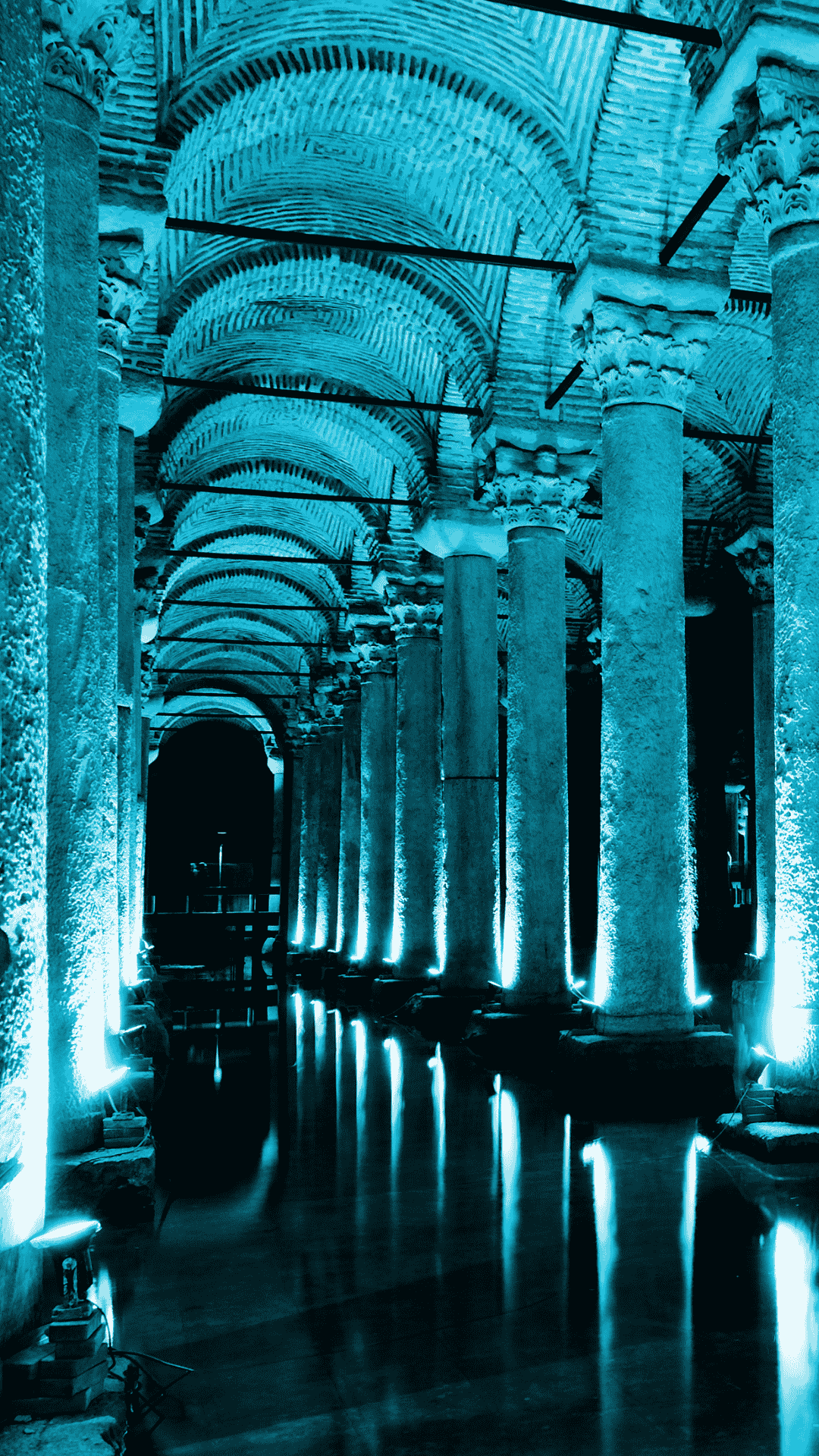
If you want to plan a more covid-safe visit, it is helpful to review current countrywide travel and health updates before departure. You may also want to check official tourism information at GoTürkiye and build your itinerary accordingly. If your plans include indoor attractions such as Basilica Cistern, paying attention to changing health measures can be especially useful.
Practical tips before your trip
- Check official updates before flying, as entry and health rules may change over time.
- Carry masks and hand sanitizer, especially for indoor spaces and public transport.
- Keep your vaccination or PCR-related documents accessible while traveling.
- Be prepared for checks at venues, shops, or crowded public places.
- Follow the same hygiene and distancing rules expected from local residents.
FAQ
Do tourists need a PCR test to enter Istanbul?
According to the information in this guide, tourists were expected either to be vaccinated or to have had a PCR test in the previous weeks before entering the country. Because travel rules can change, it is best to confirm the latest requirements on official sources before departure.
Is mask use important in Istanbul?
Yes. Mask use was described as one of the most important pandemic measures in the city, especially in enclosed areas such as shopping malls and stores. Visitors were expected to comply, and tourists who did not wear masks could also face penalties.
Were hygiene measures visible around the city?
Yes. Hand disinfectant was placed in certain parts of the city so people could sanitize their hands more easily. This was part of a broader hygiene effort designed to support residents and visitors and make everyday movement around Istanbul safer.
What happens if a tourist gets Covid-19 in Istanbul?
If a tourist caught the virus after arriving, they could benefit from emergency health services and would go through the same detection process applied in Turkey. The guide states that quarantine for two weeks would follow, after which travel plans would depend on test results.