Accessible Istanbul for sightseeing
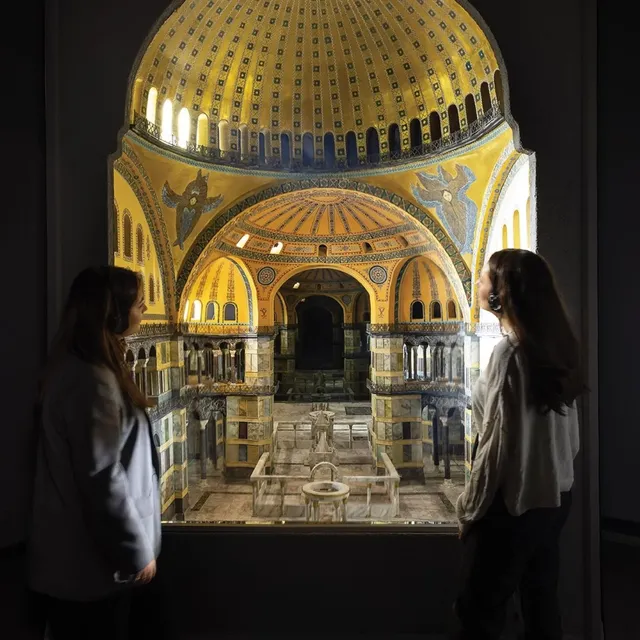
For many visitors, Sultanahmet is the best place to begin discovering Istanbul. Watching the Blue Mosque in a wheelchair is not a problem, and Hagia Sophia is often preferred by wheelchair users because it has a special toilet for disabled visitors. These central landmarks are among the places that help make accessible Istanbul a realistic travel plan rather than just an idea.
Beşiktaş JK Museum is also mentioned as a 100% barrier-free museum, and there is no charge for disabled visitors. Sakıp Sabancı Museum is another place that does not charge a fee for disabled citizens. Panorama 1453 Museum is suitable for wheelchair visitors as there are disabled ramps from the parking lot to the inside of the museum. At Pera Museum, special events are also organized for disabled visitors, creating a more pleasant experience.
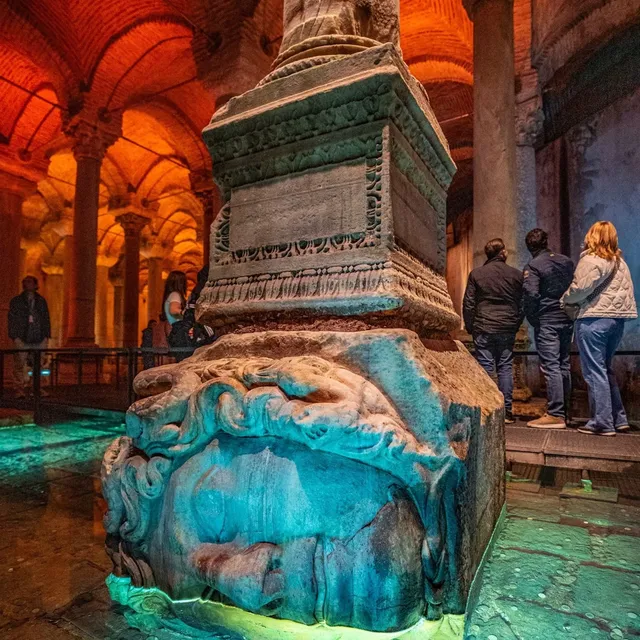
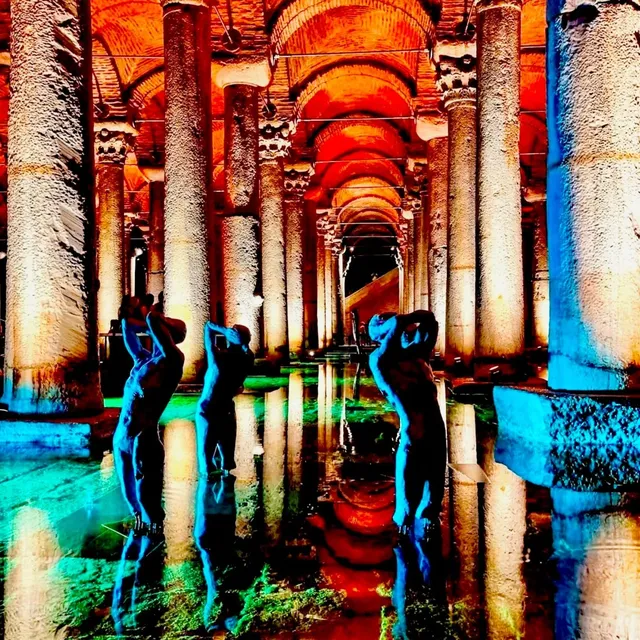
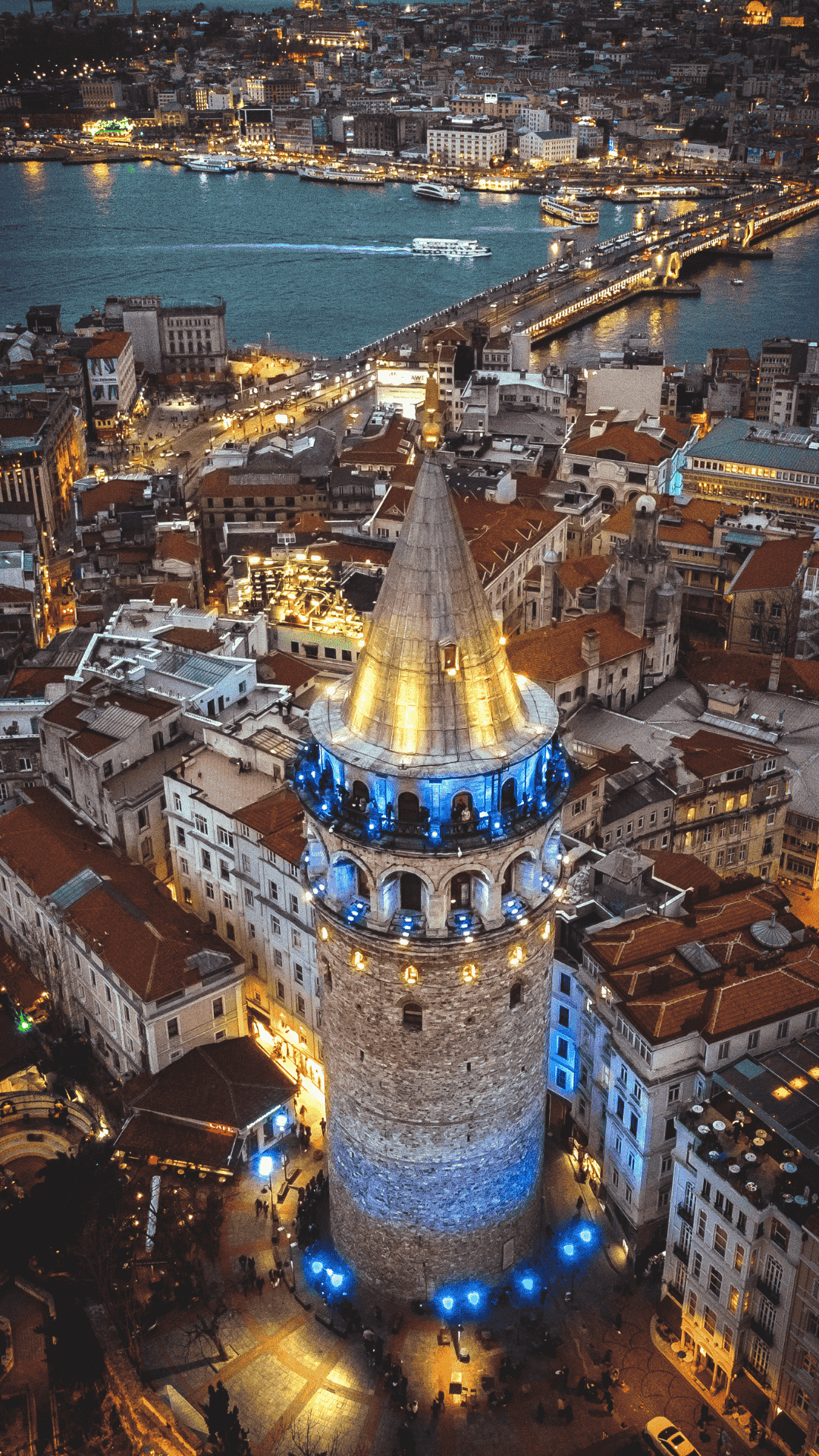
If we continue with major landmarks, Topkapi Palace is considered suitable for transportation by wheelchair. The Basilica Cistern, one of Istanbul's symbols, is also among the more suitable places in terms of accessibility, even though it is underground. Taksim should be part of the itinerary as one of the city's best-known areas, but having a companion is recommended because it can be very crowded.
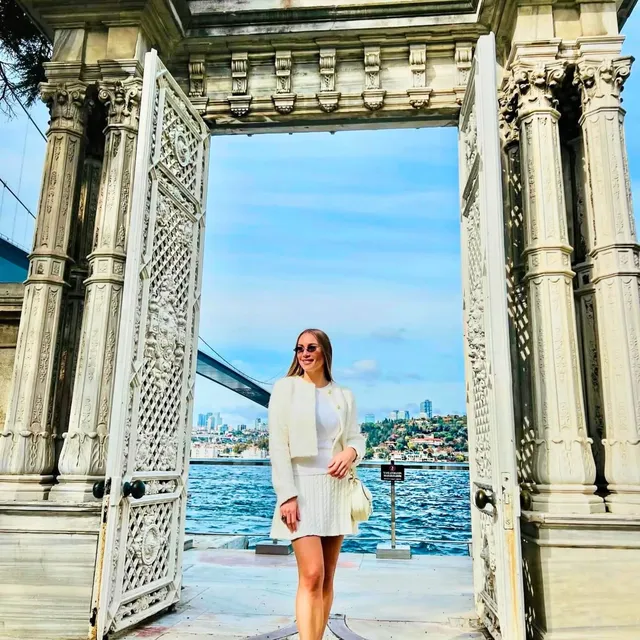
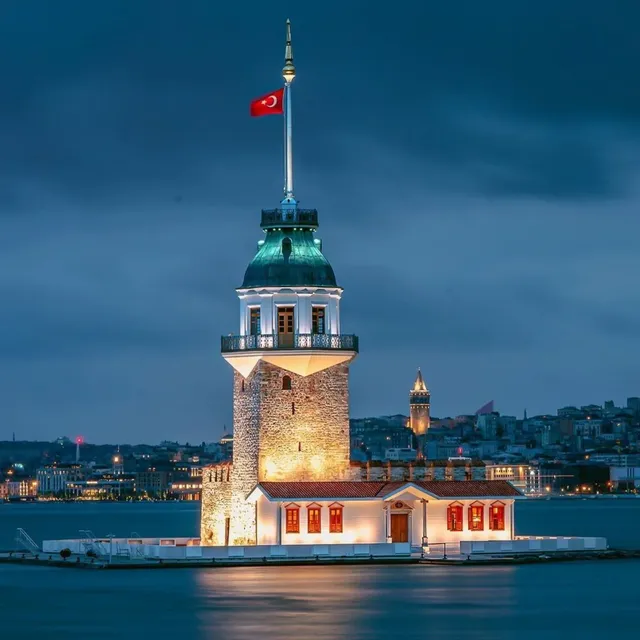
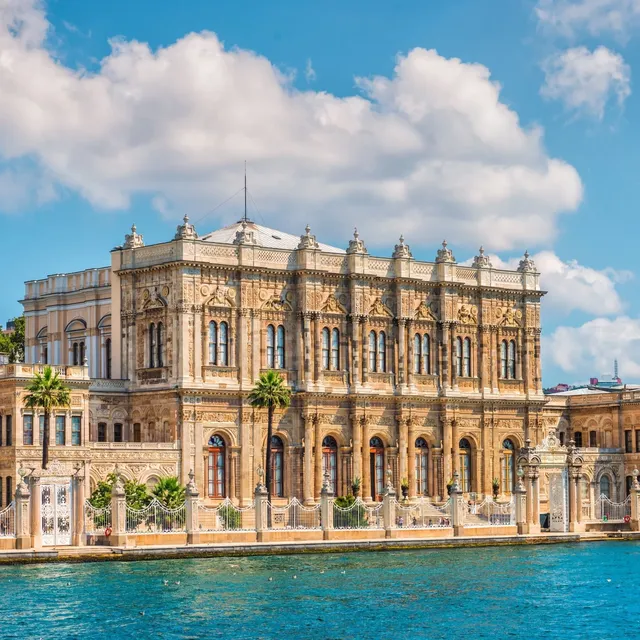
Dolmabahce Palace is another must-see place, and it is stated that there is no charge for disabled individuals and their companions. İstiklal Street is one more area that can be visited relatively easily in addition to Taksim. Pierre Loti Hill stands out as well because the cable car line there is suitable for wheelchair users. Istanbul Toy Museum is also described as accessible, with no charge for disabled visitors. To end the trip, a Bosphorus tour can be a memorable choice, and it is again wise to have a companion with you. For current details on city ferries and access conditions, it is best to check the official Şehir Hatları website.
Social events about accessible Istanbul
In Turkey and in Istanbul, many non-governmental organizations defend the rights of wheelchair users and organize activities to raise awareness. Their aim is to help create a more accessible Istanbul for everyone. For example, they prepare and distribute banners criticizing cars parked in front of wheelchair ramps, provide awareness training in schools, and use visual presentations to explain daily accessibility challenges.
Various university clubs also organize awareness events to support disabled life and develop projects that may make life easier for people who use wheelchairs. In addition, non-governmental organizations carry out projects such as charging units for people who use electric versions, conducting different kinds of research in Istanbul, and preparing disability-free life reports about the city.
All of these efforts have a positive impact on society in terms of awareness. Campaigns and actions related to wheelchair transportation have attracted significant interest and have become notable examples of how accessibility issues are discussed in Istanbul.
Measures taken in public living areas

Accessible Istanbul is not limited to tourist attractions. Public living areas such as shopping malls, airports, bus stations, and streets also include various measures for wheelchair users. In shopping malls, there are elevators suitable for wheelchair access, and parking areas include reserved disabled parking spaces.
Toilets are equipped with grab handles for disabled users. On streets, sidewalks include disabled ramps, and their widths and heights are controlled. Even the slope of the ramps is calculated and built by engineers. Public toilets are also arranged for wheelchair use, which helps increase accessibility in everyday life.
Public transportation is another important part of the picture. Buses and subways include spaces positioned for wheelchair users, making the city more open to exploration. Since transport access can change by line or station, travelers may want to review the latest information on the official Metro Istanbul website before setting out.
Planning tips for wheelchair users in Istanbul
When planning a route, the easiest approach is to group nearby sights and allow extra time between stops. Central historic areas can be manageable, but crowds, uneven surfaces, and busy streets may still slow movement. For that reason, traveling with a companion can make the experience easier in places such as Taksim, on Bosphorus outings, and in especially busy visitor zones.
It is also useful to confirm current conditions directly with official transport operators or the venue you plan to visit. Accessibility features, entry procedures, and visitor services can change over time. A little advance planning can help make an accessible Istanbul itinerary more comfortable and more enjoyable.