Definition of the Funicular
The funicular is a cable railway system that connects places along a railway track. The system is built with two counterbalanced carriages that are permanently attached to one another with a haulage cable, creating a loop between the beginning and endpoints. The name comes from Latin, where funis means rope.
In Istanbul, the funicular is one of the practical public transportation options for moving quickly between major central districts. While the network is limited compared with the metro, it is especially useful in hilly parts of the city and helps visitors save time when moving between waterfront areas and upper neighborhoods.
The Funicular Lines in Istanbul
Although Istanbul is a massive city with many different local transportation options, the funicular lines are far fewer than the metro lines. There are only a few funicular lines, along with some planned for the future. These routes are mainly located in central parts of Istanbul, and for now they operate only on the European side.
Taksim - Kabatas (F1) line
This may be the most popular of Istanbul’s funicular lines. Taksim Square is one of the city’s best-known visitor areas, and the F1 line provides a fast connection between Taksim and Kabatas. From Kabatas Pier, you can transfer to ferry services to cross between the European and Asian sides, enjoy the sea air, or continue toward the Bosphorus. The trip between Taksim and Kabatas takes only 3 minutes.
Sishane - Karakoy (F2) line
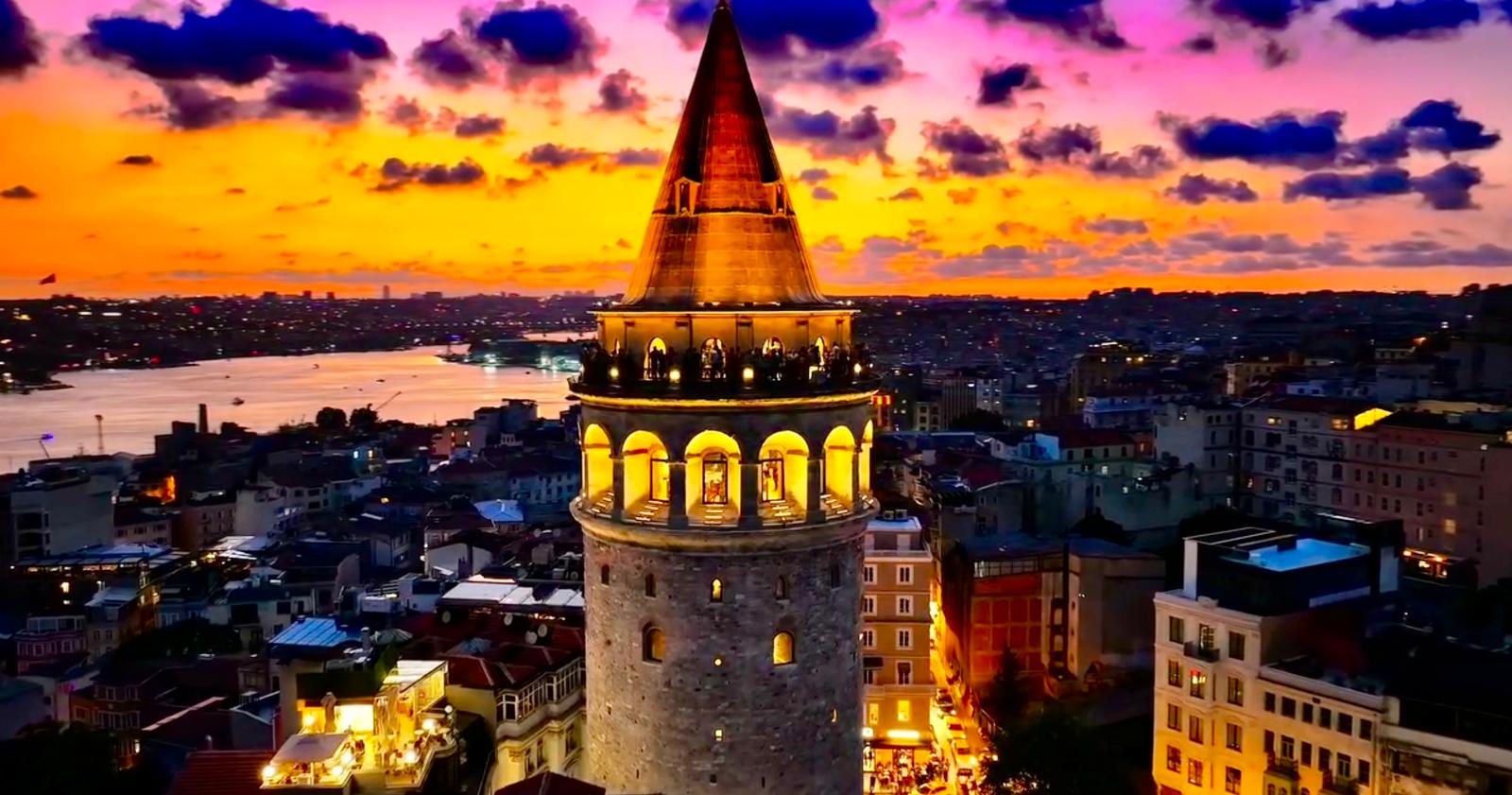
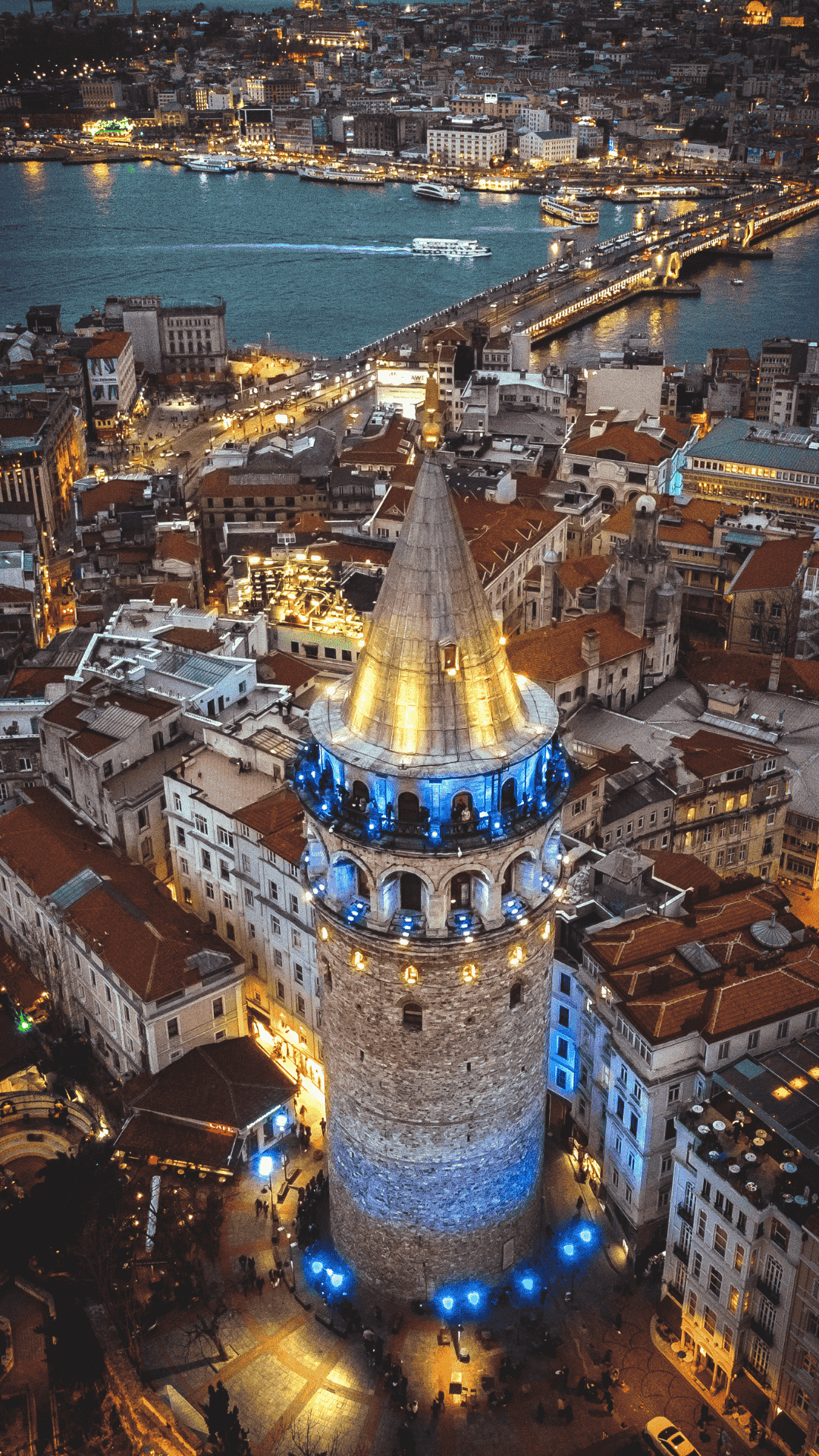
The Sishane - Karakoy line is another important and popular route. Like the F1 line, it offers easy access to ferry connections from Karakoy. It also helps you reach Sishane quickly, which connects naturally with the continuation of Taksim and Istiklal Avenue. If you plan to explore nearby landmarks, this area also gives convenient access toward Galata Tower and surrounding streets.
Seyrantepe - Vadistanbul (F3) line
These first two are the main actively used central funicular lines for visitors. There is also a line connecting Seyrantepe and the shopping mall Vadistanbul, known as the F3 line. However, both locations are outside the main historic and touristic center.
Places to Go with the Funicular
You can reach many places in central Istanbul on the European side by using the funicular lines. The areas mentioned above are some of the most convenient, but they are not the only ones. By combining the funicular with other local transportation services such as the metro, tram, bus, and ferry, you can broaden the range of places you want to see while discovering Istanbul.
From Taksim and Sishane, you can wander along Istiklal Avenue, shop, relax in local cafes, and enjoy Turkish food and coffee. The districts connected by the funicular are lively and full of everyday city life. If you continue your trip by tram or other public transit, you can also reach major historic sights such as Sultanahmet Square and the old city’s monumental attractions.
Frequency and Things to Know About the Funicular
The frequency of the funicular lines depends on demand. Fortunately, the two most popular lines—Karakoy - Sishane (F2) and Taksim - Kabatas (F1)—run very frequently. According to the original schedule information in this guide, both lines pass every 5 minutes in each direction.
The F1 line works between 6 AM and 12 AM, while the F2 line works between 7 AM and 11 PM. As schedules can change, it is best to check the official operator before your trip at metro.istanbul.
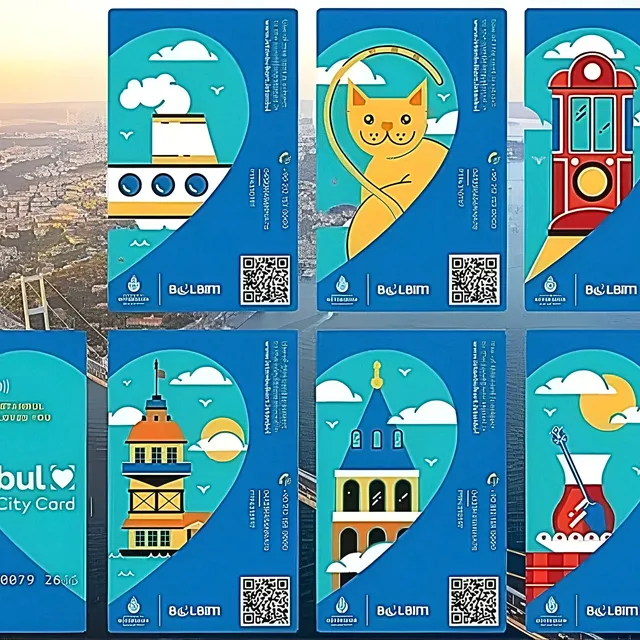
You will need an Istanbulkart or a one-way pass ticket to use the system. If you are visiting Istanbul for more than 3 days, getting an Istanbulkart is usually suggested, as it is more practical and generally more economical than using one-way tickets for regular transportation. The original fare information here states that a one-way pass ticket costs around 13 Turkish liras, but you should check the official site for current prices.
Other Transportation Options in Istanbul
As Istanbul is a huge city, its local transportation network is extensive as well. The funicular is helpful, but it works best when combined with the city’s other transportation options:
- Ferry lines: Ferries are mainly used to cross between the European and Asian sides of Istanbul.
- Metrobus: This line functions 24/7 and stretches across a long route, including travel between both sides of the city.
- Metro lines: Istanbul has around 10 different metro lines, and some are connected with each other.
- Tram lines: Trams run on their own tracks. The European side has 3 different tram lines, while the Asian side has 1.
- Bus lines: There are hundreds of bus lines in Istanbul, and the best route depends on where you want to go.
- Marmaray: This is one of the newer transportation systems and also connects both sides of Istanbul.
You can use Istanbulkart for all local transportation options. Fees may vary depending on the mode of transport. If you want to explore Istanbul more efficiently, it is useful to carry a transportation map that shows the available lines and possible route connections.
For a general overview of how funicular railways work, you can also read the background article on Wikipedia.