Metro Routes
Having a general idea of the metro routes before starting your journey can save time and help you arrive when you intend to. Below are the main metro lines in Istanbul and what travelers should know about them.
M1a Yenikapı–Atatürk Airport
This route connected Atatürk Airport with central areas such as Sultanahmet and Taksim in the past, so many travelers used it regularly before airport operations changed. Today, it is a shorter line that serves residential parts of the European side of Istanbul. M1a still gives access to hotels around the old airport area, and the route starts at Yenikapı.
M2 Yenikapı–Hacıosman
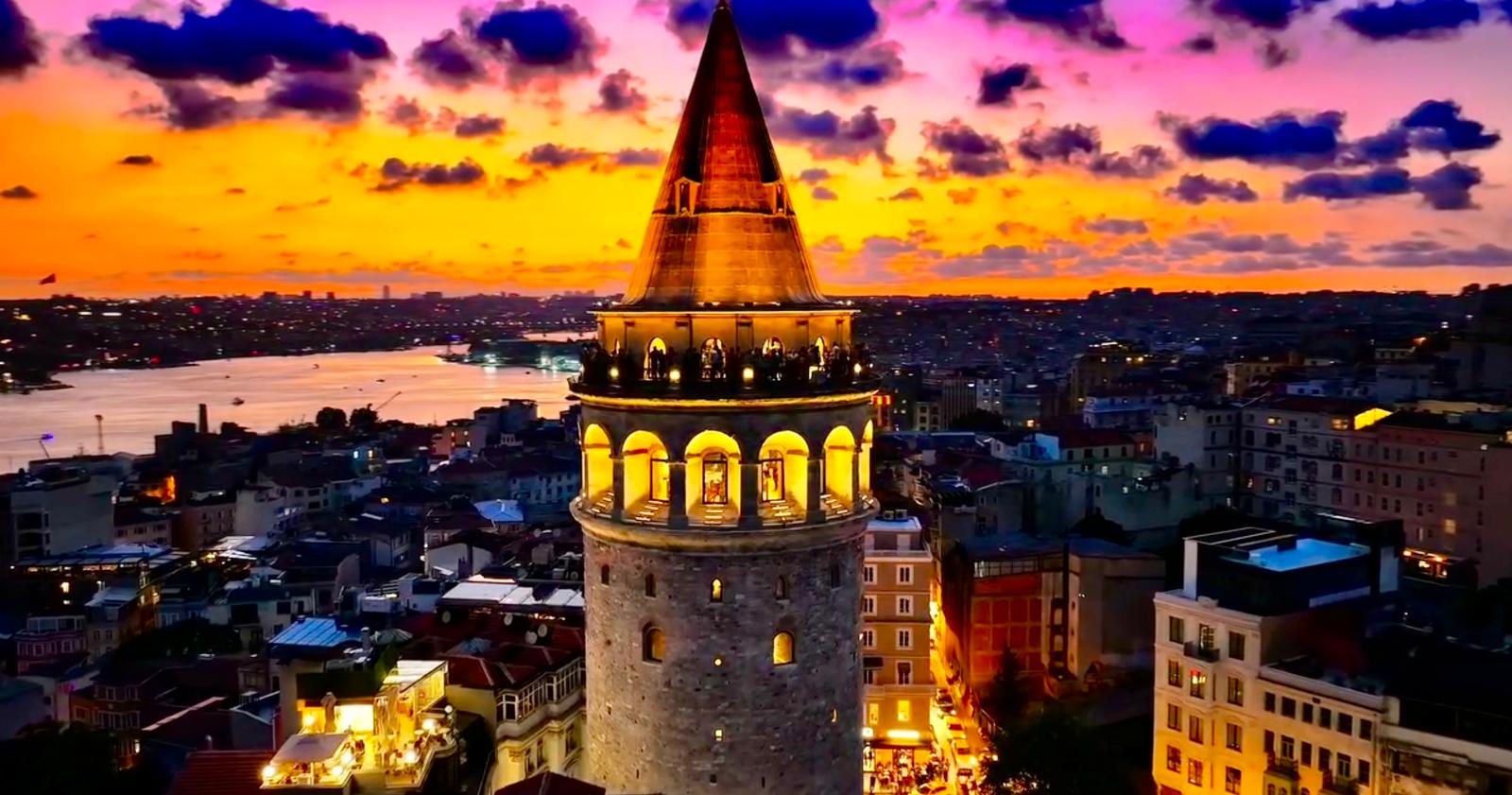
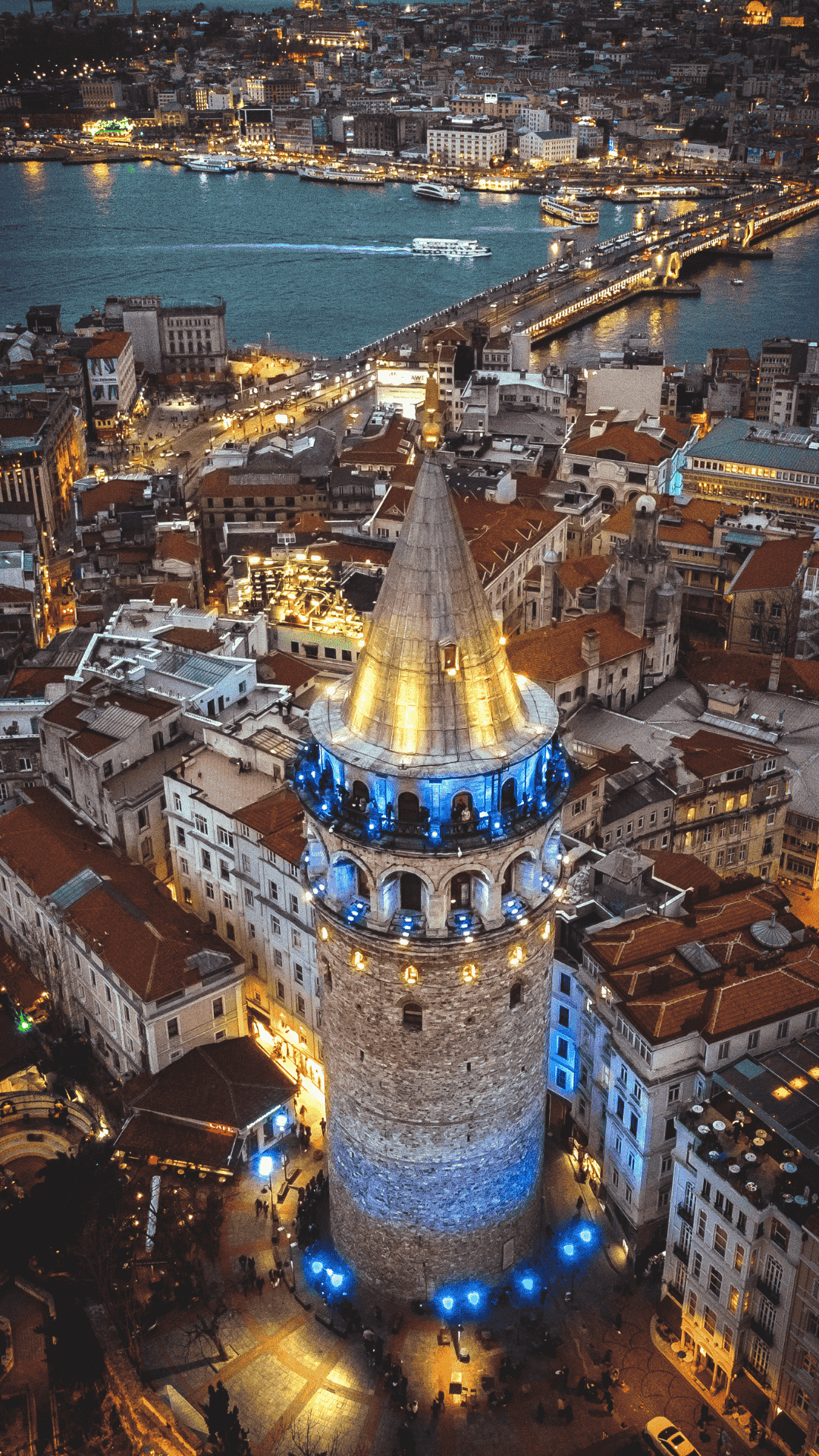
The Yenikapı–Hacıosman line begins in Yenikapı and stops at major points such as Taksim Square and Maslak. Tourists often prefer this route, just like locals do, because it passes near many shopping centers and well-known areas of the city. It also reaches important visitor-friendly districts such as Şişhane, which sits between İstiklal Street and Galata Tower.
M3 Kirazlı–Olimpiyat–Başakşehir
This line is generally used more by Istanbul residents than by tourists. Still, if you want to go to the Mall of Istanbul, you can get off at İkitelli.
M4 Kadıköy–Tavşantepe
This metro line is on the Anatolian side of Istanbul and runs across that side of the city from end to end. Tavşantepe is the last stop, and it is close to Sabiha Gökçen Airport. You can also reach Kadıköy by using Marmaray from places such as Sirkeci, Sultanahmet, or Beyazıt.
M5 Üsküdar–Çekmeköy
Tourists generally do not use this line very often. Some hotels are located along the route, and one notable point is Altunizade, where the oldest shopping mall is found.
M6 Levent–Boğaziçi Hisarüstü
M6 is another useful line in Istanbul’s transportation network. Passengers can travel from Levent to Boğaziçi University. The area is known for a long-established university and beautiful scenery. This route is mostly used by students and by people who want to see the greener side of the city.
M7 Mecidiyeköy–Mahmutbey
This line starts at Mecidiyeköy and goes to Mahmutbey. It is not especially focused on historical or tourist areas, but it is part of the wider network that supports daily transportation in Istanbul.
Metro working hours
Like other forms of local transportation, the metro operates within set hours. Services begin at 06.15 a.m. in Istanbul, and the last metro departs at 00.00, except for the M2 line, which operates until 02.00. Since schedules can change, it is wise to check the official Metro Istanbul website before traveling.
Fares
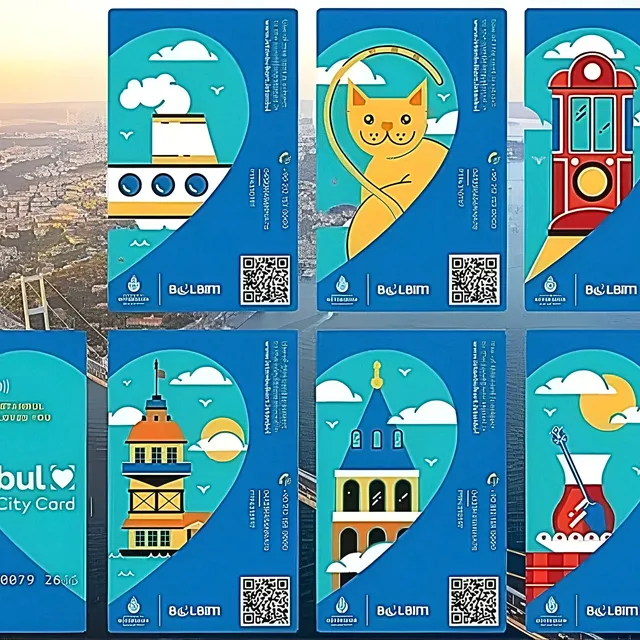
If you plan to use the metro in Istanbul, it helps to know how fares work. With an İstanbulkart, journeys are more economical. According to the information here, the first ride is 4,03 TL. After that, transfers are possible. The first transfer is 2,88 TL, while the third, fourth, and fifth transfers are 1,38 TL. As fare policies may change over time, check the official site for the latest prices.
Rules about transportation in Istanbul
- You have to have an İstanbulkart to get on the metro.
- You should not cross the yellow lines on the platform for your safety.
- Damage and cleaning needs are reported to personnel.
- Entry is made through the turnstiles, and illegal entry is punished.
- You cannot bring explosive or flammable materials.
- Smoking is not allowed.
- Small animals can be carried in cages, and guide dogs are allowed, apart from predatory, reptile, and venomous animals.
- You should not listen to loud music or speak loudly during travel.
- The safety of personal property belongs to the individual.
- Seats reserved for pregnant passengers, disabled passengers, and the elderly should be left available or offered when needed.
- Leaning on the doors is dangerous.
- No one can enter the driver’s cabin except authorized personnel.
- Because of the pandemic, wearing masks became compulsory in transport.
Transportation in Istanbul after Covid-19
Covid-19 affected daily life and travel in Istanbul as in the rest of the world. New rules were introduced for local transportation services. Metros were cleaned every day by Istanbul municipality teams, and nanotechnological tools were often used in the cleaning process. According to the original information, these tools could help protect human health for a month.
Passengers were expected to follow the rules while using public transportation in Istanbul. Wearing masks in local transportation services became compulsory because of the pandemic. Although protection could not be complete, these measures were introduced to support public health during that period.
Tips for using the metro in Istanbul
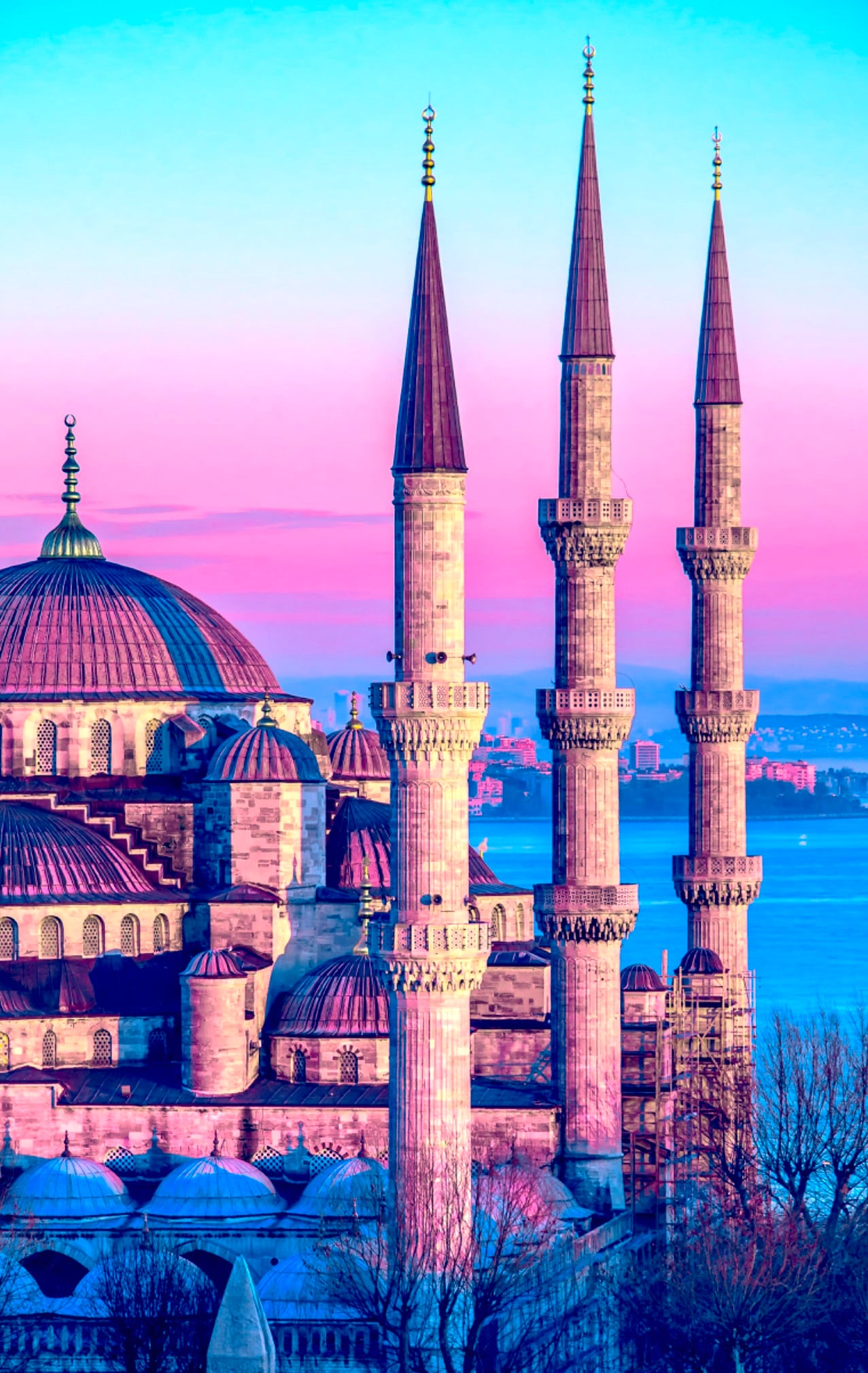
For many visitors, the metro is most useful when combined with other transport options and short walks. It can help you move efficiently between busy districts and then continue toward major sights. For example, if you are visiting the Historic Peninsula, you may combine rail transit with stops near Sultanahmet Square. If your plans include the old city’s markets, onward connections can also help you reach the Grand Bazaar.
For route maps, announcements, and current service details, the official operator remains the best source. You can also find background information about the Istanbul Metro system on Wikipedia.