How the education system in Istanbul is structured
For families living in or moving to the city, it helps to understand that Istanbul follows the wider Turkish education model. Students typically move through primary school, high school, and then university, with both public and private institutions available. While school experiences can vary by district and institution, the general framework is nationwide.
Primary schools in Turkey
Primary, or elementary, school in Turkey offers eight years of compulsory education for students aged six to fourteen. The emphasis is on core knowledge, including Turkish language, mathematics, social sciences, art, and music. English and sometimes another foreign language may also be taught.
Both public and private schools operate alongside one another. While the curriculum is broadly similar, private schools often offer more extracurricular activities, such as swimming, and may teach additional languages. The typical number of pupils per classroom is 20 to 40, although in rural regions the number of students per class may be much higher. At the end of eighth grade, students take an exam and are placed in different high schools based on their results.
High schools in Turkey
High schools in Turkey typically last four years, although some schools add an extra year for foreign language preparation. Students usually choose one foreign language from options such as English, French, and German. Religious education is optional and is generally taught as a comparative study of faiths rather than focusing only on Islam.
The best-known and most popular high school types in the country include Anatolian, Science, and private high schools in Turkey. In some of these schools, science lessons are taught in the student’s chosen foreign language. Except for private high schools, which may cost up to $4000 per year, education is free. As prices and fees can change over time, it is wise to check the official site of any school you are considering.
At the end of 12th grade, students must sit for the High Academic Finishing Exam. After that, they are required to take the OSS, a highly significant and fiercely competitive exam whose results determine their opportunities at the next educational level.
Universities in Turkey
Students who pass the necessary exams are admitted to universities. Universities in Turkey offer two to four years of undergraduate education, along with an additional two years of graduate study. Many of the country’s major universities are located in Ankara and Istanbul.
Education quality varies considerably, and some institutions are regarded as being on par with American universities. Turkish universities also take part in the Socrates-Erasmus program, which can be an important advantage for students interested in international study opportunities. For broad background on the national system, you can also consult Britannica’s overview of education in Turkey.
Private education in Istanbul
As the average family’s wealth has increased, many Turkish parents have become more aware of the limits of the public school system. For that reason, some choose private schools in Turkey (kolej/özel lise), which often provide smaller class sizes, highly trained teachers, and a wider range of recreational and sports activities.
These schools can be expensive. They usually charge annual fees and may require students to buy costly course materials. Uniforms and meals create additional expenses, and some parents also pay for transportation when schools are far from home. Still, many families believe the advantages outweigh the costs.
One of the main benefits of private education is access to internationally recognized standardized tests, including Cambridge University English-language examinations, the Scholastic Aptitude Test (SAT), and the Test of English as a Foreign Language (TOEFL). These can make it easier for Turkish students to continue their studies abroad.
Why studying in Istanbul can be culturally enriching
Beyond the schools themselves, students in Istanbul grow up in a city with deep cultural and historical layers. The city’s multicultural character can help pupils develop broader communication skills and a stronger understanding of different communities and traditions.
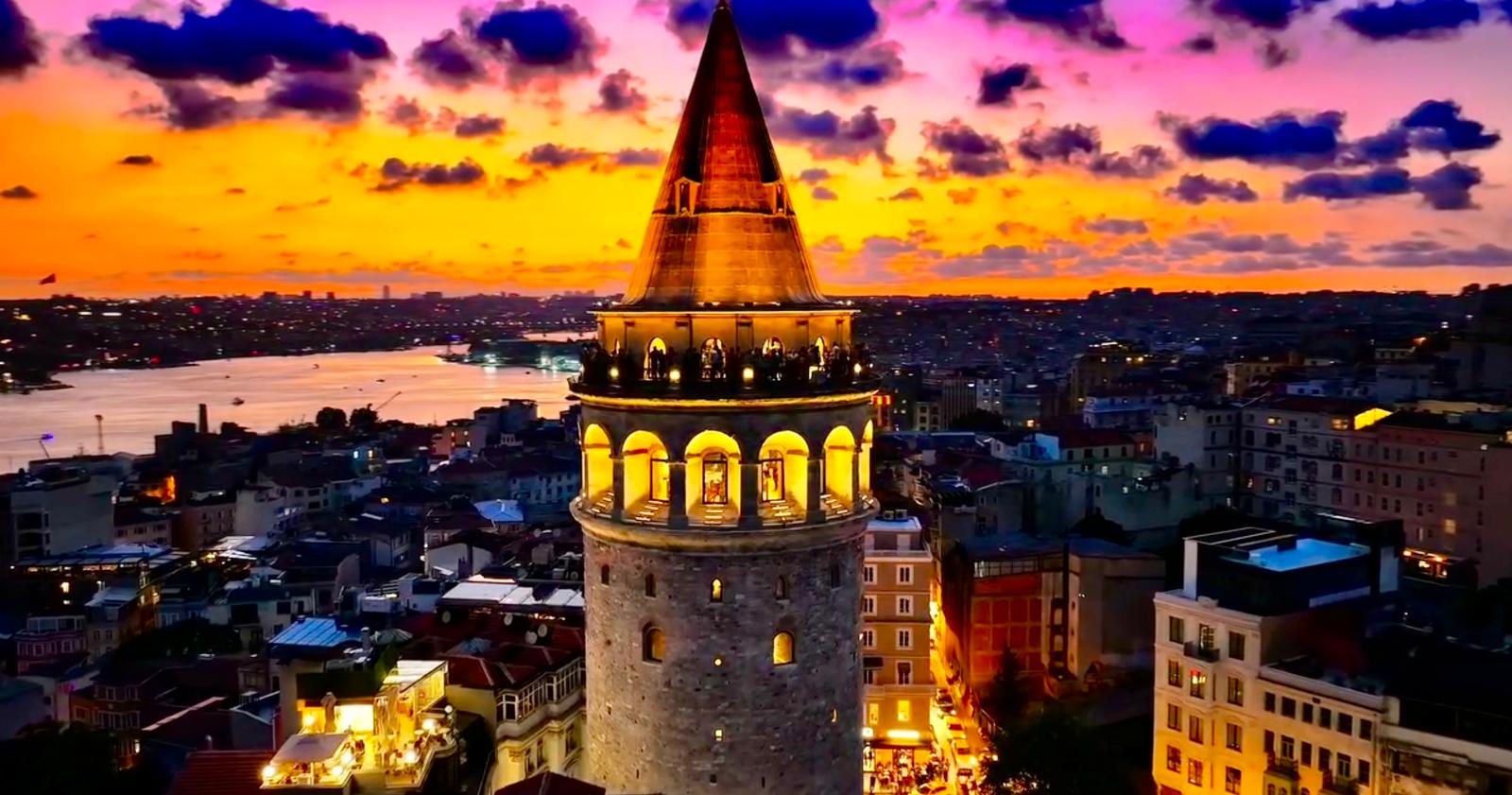
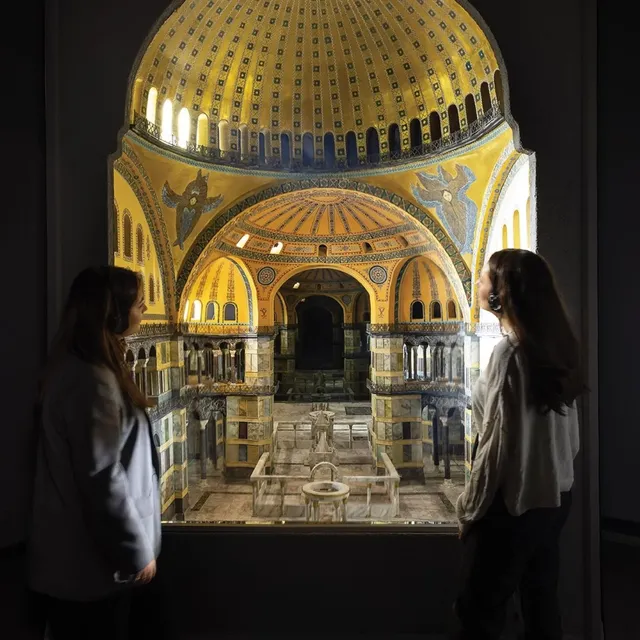
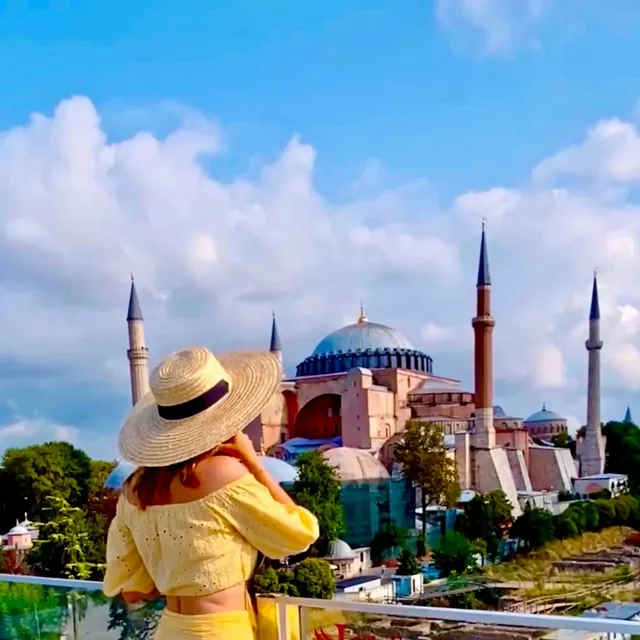
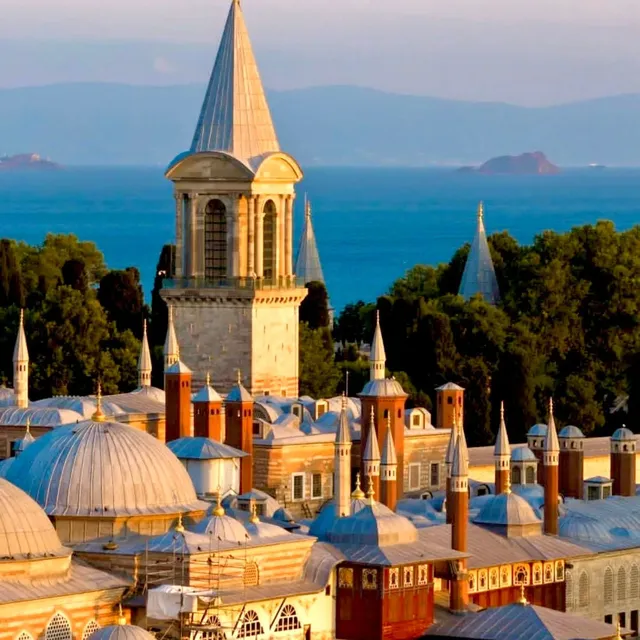
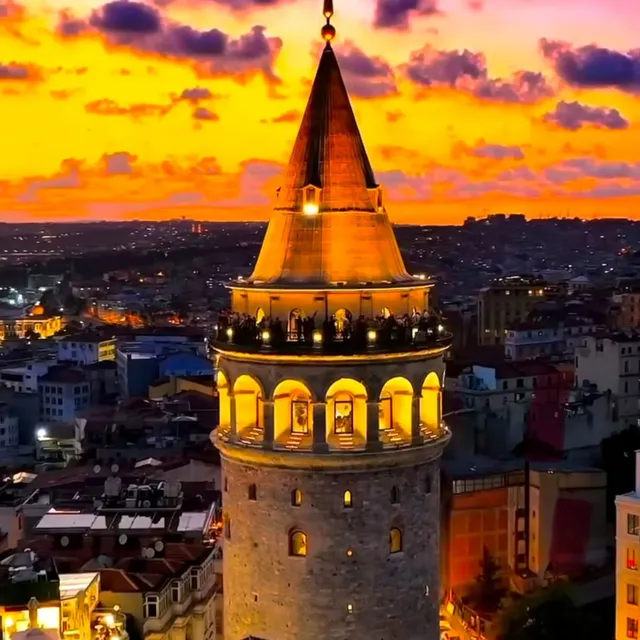
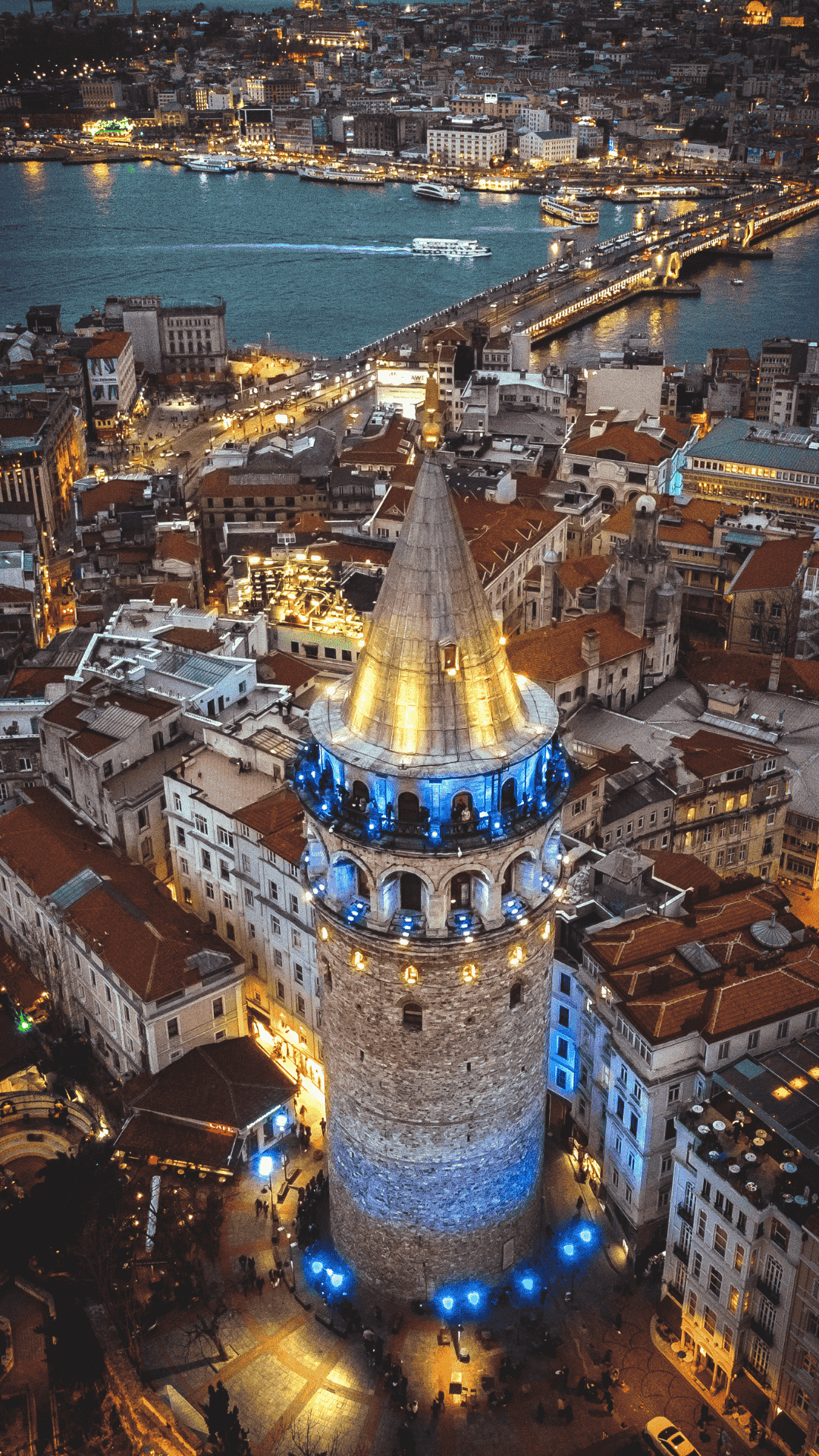
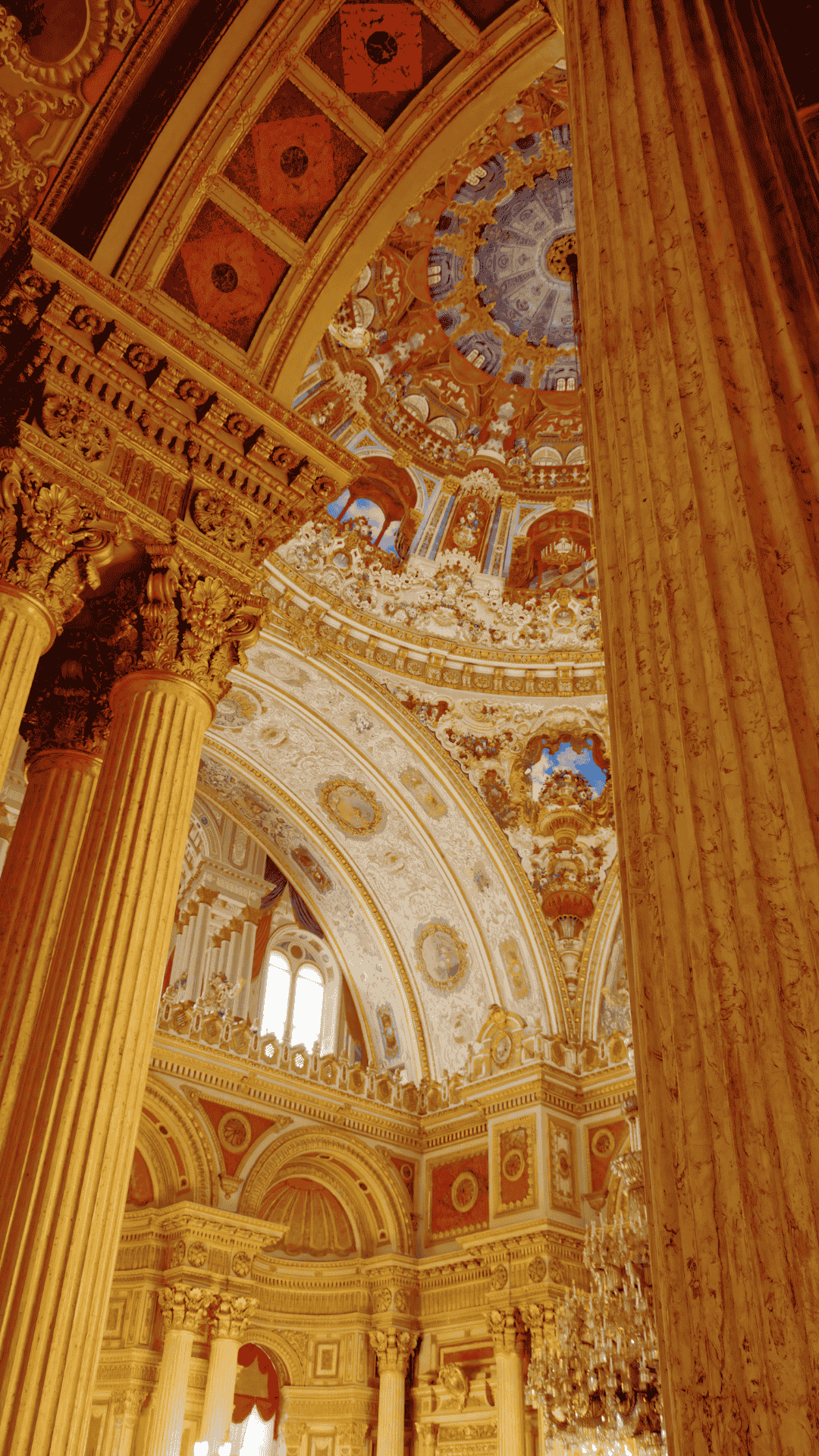
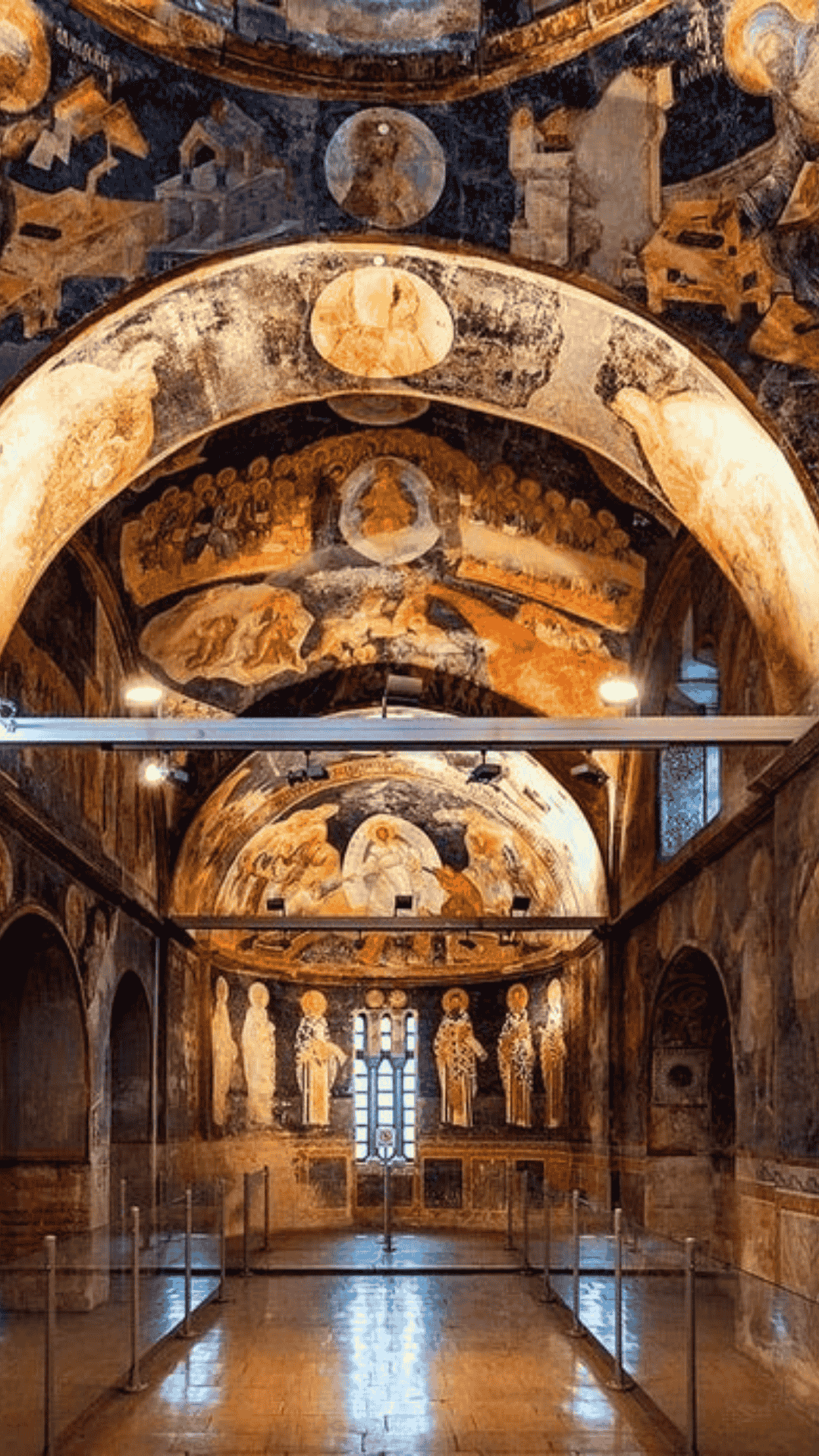
Its historical environment is also part of the educational experience. Sites such as Topkapi Palace, Galata Tower, and Hagia Sophia offer a living connection to history, art, and architecture. For a wider cultural context, UNESCO’s page on Historic Areas of Istanbul is also useful.
What to keep in mind as a family
If you are planning family life in Istanbul, the most important thing is to compare school types carefully. Public and private schools may follow a similar academic structure, but they can differ greatly in class size, language support, extracurricular options, and total cost. For many families, the right choice depends on budget, long-term university goals, and how much importance they place on international testing and language education.