Driving in Turkey by personal vehicle: what to know first
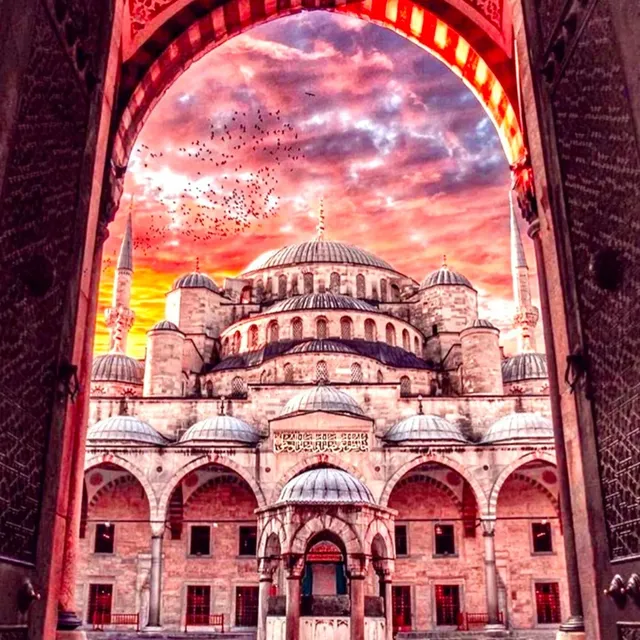
Turkey’s roads can be enjoyable, scenic, and practical for travelers, but they also come with local habits and road rules that may feel unfamiliar at first. If you plan to arrive in Istanbul and continue your trip by car, it helps to understand tolls, parking, road behavior, and rental details in advance. If you are staying centrally and mainly visiting places like Sultanahmet Square or the Grand Bazaar, you may prefer to park and explore those dense historic areas on foot.
1. Understand Turkey’s HGS toll system
Turkey’s highway network uses an electronic toll system called HGS. A car-mounted device collects the toll as you pass through toll gates. All cars must have HGS, so if you are renting, your rental company should provide it. Follow the HGS lanes and slow down to 30 km/h at the toll points so the fee can be collected automatically. For official road information, check relevant Turkish government sources such as gov.tr.
2. Avoid old town narrow lanes
Motorways benefit from newer infrastructure, but historic town centers often do not. In older districts, you may find tight and steep streets, uneven paving, double-parked vehicles, potholes, street stalls, and sudden one-way changes. Pedestrians may also move unpredictably. If possible, it is usually easier to park outside the old town and continue on foot.
3. Don’t stop too close to traffic lights
One practical lesson for driving in Turkey is to make sure you can still see the traffic light when you stop at a junction. If you pull too far forward, the signal may disappear from view. Local drivers are used to this and may start honking quickly when the light changes. Before stopping, check that the signal remains visible from your position.
4. Know the speed limits
Speed limits in Turkey can feel inconsistent from one stretch of road to the next, and signs may change quickly. As a general guide, motorways are 120 km/h, double-lane roads are 90 km/h, and built-up areas are 50 km/h. Still, always watch for posted signs. Turkey also has a 0 BAC limit, so drinking and driving is not allowed.
5. Not all roundabouts work like roundabouts
Some intersections in Turkey look like roundabouts but do not operate in the way many drivers expect. In some cases, the central circle functions more like a divider inside a larger junction, and approaching traffic may not slow down or yield. Be especially cautious at multi-lane roundabouts and take a moment to read the flow before entering.
6. Check hotel parking in advance
Outside a few large cities, parking may be relatively manageable. Many hotels offer parking, but properties in central areas may have limited space. In some cases, hotel parking means leaving your keys with staff so they can move vehicles around when necessary. It’s worth checking this before arrival.
7. Leaving your keys at an otopark is common
At many attractions, parking is straightforward. The original experience described easy parking at major sights, with some attractions offering free parking and others charging a small fee. In bigger towns, you may use car parks called Oto Parks. These often pack cars tightly, so attendants may ask you to leave your keys. This is a normal practice in many places. Since older parking prices can change, check locally for current rates.
8. Trust Google Maps, but not blindly
Turkey is generally easy to navigate, and major roads often have strong signage. Tourist attractions are frequently marked with brown signs. Google Maps can be very useful, but it may sometimes route you off a main road and onto smaller back roads to save time. If the road signs to your destination are clear and practical, it can make sense to follow them instead.
9. Download maps before you drive
If you are not using a local SIM card, offline maps can be extremely helpful. Download your route while you have strong Wi-Fi at your hotel, café, or restaurant. That way, you can still navigate during the drive even if your connection drops.
10. Expect high-quality service stations
One pleasant surprise on Turkish roads is the quality of many service stations. Even on quieter highways, stations are often modern, clean, and convenient. Food can be surprisingly good, and restrooms are usually well maintained. Also note that you do not usually pump your own fuel in Turkey; an attendant handles it for you.
11. Know your hire car details before arrival
If you are renting a car, bring all booking documents and know exactly what you paid for. The original account described confusion at pickup in Istanbul, including missing booking details and changing cost quotes. Additional insurance may also be offered, and pick-up/drop-off in different cities can involve extra fees. Check all terms carefully before you travel.
12. Stay further back than usual
Driving style can feel unpredictable at times. Vehicles may drift into your lane, pull out without much warning, or use the hard shoulder while overtaking. You may also share the road with slower vehicles such as tractors. Leaving more space than usual between you and the car ahead can give you more time to react safely.
13. English can help
While locals generally appreciate visitors trying Turkish, the original advice here is simple: if you are stopped by police, speaking clearly in English may be easier than trying uncertain Turkish. Police checkpoints are common on some roads, especially near town entrances and on major routes. Keep your documents with you and stay calm and polite.
Should you drive in Turkey?
For major cities, a car is not always necessary. For the countryside and less-visited destinations, however, it can make a real difference. Roads are generally well maintained and signposted, parking is often manageable outside the busiest centers, and service stations are widely available. A car also gives you freedom over your route, timing, and stops along the way.
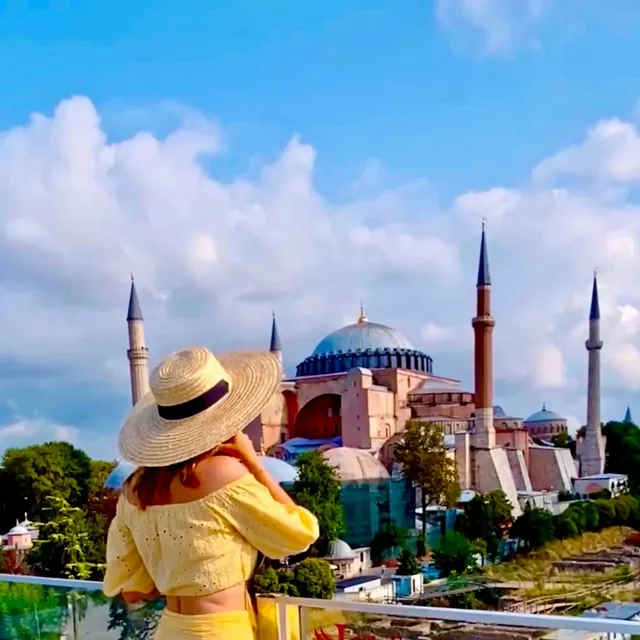
In Istanbul itself, many travelers prefer to use public transport or walk once they reach central sightseeing areas. If your plan includes major landmarks such as Hagia Sophia or Topkapi Palace, it may be more convenient to avoid driving through the busiest historic zones and return to your car later.
Renting a car in Turkey
Car rental can be confusing because companies often offer multiple insurance levels and add-ons, making comparisons difficult.
Turkey is a right-hand-drive traffic country, meaning you drive on the right side of the road.
Tourists can drive in Turkey, but the typical minimum rental age is 21.
Foreign licenses are valid for 6 months in Turkey, and some visitors may also need an International Driving Permit.
Turkey has a 0 BAC limit, so drinking and driving is not permitted.
As a general rule, urban roads are 50 km/h, double-lane roads are 90 km/h, and motorways are 120 km/h, but always follow posted signs.
Carry all your documents while driving, as police checks are common, especially on tourism routes.
Although the legal driving age is 18, rental companies generally require drivers to be at least 21.
Useful planning note
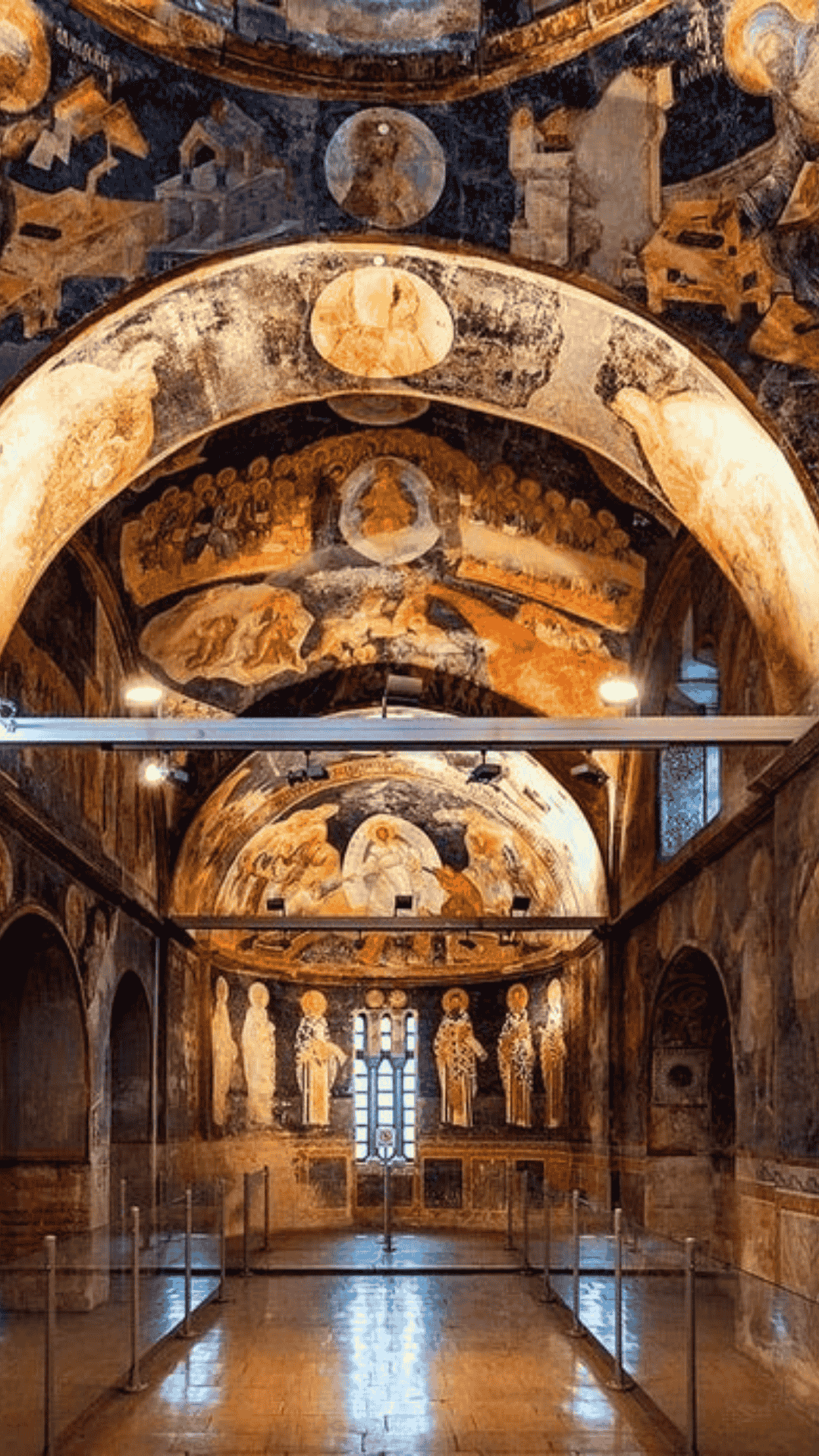
If your route includes museums, palaces, or heritage areas, confirm access and visitor information through official or trusted sources before setting out. For broad country background, GoTürkiye can also be helpful when planning a road trip.
FAQ about driving by personal vehicle in Turkey
Is driving in Istanbul a good idea for tourists?
It depends on your itinerary. Driving can be useful if you are arriving, leaving, or exploring beyond the city, but central Istanbul can be stressful because of traffic, narrow streets, and parking limits. Many travelers park and visit historic districts on foot.
Do I need HGS to drive on Turkish highways?
Yes. Turkey’s toll roads use the HGS electronic toll system. If you are renting a vehicle, the rental company should usually provide it. Make sure you use HGS lanes and slow appropriately so the toll can be recorded correctly.
Can foreigners drive in Turkey with their home license?
According to the information in this guide, foreign licenses are valid for 6 months in Turkey. Some travelers may also need an International Driving Permit, depending on their country and the rental company’s requirements, so check before your trip.
Is parking easy in Turkey?
Outside the busiest city centers, parking is often manageable. Hotels may offer parking, though space can be limited in central areas. In some otoparks, attendants may ask you to leave your keys so they can move cars around efficiently.
Are gas stations convenient on Turkish roads?
Yes. Many service stations are modern, clean, and comfortable, even on quieter highways. They often have good food and clean restrooms. Also remember that fuel attendants usually pump the gas for you rather than self-service.