The architects Agop and Sarkis Balyan designed and built the palace under the Sultan’s order. Today, it is widely regarded as one of the masterpieces of the late Ottoman era. Beylerbeyi impressed many visiting dignitaries, including French Empress Eugenie. According to the well-known account, she admired the guest room windows so much that she had them duplicated for her bedroom at the Tuileries Palace in France.

What makes Beylerbeyi Palace Museum special?
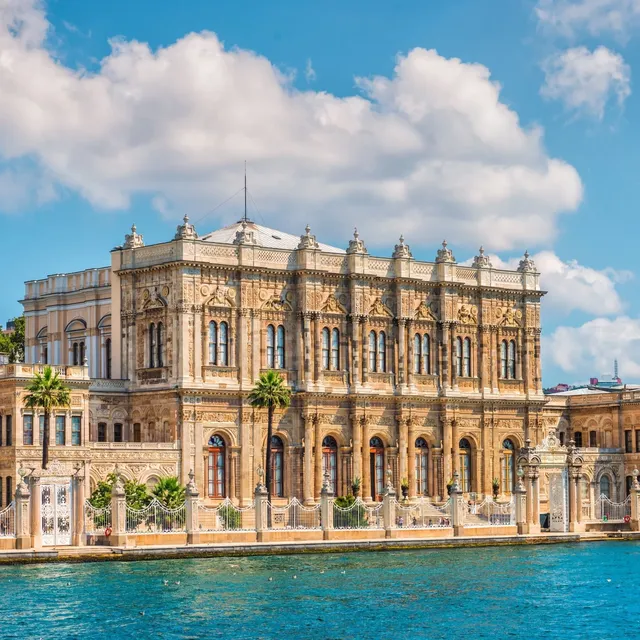
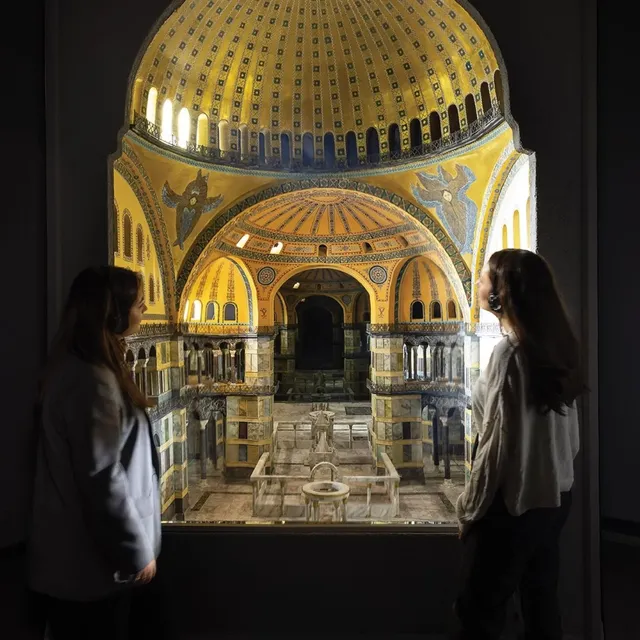
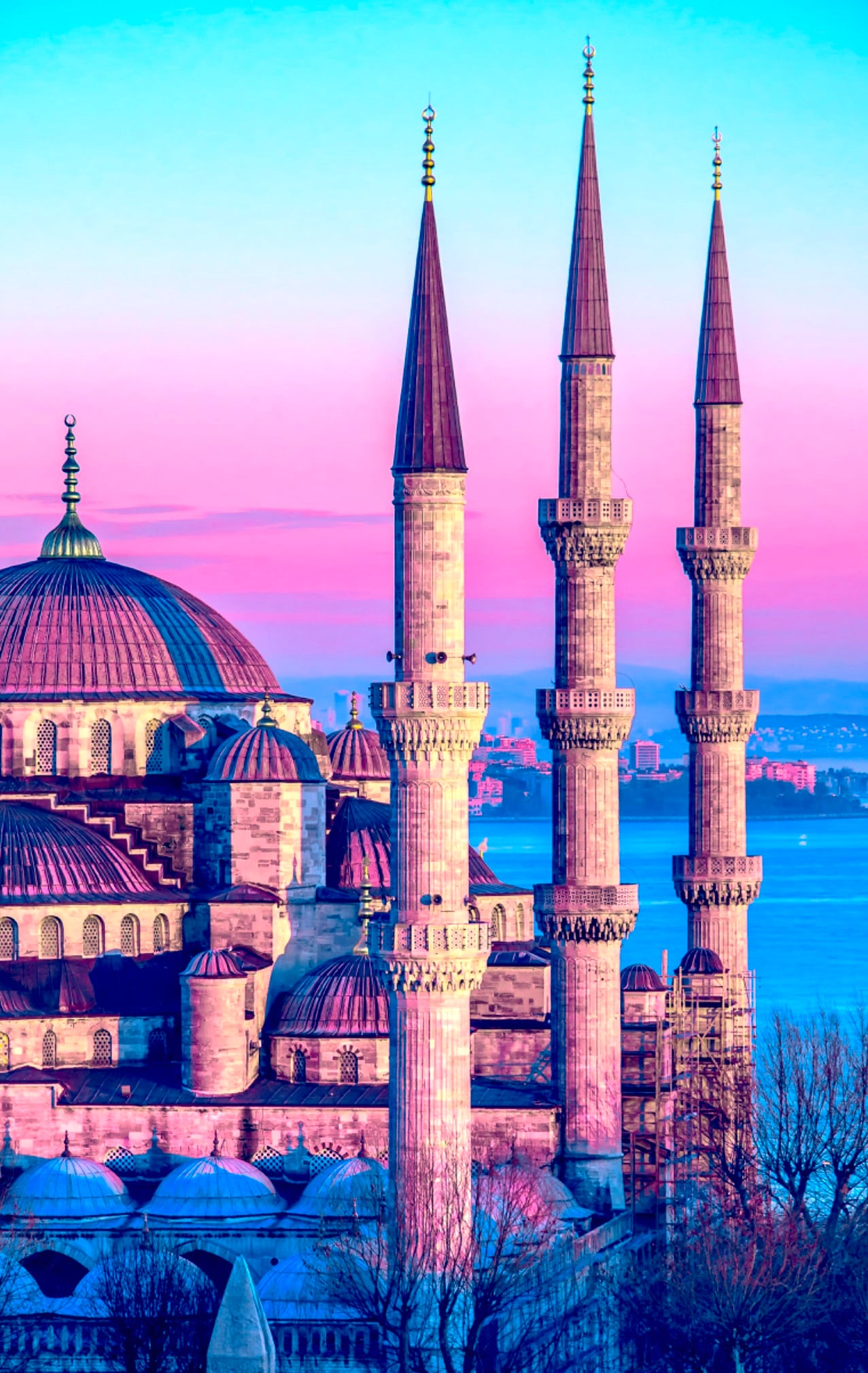
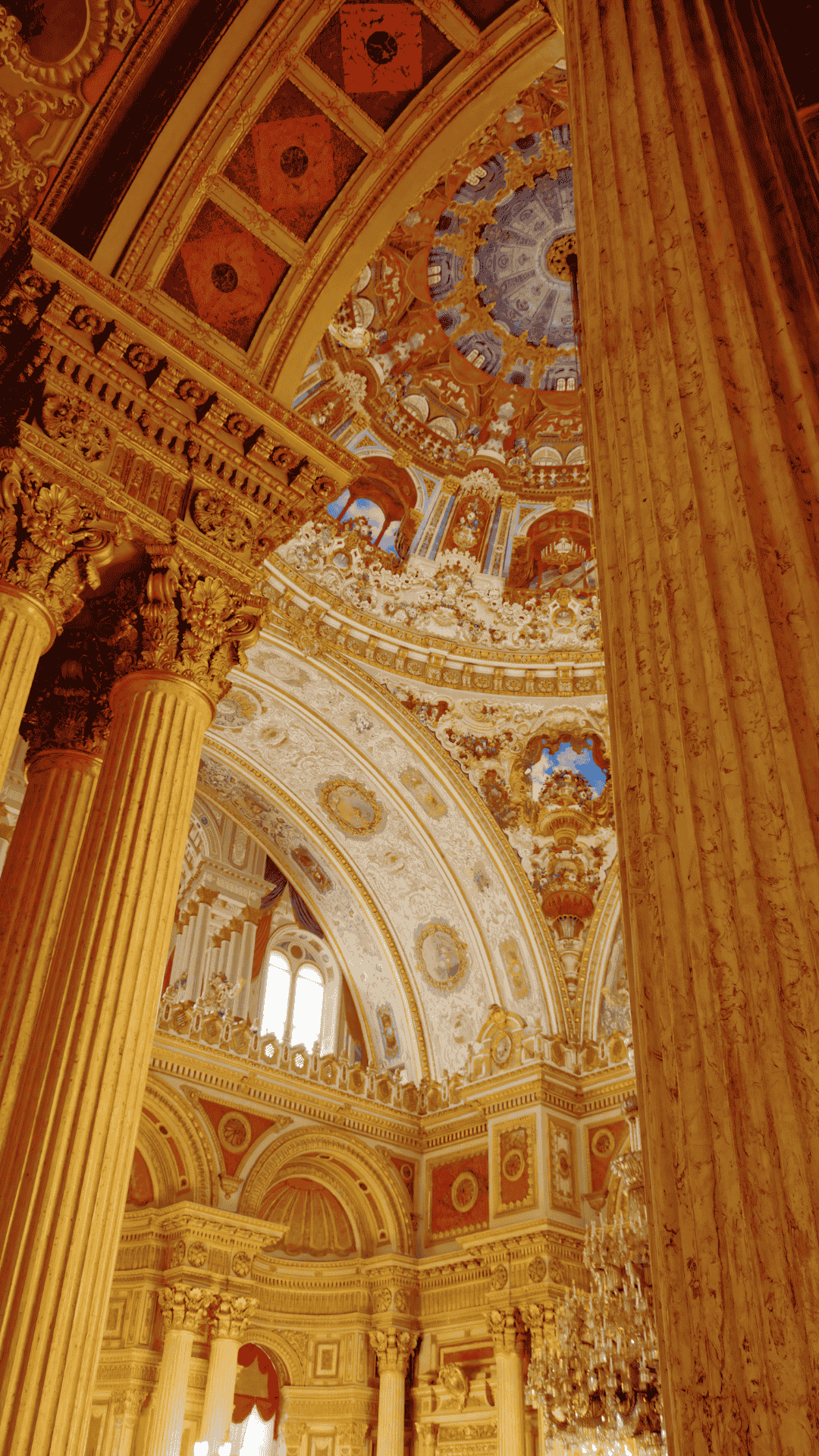
One of the palace’s most striking features is its facade and richly detailed interior decoration. Eastern and Turkish motifs are combined with ornamental elements associated with the West, creating a refined imperial style that feels both local and cosmopolitan. This blend reflects the tastes of the 19th-century Ottoman court and gives the building a distinct visual identity among Istanbul palaces.
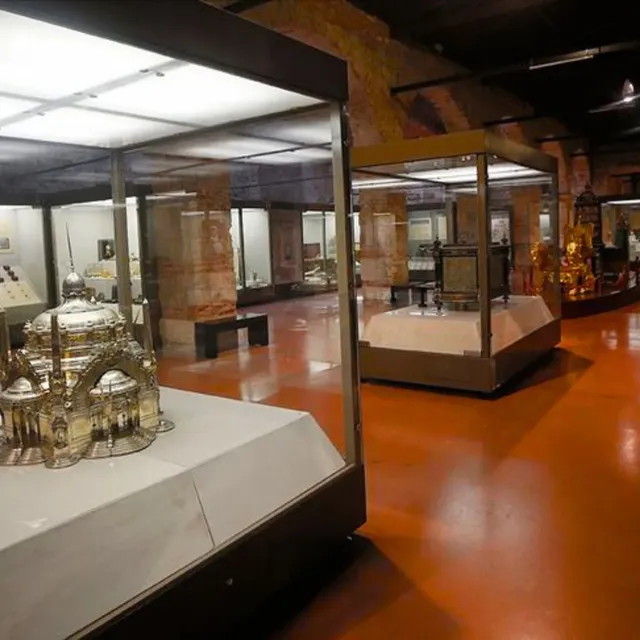
The three-story palace contains 26 rooms and six halls. Many ornate chairs, ornaments, carpets, and curtains from the palace have survived to the present day, helping visitors imagine the original atmosphere of imperial life. One of the central halls is equipped with a pool, an unusual and memorable feature that adds to the palace’s grandeur.
Architecture, interiors, and palace grounds
Beyond the main structure, the grounds behind the palace add another layer to the visit. There is a large pool, terraces, and stables, all of which reinforce the sense that Beylerbeyi was planned not only as a ceremonial residence but also as a comfortable waterfront retreat. Its Bosphorus position gives the palace an especially graceful character, similar in prestige to other Ottoman waterfront residences such as Dolmabahce Palace.
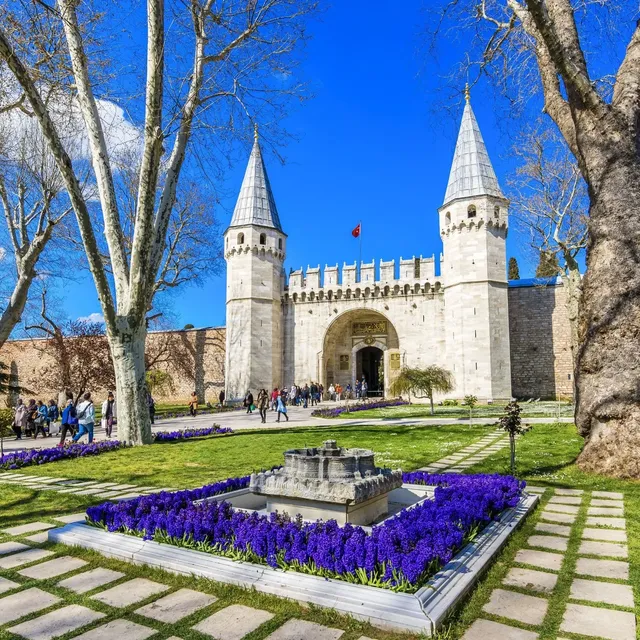
For travelers interested in imperial architecture, Beylerbeyi offers a different perspective from the older courtly world of Topkapi Palace. Where Topkapi represents the classical Ottoman palace tradition, Beylerbeyi reflects a later era shaped by changing aesthetics and stronger interaction with European decorative trends.
Location and what to combine with your visit
Because it sits on the Bosphorus, Beylerbeyi Palace Museum is easy to appreciate as part of a wider day of sightseeing on Istanbul’s waterfront. Many visitors pair it with a Bosphorus Cruise to better understand how the palace fits into the city’s shoreline landscape. The palace’s setting on the Asian side also makes it appealing for travelers who want to see a quieter but still highly prestigious face of Istanbul.
If you are planning a visit, it is wise to check the latest visitor information through official sources such as Millî Saraylar. For additional historical background, you can also consult Wikipedia’s overview of Beylerbeyi Palace.
A refined Ottoman palace on the Bosphorus
Beylerbeyi Palace Museum is valued not only for its history, but also for its elegant proportions, preserved furnishings, and memorable waterside location. From its 26 rooms and six halls to its decorated interiors, pool hall, terraces, and stables, the palace presents a vivid portrait of late Ottoman taste. For anyone interested in Istanbul’s royal heritage, it remains a rewarding museum visit on the Bosphorus.
FAQ
Where is Beylerbeyi Palace Museum located?
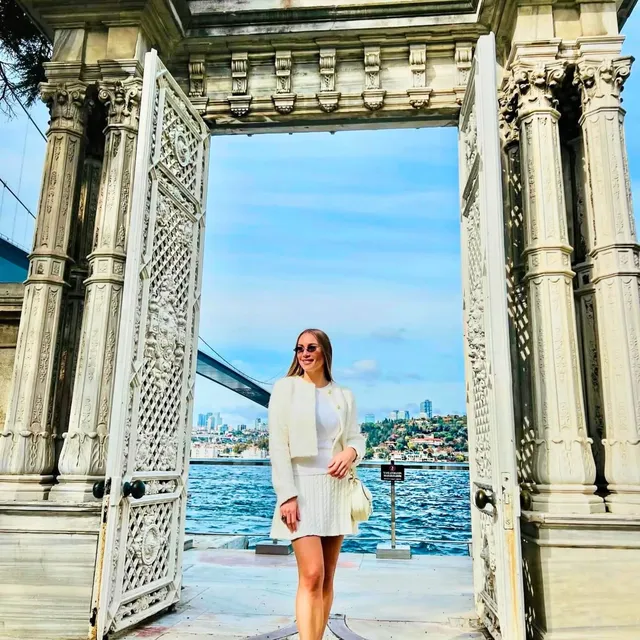
Beylerbeyi Palace Museum is in the Beylerbeyi district on Istanbul’s Asian side, just beneath the pedestal of the Bosphorus Bridge. Its waterfront setting on the Bosphorus is one of the main reasons the palace stands out among the city’s historic residences.
Who built Beylerbeyi Palace?
The palace was constructed between 1861 and 1865 under the edict of Sultan Abdülaziz. Its architects were Agop Balyan and Sarkis Balyan, members of the famous Balyan family, who were responsible for several important Ottoman imperial buildings.
How many rooms are in Beylerbeyi Palace Museum?
The three-story palace contains 26 rooms and six halls. Among its notable interior features are preserved furnishings such as chairs, carpets, curtains, ornaments, and a central hall equipped with a pool.
Why is Beylerbeyi Palace historically important?
Beylerbeyi Palace is considered one of the masterpieces of the late Ottoman period. It also hosted important foreign visitors, including French Empress Eugenie, making it significant both as an architectural landmark and as a place tied to diplomatic and courtly history.