Istanbul in the business world
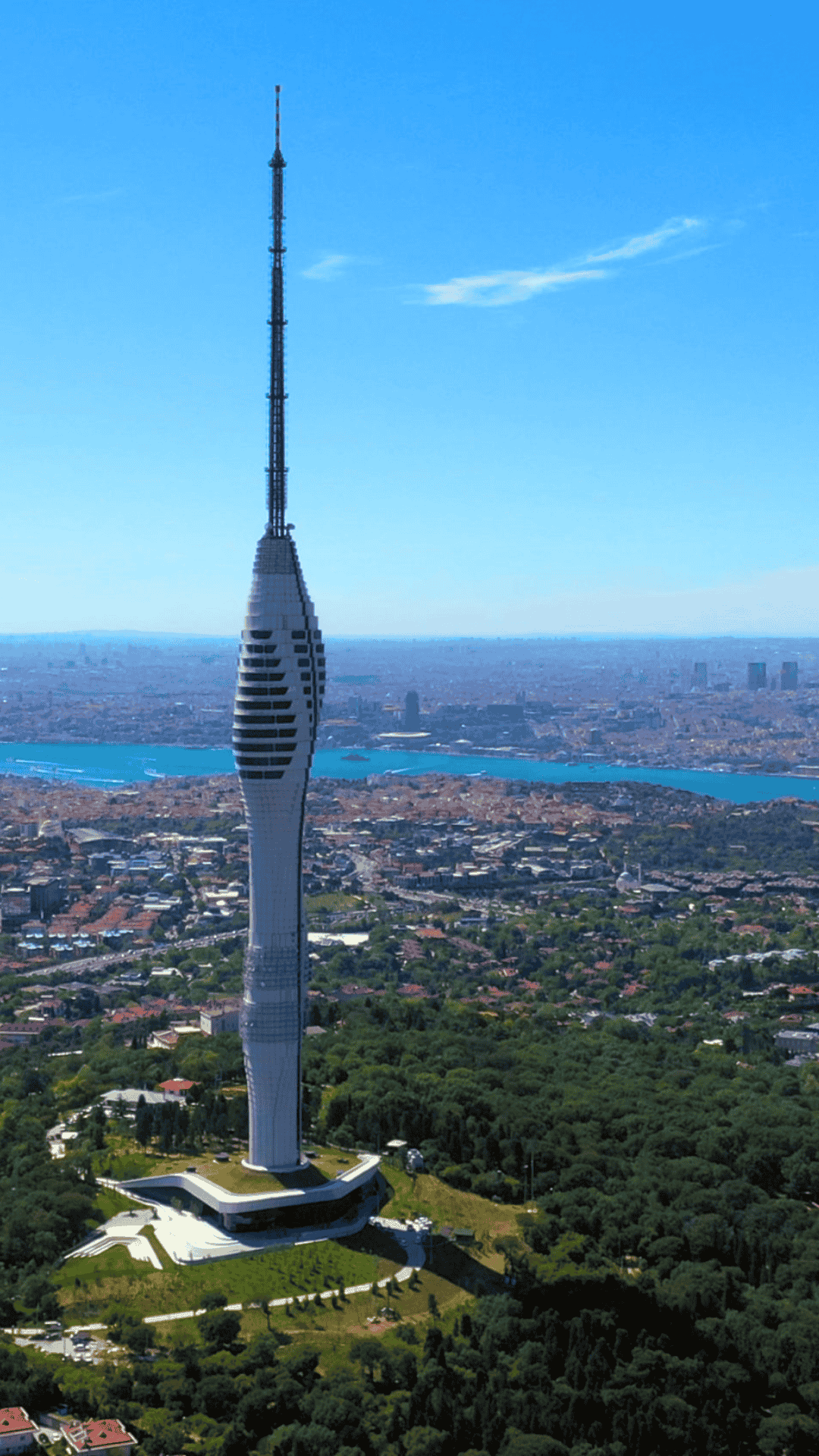
Trade, finance, culture, and tourism are mostly concentrated in the center of the city, while industrial activity spreads into outer districts such as Tuzla, Pendik, and İkitelli. The population consists of 15 million people, largely made up of young workers. Traffic is extremely dense, with 4 million vehicles transiting through the city, and roads are generally crowded between 9.00 a.m. and 6.00 p.m. because of rush hours. In this urban structure, Maslak, Etiler, and Levent stand out as symbols of the city’s future vision.
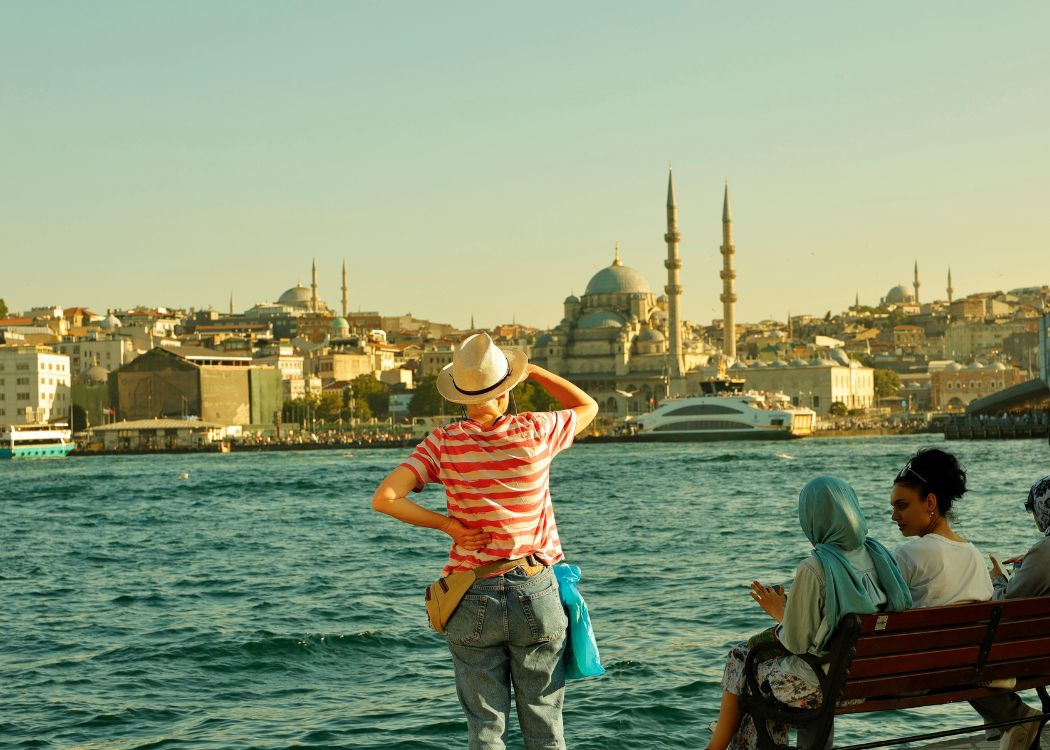
These districts represent a more modern and corporate face of Istanbul, quite different from the historic atmosphere around Taksim Square or the waterfront views enjoyed on a Bosphorus Cruise. In Maslak, Etiler, and Levent, huge business centers belonging to holdings, headquarters of international companies, banks, and skyscrapers define the skyline and the rhythm of daily life.
Key business districts: Maslak, Etiler and Levent
Maslak, Etiler, and Levent can be described as the most visible expressions of Istanbul’s contemporary business life. Large office towers, corporate headquarters, and international firms are concentrated in these neighborhoods. They are also surrounded by luxurious restaurants and shopping malls, where young professionals both work and spend their social time.
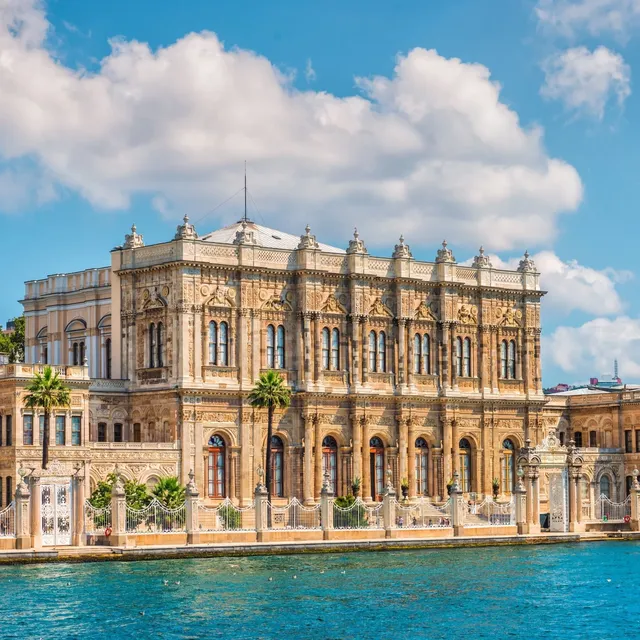
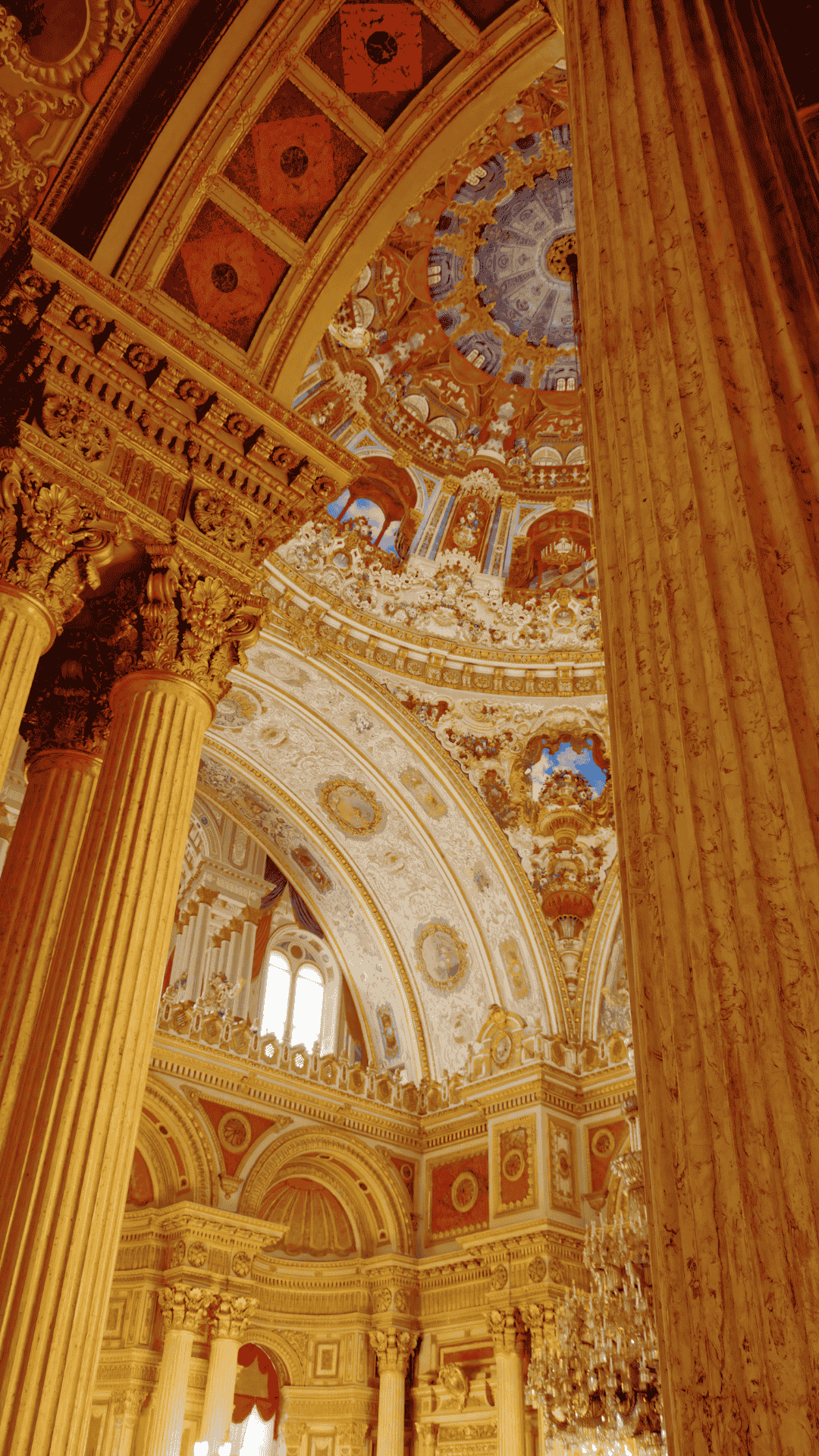
Because of this concentration, it is common to meet businesspeople from all over the world in these parts of the city. Restaurant chains representing different world cuisines are also widespread here, reflecting Istanbul’s international commercial connections. For visitors who want to understand the city beyond its monuments such as Dolmabahce Palace, these districts offer a direct view into its current economic energy.
Shopping malls and modern business life
Major shopping and mixed-use complexes are an important part of this landscape. Akmerkez in Etiler, Metrocity and Kanyon in Levent, and Cevahir in Şişli are counted among the grand shopping malls of Europe. These places do not only function as retail centers; they also reflect the lifestyle and pace of the modern urban workforce.
In areas such as Maslak, Etiler, Levent, and Nişantaşı, the forms of contemporary business life are especially visible. Office life, shopping, dining, and daily commuting all merge in these neighborhoods. The result is a city experience shaped as much by commerce and professional life as by tourism and culture.
Economic scale and workforce
The working population of Istanbul is approximately four million. According to the text’s figures, 25% of the motorized vehicles in Turkey carry the Istanbul license tag. It also states that 35% of the total financial deposits in Turkey are in Istanbul, while the city’s annual contribution to the government budget is approximately 40%.
In addition, 43% of the country’s total export and import activity is performed here, 38% of Turkey’s industrial institutions are located in Istanbul, and the city holds 55% of commercial capacity. Together, these figures explain why Istanbul is so often described as the country’s main center of business, finance, and production.
Why Istanbul remains a commercial hub
Istanbul’s importance comes from the way it combines finance, trade, tourism, culture, and industry in one vast metropolitan area. Historic landmarks and cultural attractions remain essential to the city’s identity, but its commercial power is equally significant. That dual character is one of the reasons Istanbul continues to attract both global companies and a young workforce.
For broader background on Istanbul’s economy and urban development, readers can consult Wikipedia’s overview of Istanbul. Public transportation options that connect business districts across the city can also be checked on the official Metro Istanbul website.
FAQ
Why is Istanbul considered the center of Turkey’s business life?
Istanbul is described as the country’s economic locomotive because company headquarters, financial institutions, and major trade activity are concentrated there. The city also hosts a large share of Turkey’s exports, imports, industrial institutions, and commercial capacity.
Which districts are most associated with modern business life in Istanbul?
Maslak, Etiler, and Levent are the districts most strongly associated with Istanbul’s modern business identity. They are known for skyscrapers, banks, corporate headquarters, business centers, luxury restaurants, and large shopping malls used by professionals.
Where is industrial activity located in Istanbul?
While trade, finance, culture, and tourism are largely centered in the city core, industrial activity is mainly located in outer districts and suburbs such as Tuzla, Pendik, and İkitelli. This creates a different urban pattern between the center and periphery.
How significant is traffic in Istanbul’s business districts?
Traffic is described as very dense, with 4 million vehicles transiting through the city. Streets are especially crowded from 9.00 a.m. to 6.00 p.m., reflecting the daily movement of the city’s large working population and business activity.