
Unlike Istanbul’s largest landmark attractions, this museum is best approached as a thoughtful visit rather than a rushed checklist stop. The building itself is part of the appeal, and the collections help tell a broader story about ceramic art, courtly taste, and the long artistic traditions that shaped the city. Before you go, it is wise to check official sources for the latest visitor information, as opening arrangements and ticketing policies can change.
Tiled Kiosk Museum: why it stands out
The first reason people remember the museum is simple: the setting feels special. The structure is an attraction in its own right, and the tiled decoration immediately signals that this is not just a container for objects but part of the story itself. For visitors who have already seen major imperial landmarks, the museum offers a different lens on Istanbul, one centered on surface, craftsmanship, and the visual language of ceramics.
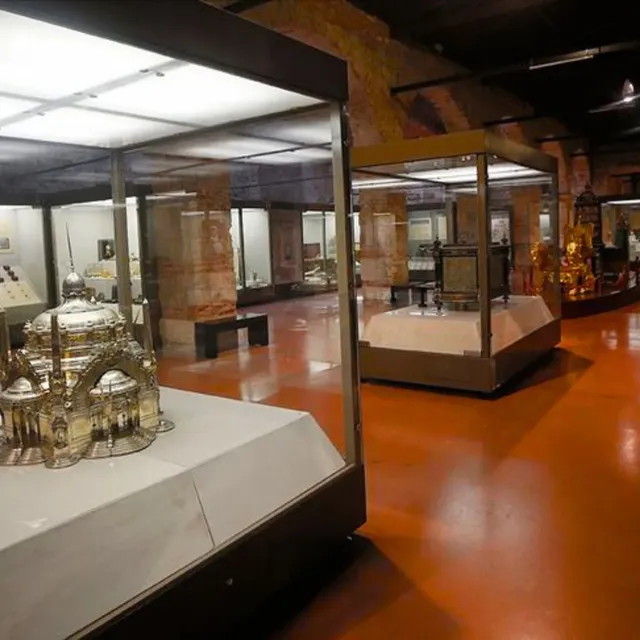
Inside, the focus is on historic tile and ceramic works that help connect Istanbul to wider artistic traditions across Anatolia and beyond. Rather than overwhelming you with scale, the museum invites slow looking. It is especially appealing to travelers who enjoy noticing patterns, glazes, inscriptions, floral motifs, and the small differences between styles from one period to another.
A short historical backdrop
The Tiled Kiosk Museum is closely linked to the historic heart of old Istanbul, where layers of Byzantine and Ottoman history sit side by side. In this part of the city, grand political and religious monuments often dominate the conversation, but artistic production was just as important to imperial culture. Ceramics and tiles were not minor decorative extras; they were central to how prestige, refinement, and spiritual atmosphere were expressed.
That context matters when you visit the museum. The objects on display are easier to appreciate once you have spent time in nearby sites where tilework and surface decoration shape the overall experience of a building. If you are already exploring Topkapi Palace or walking around Sultanahmet Square, the museum fits naturally into the same day.
For a broader overview of the complex and the institution it belongs to, check official museum sources before your visit. General background can also be found on trusted reference pages such as Wikipedia.
What to see inside the Tiled Kiosk Museum
The best way to enjoy the museum is to pay attention to both the building and the collection. Many visitors move too quickly to the display cases and forget to look up, step back, and notice how the space frames the artworks. The museum works best when you treat the architecture as the opening exhibit.
Ceramic artistry and tile design
Expect to spend time with objects that highlight the technical and artistic sophistication of ceramic production. You may notice shifts in color palette, changes in motif, and different approaches to geometry and floral ornament. Even if you are not a specialist, the appeal is immediate: these works are precise, vivid, and often surprisingly modern in their sense of rhythm and balance.
The building as an exhibit
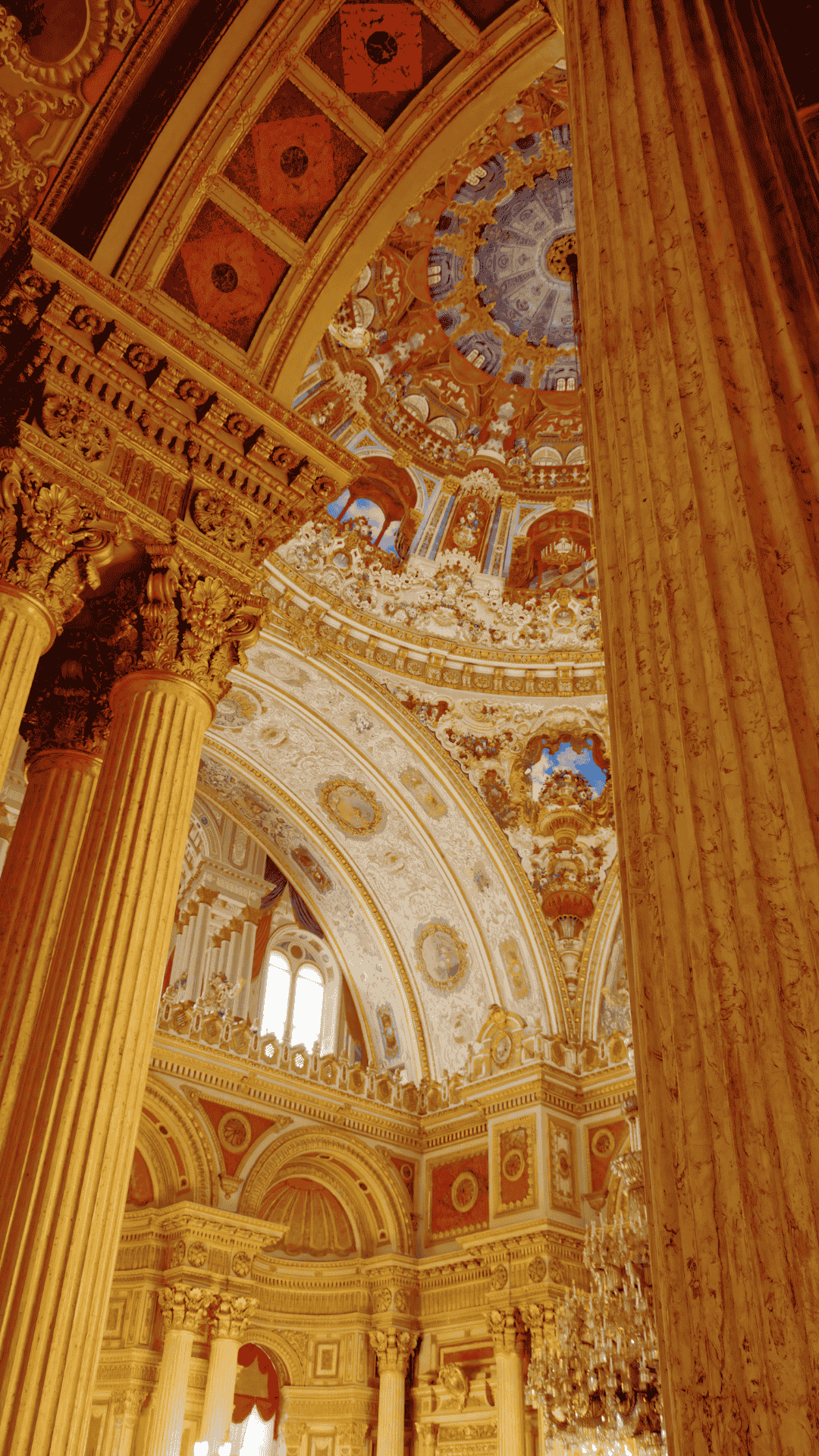
The kiosk itself helps explain why the museum is memorable. Its decorative identity sets the tone before you examine a single artifact. If you enjoy historic interiors, facades, or the relationship between art and architecture, this is where the museum becomes especially rewarding. It is not just about isolated masterpieces; it is about seeing how decoration creates atmosphere.
A calmer museum experience
Another advantage is pace. In a district where some attractions can feel intensely busy, the Tiled Kiosk Museum often suits travelers looking for a more reflective stop. It is ideal for those who want a cultural visit without the emotional and physical intensity of a major queue-heavy monument. That makes it a smart addition to a full Sultanahmet day.
How to fit it into your Istanbul itinerary
The museum makes the most sense when paired with nearby attractions in the historic peninsula. Because it is in the orbit of Istanbul’s major heritage sites, you can combine it with a large flagship attraction and then use the museum as a quieter counterpoint. That balance often creates a more satisfying day than trying to stack only the biggest names back to back.
A good approach is to visit a major site in the early part of the day, pause for lunch, and then spend a slower hour at the museum when your energy for crowds is fading. If your interests lean toward material culture and decorative detail, you could also pair it with the Istanbul Archaeology Museums for a more museum-focused route. Nearby landmarks such as Hagia Sophia also help give useful context to the visual culture of the old city.
Travelers staying outside the old city will usually find the area straightforward to reach by public transport and then on foot, but routes can change, so check official city transport tools before setting out. Trusted trip-planning help is available through Metro Istanbul.
Who will enjoy the Tiled Kiosk Museum most?
This museum is a particularly good match for travelers who like:
- Decorative arts rather than only monumental architecture
- Shorter cultural visits that still feel meaningful
- Less crowded stops within the Sultanahmet area
- Art history context for the ceramics and tiles seen across Istanbul
- Thoughtful pacing in a day otherwise filled with major landmarks
If your priority is only ticking off the city’s most famous postcard sights, this may not be your first stop. But if you want nuance, beauty, and a stronger understanding of Istanbul’s artistic heritage, it can become one of the most memorable museums on your trip.
Practical visiting tips
Because no visit information should be treated as permanent, always confirm the latest details on the official site before you go. Museum access rules, combined tickets, temporary closures, and exhibition arrangements can all change.
- Go with context: the museum is richer if you have already seen at least one major imperial or religious site nearby.
- Do not rush: this is a place for looking closely, not racing through rooms.
- Pair it smartly: combine it with one or two nearby highlights rather than overloading your day.
- Check access details: verify current entry procedures and any restoration-related updates on official sources.
- Bring curiosity for detail: even non-specialists tend to enjoy the colors, symmetry, and craftsmanship.
Final thoughts
The Tiled Kiosk Museum is not the loudest attraction in Istanbul, and that is precisely its charm. It offers a more focused encounter with the city’s artistic legacy, one that complements the grandeur of nearby palaces, mosques, and public squares. For travelers who appreciate beauty in detail, it can be a highlight that deepens everything else they see in the historic center.
If you are planning a culture-rich day around Sultanahmet, keep the museum on your shortlist alongside the district’s larger landmarks. And before heading out, check official sources for the latest visitor information and ticket arrangements through the wider museum network linked to the site.