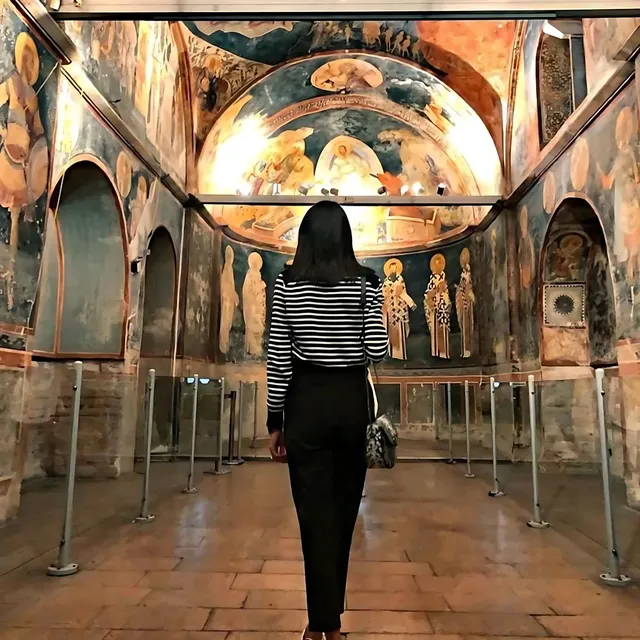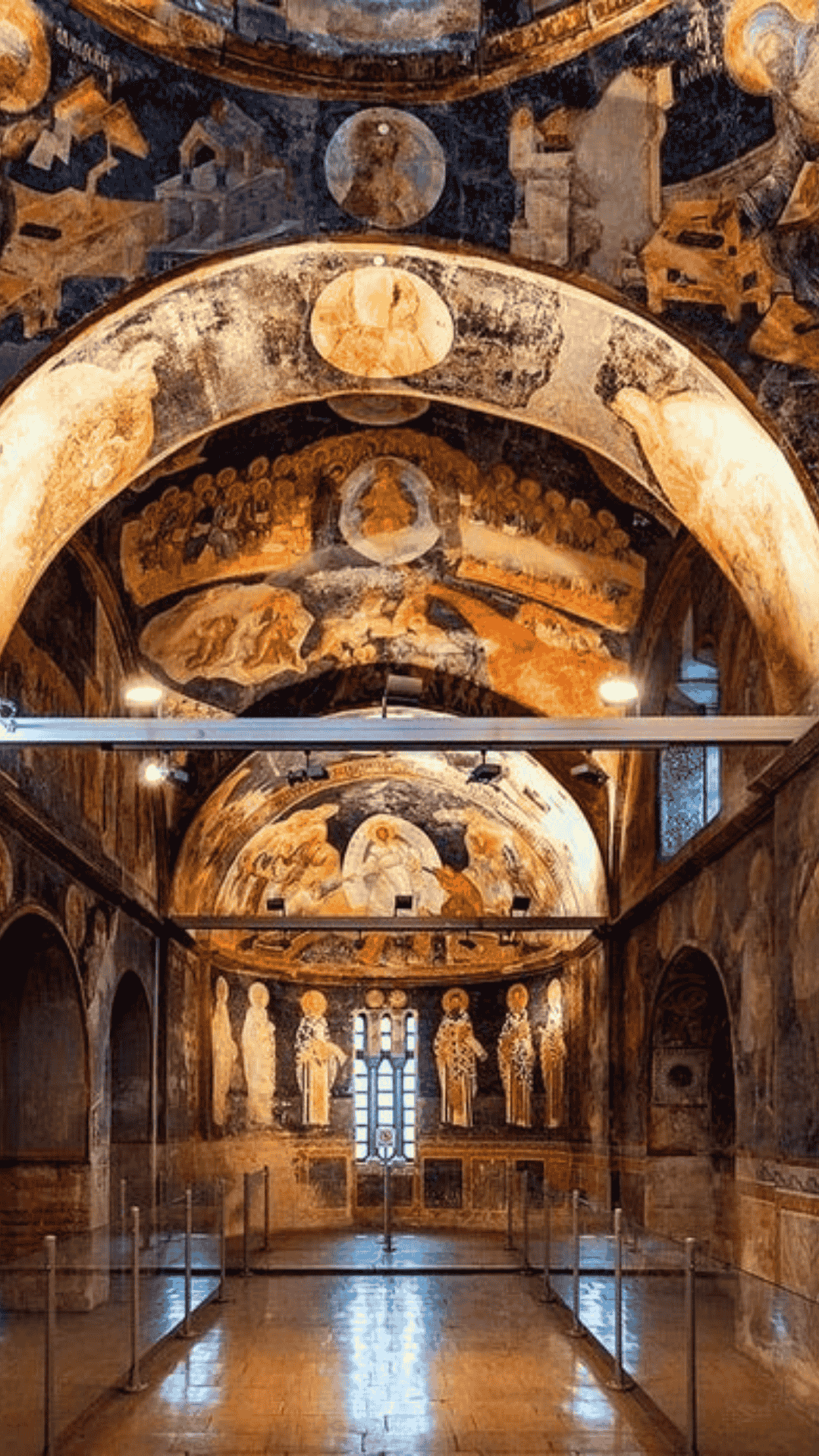

The interior is adorned with intricate mosaics and frescoes depicting biblical scenes, saints, and the Virgin Mary. These masterpieces, dating to the 14th century, are known for their vibrant colors, exquisite detail, and emotional depth. Visitors can admire iconic figures such as Christ Pantocrator, the Virgin Mary, and various saints, along with geometric patterns and floral motifs that enrich the walls and ceilings.
The museum's collection also includes other artifacts, such as marble sculptures, ceramic tiles, and architectural fragments. Together, these objects provide additional insight into the history and culture of the Byzantine period. Its serene atmosphere and remarkable artwork make it a rewarding stop for art lovers and history enthusiasts alike.
History of Istanbul Chora Museum
It is not entirely clear exactly how old Chora Church is, but records show it was first built in the 5th century, which means the church is almost 1600 years old. After the original church was destroyed by an earthquake, it had to wait for seven centuries to be rebuilt by a Byzantine emperor. The name Chora is connected to a Greek word meaning the countryside. At the time of its first construction, Chora Church stood outside the city walls. As the walls expanded, the monastery area remained within the city, and the importance of its reconstruction increased, though its name stayed the same. Today, this part of Edirnekapı is commonly called Kariye, a Turkish adaptation of the original name.
After the conquest of Istanbul by the Turks in 1453, Chora Church was transformed into Kariye Mosque with the addition of a mihrab and a minaret. Importantly, the frescoes were covered rather than destroyed, which helped them survive. After the Second World War, a restoration plan was carried out, and the Chora frescoes and mosaics were uncovered again, reviving the site as Kariye Museum.
Istanbul Chora Museum mosaics and frescoes
The significance of Chora Church is closely tied to its extraordinary decoration. The structure was rebuilt by Aleksios Comnenus in the 11th century and restored in the 12th century, when many mosaics reflecting Biblical stories were added. The sponsor of this work, Comnenus, was also depicted in one of the mosaics in the company of the Virgin Mary. In architectural terms, Chora Church is a characteristic example of an Orthodox church in the Byzantine style.
Most of the frescoes were decorated by the imperial artist Theodore Metochites in the 14th century. These outstanding frescoes illustrate the Old and New Testaments as well as episodes from the life of Jesus Christ. The Anastasis, located in the right chapel, is the most remarkable among them. Anastasis means “resurrection” in Koine Greek, and this fresco is widely admired as a powerful masterpiece depicting Christ's resurrection.
Chora Church in Istanbul is sometimes compared to Church Chora Folegandros in Italy, which also depicts the Dormition of the Virgin Mary in its mosaics. Yet the Istanbul example is smaller in size while its frescoes and mosaics often appear more immediate and vivid. Sunlight entering through the windows helps bring the colors and details closer to the eye.
Visitor's guide to Istanbul Chora Museum
If you are planning a visit, you can buy online tickets for Chora Museum on Istanbul.com and receive a specially curated audio guide with your ticket. The published hours in this text state that Chora Church Istanbul's hours allow visitors to enjoy the site from 09:00 to 16:30 in winter, extending to 18:00 in summer, but it is best to check the official site before visiting in case details have changed.
The area also pairs well with other historic sights in the city. Many travelers combine a visit here with Hagia Sophia or continue exploring neighborhoods around the Golden Horn for a broader sense of Istanbul's Byzantine and Ottoman layers. If you want background on the monument's history and changing status, you can also consult Wikipedia or browse Türkiye's official tourism resources at GoTürkiye.
For visitors with a special interest in Byzantine art, Chora Church remains one of the most rewarding places in Istanbul. Its mosaics, frescoes, and layered architectural story create an experience that feels both intimate and monumental, offering a rare connection to the city's deep spiritual and artistic past.
Frequently asked questions
What is Istanbul Chora Museum known for?
Istanbul Chora Museum is best known for its exceptional Byzantine mosaics and frescoes. These works depict biblical scenes, saints, and major Christian themes, and they are considered among the finest surviving examples of late Byzantine art in Istanbul.
Where is Chora Museum located in Istanbul?
Chora Museum is located in the Edirnekapı district of Istanbul. The area lies away from the busiest parts of Sultanahmet, which gives the monument a quieter atmosphere while still keeping it within reach of other historic parts of the city.
How old is Chora Church?
Records indicate that Chora Church was first built in the 5th century, making it almost 1600 years old. Although the structure was later damaged and rebuilt, its origins go back to the early Byzantine period.
Why is the Anastasis fresco important?
The Anastasis fresco is considered the most remarkable fresco in the church. Located in the right chapel, it represents the resurrection of Christ and stands out for both its religious meaning and its artistic power within the wider decorative program.
Should I check current visiting information before going?
Yes. While this text includes the visiting hours provided in the original source, schedules and access conditions can change. It is always wise to confirm the latest details on an official source before planning your visit.