
Dolmabahce Palace
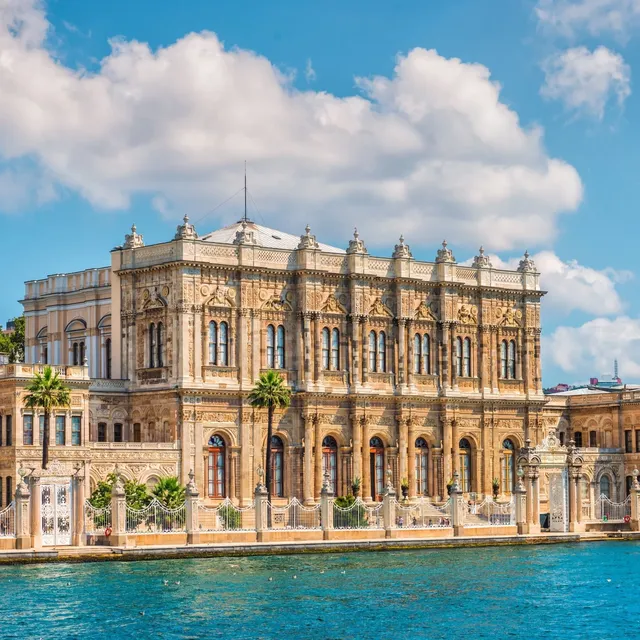
Dolmabahce Palace is one of the most important historical monuments in Istanbul. Reflecting palace life in the final period of the Ottoman Empire, it is also known as the building where Mustafa Kemal Ataturk, the founder of the Turkish Republic, passed away in 1938. Located close to popular areas such as Taksim Square, Besiktas, and Kabatas, the palace offers a culturally rich visit in one of the city’s most accessible waterfront locations.
Dolmabahce Palace Location and History
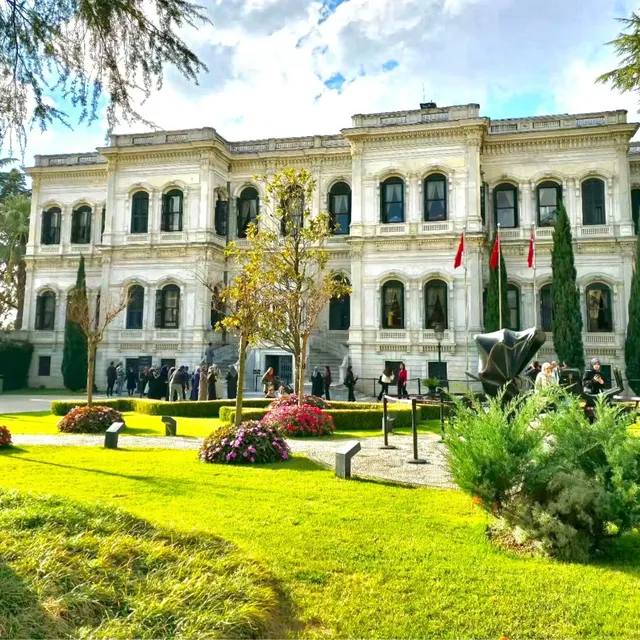
Dolmabahce Palace architecture spreads across a wide area of 250 thousand square meters. The palace was built between 1843 and 1856 on the order of Sultan Abdulmecid, the 31st ruler of the Ottoman Empire, and it bears the signatures of Garabet Balyan and his son Nikogos, among the most prominent architects of the time. When you step inside, you encounter a striking interpretation of the traditional Turkish House plan, presented on a monumental scale.
The palace also reflects the Ottoman understanding of pleasure, ceremony, and entertainment. Its garden is one of the highlights of the complex. In a setting once associated with the fatigue of war, visitors today can stroll through the grounds and watch the Bosphorus. For travelers who want a more structured experience, a guided tour can be a practical way to understand the palace in greater depth.
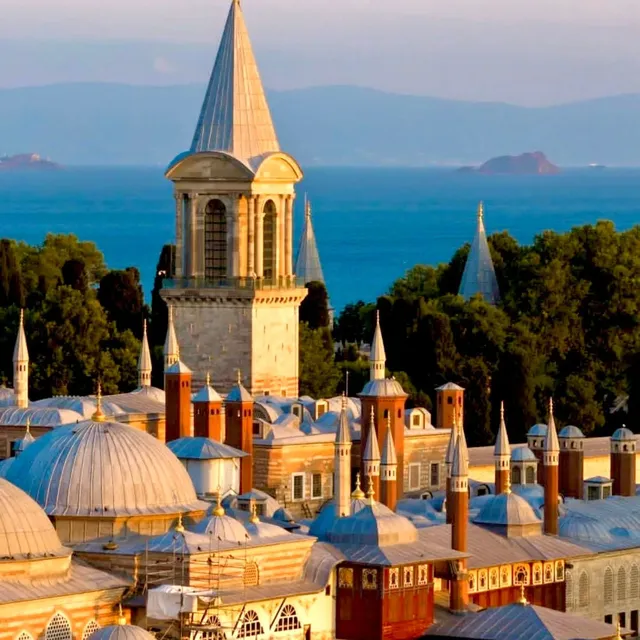
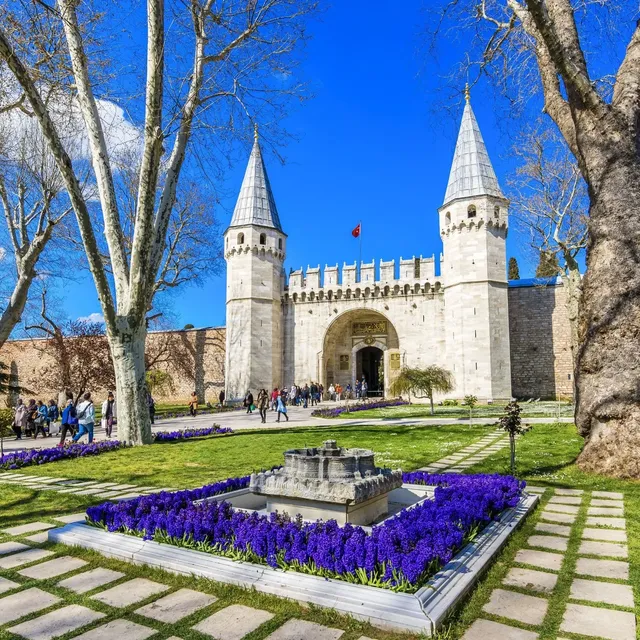
Dolmabahce Palace is often compared with Topkapi Palace, yet the two represent different periods and styles of Ottoman rule. While Topkapi reflects an earlier imperial tradition, Dolmabahce presents a later and more ornate vision of palace life.
What to See in Dolmabahce Palace
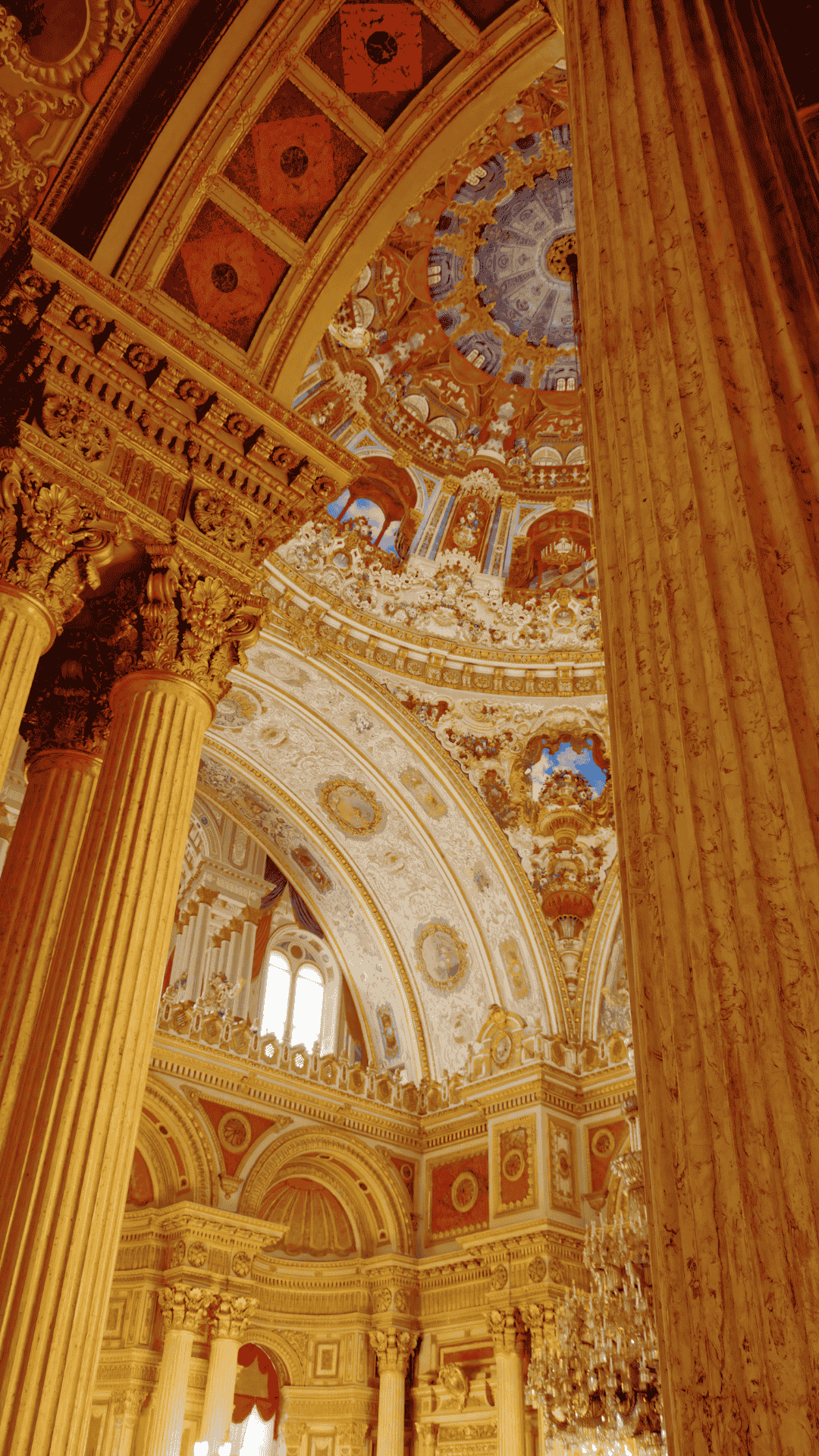
Dolmabahce Palace is known for its splendor, and one of its most remarkable claims is the world’s largest palace ballroom. As you move through its rooms on a guided visit, you can observe the furniture, curtains, carpets, and paintings that shape the building’s impressive atmosphere. The main building of Dolmabahce Palace consists of three parts: Selamlik (Mabeyn-i Humayun), Ceremony Hall (Muayede Hall), and Harem-i Humayun. Each part represents a distinct living and ceremonial space.
The section known as Mabeyn, where state affairs were handled, is one of the most magnificent areas of the palace. At the entrance is the Medhal Salon, followed by the Dolmabahce Palace Crystal Staircase, which leads to the upper floor. The Sufera Hall, where ambassadors were entertained, and the Red Room, where the sultan received visitors, are among the must-see parts of this section. On the upper floor, the Zulvecheyn Hall connects to the sultan’s private room.
The most curious section of the palace is often the Harem, a space familiar to many visitors through films and television series. Dolmabahce Palace Harem, used by 6 sultans and 1 Ottoman Caliph from 1856 until the abolition of the institution in 1924, was arranged as part of the main building rather than as a separate complex.
The Pink Hall, also known in Ottoman times as Valide Sultan Divanhanesi and Balcony Sofa, stands out for its rich interior decoration. Used by the Valide Sultan and the sultans for invitations, this hall is decorated with full-size Hereke carpets and portraits of women painted by European artists.
Between the Selamlik and the Harem is the Hall of Salam, notable for its area of over 2,000 square meters and its 36-meter-high dome. The chandelier brought from England at the center of the hall is especially worth seeing.
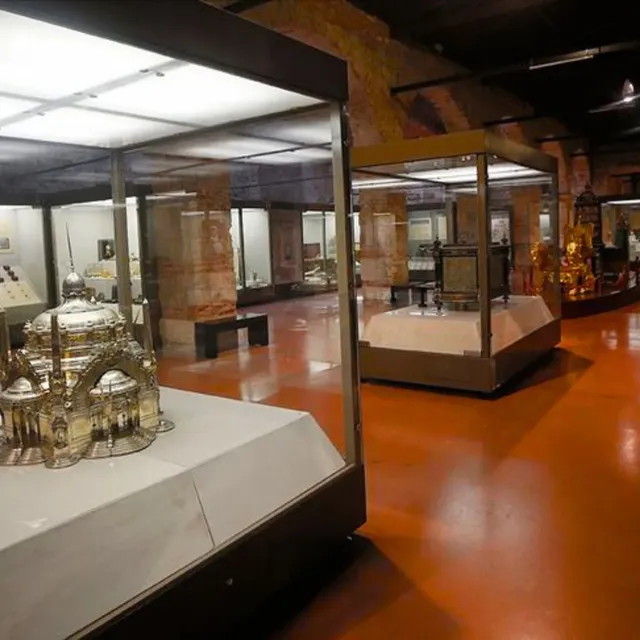
Other areas that draw attention during a Dolmabahce Palace tour include the Kugulu Pool in the garden and the halls where libraries and collections are displayed. During your visit, you may also see collections of watches, lighting tools, calligraphy, and writing sets containing valuable pieces.
Among the 285 rooms and 43 halls of the palace, one of the most moving places is the bedroom of Mustafa Kemal Ataturk. This room, where he passed away on November 10, 1938, has been preserved as though time stopped there.
How to Visit Dolmabahce Palace
You can reach the palace on the waterfront by ferry, bus, or tram. One practical option is to come by Bosphorus Cruise to Kabatas or Besiktas piers and continue on foot. You can also get there by bus or tram and then take a short walk from Kabatas. If you plan to drive, there are many parking lots in the area. IETT is useful for checking current public transportation routes and stops.
Taksim Square is about a 20-minute walk away. Another option is to take the 25T Sariyer-Taksim, 559C Rumelihisarustu-Taksim, 110 Kadikoy-Taksim, 112 Bostanci-Taksim, or DT2 Ortakoy-Taksim buses and get off at the Inonu Stadium stop. For travelers coming from the Anatolian Side, reaching Besiktas or Kabatas by motor or ferry and walking from there can be faster.
Dolmabahce Palace Entrance Fee and Opening Hours
For those who want to visit Dolmabahce Palace Selamlik, the full price is 650 TL and the discounted price is 50 TL. If you want a National Palaces Full Pass covering Dolmabahce Palace plus palace kiosks and pavilions on the Asian and European sides, except Topkapi Palace and the Kucuksu Pavilion picnic area, the ticket price for foreign visitors is 650 TL.
For disabled people, entrance is free of charge. At the same time, according to the law, there are no fees for people accompanying disabled visitors.
Dolmabahce Palace opening hours are 09.00-18.00 every day except Monday. The last visit time may be brought forward depending on visitor intensity. Photo or camera images are not allowed during the visit. As fees and visiting procedures may change, it is best to confirm current details on the official National Palaces website.
If you want to visit with a guide and understand more of Dolmabahce Palace Istanbul history during your trip, booking in advance can make the experience smoother. Some visitors also combine the palace with nearby landmarks or a Bosphorus outing for a fuller day in the city.
Dolmabahce Palace Tickets Online
If you want to visit Dolmabahce with professional guides and gain a better understanding of the palace while touring, booking online can be a convenient option. Many travelers also combine their visit with nearby attractions or a cruise route along the Bosphorus. If you are planning a wider historical itinerary, pairing Dolmabahce with places such as Hagia Sophia can create a strong overview of Istanbul’s imperial heritage.
FAQ About Dolmabahce Palace
Is Dolmabahce Palace worth visiting?
Yes. Dolmabahce Palace is one of Istanbul’s most important monuments, especially for visitors interested in the late Ottoman period, grand interiors, and the site where Mustafa Kemal Ataturk passed away in 1938.
What are the main sections inside Dolmabahce Palace?
The main building consists of Selamlik, the Ceremony Hall, and Harem-i Humayun. These sections reflect different functions of palace life, including state affairs, official ceremonies, and the private imperial household.
How do I get to Dolmabahce Palace?
You can reach the palace from Kabatas or Besiktas by ferry, bus, tram, or on foot. It is also within walking distance of Taksim Square, making it easy to include in a central Istanbul itinerary.
Can I take photos inside Dolmabahce Palace?
According to the provided visitor information, photo or camera images are not allowed during the visit. Since rules may change over time, it is a good idea to confirm the latest policies before you go.