Since 2005, the Dogançay Museum, in cooperation with the Greater Istanbul Municipality and corporate sponsors, has organized and presented a juried elementary school art competition. Each year, an average of 7,000 students between the ages of eight and fourteen, from 1,500 schools, submit applications for this event. First-place prizes have included a four-day trip to Paris in 2006 and a one-week trip to London in 2007. The museum remains committed to continuing this annual competition, whose goal is to promote education through art.
What to See at Dogancay Museum
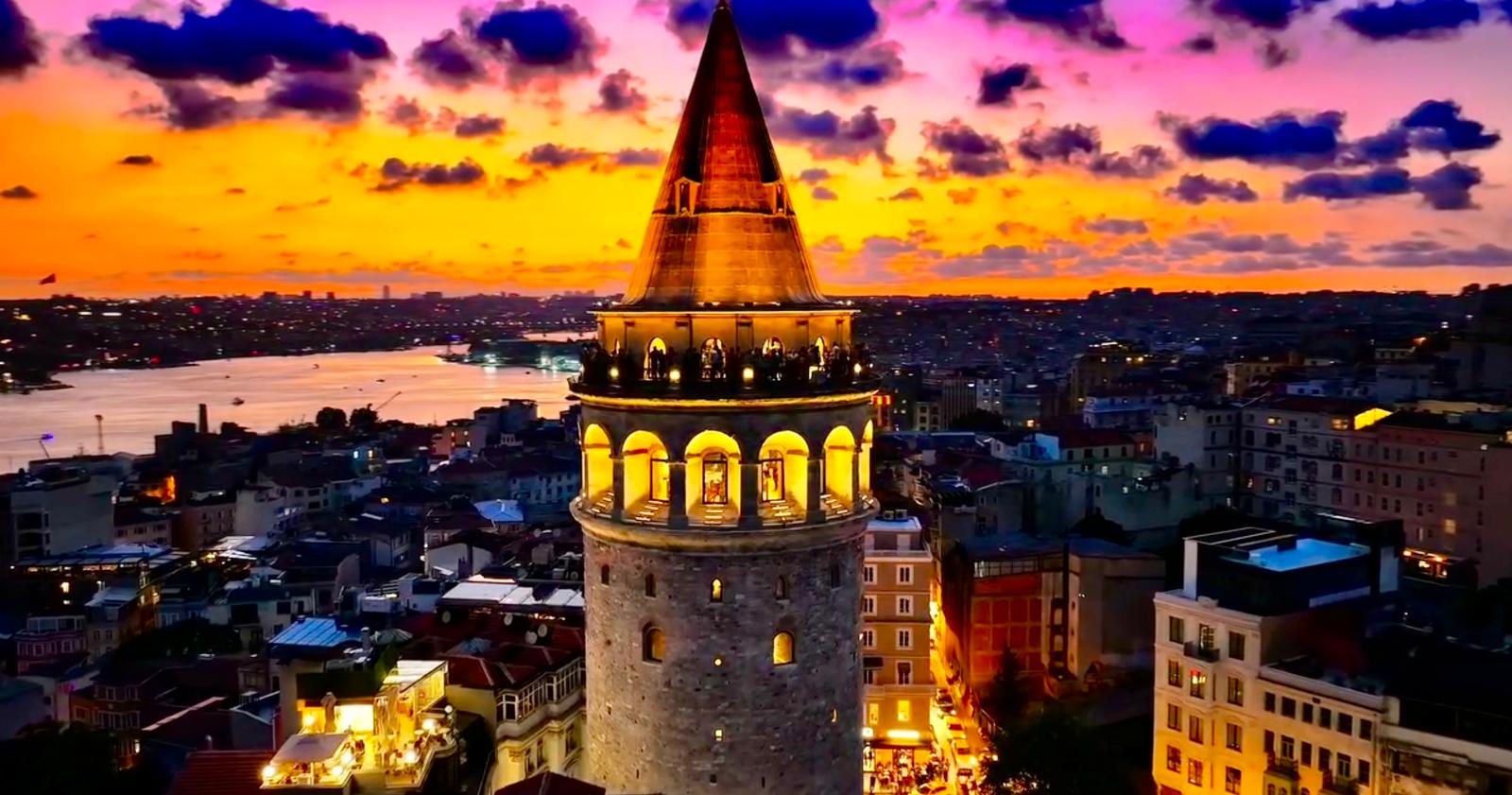
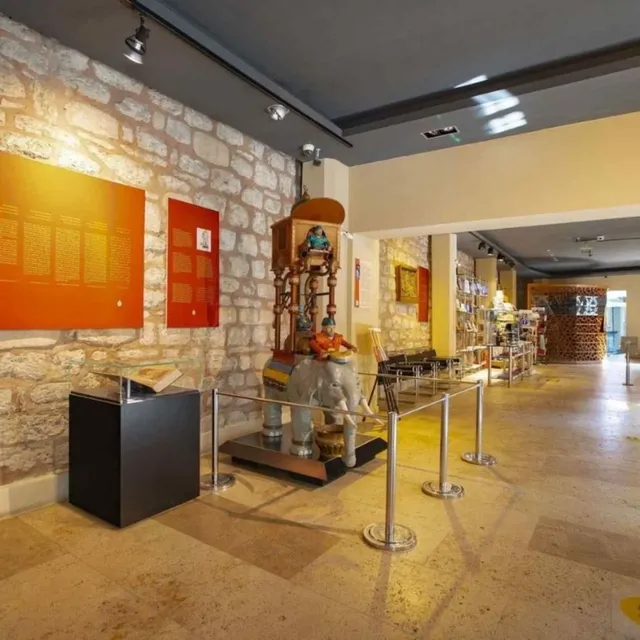
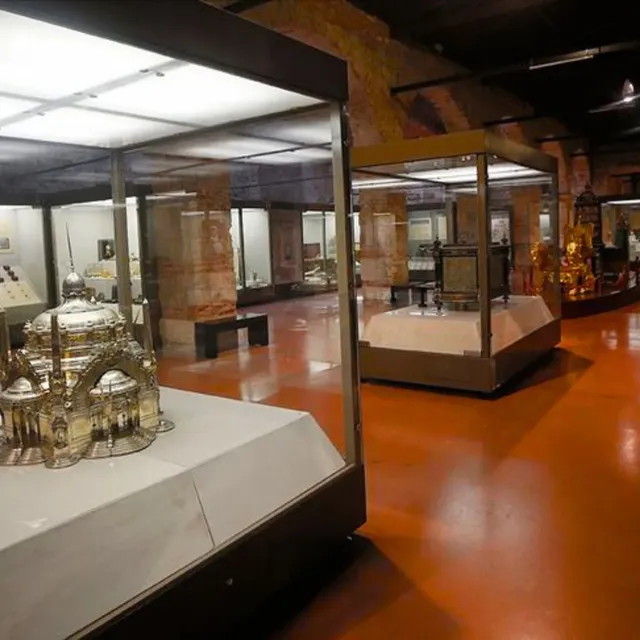
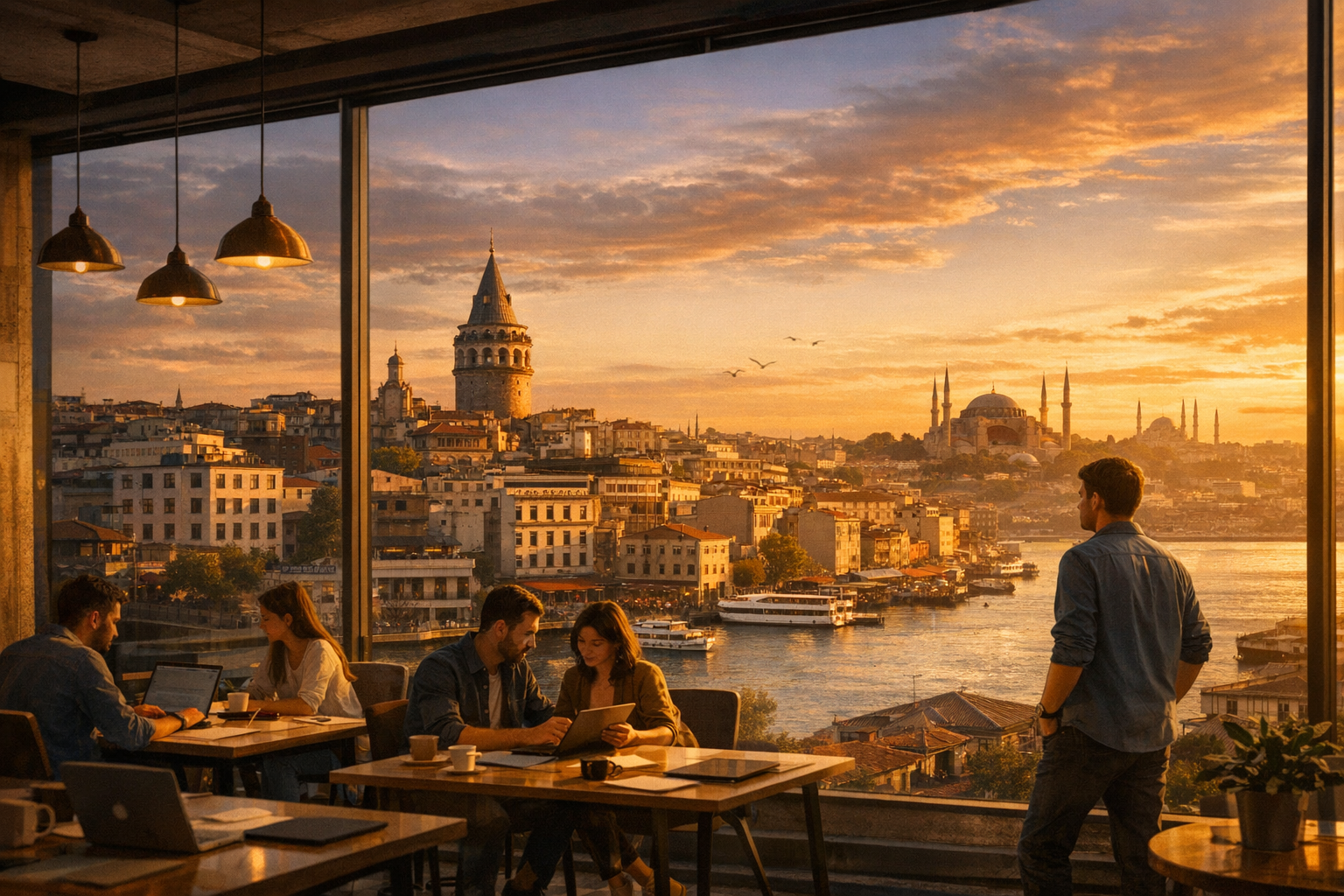
The collection offers a concise but meaningful look at Burhan Dogançay’s artistic development. Visitors can follow the progression of his work across decades, with examples of figurative painting, collage, photography, and the wall-based pieces for which he is best known. Because the museum is in central Beyoğlu, it can fit naturally into a day that also includes nearby landmarks such as Taksim Square or a walk toward Galata Tower.
Who Are Adil & Burhan Dogançay?
Adil Dogançay was born in Istanbul in 1900. An officer in the Turkish army, he was also a well-known painter. His works are predominantly impressionistic land and seascapes and still lifes in oil on canvas. Few of his paintings are dated; most of those on display in the museum were completed between 1940 and 1990, the year he died. As a topographer in the army, Adil traveled all over Anatolia, which gave him the opportunity to spend hours surrounded by nature. He produced most of his paintings outdoors, calling nature his “greatest teacher.”
Well-known painter Arif Kaptan, together with Adil Dogançay, provided Burhan Dogançay’s early artistic training. During the early 1950s, Dogançay spent a significant part of his student years in Paris, studying art at the Académie de la Grande Chaumière while simultaneously pursuing studies in law and economics at the University of Paris. During this period he continued to paint regularly and to show his works in several group exhibitions, including joint exhibitions with his father at the Ankara Art Lovers Club.
Following a brief career in the diplomatic service, which brought him to New York City in 1962, Dogançay decided in 1964 to devote himself entirely to art and to make New York his permanent home. Since the opening of his museum, however, he divided his time between New York, Istanbul, and the south of Turkey, where he also maintained a studio in Turgutreis.
Burhan Dogançay and the Language of Urban Walls
Burhan Dogançay is primarily known for a body of work that grew out of his fascination with urban walls. Spanning a period of almost fifty years, this preoccupation was inspired by his travels to more than 100 countries and was consistently translated into paintings, graphics, Aubusson tapestries, sculptures, and photographs.
Although urban walls are the recurring theme, the styles in which they are rendered vary greatly. Dogançay re-created walls in different series, relating to doors, colors, graffiti-types, or the objects he incorporated into his works. With posters and objects gathered from walls forming the main ingredient of his art, it is only logical that Dogançay’s preferred medium was predominantly collage and, to some extent, fumage.
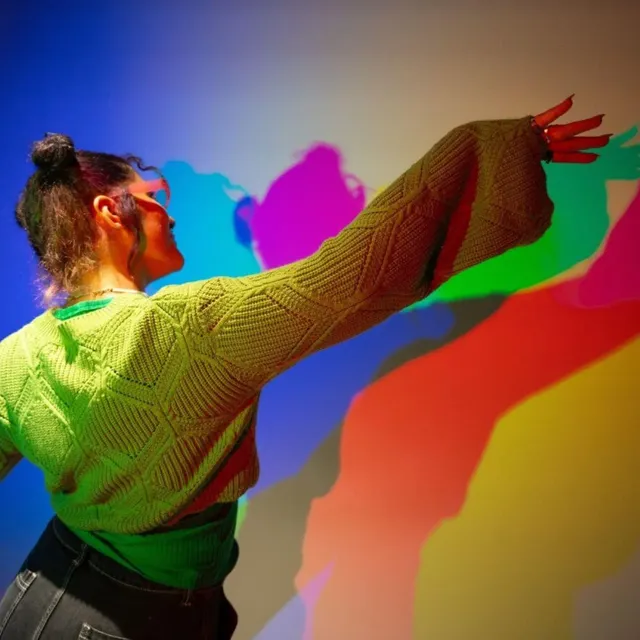
In the 1970s and 1980s, he gained notoriety with his interpretation of urban walls in his signature ribbons series, which, in contrast to his collaged billboard works, consists of clean paper strips and their calligraphically shaped shadows. This series, which grew out of three-dimensional maquettes, later gave rise to alucobond-aluminum shadow sculptures. His collage and fumage works from the cones series form another easily recognizable style.
Urban walls had a special meaning for Dogançay: “They serve as a testament to the passage of time, reflecting social, political and economic change. They also bear witness to the assault of the elements and to the markings left by people.” According to Dogançay, this is what makes urban walls monuments to the human experience and his oeuvre an archive of our time.
Location of Dogancay Museum
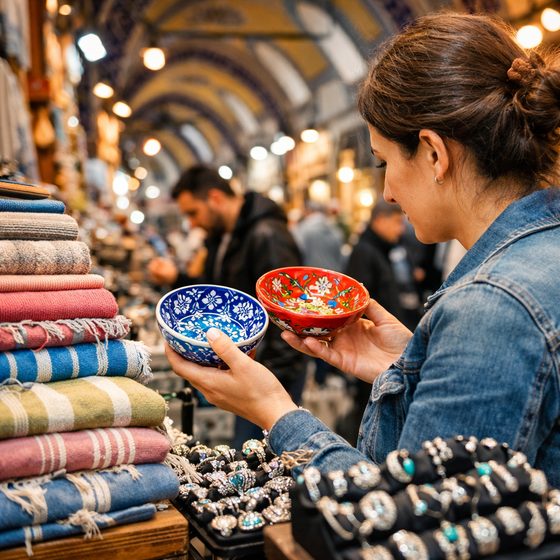
The museum is located at Balo Sokak No: 42, Beyoğlu 34335 İstanbul. Its central setting makes it an easy cultural stop while exploring modern Istanbul. If you are planning a wider sightseeing route, Beyoğlu also connects conveniently to historic areas with landmarks such as the Grand Bazaar.
Phone: 212-244 7770-71
For additional background on the artist, you can consult Wikipedia’s page on Burhan Doğançay. For broader travel information about Istanbul, GoTürkiye can also be useful when planning your visit.