Istanbul not Constantinople: rebuilding the city after the conquest
Sultan Mehmet the Conqueror told Orthodox Greeks to assign someone to the rank of Patriarch, which was then unoccupied. This was one of the clearest early signs that the new rulers intended to restore urban and communal life rather than leave the city abandoned.
Privileged for their encouraging stance during wartime, the Jewish community was given the right to have their own synagogue, and their Rabbi was treated with kindness. A place of worship was allocated to the Karayim Turco-Jewish Community where Arpacılar Mosque is located now.
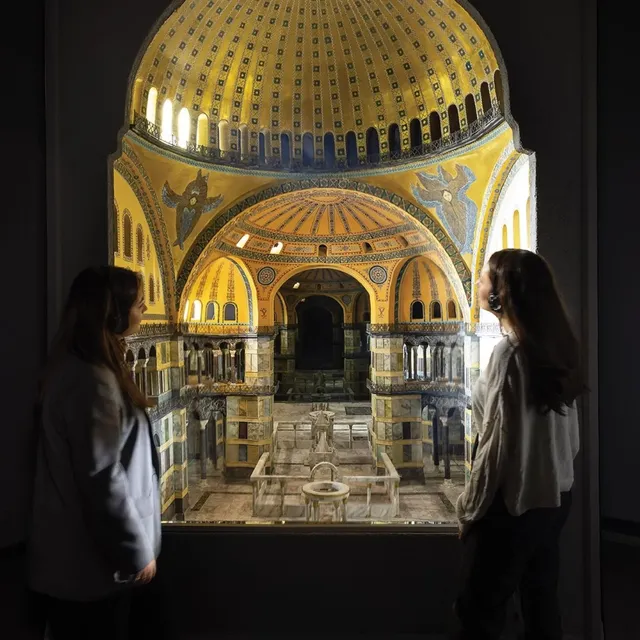
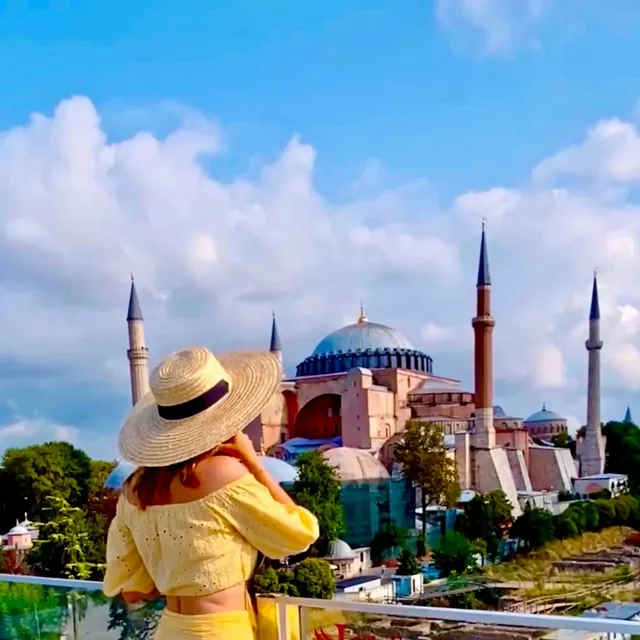
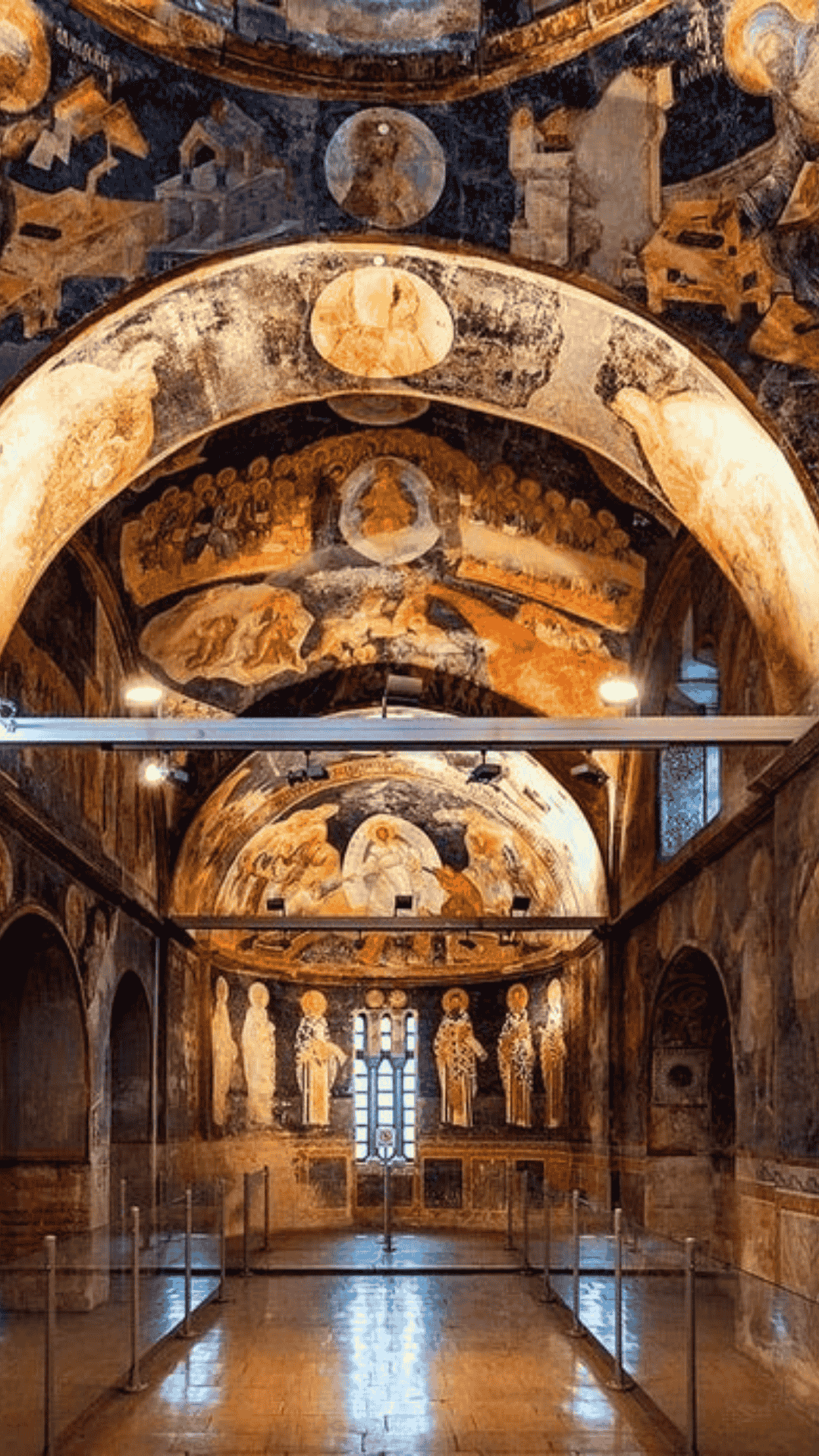
As his first task, Sultan Mehmed the Conqueror began to have many places destroyed in the course of war renovated. The first serious renovation activity was the rebuilding of the walls damaged during the conquest. He also bought St. Sophia in a desolate and neglected condition, had it restored, and then turned it into a mosque. Today, readers interested in this landmark can also explore Hagia Sophia for more context on its layered history.
How Istanbul was repopulated and reorganized
While on one hand Istanbul was being reconstructed, on the other hand new residential areas were being formed to restructure the city. Unoccupied houses were given away to those who had rendered services during wartime as well as to anyone who wanted to move in.
The Muslim population from Anatolia and Rumelia was encouraged to migrate to the city. When this did not work out as planned, the Sultan’s firman were sent to cities and it was announced that a particular number of people from every class be exiled to Istanbul. Christians and Jews from various regions were brought in and provided residence in specific parts of the city.
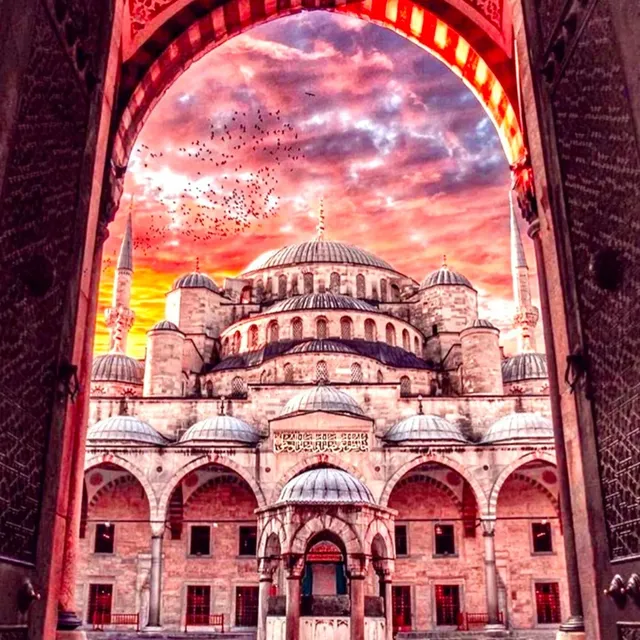
This process reshaped the city socially as well as physically. Neighborhoods grew around religious and commercial centers, and the Ottoman capital increasingly became a mosaic of communities. In later centuries, districts around major sites such as Grand Bazaar and Sultanahmet Square would help define the city’s urban identity.
Fire, administration, and growth
At the end of the year 1457, new immigrants came to live in the city due to the great fire in the old capital of Edirne. In 1459, Istanbul was divided into four administrative regions, each of which had different demographic specialities, and it became the greatest city of Europe fifty years after the conquest.
The city’s growth was not simply a matter of population. Administrative organization, housing policy, repairs to infrastructure, and the revival of religious and civic institutions all contributed to turning Istanbul into a functioning imperial capital. The story behind “Istanbul not Constantinople” is therefore also a story of deliberate rebuilding.
Earthquake and reconstruction in the early 16th century
Istanbul, which had become a tremendous city at the turn of the 16th century, underwent much damage in the earthquake of September 14, 1509, also known as Lesser Doomsday. In the earthquake, which lasted for 45 days, thousands of buildings were torn into pieces.
In 1510, Istanbul was nearly reconstructed by Sultan Bayezid II, with the employment of 80 thousand people. This was another turning point showing the city’s resilience. Even after disaster, Istanbul was restored once more and continued its rise as a center of politics, religion, trade, and culture.
The legacy of a transformed city
The phrase “Istanbul not Constantinople” simplifies a long and complex historical transition. What followed the conquest was not only a change of rule, but also an active effort to repopulate the city, restore monuments, organize administration, and support multiple communities living within its walls.
For a broad historical overview of the city and its changing identity, readers can consult Britannica’s Istanbul entry. UNESCO also provides wider context on Istanbul’s historic significance through the UNESCO World Heritage Centre.
Istanbul is full of marvels, so why not visit the city and experience it yourself?