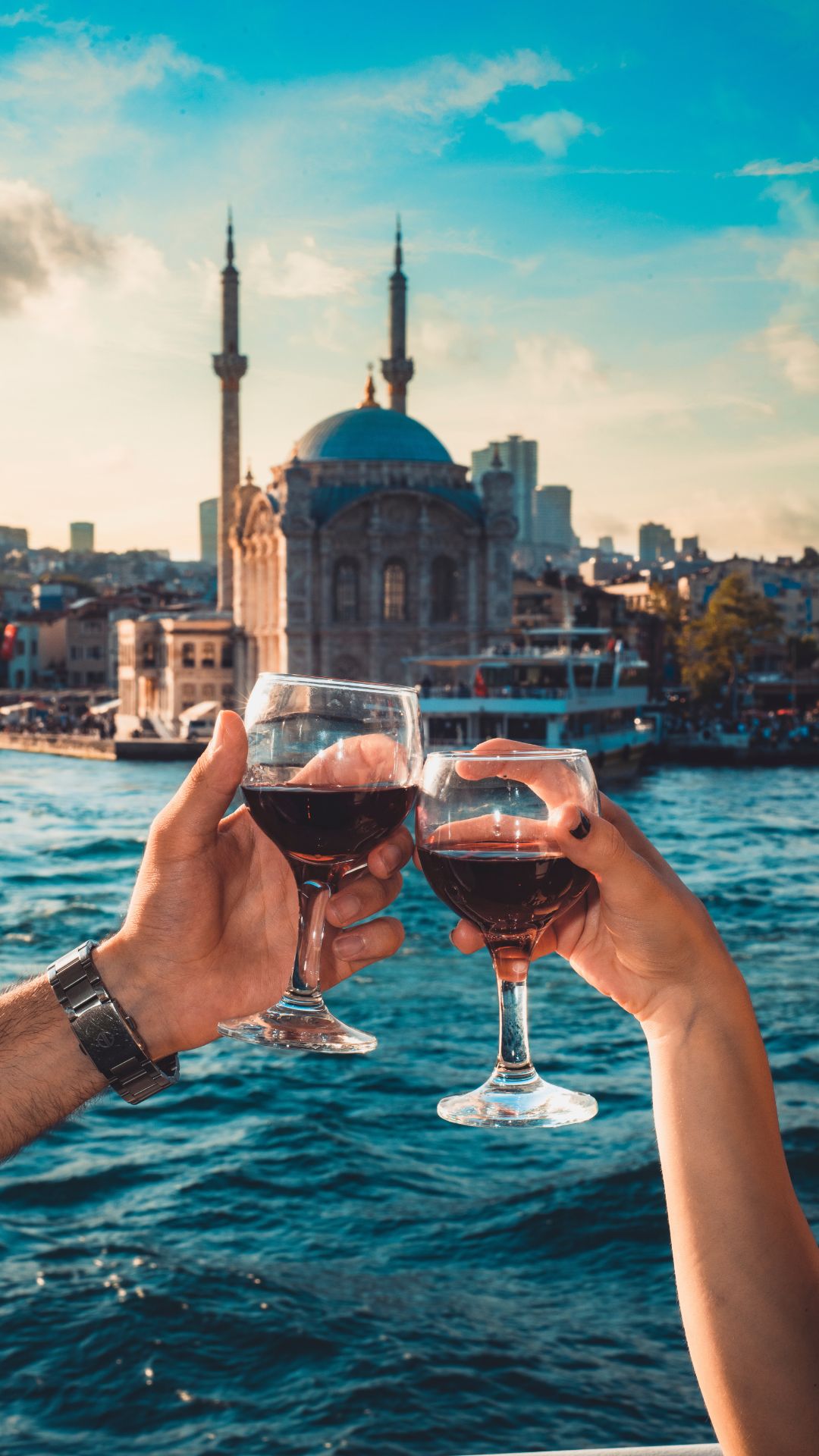
From the Historic Peninsula to the Black Sea mouth, the Bosphorus frames Istanbul with bridges, coves, and glittering night views.
Where Is the Bosphorus in Istanbul?
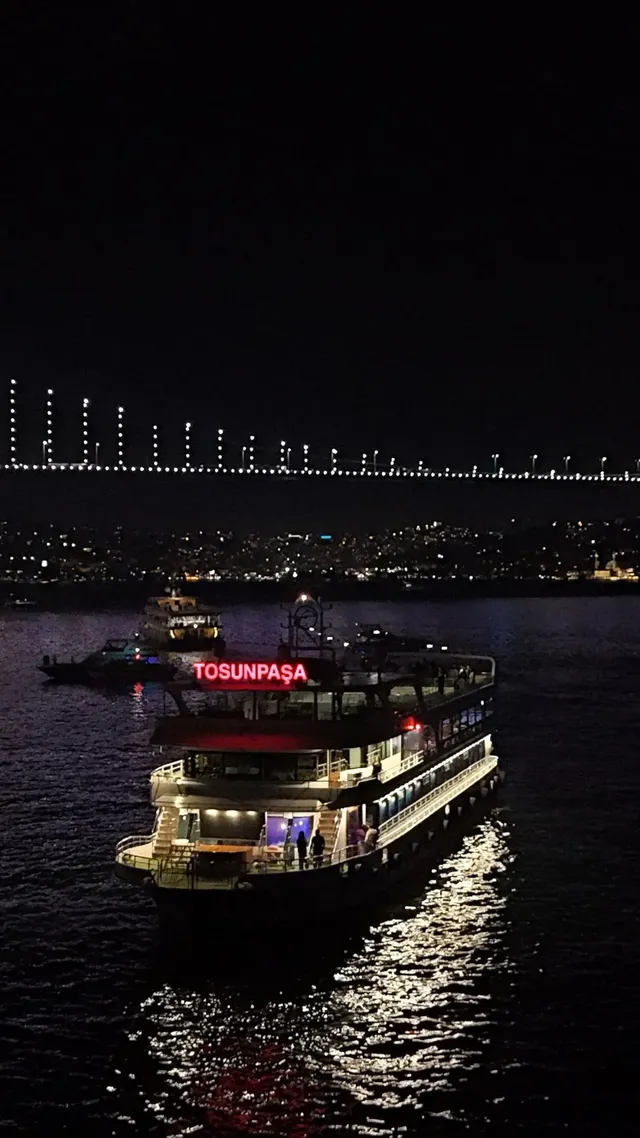
The Bosphorus is a natural strait that separates Europe and Asia. On the western shore you stand in European Istanbul. On the eastern shore you stand in Asian Istanbul. This is what people mean when they say the Bosphorus separates two continents. Look at any Bosphorus map and you will see a graceful S-curve with three major bridges: the 15 July Martyrs Bridge near Beşiktaş and Üsküdar, the Fatih Sultan Mehmet Bridge near Rumeli Fortress, and the Yavuz Sultan Selim Bridge farther north near the Black Sea.
If a friend asks again where is the bosphorus, you can point to that blue line that divides the city and ties it together at the same time. It begins where the Sea of Marmara meets the southern edge of the city and stretches north toward the Black Sea, shaping neighborhoods, transport, history, and daily life along both shores.
Why viewpoints matter. The best views help you understand scale and story at once. From a ferry deck you see palaces and fortresses at water level. From hilltop terraces you trace the line of the strait as it bends. From towers and waterfront parks you watch both shores glow at sunset. Knowing where is the bosphorus is the start; choosing the right viewpoint turns a map into a memory.
Popular Activities Near the Bosphorus Strait
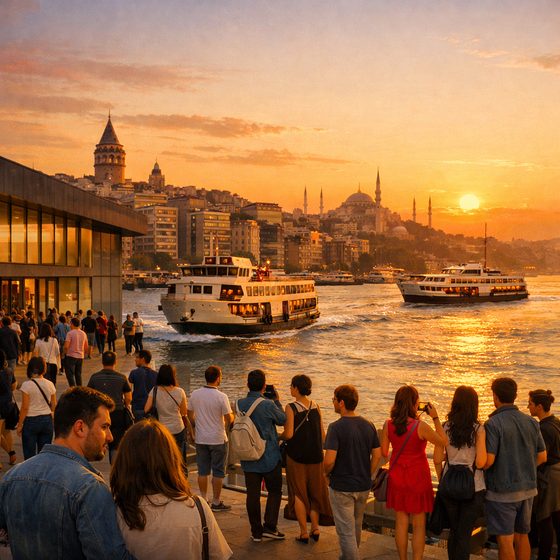
The shoreline is a long promenade of ideas. Cruises, cafés, walks, and small markets can easily fill a full day. If you still wonder where is the bosphorus when you arrive, start with a simple ferry ride and the answer will come with the breeze.
Bosphorus Cruises
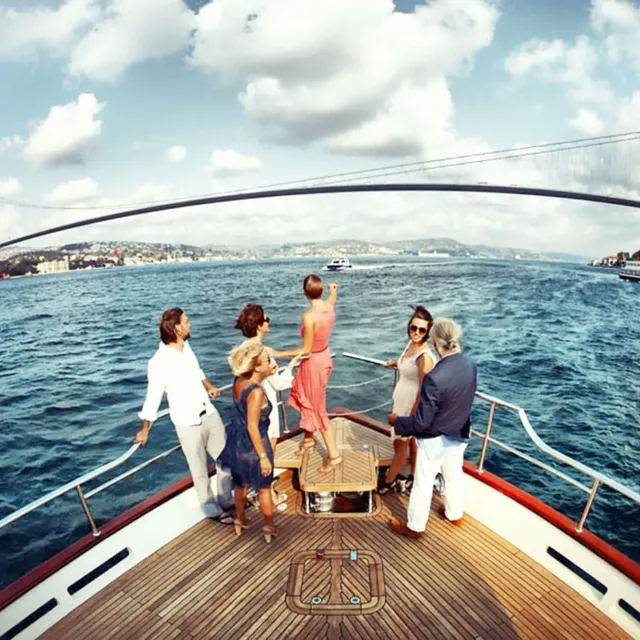
A cruise is the classic way to understand the strait. Short loops stay under the first two bridges, while longer routes reach northern villages and wider sea views. A 90-minute Bosphorus Cruise gives a balanced introduction with enough time for photos, skyline views, and landmark spotting. Public ferries are also useful if you want a low-key, scenic crossing. For official public ferry routes and practical details, check Şehir Hatları. Prices and schedules can vary, so it is smart to check official sources before you go.
Dining at Five-Star Restaurants
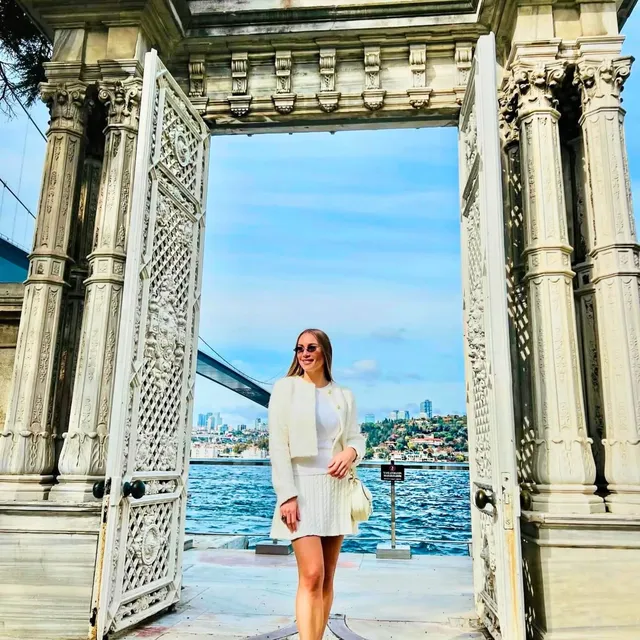
Dining beside the Bosphorus can turn a meal into a panorama. Rooftops in Beşiktaş, Ortaköy, Arnavutköy, and Bebek offer wide angles of the water and bridge lines. Hotel terraces around Dolmabahce Palace are especially atmospheric around sunset, when the shoreline begins to glow.
Visiting Historical Places
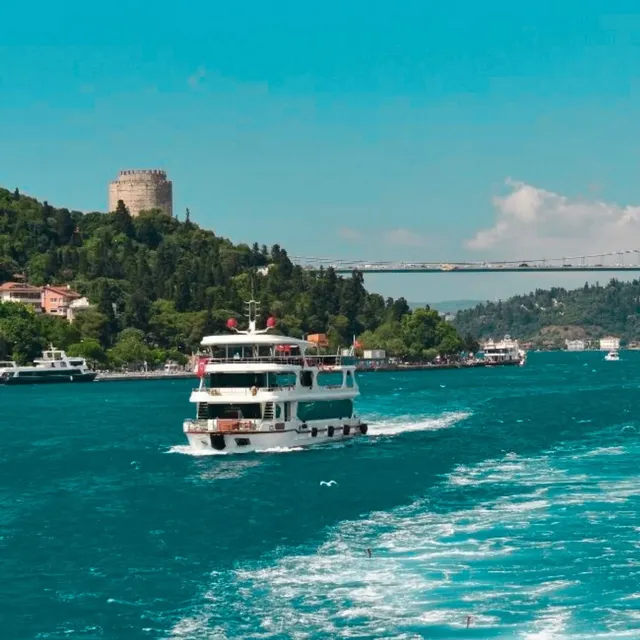
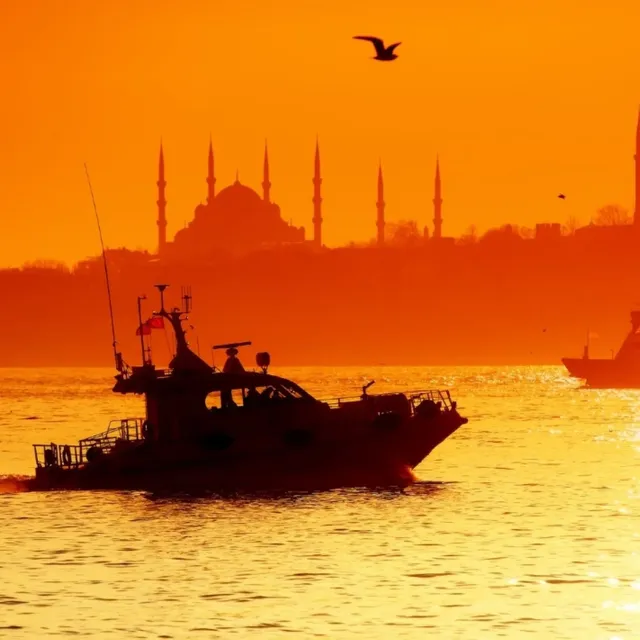
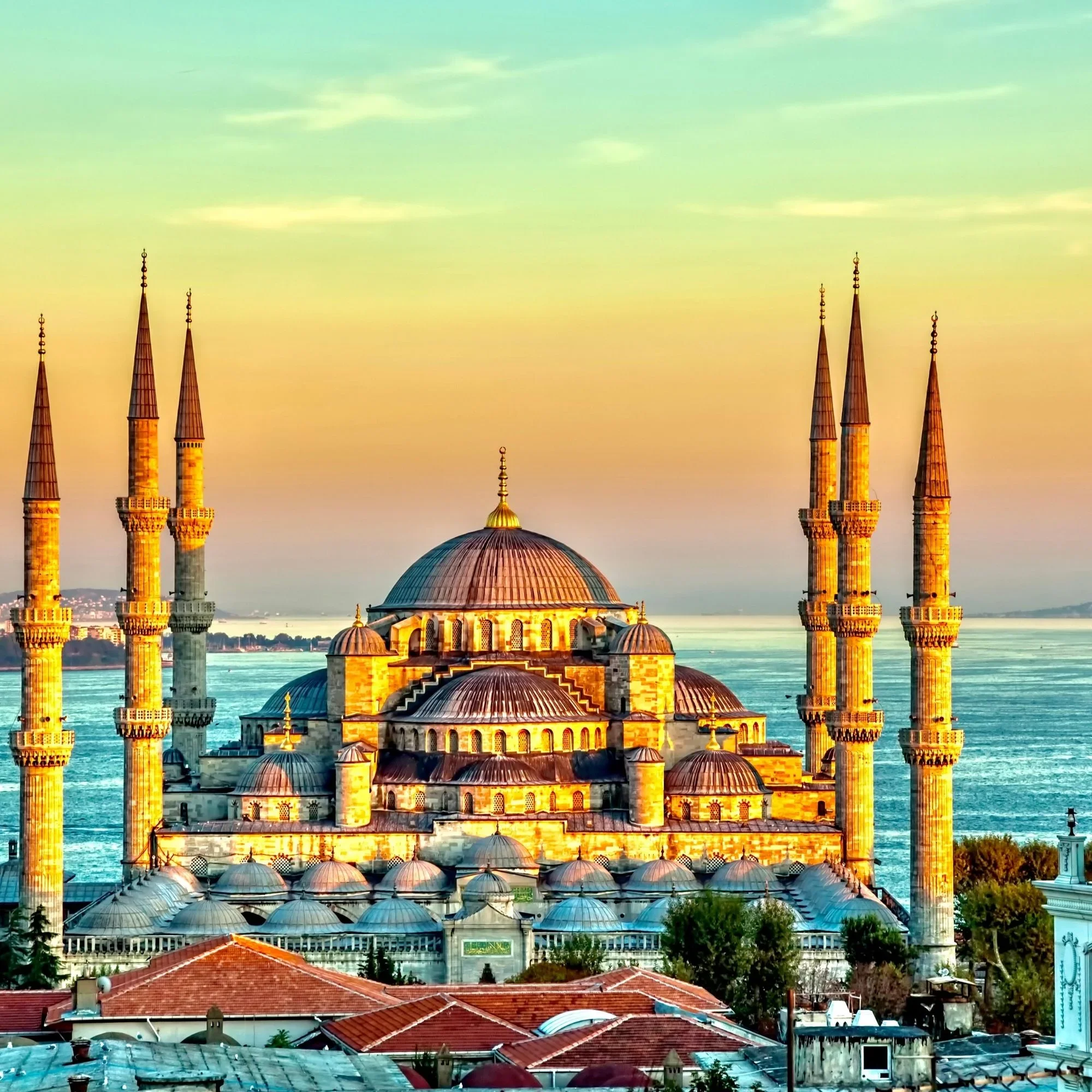
From the water, Istanbul’s long story becomes easy to read. Dolmabahçe Palace sits low by the shore. Rumeli Fortress rises above the narrowest point. The skyline of the Historic Peninsula shows Topkapi Palace, Hagia Sophia, and the domes of Suleymaniye Mosque. A cruise or shoreline walk brings these names into clear view and gives them geographic meaning.
Trying Street Food
Tea, simit, roasted chestnuts, grilled corn, and fish sandwiches all belong to the Bosphorus rhythm. A warm drink on a breezy deck or a quick snack by a pier is part of the experience. Ortaköy and Beşiktaş are especially easy places to combine views with casual local bites.
Exploring Local Markets
Markets near the shoreline change by district and by day. Beşiktaş has friendly produce stalls and small cafés, while Ortaköy is known for its lively square and weekend energy. Browsing the neighborhood and returning to the water for another look is one of the simplest pleasures of a Bosphorus day.
Best Things to See on the Bosphorus
Use this list as your shore and cruise checklist. It covers iconic towers, fortresses, palaces, and skyline landmarks. Plot them on a map and you will never wonder where is the bosphorus again.
Maiden’s Tower
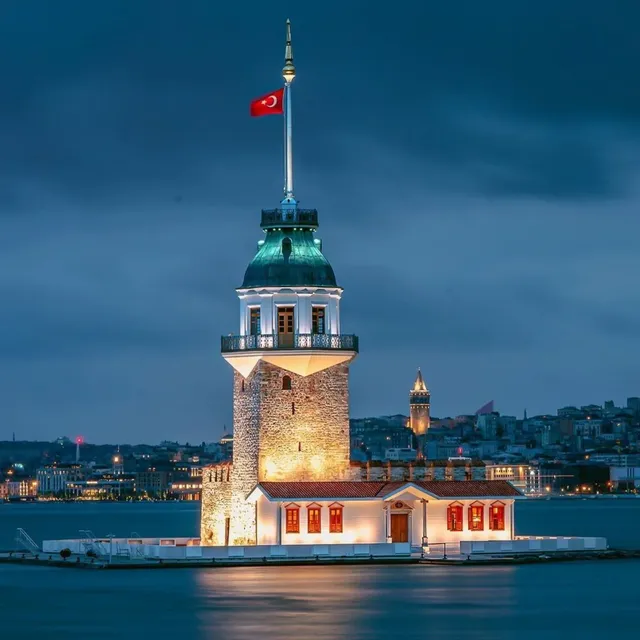
The small islet and lighthouse near Üsküdar are among the best-known images of Istanbul. Sunset silhouettes here are especially memorable, and the landmark works well as both a photo stop and a symbol of the strait.
Basilica Cistern
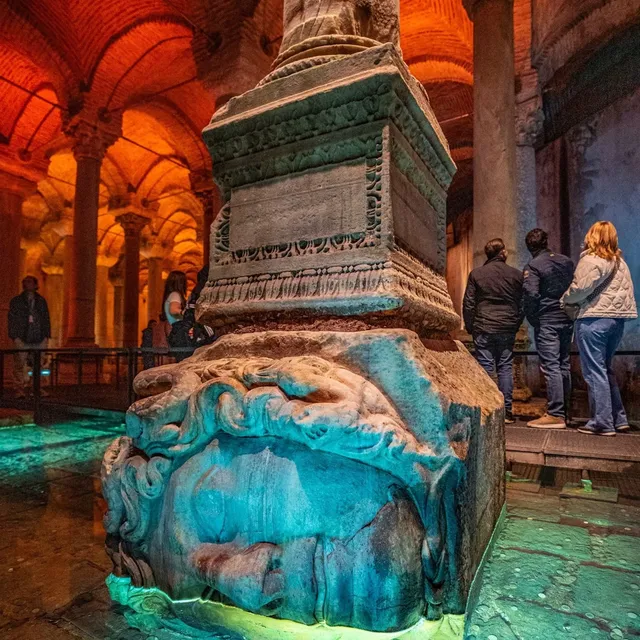
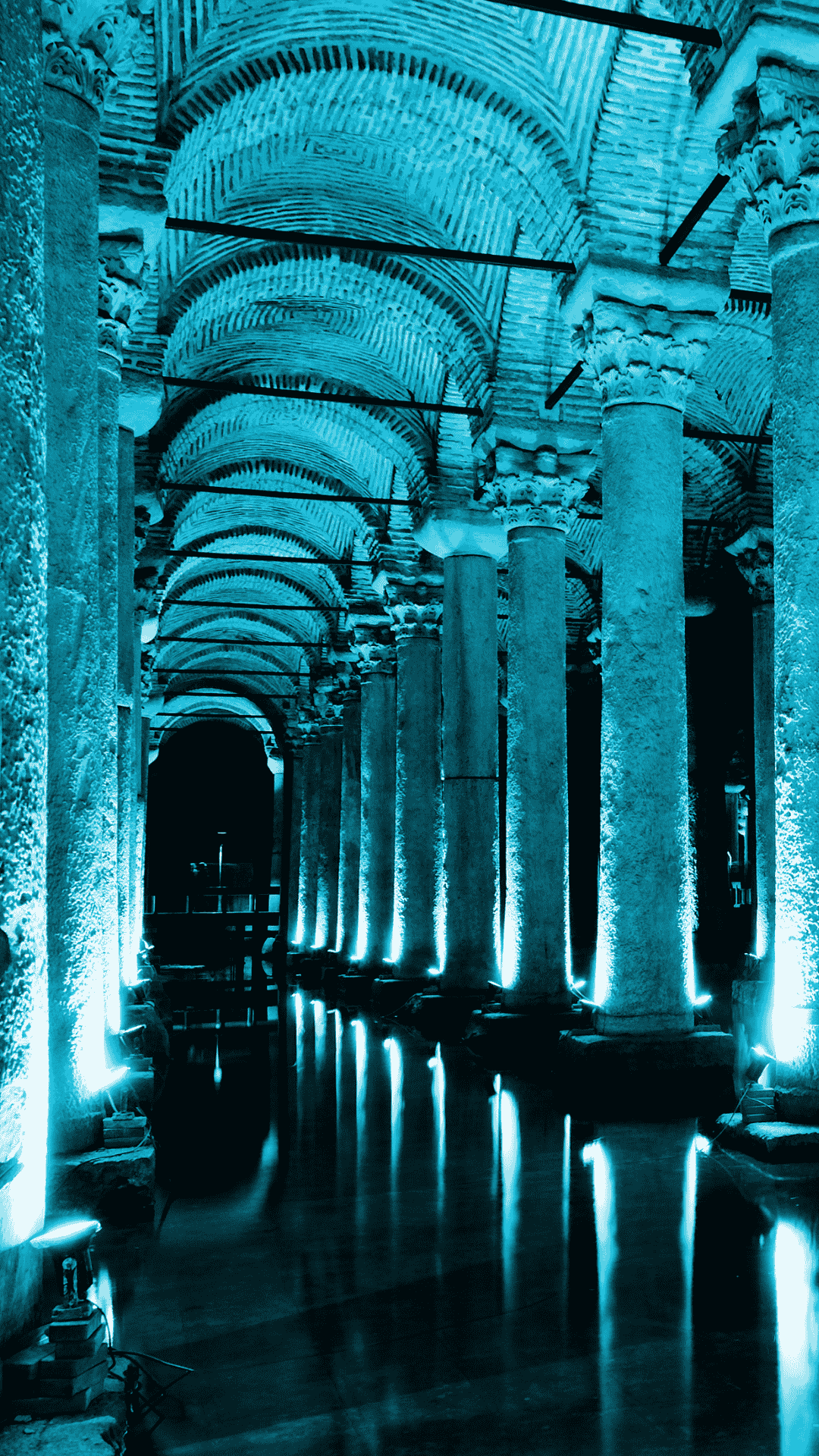
Although it is inland in the Historic Peninsula, Basilica Cistern pairs well with a waterfront day because it shows how old Istanbul handled water. It adds a cool, atmospheric interior stop to a route that otherwise stays outdoors by the shore.
Topkapi Palace
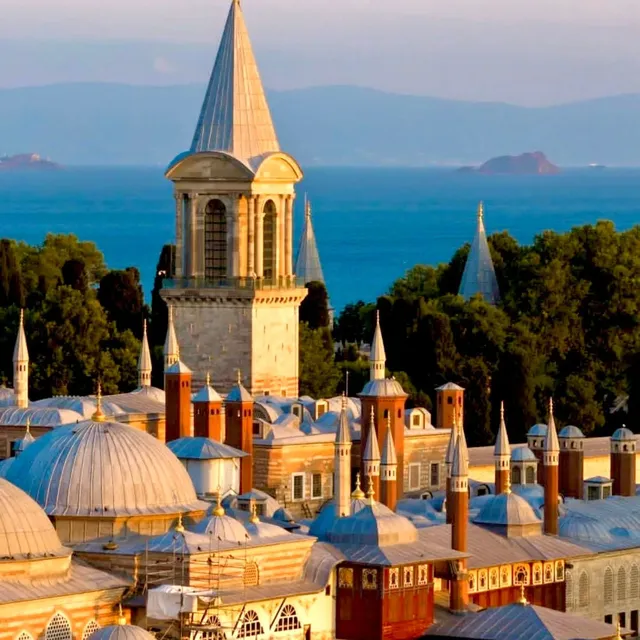
The former seat of the Ottoman sultans crowns the peninsula above the water. Its terraces look toward the Sea of Marmara and the Bosphorus entrance, making it one of the best places to understand how geography shaped imperial power.
Istanbul City Port
Modern terminals and restored docks host ferries and cruise ships while blending heritage spaces with cafés and galleries. It is an easy place to start the day and get your bearings before heading farther along the strait.
Rumeli Fortress
This fortress marks the narrowest part of the Bosphorus. From a boat, you see the walls climbing the hill; from land, you feel the scale of the military plan that once controlled this waterway.
Galata Tower
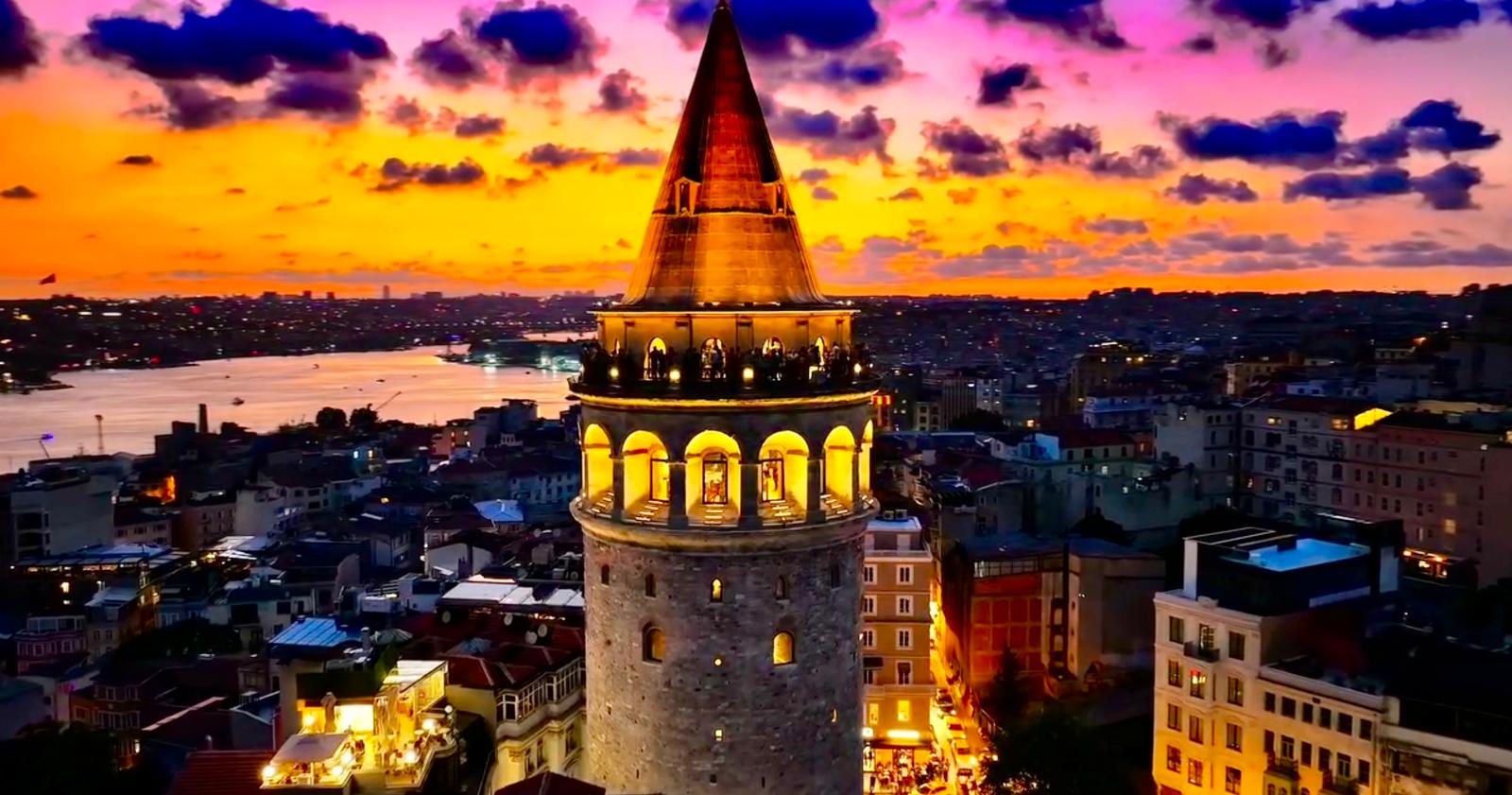
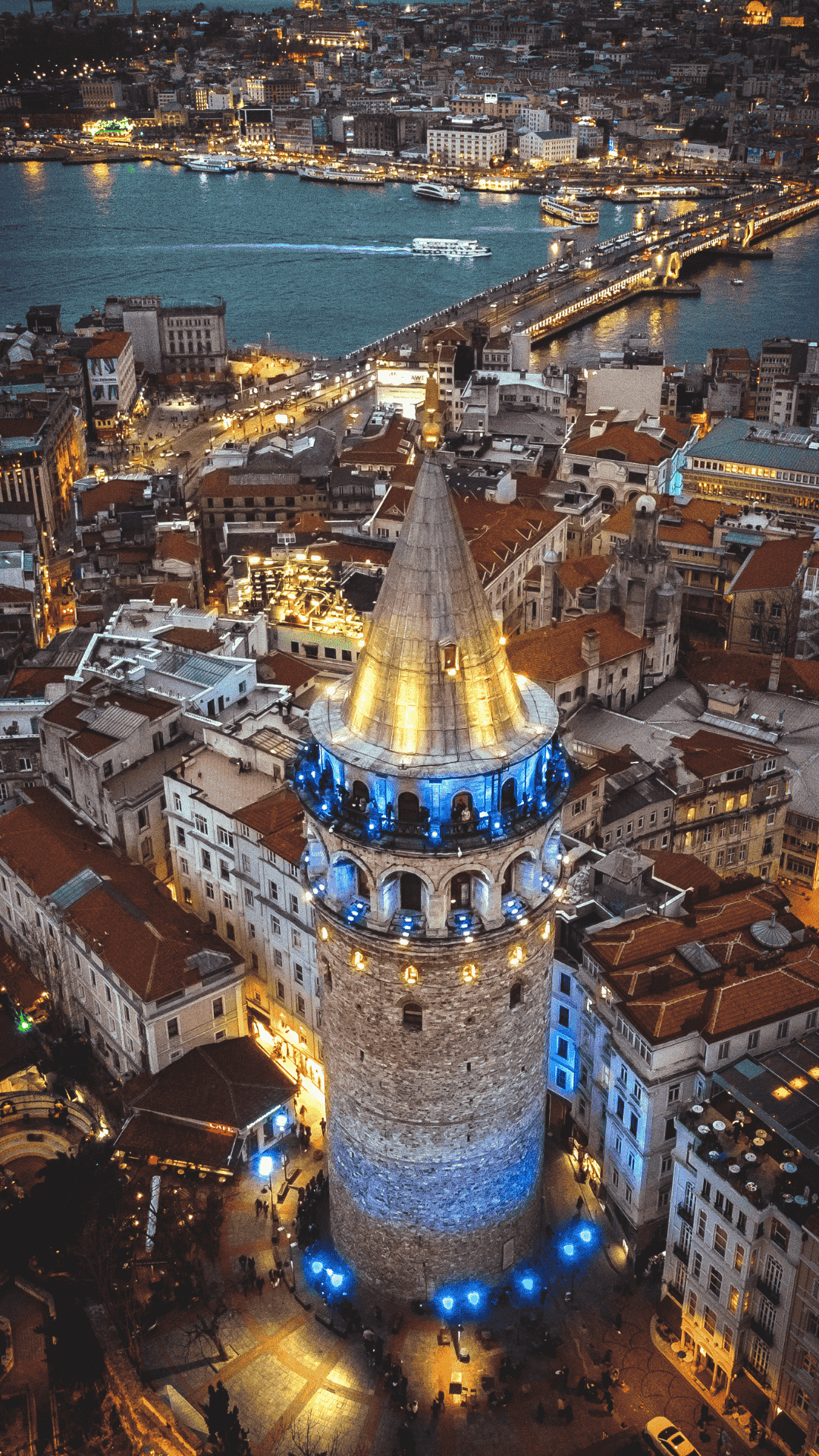
Galata Tower offers a 360-degree view that explains the city in one glance. From the top, you can trace the Golden Horn, the Historic Peninsula, and the Bosphorus as it runs north toward the Black Sea.
Suleymaniye Mosque
Set high on one of the city’s hills, the mosque offers a calm viewpoint over domes, the Golden Horn, and the distant strait. It is one of the best places for a long, reflective look at Istanbul’s layered skyline.
Hagia Sophia
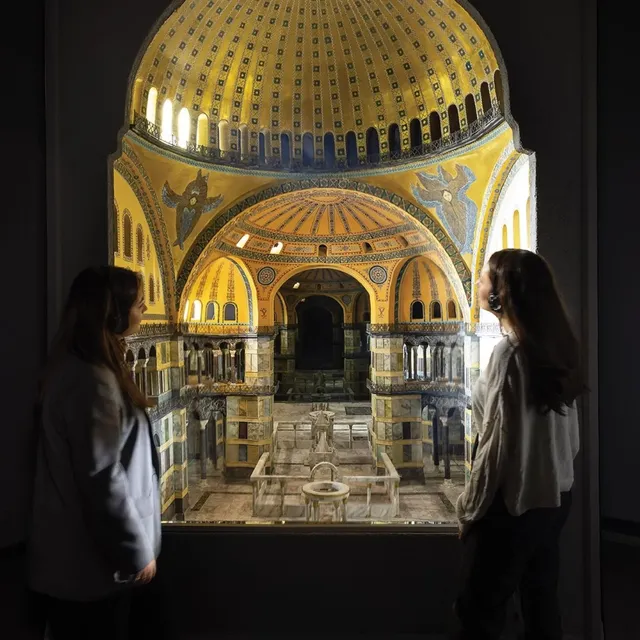
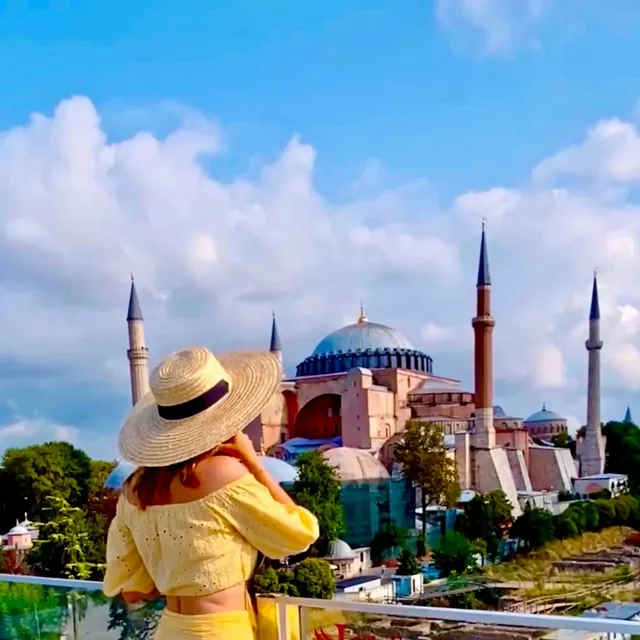
The great dome is part of Istanbul’s unmistakable silhouette. Even from the water, its mass is easy to spot, and from nearby viewpoints it anchors the southern approach to the Bosphorus.
Istanbul Aquarium
Farther along the Sea of Marmara coast, the aquarium is a family-friendly stop that can pair with a coastal outing. It is not on the Bosphorus itself, but it can fit into a wider water-themed day in Istanbul.
Best Viewpoints for Bosphorus Views in Istanbul
Rooftops, towers, ferries, and waterside parks are the easiest tools for great photos. In Beşiktaş and Ortaköy, you can frame the bridge with the waterfront. In Arnavutköy and Bebek, the long shoreline perspective includes palaces and historic yalıs. On the Asian side, Kuzguncuk, Çengelköy, and Kandilli offer a softer residential atmosphere with wooden houses and views back toward the European hills.
For classic postcard scenery, the Ortaköy waterfront is hard to beat. For a higher panorama, Galata Tower helps orient the whole city. For the most natural and complete view, however, nothing replaces being on the water itself, where the strait reveals its scale bridge by bridge and neighborhood by neighborhood.
How to Plan a Bosphorus Day
Keep it simple. Start with morning coffee near Dolmabahçe. Take a midday ferry across to Üsküdar. Spend the afternoon walking in Kuzguncuk or along the coast. End the day at Ortaköy or Bebek for sunset. If you prefer structure, a short cruise plus two shore stops feels full without becoming rushed.
Another easy plan is to combine a cruise with one major landmark and one neighborhood walk. That way you get geography, history, and local atmosphere in a single day without overloading your schedule.
Practical Notes for First-Timers
Tickets and prices. Bosphorus cruise prices depend on route, narration, and season. Short loops are usually the most budget-friendly, while sunset and dinner options tend to cost more. If you prefer same-day choices, ask at pier kiosks. If you are traveling on weekends or holidays, online booking can make things easier. For current transport connections and route planning, the official Metro Istanbul site is useful.
Transport basics. Trams, metro lines, ferries, and Marmaray all connect neighborhoods around the Bosphorus efficiently. Ferries are the most scenic option. If the wind is strong, sit on the lower deck and carry a light layer even in summer, since the evening breeze can feel cool over the water.
Meaning and names. If you are curious about the Bosphorus meaning, it is often traced to a Greek phrase translated as “cow passage,” tied to the myth of Io. In Turkish, locals often call it Boğaz, meaning “throat,” which feels fitting once you see how the water narrows between the hills.
Conclusion
Now you know where to stand and what to look for. If someone asks “where is the bosphorus,” you can show them on the map and then show them in real life from a ferry deck, a tower, a hilltop terrace, or a quiet bench by the water. Use these routes and viewpoints to turn a blue line into a living memory, and let the strait explain Istanbul through light, wind, and a horizon that always invites one more photo.
FAQ: The Bosphorus in Istanbul
Where exactly is the Bosphorus located?
The Bosphorus runs between the Black Sea in the north and the Sea of Marmara in the south, dividing Istanbul into its European and Asian sides. It is the city’s defining waterway and one of the clearest ways to understand Istanbul’s geography.
What is the best way to see the Bosphorus for the first time?
A short cruise or public ferry ride is usually the easiest first experience. Seeing the shoreline from the water helps you understand the layout of the city, its bridges, and the relationship between major landmarks on both continents.
Which landmarks should I look for during a Bosphorus trip?
Watch for Dolmabahçe Palace, Rumeli Fortress, Maiden’s Tower, Ortaköy waterfront, and the great skyline landmarks of the Historic Peninsula. Bridges, waterfront mansions, and mosque silhouettes are also major parts of the experience.
Can I cross the Bosphorus easily between Europe and Asia?
Yes. Ferries, Marmaray, metro connections, and bridges make crossing very easy. Ferries are the most scenic option, while Marmaray is one of the quickest ways to move between the two sides of Istanbul.