
Highlights of internships in Turkey
- Internship activities help students gain experience in their chosen profession.
- Istanbul offers many internship opportunities thanks to its universities and business life.
- Internships are usually completed during the summer period.
- A work permit or employment visa is generally not required for study-related internships.
- The Erasmus+ Traineeship Program can support international internship experience outside Turkey.
How internships work in Turkey
Internship programs are valued for the way they contribute to a student’s transcript and help students become more familiar with the profession they have chosen. In Turkey, degree programs usually offer internships in two forms: some are required by the program, while others are elective and can be taken for extra credit. These placements are most commonly seen in undergraduate programs and are generally scheduled in the summer months.
Universities in Turkey often support students through the internship process, especially when the internship is mandatory. This guidance can make it easier to understand procedures, paperwork, and placement options. For international students, that university support is often one of the most useful parts of the process.
Why Istanbul stands out for internships
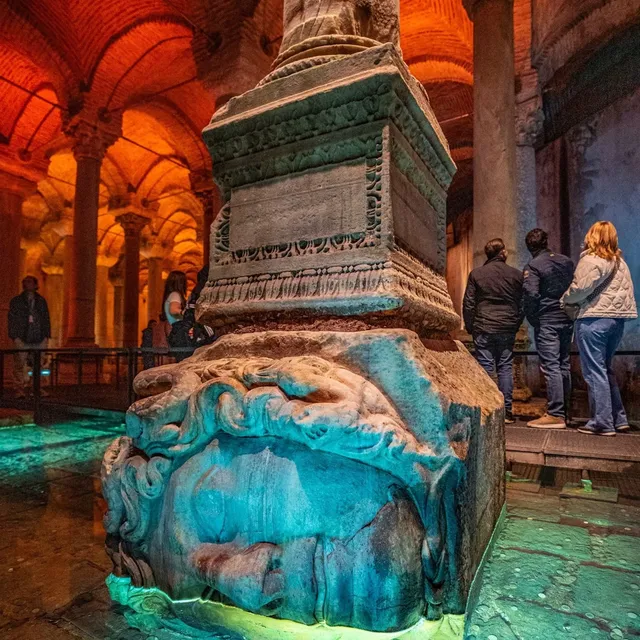
Big cities such as Istanbul can offer especially strong internship possibilities because they combine a large student population with a wide range of employers and institutions. The city is home to many universities and also serves as a major business and cultural center. That means students may come across opportunities in the private sector as well as in public and nonprofit settings.
Beyond academic life, living in Istanbul can also make the overall student experience more rewarding. In free time, students often explore major landmarks such as the Galata Tower or spend time in central areas like Taksim Square. This mix of career development and city life is one reason many students see Istanbul as an attractive place to study.
Where students can do internships
Students in Turkey can look for internships in many different settings. Opportunities may be available in:
- Private companies
- Governmental agencies
- Non-governmental organizations
- International organizations
In many cases, universities help students identify suitable placements related to their field of study. If the internship is a required part of the curriculum, this support may be even more structured. Students should always check the specific rules of their faculty or department, as internship expectations can vary by program.
Erasmus+ traineeship opportunities
Another important option for students is the Erasmus+ Traineeship Program. Through this framework, students enrolled at a university in Turkey may have the chance to complete an internship in a country other than Turkey. This traineeship can take place while the student is still studying or right after graduation.
The traineeship period can last between 2 and 12 months. For students who want international experience, this can be a valuable way to build practical skills while remaining connected to their academic path in Turkey. More information about the broader program can be found through official and reference sources such as Wikipedia’s Erasmus Programme page and university international offices.
What international students should remember
For international students, one of the most important points is that study-related internships generally do not require a work permit or employment visa. Since the internship is considered part of the study period, it is treated differently from regular employment. Even so, students should confirm current requirements with their university and relevant official institutions, especially if their situation is unusual or if program rules have changed.
It is also a good idea to review general information on studying in Turkey through official tourism and destination resources such as GoTürkiye. This can help students understand the wider academic and living environment before beginning their internship search.
Final thoughts on internships
Internships in Turkey can be a practical and accessible way for students to gain professional experience during their degree. Whether the internship is compulsory or elective, it can strengthen academic progress and introduce students to real working environments. With university support, a broad range of institutions, and access to Erasmus+ traineeship opportunities, Turkey remains a strong option for students seeking higher education with professional development built in.
FAQ
Are internships in Turkey compulsory for every student?
No. In Turkey, internships may be compulsory or elective depending on the degree program. Some undergraduate departments require them as part of graduation requirements, while others offer them as an optional way to gain experience and earn extra credit.
When do students usually complete internships in Turkey?
Internships are usually completed during the summer period. This timing allows students to focus on practical training without attending lectures at the same time, which makes the process easier to manage for both students and universities.
Do international students need a work permit for internships in Turkey?
For internships connected to the study period, a work permit or employment visa is generally not required. However, students should always confirm the latest rules with their university and the relevant official authorities before starting an internship.
What kinds of organizations offer internships in Turkey?
Students may find internships in private companies, governmental agencies, non-governmental organizations, and international organizations. Availability often depends on the student’s field of study, university guidance, and the city where the student is based.
Can students in Turkey do an internship abroad through Erasmus+?
Yes. Students at universities in Turkey may benefit from the Erasmus+ Traineeship Program to complete an internship in another country. The traineeship can take place during the study period or right after graduation and may last between 2 and 12 months.