Amazing Topkapi Palace Istanbul
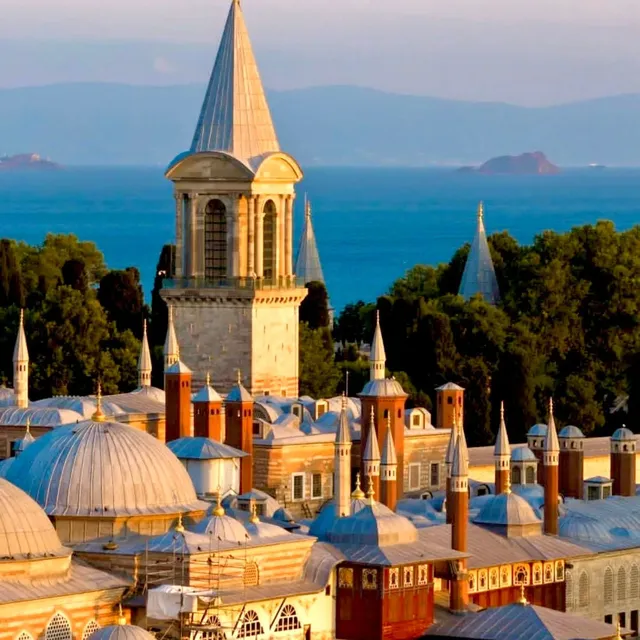
The history of Topkapi Palace begins with one of Istanbul’s most important landmarks. Also known as the Cannon Gate Palace, Topkapi Palace served as the former main residence and administrative center of the Ottoman sultans beginning in the 15th century. Construction started in 1460 after the conquest of Constantinople by Fatih Sultan Mehmed and was completed in 1478. Located between the Golden Horn and the Bosphorus on a sprawling 700,000-square-meter area on Istanbul’s historic peninsula, the palace was enclosed by walls for security and privacy.
For more than 400 years, Topkapi Palace functioned as the residence and headquarters of rulers from Fatih Sultan Mehmed to Sultan Abdulmecid. It was not only a royal residence but also a center of education, management, and art. In 1924, after the proclamation of the Republic of Turkey, it was turned into a museum, becoming the first museum of the Turkish Republic.

Today, Topkapi Palace remains one of Istanbul’s most visited attractions. Visitors come to see its collections, architecture, and approximately 300,000 archive documents. The complex is known as one of the largest palace museums and continues to offer a strong sense of the Ottoman world.
If you plan to visit, the palace is within walking distance of Hagia Sophia, making it easy to combine both monuments in one day. Inside, you can explore gates, courts, kitchens, halls, pavilions, and the famous Harem, each revealing something about the lives of sultans, courtiers, concubines, and eunuchs.
As you move through the palace, its layered past, striking architecture, and major collections make clear why it remains such a powerful symbol of the Ottoman Empire.
History of Topkapi Palace
Welcome to the fascinating history of Topkapi Palace, a jewel of the Ottoman Empire that once served as the grand residence and administrative hub of powerful sultans. From its 15th-century foundation to its later transformation into a museum, the palace reflects centuries of politics, ceremony, art, and daily life in Istanbul.
I. Construction and Early Years
The history of Topkapi Palace dates to the mid-15th century, when Fatih Sultan Mehmed commissioned it shortly after conquering Constantinople in 1453. Construction began in 1460 and was completed in 1478. In its earliest phase, the palace became the primary residence and administrative headquarters of the Ottoman sultans.
II. The Glorious Ottoman Empire
As the Ottoman Empire expanded, so did the significance of Topkapi Palace. It became the political heart of the empire, where sultans ruled and where new buildings, courtyards, and pavilions were added over time. These additions helped shape the palace into a symbol of Ottoman opulence and power.
III. The Seat of Power
Topkapi Palace housed not only the sultan and his family but also viziers, courtiers, and officials responsible for governing the empire. Major decisions were made in the Imperial Divan, where ministers gathered to discuss state affairs. The organization of the palace reflected its role as both home and government center.
IV. The Harem – A World of Intrigue
One of the most discussed parts of the palace was the Harem, the private quarters of the sultan and his household. It was home to hundreds of concubines and functioned as a secluded world shaped by hierarchy, influence, and palace politics. Behind its walls unfolded stories of power, competition, and court life.
V. Decline and Transformation
As the Ottoman Empire declined in the late 17th and 18th centuries, Topkapi Palace gradually lost its central importance. Later sultans favored newer European-style palaces along the Bosphorus, including places such as Dolmabahce Palace. Over time, Topkapi ceased to be the empire’s main residence and administrative center.
VI. Transformation into a Museum
In 1924, after the establishment of the Republic of Turkey under Mustafa Kemal Atatürk, Topkapi Palace was converted into a museum. Its importance as a place of political, artistic, and cultural memory made it an ideal site for preserving and presenting the Ottoman past to the public.
VII. Topkapi Palace as a Tourist Attraction
Since becoming a museum, Topkapi Palace has grown into one of the most visited attractions in Istanbul and Turkey. Visitors come to admire its architecture, explore art and treasure collections, and better understand the long history of the Ottoman Empire.
VIII. Preserving and Showcasing History
Over the years, restoration and preservation efforts have helped maintain the palace’s architectural character and historical value. These efforts continue to support a deeper visitor experience and protect the site for future generations.
IX. Topkapi Palace – A Living Legacy
Today, Topkapi Palace stands as a major historical monument and a living reminder of the Ottoman legacy. Its architecture, collections, and stories continue to connect visitors with Turkey’s rich cultural heritage. For broad historical context, UNESCO’s overview of Istanbul’s historic areas is useful: UNESCO. For general background, you can also consult Britannica.
Sections of Topkapi Palace
Topkapi Palace is made up of many distinct sections, each with its own role in palace life:
- First Court: Also known as the Court of the Janissaries or the Parade Court, this outer courtyard includes several historical structures, including the Hagia Irene Museum.
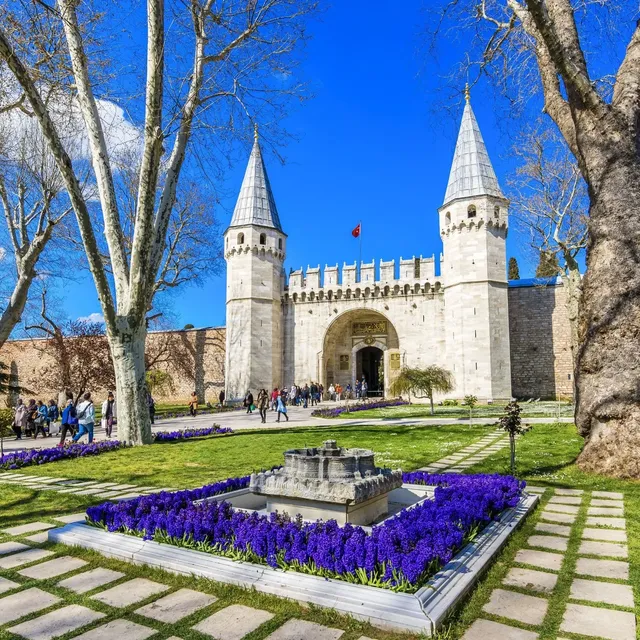
- Second Court: Reached through the Middle Gate (Ortakapı or Bab-üs Selâm), this administrative area contains pavilions, kitchens, audience chambers, and sleeping quarters.
- Harem: The imperial family quarters, consisting of hundreds of rooms where the sultan’s household lived and children were raised.
- Imperial Divan and Treasury: The Divan was used for state affairs, while the Treasury preserved Ottoman weapons, armor, and records of wealth and expenses.
- Gate of Felicity and Sacred Safekeeping Rooms: The Gate of Felicity opens into the Third Court, while the Sacred Safekeeping Rooms contain relics of the Prophet Muhammad.
- Palace Kitchens and Pavilion of the Blessed Mantle: The kitchens prepared meals for thousands of palace staff, and the pavilion displayed the sacred standard of the Prophet Muhammad before campaigns.
- Courtyard of the Black Eunuchs: An integral part of the Harem, guarded by black eunuchs.
- Third Court: Home to the Audience Chamber, the Library of Ahmet III, and the Dormitory of the Expeditionary Force.
- Fourth Court: Includes pleasure pavilions such as the Mecidiye Kiosk and the Kiosk of Mustafa Pasha.
- Imperial Treasury: Houses celebrated objects of gold, silver, gems, and jewelry, including the Topkapi Dagger.
- Courtyard of the Concubines and Sultan’s Consorts: Surrounded by baths, dormitories, and private apartments for the sultan’s consorts.
- Courtyard of the Valide Sultan: The area associated with the mother of the sultan, who held considerable authority within the palace.
- Privy Chamber and Apartments: Lavishly decorated spaces where the sultan conducted official business and received visitors.
- Courtyard of the Favourites: Overlooked by rooms known as the kafes, where brothers or sons of the sultan were confined.
- Courtyard of the Black Eunuchs: Used by the black eunuchs who served the women of the Harem.
Each section contributes to a fuller understanding of how the palace functioned as a royal residence, ceremonial complex, and center of state power.
Importance of Topkapi Palace
The significance of Topkapi Palace can be understood from political, cultural, and architectural perspectives.
I. Political and Administrative Center
For over four centuries, Topkapi Palace was the political and administrative center of the Ottoman Empire. Decisions made here shaped a vast imperial geography, and the palace’s position overlooking the Golden Horn and the Bosphorus reinforced its symbolic authority.
II. Architectural Marvel
As a masterpiece of Ottoman architecture, the palace combines pavilions, courtyards, halls, and gardens in a way that reflects imperial ceremony and refined design. Islamic, Byzantine, and Ottoman elements together give the complex a distinctive visual character.
III. Cultural Heritage
The palace preserves artifacts, textiles, manuscripts, ceramics, and jewelry that offer insight into Ottoman cultural life. Its collections make it a major repository of historical memory.
IV. The Harem – A Microcosm of Ottoman Society
The Harem reveals aspects of social hierarchy, gender roles, and internal politics within the Ottoman court. It remains one of the most compelling parts of the palace for visitors interested in daily palace life.
V. The First Museum of the Turkish Republic
When Topkapi Palace became a museum in 1924, it took on a new role in preserving and presenting national heritage. As the first museum of the Turkish Republic, it holds an important place in the country’s cultural history.
Overall, Topkapi Palace remains a bridge between past and present, linking modern Istanbul with the long legacy of the Ottoman world.
Architectural Marvels of Topkapi Palace
The architectural importance of Topkapi Palace lies in both its beauty and its layered design. It is one of the clearest expressions of Ottoman palace architecture.
I. Ottoman Design and Layout
The palace is arranged through a sequence of courtyards connected by gates, halls, and pavilions. This layout reflects hierarchy, order, and controlled movement through public and private zones.
II. Influences from Various Cultures
Topkapi Palace brings together Byzantine, Islamic, and Seljuk influences. Arches, domes, tiles, columns, and vaults together reveal the cultural synthesis that shaped Ottoman imperial architecture.
III. Splendid Courtyards and Gardens
The courtyards and gardens are central to the atmosphere of the palace. Fountains, greenery, and open spaces provide both beauty and practical relief during Istanbul’s warmer months.
IV. Lavish Pavilions and Halls
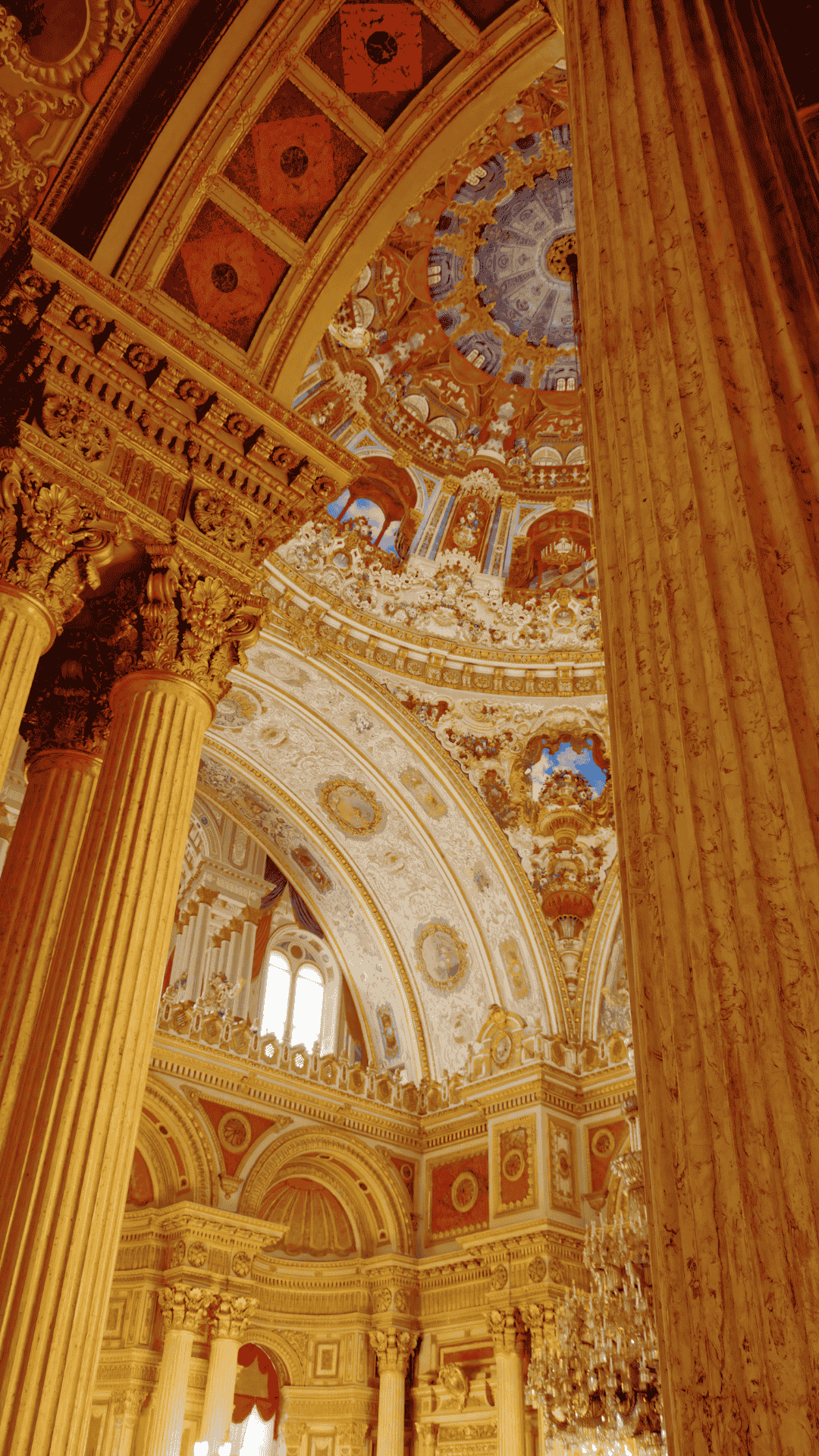
Many of the palace’s best-known interiors are richly decorated. The Imperial Council Chamber, the Circumcision Room, and the Tower of Justice are all notable examples of Ottoman craftsmanship.
V. The Harem – A Private Oasis
The Harem’s marble carving, decorative tiles, and wooden screens show how private palace spaces could be both functional and highly ornate.
VI. Symbol of Ottoman Grandeur
Because it served as the official residence of the Ottoman sultans for centuries, Topkapi Palace became an enduring symbol of imperial grandeur. Its position on Sarayburnu strengthened that symbolism.
VII. Influence on Ottoman Architecture
The style and planning of Topkapi Palace influenced later Ottoman palaces, mosques, and public buildings. Its design legacy can still be seen across Istanbul and beyond.
Discover the Majesty of Topkapi Palace with Our Skip-the-Line Guided Tour
Step back in time and explore Topkapi Palace, the residence of the Ottoman sultans and the heart of the empire for more than four centuries. A skip-the-line guided tour helps you spend less time waiting and more time understanding what you are seeing.
Led by expert guides, the tour introduces the story of the palace from the period following the conquest of Constantinople by Mehmet II. You can walk through major courtyards, see important interiors, and admire landmarks such as the Justice Tower and the Relics Chamber while enjoying views of the Bosphorus.
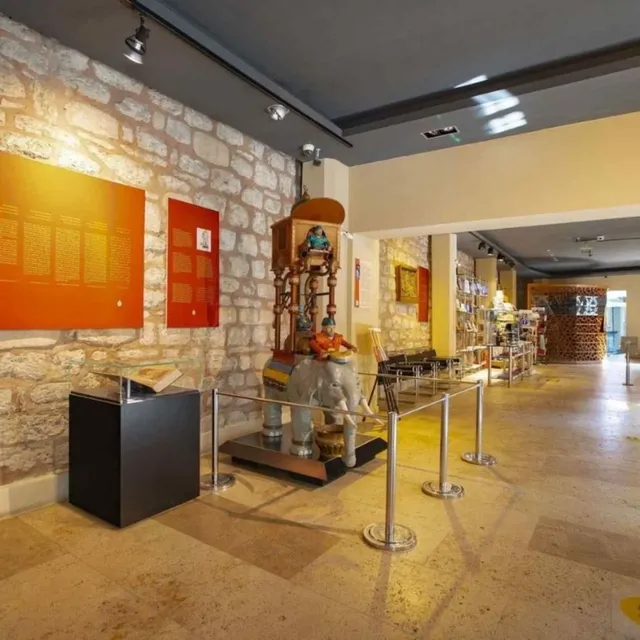
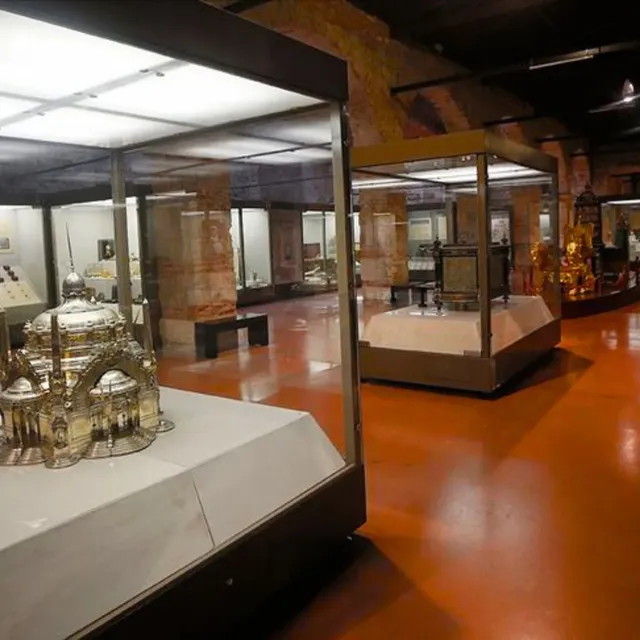
The Topkapi Palace Museum contains Ottoman robes, miniatures, weapons, Islamic calligraphic manuscripts, porcelain, and the celebrated Palace Treasury with the Topkapi Dagger. Please note that this guided tour does not include the Imperial Harem.
Even without the Harem, the palace offers an extraordinary encounter with imperial history, art, and architecture.
Visiting Information for Topkapi Palace
Summer Period Hours (1 April - 1 October)
Opening time: 09:00 AM
Closing time: 06:00 PM
Box Office Closing Hours: 05:30 PM
Winter Period Hours (1 October - 1 April)
Opening time: 09:00 AM
Closing time: 06:00 PM
Box Office Closing Hours: 05:30 PM
Closed Days
Topkapi Palace is closed on Tuesdays. Please plan your visit accordingly.
Entrance Fee: Combined Tickets
Topkapi Palace + Harem + Hagia Irene = 950 ₺ (Turkish Lira)
Topkapi Palace + Hagia Irene = 750 ₺ (Turkish Lira)
As prices and visitor rules can change, it is wise to check the official site before your visit.
Location of Topkapi Palace
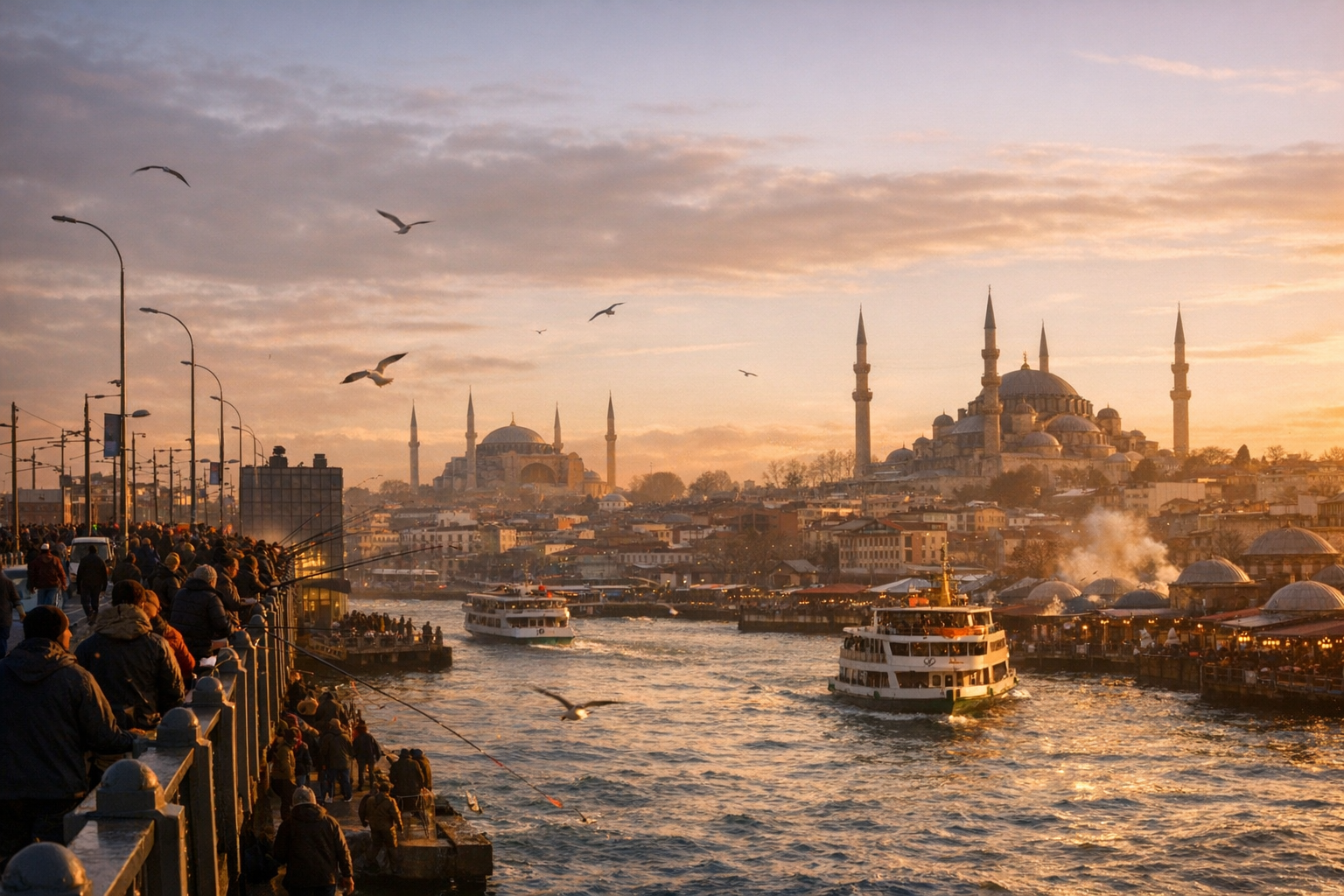
Topkapi Palace is located on Istanbul’s historic peninsula at Sarayburnu, overlooking both the Marmara Sea and the Bosphorus Strait.
Address
Cankurtaran Mah. Babı Hümayun Cad. No:1, 34122 Fatih/Istanbul, Turkey
How to Get to Topkapi Palace
There are several ways to reach Topkapi Palace depending on where you are staying in Istanbul:
- Tram (T1 Line): The most convenient option for many visitors. Get off at Sultanahmet or Gulhane and walk to the palace.
- Metro and Tram: From other parts of the city, take the metro to Aksaray and transfer to the T1 tram line.
- Bus: Several public buses serve the Sultanahmet area.
- Taxi or Ride-Sharing: A direct option that can drop you near the entrance.
If you use public transport, checking current routes on metro.istanbul can help. You can also explore nearby historic highlights such as Sultanahmet Square while planning your route.
Because the area can become busy, especially in peak seasons, allow extra travel time.
Tips for Discovering Topkapi Palace
Join a guided tour: A skip-the-line guided visit can save time and add helpful context to what you see.
Plan enough time: The palace complex is extensive. Allow at least 2–3 hours for the main highlights.
Visit early or late: Early morning and late afternoon can feel less crowded.
Respect site rules: Follow current photography and visitor regulations in order to protect the collections.
Wear comfortable shoes: Cobblestones and uneven surfaces are common.
Stay hydrated: This is especially important in warmer months.
Prioritize highlights: If time is limited, focus on the Harem, Imperial Treasury, and major courtyards.
Bring some cash: It can be useful for smaller purchases.
Enjoy the Bosphorus view: The views from the palace grounds are part of the experience.
With a little planning, Topkapi Palace offers one of the richest historical visits in Istanbul, combining imperial history, architecture, and remarkable collections in a single setting.