Cukurcuma streets, antiques, and first impressions
A question mark appeared the moment we entered Galatasaray, turned left by the hamam, and rushed into the back streets. Where, exactly, was this Cukurcuma? Confused, we even headed to the mukhtar of Cukurcuma. After a tiring search and questions for old shop owners, we finally discovered that Cukurcuma did not have a mukhtar. In fact, Cukurcuma was originally the name of a street running from Pera before descending toward Tophane. Over time, the area between Firuzağa, Galatasaray and Tophane came to be called Cukurcuma.
As soon as we entered Cukurcuma Street, the 16th-century Cukurcuma Mosque, a work by Mimar Sinan, greeted us on the right. Across from it stood the 18th-century Ömer Ağa Fountain, and beside the fountain appeared the coffee house of İskeçeli. In the hellish heat of an Istanbul summer, it would be hard to find a better place to breathe in the shade and enjoy the beauty of the neighborhood. Still, it felt too early to rest, so we kept walking.
Just ahead, Minyatür Deniz Eskisi drew us in with a striking shop window and a scent of the sea. Naval antiques filled the place: diving suits, telescopes, wooden crates, compasses. A little farther on came the flea market, where hundreds-year-old wooden furniture, magneto telephones, tin toy cars and handwoven carpets appeared side by side. If you enjoy wandering Istanbul’s old quarters, you may also want to see Balat for another neighborhood layered with memory and atmosphere.
Shop owner Ali Bey has been in Cukurcuma for 10 years. “Time by time shops change here,” he says, adding that demand for antique goods is not what it used to be and that good pieces are harder to find than before. Yet there are always unique objects saved for collectors. He tells us that many well-known antique collectors visited him often, though he refuses to reveal their names.
The best pieces, he says, once came from Greek houses. “They wouldn’t waste even an old pin.” But those houses are rare now, and many owners have already moved away. He complains of falling sales and says he has not received many good pieces over the last three or four years. When we ask about the flea market, he says it is no longer as popular as it once was. It was closed for a while, then started again three months earlier, but never recovered its former number of customers. High rents, he explains, keep sellers from other districts away.
We continued our tour uphill from the flea market. Straight ahead, leaving the mosque behind in the center of the neighborhood, we saw Galeri Artist Cukurcuma on the left, one of the area’s active galleries. Then we turned right into Alpatlar Street. On the left were shops called Antiques and Şerif Özkılıç Antika & Dekorasyon; on the right stood Mustafa Rayıbek Antika. We stopped to look at a grinding machine and ancient ovens, rang the bell with some questions in mind, but no one answered. Who said Istanbul’s back-street culture had passed away?
As we walked farther up, we left the famous Asri Turşucusu on the right and reached one of the busiest streets in Cukurcuma. Here were groceries, greengrocers, bakeries and coffee shops. Two especially curious places stood out: Levanten and Zaman Tüneli. We rushed into Levanten.
What the antique dealers of Cukurcuma say
Inside, shop owner Melih Gülay welcomed us. Shelves and walls were crowded with objects from every direction, so many that we hardly knew where to look. He inherited the profession from his father and had been in the business for 45 years. When we asked what he sold, his answer was simple: everything. There were ornaments, jewelry, centuries-old combination locks, amber beads, and a large collection of original miniatures.
In Europe, antique sellers are often specialized, he says, each focusing on different categories such as mechanical goods, jewelry, numismatics or Pop Art. “In Turkey it is not working that way,” says Melih Bey. Especially since 1999, coins and valuables have dominated. “It is unfortunately out of fashion now to hold an antique piece in your hand expressing your love and having joy from it,” he adds. In the long run, he believes, the failure to raise new collectors will create problems.
Tourists visit these shops often too, usually looking for small objects that fit into their pockets and suitcases. In earlier years they bought bigger things, including antique knives and pistols, but after airlines stopped allowing such objects on planes, those sales ended. Melih Bey says that Cukurcuma itself is as old as Cukurcuma Mosque. At one time it was the center of second-hand shops. There was accommodation in Pera, and there was once a large cemetery around Harbiye and Taksim Square. Jews, Armenians, Greeks and Turks lived here side by side.
Then he tells a joke so sharp that it makes us laugh out loud: if a Jew’s business runs well, he opens a new shop; if an Armenian’s business runs well, he replaces his cook with a better one; but what happens if a Turk’s business runs well? He changes his wife.
A church bell on one side, a mosque on the other
After the last sips of tea ordered from the coffee house under the grapevine in front of the shop, we accepted Melih Bey’s invitation and visited the neighbor next door: Zaman Tüneli, or Time Tunnel. Here, objects from the 1960s and 1970s were on sale. Shop owner İlker Bey told us he had been in Cukurcuma for four years, selling gas masks, scales working with 10 old kuruş, tin biscuit boxes, iron hand mixers, portable televisions and handmade refrigerator ornaments at very reasonable prices.
He opened the shop after working in advertising and realizing he was not satisfied with that life. He had also been living in Cukurcuma for three and a half years. “There is a very popular trade of second-hand goods here in Cukurcuma,” he says, “that has been running for 550 years.” Pera is Beyoğlu’s closest quarter, and he describes the area as authentic and mystical, difficult to explain. “On one side, I hear the church bell ringing; on the other side I hear the ezan.” Since Galatasaray is close to Cihangir, many people pass through here. You can shop while encountering all kinds of faces. It is, he says, a hidden street where artists feel comfortable wandering.
For a broader overview of Beyoğlu and Istanbul’s historic urban fabric, the district’s layered past is also summarized on Wikipedia.
Vita goes, Ufo comes
When he opened his shop, people mocked him. In a street better known for fireplaces, braziers and tombacs, he was selling old margarine tins and cola boxes. Yet his trade differs from conventional antiquarian business. For him, an Ülker biscuit tin can be more valuable than an antique object. He believes his customers are more emotional than most. He roams Istanbul collecting objects from the recent past.
“It is our duty to run after the past,” he says. “These objects are like my children. When someone buys one piece I believe that it will be loved by the customer as much as I loved it. Then a new child arrives. Vita goes, Ufo comes. But the main concept is always the same.” He believes he brought a fresh breath to the street. He also says they later worked with the poet Sunay Akın and opened a grocery store at Sunay Akın’s toy museum.
Magnificence of the past in Faik Paşa Street
We ended our break in Time Tunnel and continued the walk. On the left we greeted junkman Uncle Hızır. Right next to his place began Faik Paşa Street. We learned that the name came from the Italian journalist Francesco della Suda. Magnificent old buildings lined both sides of the road. These houses, we were told, were built in the last quarter of the 18th century. Their carved stone ornaments were breathtaking.
The buildings on the left looked more magnificent, and we asked why. In the past, aristocrats lived on the left and servants on the right. Suddenly the plainer architecture on the right made sense. This side street is full of ateliers. At number 4 we found A la Turca, packed with antique carpets, kilims and woven items.
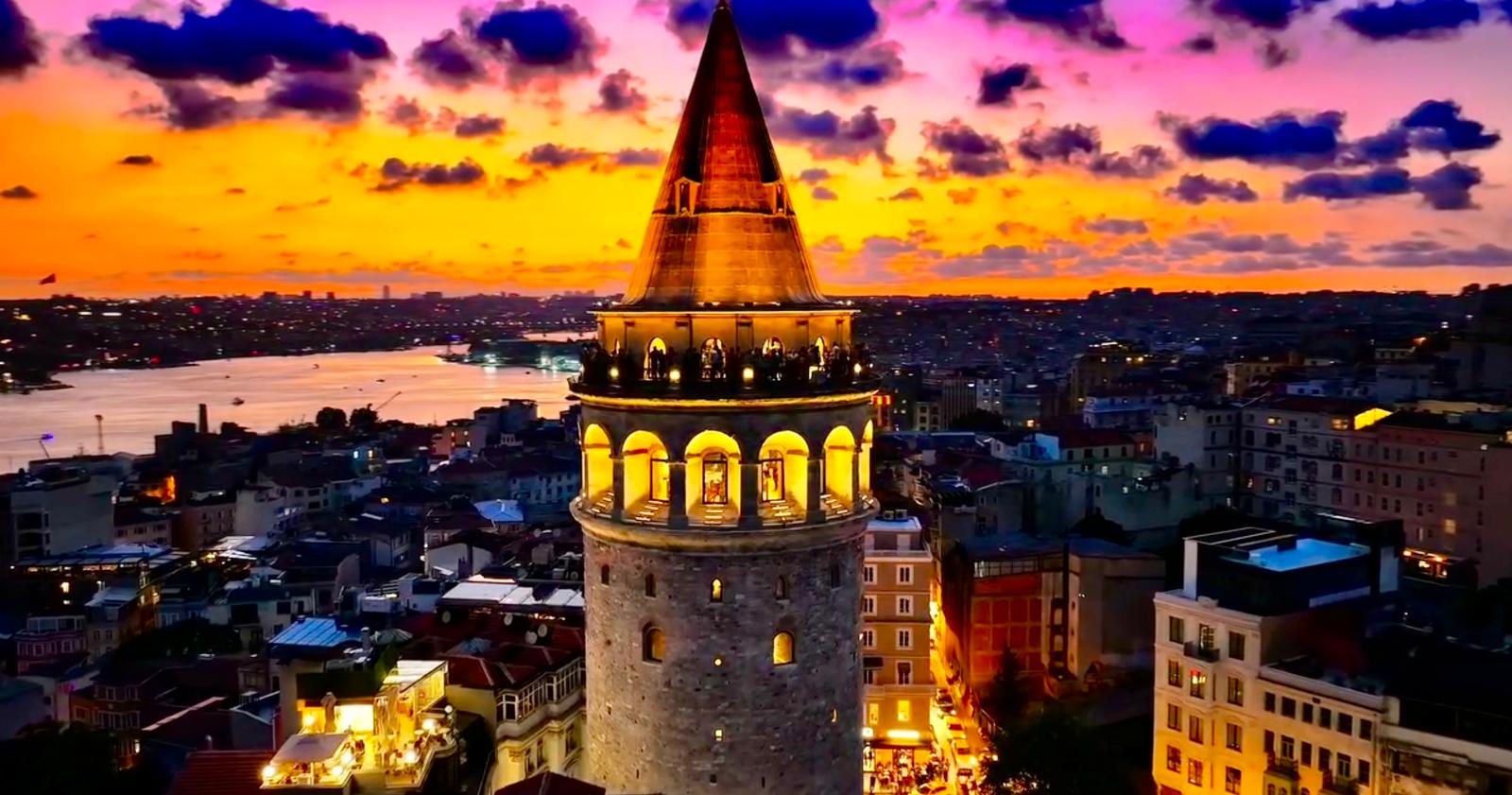
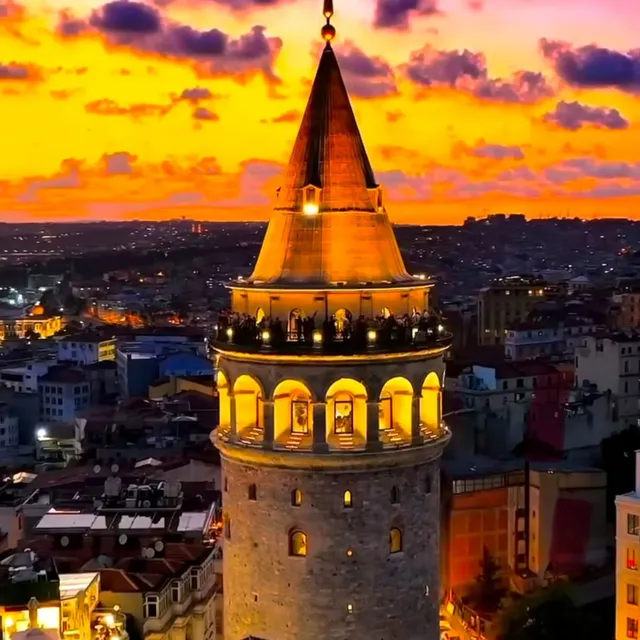
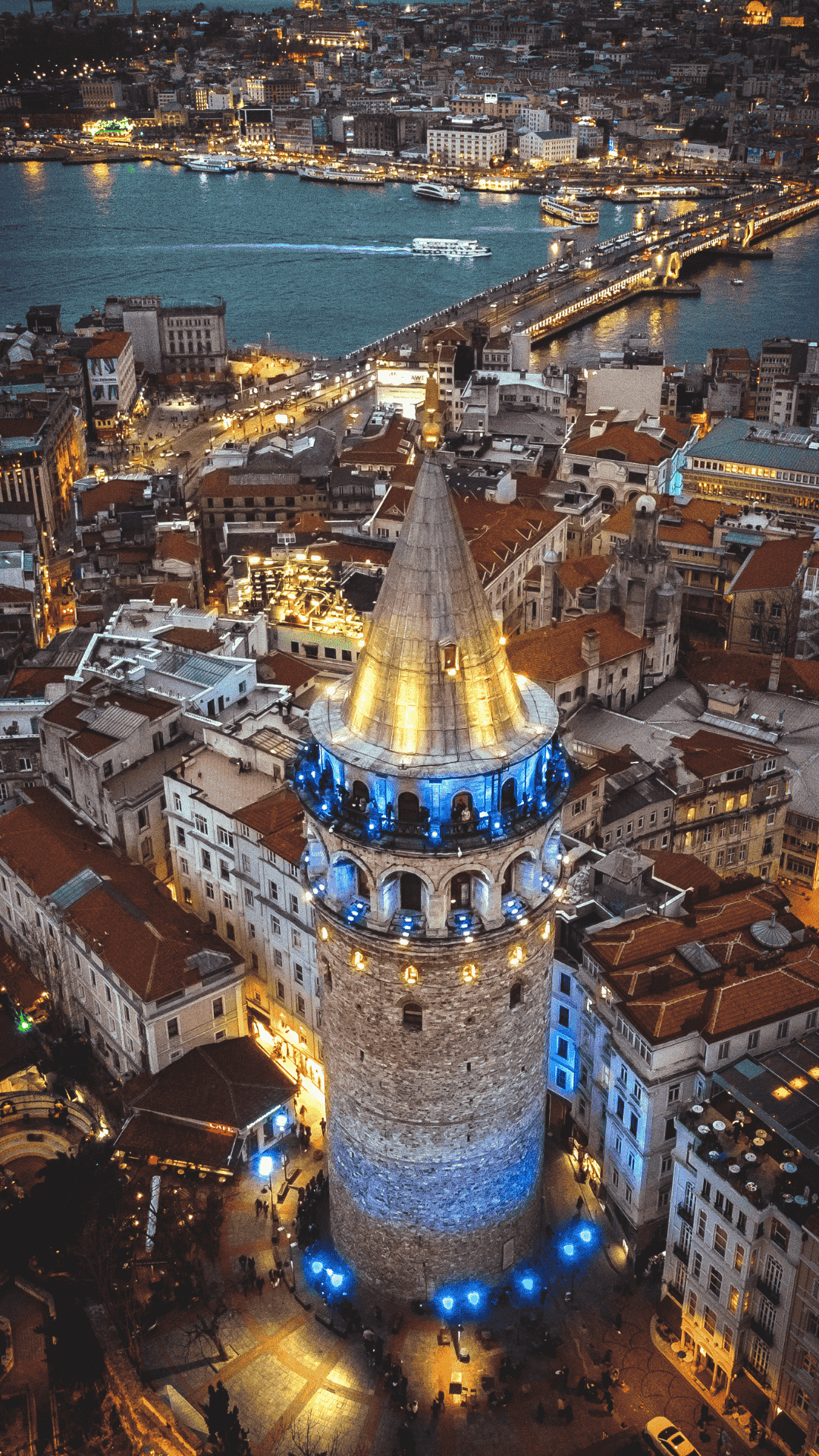
It was easy to imagine that this place had seen livelier days, when shopping was denser, busier and more colorful. Yet even if those days are behind it, Cukurcuma still carries an antique culture said to stretch back 550 years. With its old buildings, characteristic architecture, unusual shops and historic side streets, it remains a place unlike any other. If you want to place this quarter within the wider story of Istanbul’s monuments, nearby landmarks such as Galata Tower offer another way to read the city’s layers. For practical city transport updates before you go, check the official Istanbul public transport network at IETT.
FAQ about Cukurcuma
What is Cukurcuma known for?
Cukurcuma is best known for its antique shops, second-hand culture, historic streets and old Beyoğlu atmosphere. It stands out as a quieter, more nostalgic part of Istanbul where collectors, artists and curious walkers still come to browse and wander.
Where is Cukurcuma in Istanbul?
Cukurcuma is in Beyoğlu, in the area between Firuzağa, Galatasaray and Tophane. The name originally belonged to a street descending from Pera, but over time it came to describe the wider neighborhood around that route.
Is Cukurcuma good for antique shopping?
Yes. The area is strongly associated with antique dealers, flea-market culture and shops selling everything from furniture and carpets to maritime objects, tins, miniatures and decorative pieces. Stock changes over time, so browsing is part of the experience.
What historical sights are in Cukurcuma?
The neighborhood includes Cukurcuma Mosque, described here as a 16th-century work by Mimar Sinan, as well as the 18th-century Ömer Ağa Fountain and streets lined with old buildings, especially around Faik Paşa Street.
What makes Cukurcuma different from other Beyoğlu areas?
Unlike the busier, more fast-changing parts of Beyoğlu, Cukurcuma feels modest and suspended in time. Its mix of antique trade, layered communities, side streets, workshops and everyday shops creates a more intimate and reflective mood.