Why this area is the heart of Istanbul
The pleasant journey begins at Taksim Square, which takes its name from the Ottoman-era stone reservoir located in the area. In the middle of the wide square, the Republic Monument stands beside one of the central stations of the Istanbul Metro network. From here, İstiklal Street opens into one of the city’s best-known pedestrian routes, where architecture, food, shopping, culture and daily life come together in a single long promenade.
The district is especially well known for its cosy and tasty restaurants. Hatay Medeniyetler Sofrasi is described as one of the most delicious restaurants, owned by the renowned chef Burak, where well-designed dishes create a striking mixture of Arabic and Turkish cuisines. Changa, located in a restored Art Nouveau house built in 1903, is another good choice for Turkish cuisine blended with modern Pacific Rim style dishes under the consultancy of chef Peter Gordon.
If you enjoy international food, there are many more options along the avenue. Picante is a destination for Mexican cuisine, Falafel Tyros is a great option for Lebanese dishes, and pizza lovers may enjoy Faros for its homemade, thin-crust, wood-fired Italian pizza. The Greek restaurant Eleos, situated near the historic Tünel, is known for its plentiful seafood dishes. International fast food chains such as Pizza Hut, McDonald’s, Subway and Burger King are also located at Taksim Square.
Beyond its restaurants, the elegant pedestrian street is lined with famous brands and shops, including boutiques, cafes, music stores, bookstores, historical patisseries and chocolateries. Cinemas, art galleries, theatres and the opera house also add to the district’s cultural energy, making the avenue active from day to night.
Historic buildings and religious landmarks
The ancient avenue also hosts many historic buildings and places of worship. Among them are Hüseyin Ağa Camii Mosque, the Roman Catholic churches of Santa Maria Draperis and S. Antonio di Padova, the Greek Orthodox Haghia Triada, the Armenian Üç Horan, several synagogues, and much-loved side passages such as Çiçek Pasajı (Flower Passage) and Balık Pazarı (the Fish Market).
Some old buildings also reflect the political and diplomatic history of the district, including academic institutions and consulates established by numerous European nations in the 19th century. This layered identity is one of the reasons the avenue remains so distinctive in Istanbul.
Hotels, nightlife and entertainment
It is also home to some of Istanbul’s majestic hotels, including the InterContinental, the Ritz-Carlton, The Marmara Hotel and Walton Hotels, known for their luxury style and charming views of Istanbul and the Bosphorus. These features help make a stay in the area especially pleasant.
Nightlife on the avenue is popular with both tourists and Istanbul residents. Visitors often spend lively evenings in pubs such as Corner Irish Pub, Camp and Babylon, where Turkish and international live music help create a vibrant atmosphere. Another well-known option is 360 Istanbul, the rooftop restaurant and bar with its 360-degree view of Istanbul, where a DJ plays music on weekends. Beat, Escape Club, Ritim and Jolly Joker Istanbul are also among the nightlife choices for those wanting to enjoy the area with friends.
Events, tramway and the route to Galata Tower
Taksim Square has hosted many events throughout the year, including New Year’s Eve and Republic Day celebrations. The annual Istanbul Pride used to take place here as well, alongside international art events such as the annual Istanbul Film Festival. The square’s central role in public life reinforces its reputation as one of the city’s symbolic gathering points.
One of the most charming details of the district is the heritage Taksim-Tünel Nostalgia Tramway, which runs from the square along the avenue and ends near Tünel (1875), known as the world’s second-oldest subway line. For transport details, visitors can check the official Istanbul Metro network at metro.istanbul.
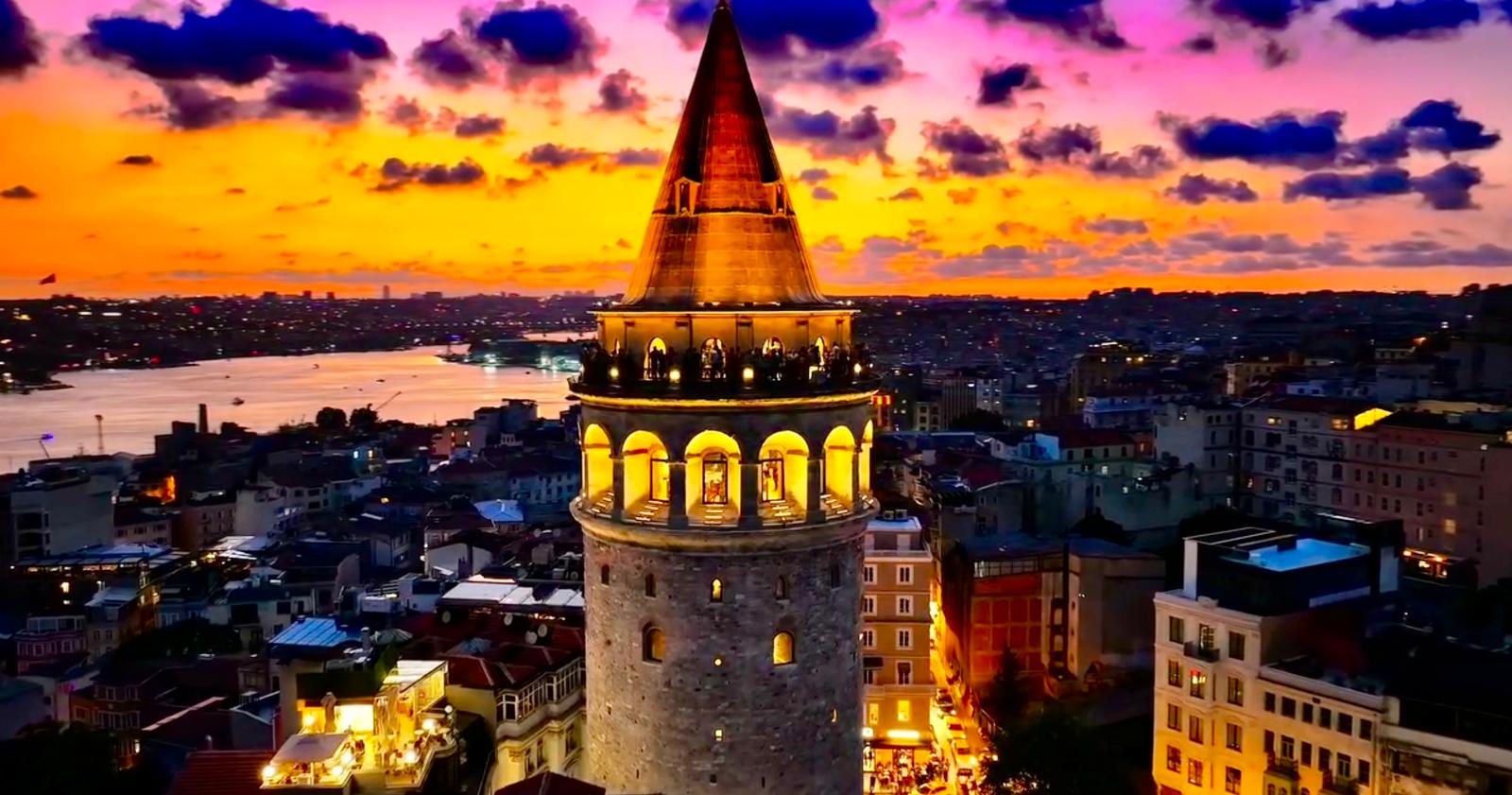
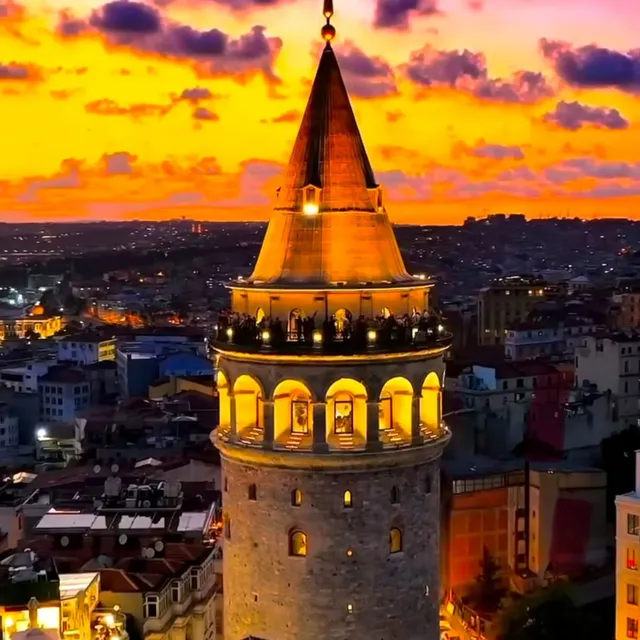
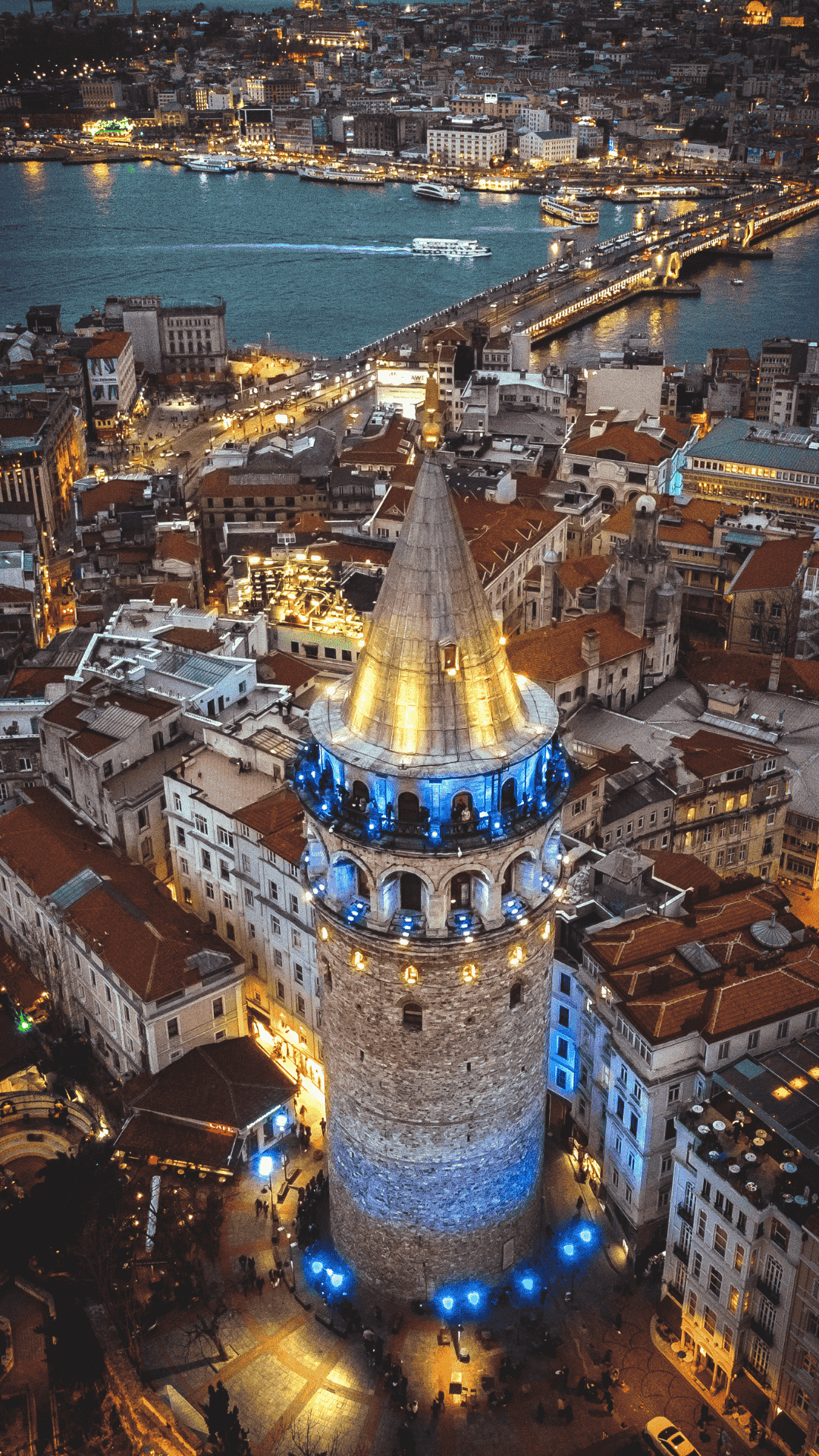
Before İstiklal Avenue ends, a noticeable medieval stone tower comes into view: Galata Tower, one of the most important landmarks in Istanbul. The monument was first built in 507-508 AD by the Byzantine emperor Justinianos. On its upper floors are a restaurant, café and nightclub, all known for magical views over Istanbul and the Bosphorus. You can also read more background on the wider historic significance of Istanbul on unesco.org.
Through the years, Taksim has remained the heart of the ancient city because of its important location and the old monuments in the area. With its architecture, religious landmarks, shops, hotels, nightlife and iconic route from Taksim Square to Galata, it continues to be a special attraction for residents and tourists from around the world.