
Once ashore, the aroma of bread baking in wood-fired ovens makes the district instantly memorable. As you stroll along the main avenue, you pass shops with small windows, stands of fresh fish, a historical bakery, wooden houses whose doors open onto the street, and seaside mansions seemingly lifted from another era. The local greengrocers proudly display the famous “Çengelköy gherkins,” while the savory pastry shop is another stop not to miss.
There are several stories about the origin of the village's name. Although little information survives about its status in the 15th century, it is said that Sultan Mehmed II, while preparing for the conquest of Constantinople in 1453, discovered a number of Byzantine palmed anchors in the area. Their Turkish counterpart, derived from the Persian word for “claw,” is çengel, and so the village came to be known as the “Village of Anchors,” or Çengelköy. Another account suggests that the village earned its name because anchors were once forged here.
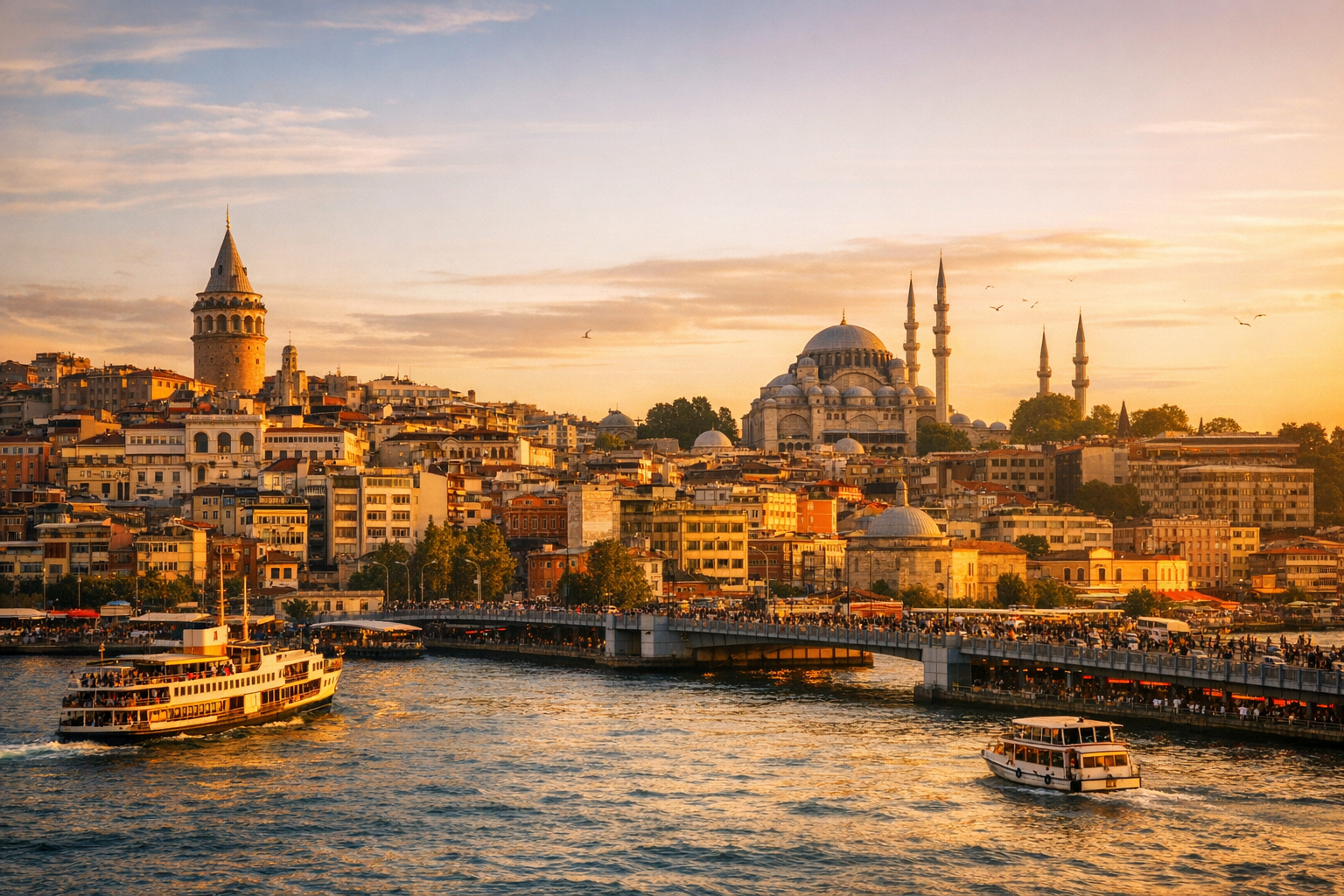
Whatever the true source of its name, Çengelköy has long held a reputation as one of the Bosphorus's loveliest settlements. Though now part of metropolitan Istanbul, it has preserved much of its distinct character. Like other quiet Bosphorus neighborhoods, it rewards those who prefer atmosphere over hurry. If you are exploring the shoreline, combining a visit here with nearby Beylerbeyi Palace makes for a fitting Bosphorus day out.
Cengelkoy and its historic Bosphorus character
The Bosphorus has always been admired for its wooden seaside mansions, and Çengelköy once had many of them. Fires claimed a number of these historic structures over time, but some important survivors remain. The Sadullah Pasha Seaside Mansion, built in 1783, is among the most notable examples still standing today. Another, the Edip Efendi Seaside Mansion, survives in a weakened state and is still awaiting restoration.
Çengelköy's historical identity is not expressed only through architecture. It lives equally in the pace of life and in its social fabric. The older residents are known for their warm smiles and easy familiarity with neighbors. In a city where apartment life often distances people from one another, Çengelköy still preserves something more intimate and communal.
Friendly inhabitants, hot tea, and the monumental plane tree
Shopping in Çengelköy often means being met with open, friendly faces. The tradesmen naturally know the locals well, but visitors are made to feel welcome too. This easy hospitality helps explain why the district becomes especially lively on weekends, when many people come simply to enjoy its calm, familiar atmosphere.
Like other Bosphorus neighborhoods, Çengelköy has tea gardens known as “Under the Plane Tree,” and its own is especially famous. The plane tree is said to be around 500 years old, 15 meters tall, 6.6 meters in circumference, and 1.92 meters in diameter. Its history includes an unfortunate episode that led some to call it “The Killer”: according to local story, a dead branch once fell and caused a fatality in the tea garden below.
Even so, the tea garden remains highly popular, especially on weekends. The tree itself has aged considerably. One large limb stretches horizontally for about a dozen meters, and the Üsküdar Municipality has supported it with iron props placed at one-meter intervals. Because of its age and significance, it was designated one of Istanbul's monumental trees and placed under protection. The late Çelik Gülersoy, former president of the Turkey Touring and Automobile Club, also included it among his listed monumental trees.
To sit in its shade with a glass of strong tea and a savory ground-beef pastry in hand is one of the simple pleasures of Çengelköy. Looking out to the small pier in front of the tea garden, you can watch boats arriving and departing in steady rhythm. For travelers interested in seeing more of the waterfront from the water itself, a Bosphorus Cruise pairs naturally with a visit to this district.
Fishermen, cats, and daily life by the shore
The boats at the pier are often used by fishermen who set out before sunrise. Yet it would be mistaken to assume that all the fishers are men. In Çengelköy, women and even children also take part in fishing, and visitors are often surprised by the quantity of fish brought in.
Another unmistakable part of the district's atmosphere is its cats. If you are not particularly fond of cats, you may feel slightly overwhelmed at the tea garden, where stray cats of many colors and sizes wander freely. But for cat lovers, this is part of the place's charm. The animals are generally tame, having grown up in a neighborhood where they are cared for with real affection. Bowls of food and water are set outside many homes, and the local fondness for cats is visible everywhere.
For car aficionados
Çengelköy also has an unexpected attraction for automobile enthusiasts. Up on Bosna Boulevard stands the Automobile Museum of the Sabri Artam Foundation. The museum houses a variety of vehicles, including antiques, race cars, custom-designed cars, and motorcycles. It also provides maintenance and restoration services for older automobiles.
The museum has been described in this account as the most comprehensive car museum in Turkey. It is open on Saturdays and Sundays from 10 a.m. to 7 p.m., though it is always wise to check current details before visiting. For broader background on the district itself, you can also consult Wikipedia's Çengelköy entry.
Once known for supplying the whole Üsküdar area with its famous staked tomatoes, whose fragrance spread through the village, Çengelköy today feels both nostalgic and modern. It may seem small at first glance, yet it offers a surprising number of pleasures: a waterfront setting, old mansions, welcoming tea gardens, neighborhood life, and a memorable sense of continuity. Summer or winter, it greets visitors with the same warmth.
Çengelköy awaits.
Frequently asked questions about Cengelkoy
What is Cengelkoy known for?
Cengelkoy is known for its Bosphorus village atmosphere, historic seaside mansions, traditional bakeries, tea gardens, local fishing culture, and the famous Çengelköy gherkins. It is also noted for its monumental plane tree and its enduring neighborhood character.
Where is Cengelkoy in Istanbul?
Cengelkoy is on the Asian side of Istanbul along the Bosphorus, near Üsküdar and Beylerbeyi. Its location makes it a pleasant stop while exploring the Bosphorus shore and nearby historic waterside neighborhoods.
Is Cengelkoy worth visiting?
Yes, especially if you enjoy quieter districts with local character. Cengelkoy offers a slower pace than central sightseeing areas and is well suited to visitors interested in everyday Bosphorus life, tea gardens, old houses, and waterfront walks.
What can you do in Cengelkoy?
You can walk along the main avenue, relax in a tea garden, see historic waterfront mansions, watch fishing boats by the pier, and visit the Automobile Museum of the Sabri Artam Foundation. It also works well as part of a wider Bosphorus itinerary.