
Fener and the golden horn
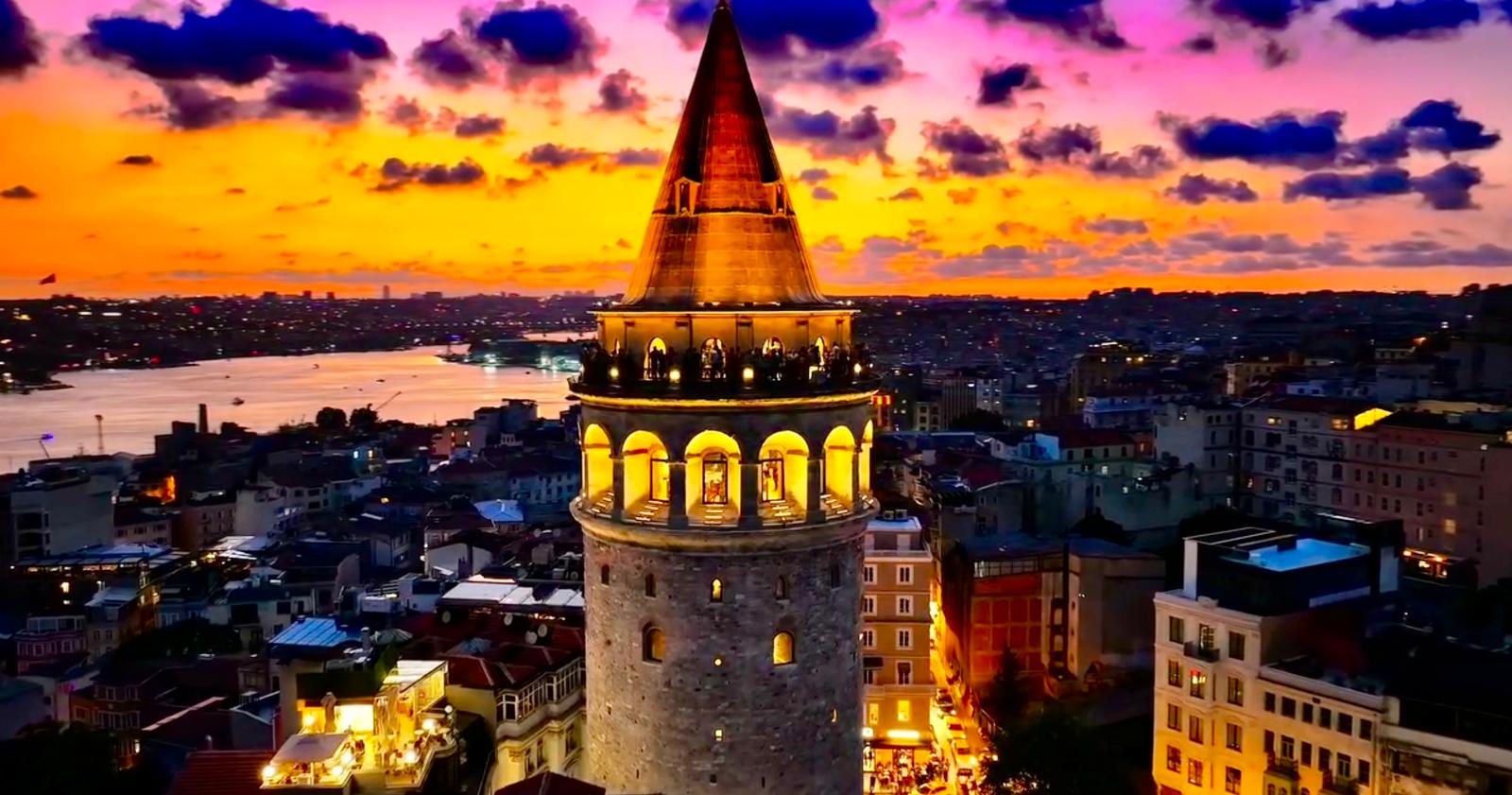
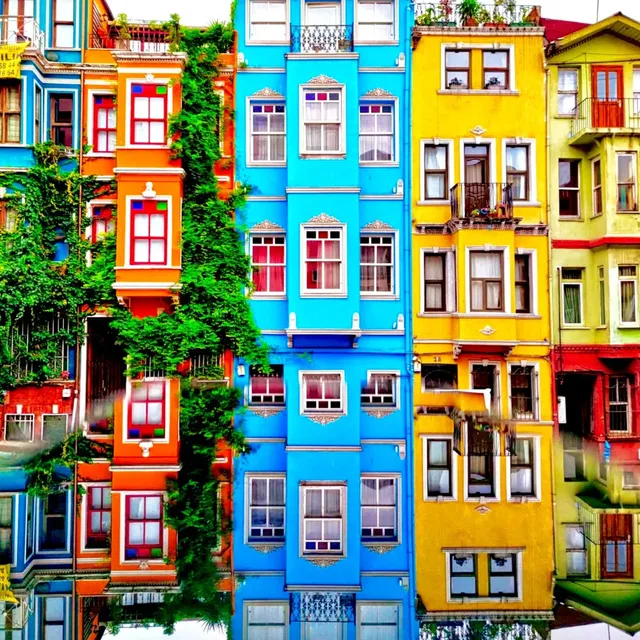
The neighborhood of Fener lies within the district of Fatih, on the western side of the Golden Horn. Fener and neighboring Balat are part of Istanbul’s historic urban fabric and are associated with the city’s UNESCO World Heritage setting. The area was first known as Fanarion, after what was described as the most important lighthouse in the Golden Horn, located here. A wide variety of historical churches, mosques, and houses can still be found in Fener. The Patriarchate remains here, making the neighborhood an important center for the Orthodox Church.
Walking through Fener, visitors encounter layers of Istanbul’s past in a compact area. Its religious monuments, streets, and residential buildings make it one of the city’s most distinctive quarters for those interested in history, architecture, and everyday local life.
Balat
Like Fener, Balat is also associated with Istanbul’s UNESCO World Heritage area. From Byzantine times onward, this neighborhood tended to be the area of choice for Istanbul’s Jewish community. Its architectural monuments, churches, synagogues, public baths, and markets preserve a rich historical quality even today. Visiting Balat can feel like seeing a living picture of Istanbul over the past 2000 years. If you want to continue exploring the quarter in more depth, read our Balat guide.
Together, Fener and Balat offer one of the most rewarding walks on the Golden Horn. They are especially appealing to travelers who want to move beyond the best-known imperial landmarks and discover neighborhoods where different communities left visible traces over centuries.
Pierre Loti Cafe
Pierre Loti Cafe is one of the best-known viewpoints overlooking the Golden Horn. It is a popular place to drink a frothy Turkish coffee, sip tea from a small clear glass, or smoke narghile while taking in the Historical Peninsula from above. Named after the French novelist and naval officer Pierre Loti, the cafe is widely known as one of the classic places from which to view the Golden Horn.
From the neighborhood of Eyüp, you can reach the cafe either by car or by walking uphill on a footpath through a cemetery. However, taking the cable car is often the most enjoyable option, especially for the short ride and the view. For current transport details, it is sensible to check official city transit sources such as Metro Istanbul or IETT.
The cafe itself consists of a stone terrace decorated in traditional Turkish motifs and faces the Golden Horn from the hills of Eyüp. Another section sells postcards, gifts, and books. Behind the cafe, there is also a separate complex of cafes, restaurants, and hotels designed in the style of old Istanbul houses.
Pierre Loti was a French writer whose actual name was Louis Marie Julien Viaud. During his time in Istanbul, one of his most frequent haunts was this cafe, then known as “Rabia Kadın Coffeehouse.” He is said to have been particularly fond of smoking narghile. In honor of the fact that he frequented the cafe, it later became known as “Piyerloti Cafe.”
Why visit this part of Istanbul?
The Golden Horn, Fener, and Balat together present a side of Istanbul shaped not only by imperial history but also by neighborhood life, religion, trade, and everyday continuity. The shoreline, the old houses, the places of worship, and the elevated views from Eyüp all combine to create an experience that feels very different from the monumental core around Sultanahmet Square.
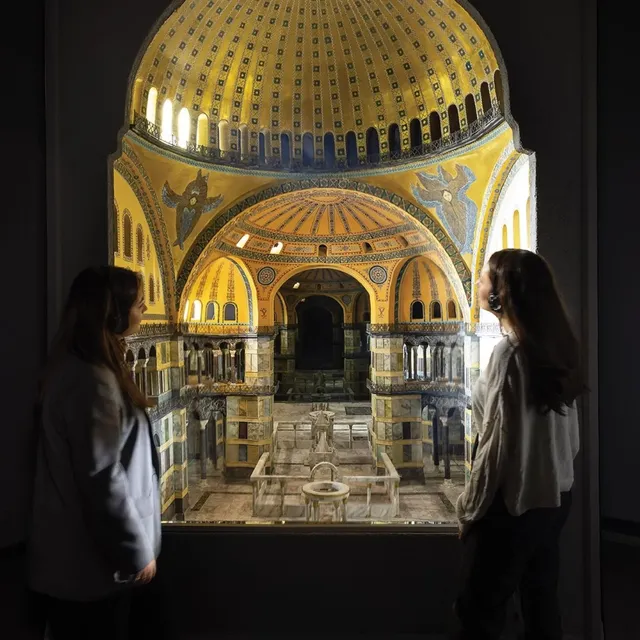
If your Istanbul itinerary already includes famous sites such as Hagia Sophia, this district offers a more local and layered perspective on the city. It is ideal for travelers who enjoy walking, photography, and discovering how Istanbul’s many communities helped shape its identity.
FAQ
What is the Golden Horn in Istanbul?
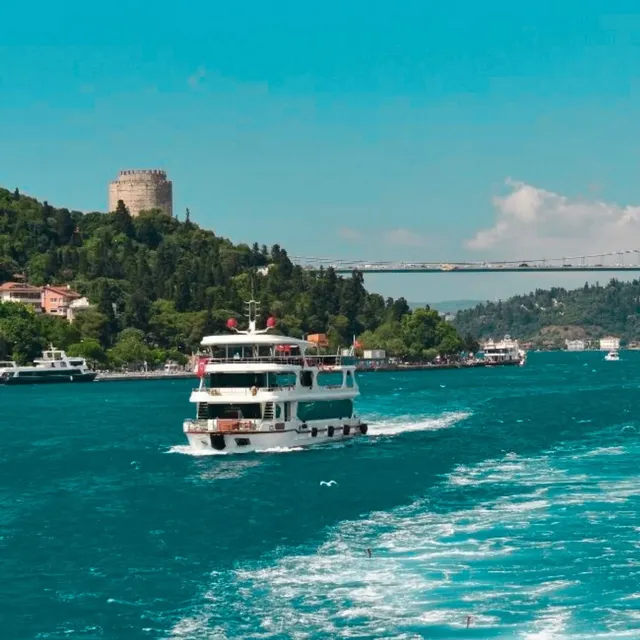
The Golden Horn is a natural harbor at the mouth of the Bosphorus on Istanbul’s European Side. It separates the Historical Peninsula from Beyoğlu and has historically been important for fishing, agriculture, and transportation.
Why are Fener and Balat important?
Fener and Balat are historically significant neighborhoods connected with Istanbul’s UNESCO World Heritage setting. They are known for their churches, synagogues, mosques, houses, baths, and markets, reflecting the city’s multicultural past.
What is Pierre Loti Cafe known for?
Pierre Loti Cafe is best known for its panoramic view over the Golden Horn. Visitors often go there to enjoy Turkish coffee, tea, or narghile while looking out over Eyüp and the Historical Peninsula.
How do you get to Pierre Loti Cafe?
You can reach Pierre Loti Cafe from Eyüp by car or by walking uphill through the cemetery. The cable car is also a popular option and is often recommended as the most enjoyable way to make the short ascent.
Is Fener and Balat good for a walking tour?
Yes. Fener and Balat are well suited to walking because their appeal lies in the streetscape, historic buildings, and neighborhood atmosphere. Exploring on foot makes it easier to appreciate the area’s architectural and cultural layers.