Inside
What to See in Balat: Streets, Cafés & Landmarks
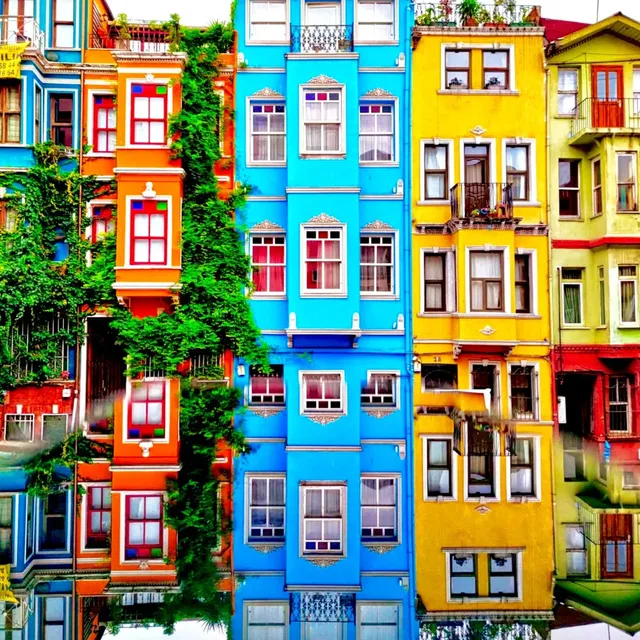
Balat is the historic Jewish quarter of Istanbul, settled in force after 1492, when the Ottoman Empire took in Sephardic Jews expelled from Spain (Wikipedia, 2026). Its twin is Fener, the Greek quarter next door, home to the Ecumenical Patriarchate — together they form one continuous, hilly, endlessly photogenic walk along the Golden Horn. Where are the famous houses, exactly? The color-washed facades cluster around Kiremit Street and its neighbors — in fact a surprisingly small area, which is why the lanes jam by noon. Come early. The cats will be awake; the crowds will not. Turkey's official Culture Portal lists the Fener-Balat shore among Istanbul's essential historic quarters, and the walk proves the listing: no other neighborhood in the city packs synagogue, church, and patriarchate into so few uphill meters.
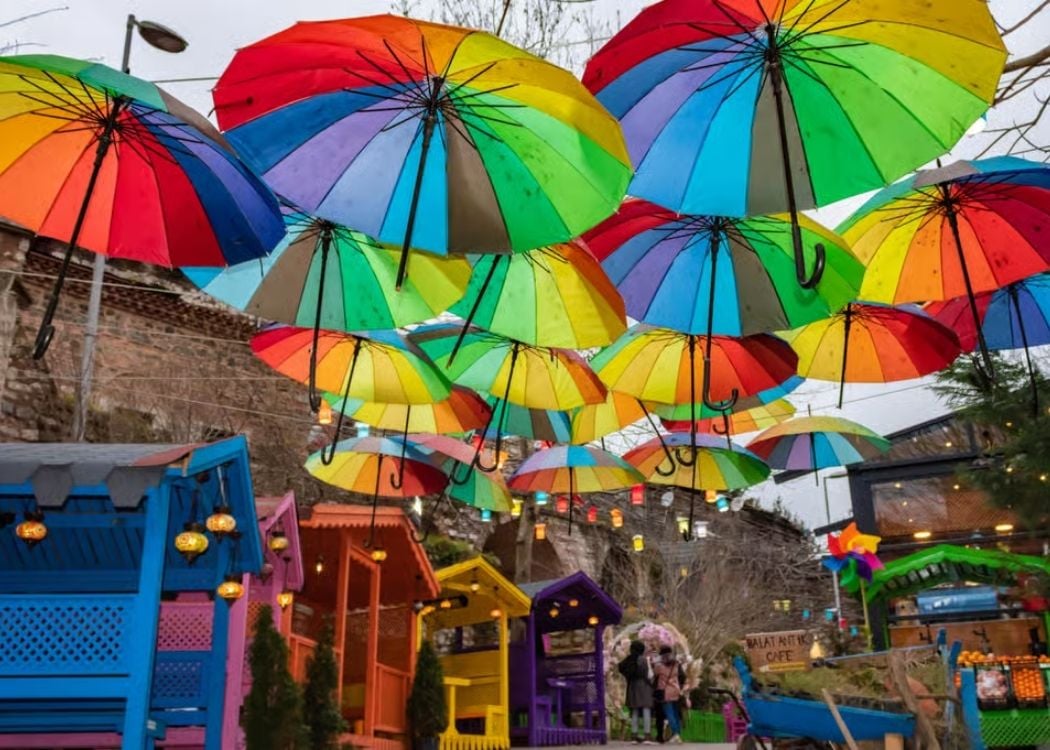
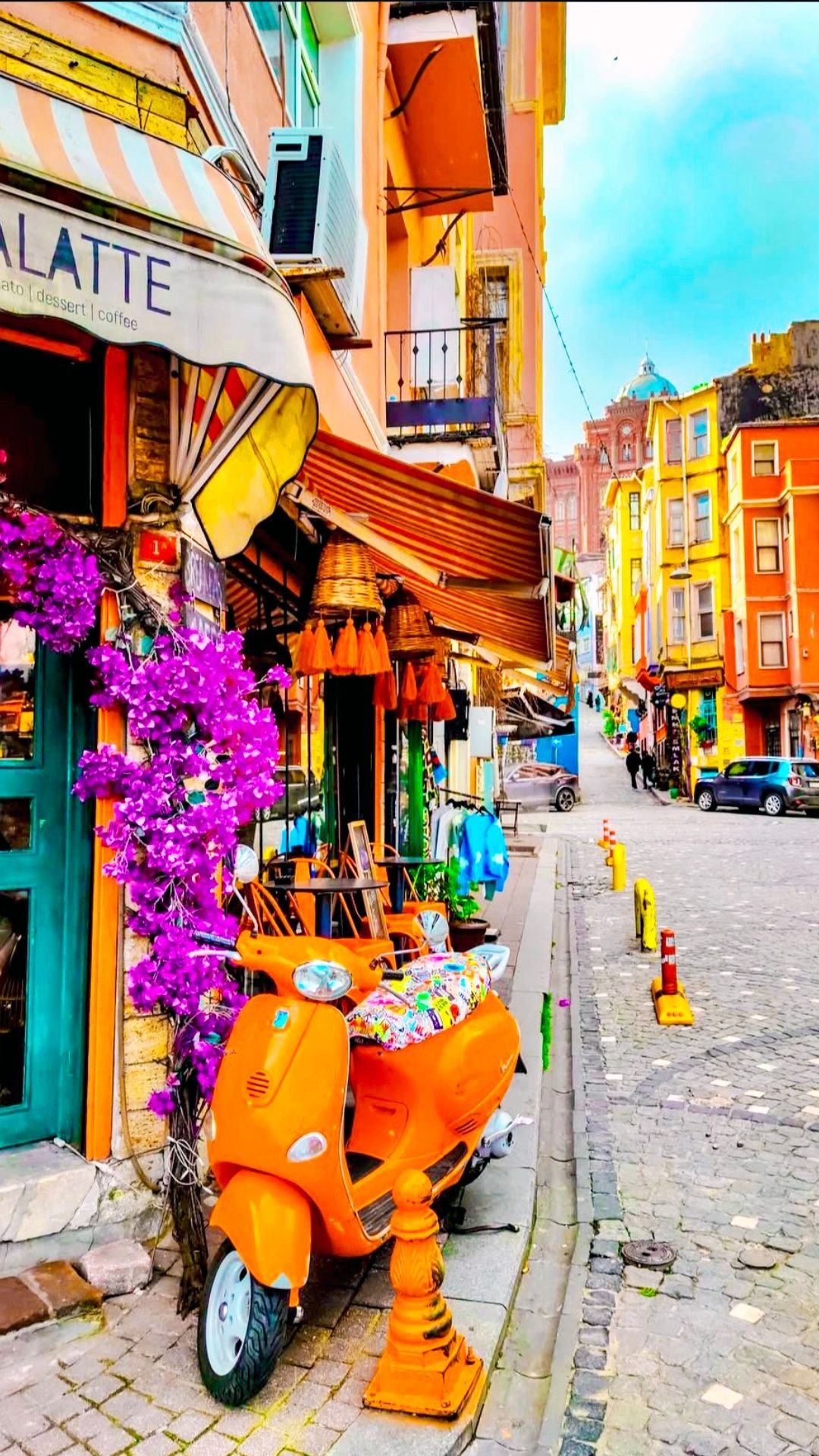
The café scene is the neighborhood's second act. Antique shops spill onto pavements, roasteries occupy former workshops, and the umbrella-canopied lanes serve coffee under a ceiling of color. In our experience the right rhythm is simple: climb first, caffeinate second. The hills are honest work, and the reward system works better in that order. Meanwhile, keep respect in frame — people live behind the famous doors, and the neighborhood's patience with photographers is a courtesy, not a contract. Should you book a café in advance? No — but weekend seat-hunting after noon is its own sport, which is one more argument for the morning.
Then come the landmarks, and they are stranger than the paint. The Ahrida Synagogue is the city's oldest, dating to the 15th century, with a bimah shaped like a ship's prow — tradition links it to Noah's Ark or the ships of 1492. Notably, visiting requires written permission from the Chief Rabbinate arranged days in advance; there is no walk-in. The cast-iron Bulgarian church of St. Stephen, likewise, is one of a kind: prefabricated in Vienna in 1898, floated down the Danube in pieces, and reopened gleaming on 7 January 2018 after restoration. Above everything looms the crimson-brick Fener Greek School of 1881–83, the "red castle" that owns the skyline.
History
Balat History: Five Centuries in Three Streets
Balat's story is the empire's minority policy written in architecture. After 1492, Sultan Bayezid II admitted the Sephardic Jews expelled by Spain, and Balat became one of their principal harbors — synagogues, workshops, and a Ladino-speaking world that lasted into living memory. Fener, in contrast, concentrated the Greek elite around the Patriarchate after the conquest. Consequently, one hillside held two civilizations wall to wall, with Armenian and Muslim neighbors woven through. The quarter was never a museum; it was a working port district, and it looked like one.
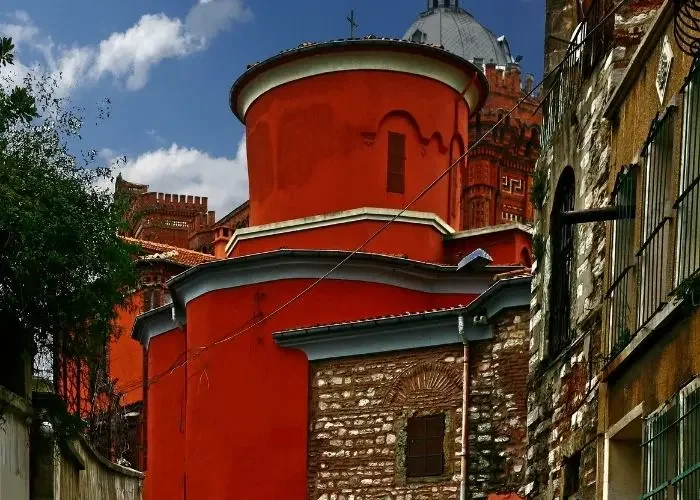
The twentieth century emptied it. Emigration, riots, and economic drift carried most of the old communities away, and the fine houses sagged into disrepair. Subsequently, rescue arrived in an unglamorous form: a UNESCO-supported rehabilitation program, funded with the EU from 2003 to 2007, restored facades and stabilized the quarter's fabric (UNESCO/EU programme records, 2007). In other words, the pretty paint that fills the feeds is the visible edge of a conservation project — Balat is a rehabilitation area, not a World Heritage site, and the distinction matters to the people doing the preserving.
Today's Balat runs on a newer economy: cafés, vintage shops, film crews, and the daily tide of visitors chasing the famous frames. The old institutions hold their ground — the Patriarchate still serves the Orthodox world from Fener, and the synagogues still hold services. Accordingly, the neighborhood rewards visitors who read it as a living archive rather than a backdrop. The paint is the least interesting layer; it is simply the first one.
Plan your visit
Getting to Balat & Walking It Well
How to get there
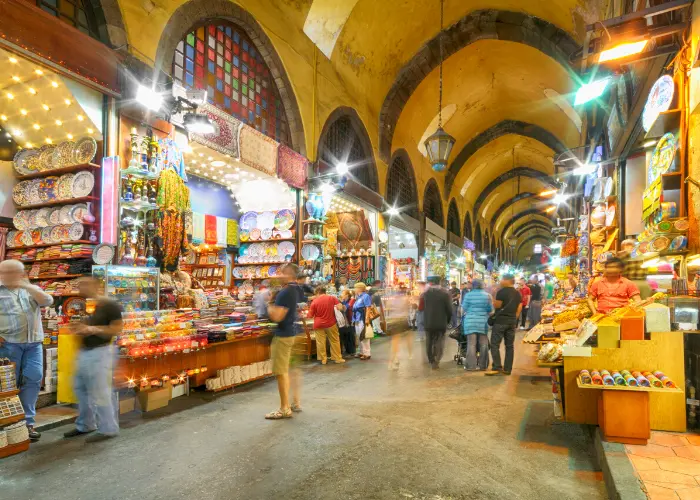
The prettiest arrival is by water: the Haliç ferry line stops at Fener pier, minutes from the heart of the quarter — check the timetable before building the day around it. The T5 tram runs the Golden Horn shore road, and buses from Eminönü pass constantly. For example, a natural loop starts at the Spice Bazaar, ferries two stops up the Horn, and walks back through Balat and Fener.
A route that works
Start uphill early: Kiremit Street's colored houses first, while the lanes are empty. Then drift down through the antique shops toward the water. Detour to St. Stephen's iron church on the shore, and climb Fener's side for the red school and the Patriarchate's Church of St. George. Our team measured the full figure-eight, coffee included, at about three hours. Likewise worth knowing: the two quarters' sights interleave, so treat Balat and Fener as one walk rather than two stops, and let the streets decide the order.
Timing and etiquette
Weekday mornings are a different neighborhood from weekend afternoons — we found 9am on a Tuesday utterly calm where Saturday at 2pm was a queue for doorsteps. Similarly, remember the quarter's rules: the Ahrida Synagogue requires advance permission from the Chief Rabbinate, the churches keep service hours, and the famous houses are homes. Photograph the street, not through the windows.
Pair it with
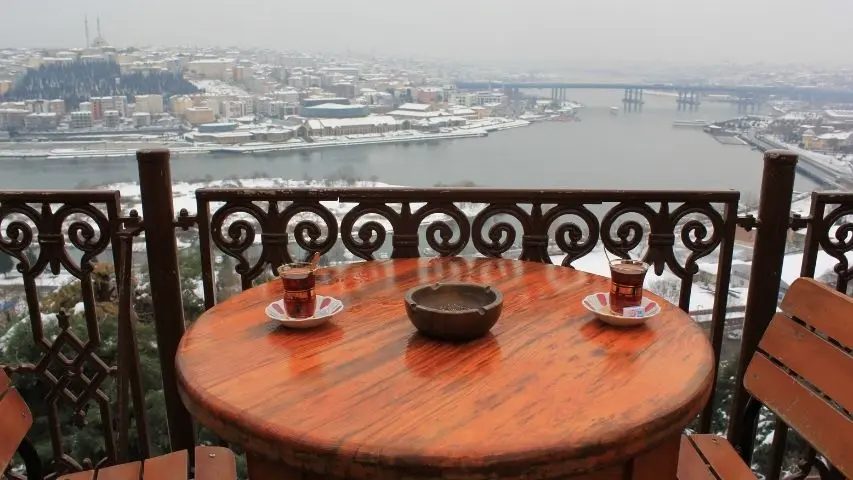
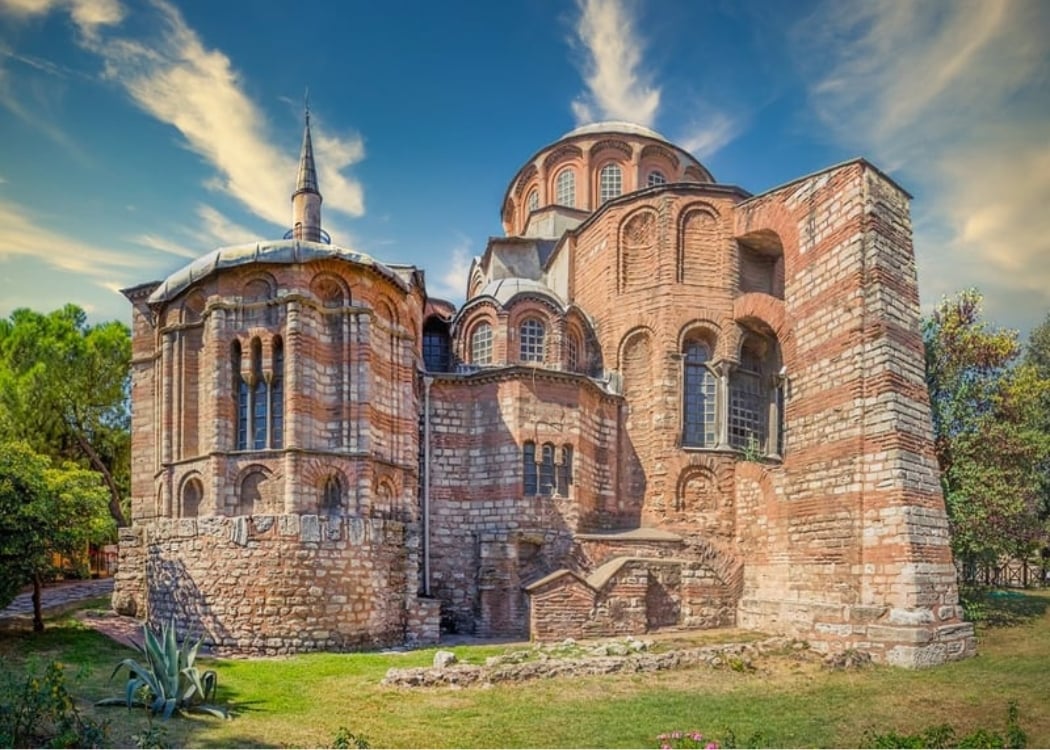
The hill above Balat hides the Kariye Mosque and its Byzantine mosaics — a twenty-minute climb that turns a pretty morning into a heavyweight day. In addition, the Pierre Loti terrace waits two ferry stops further up the Horn.
Fact-checked against official sources · August 31, 2026 · TURSAB-licensed operator
Tours
Balat Tours & Nearby
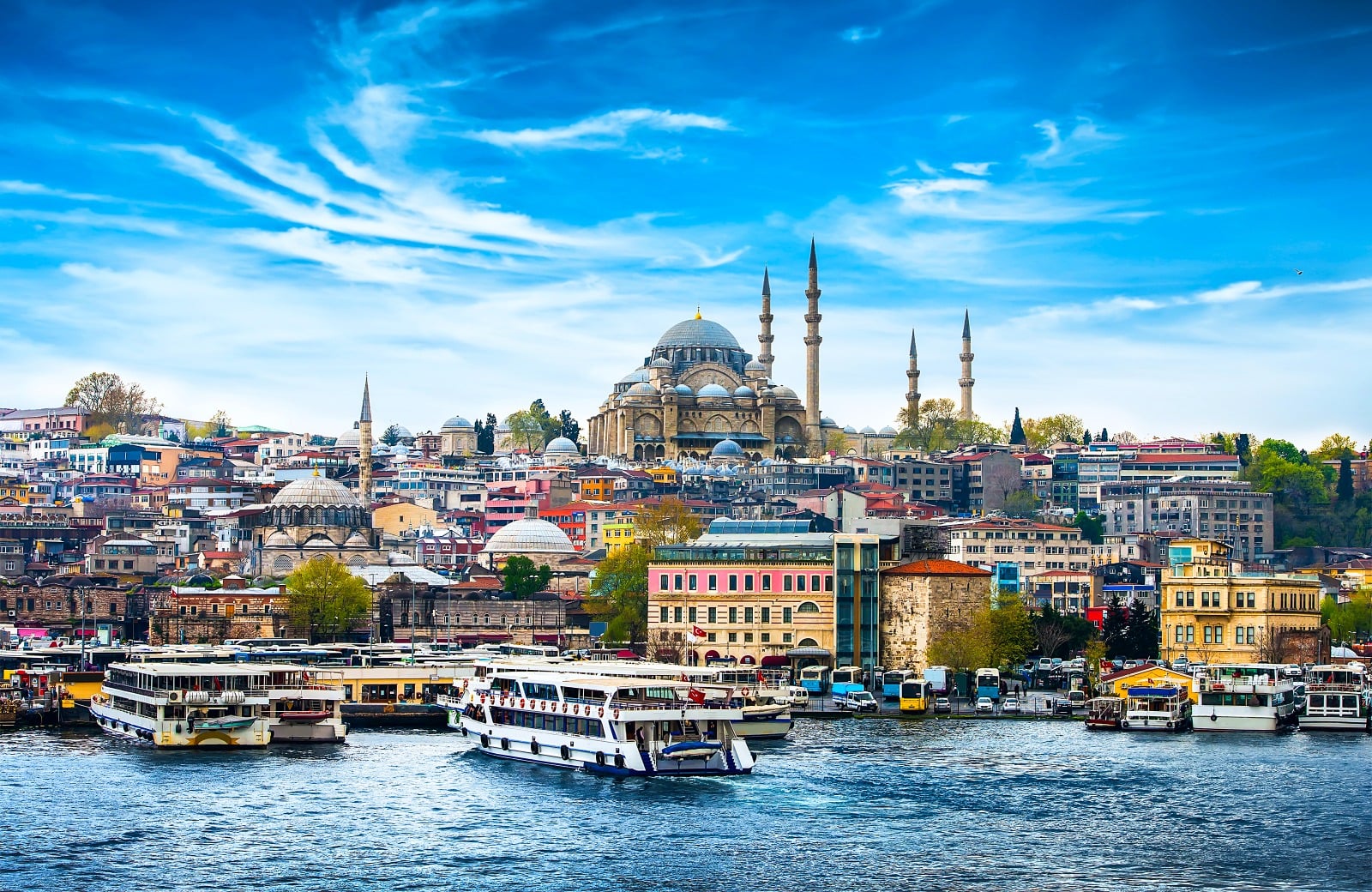
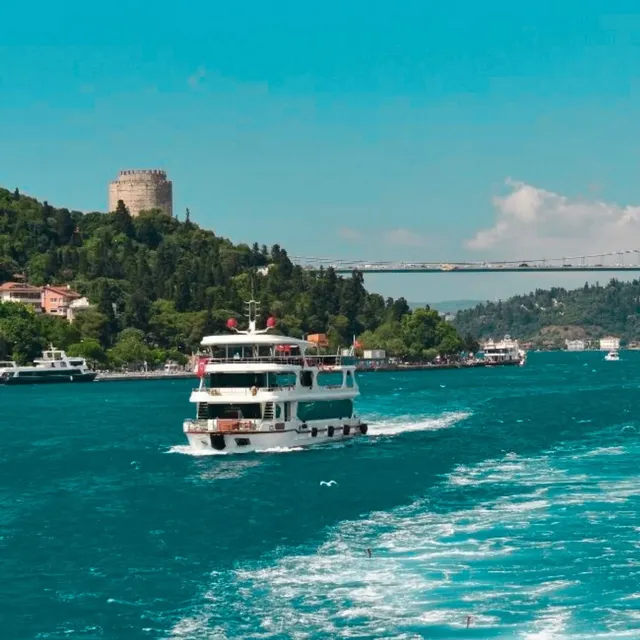
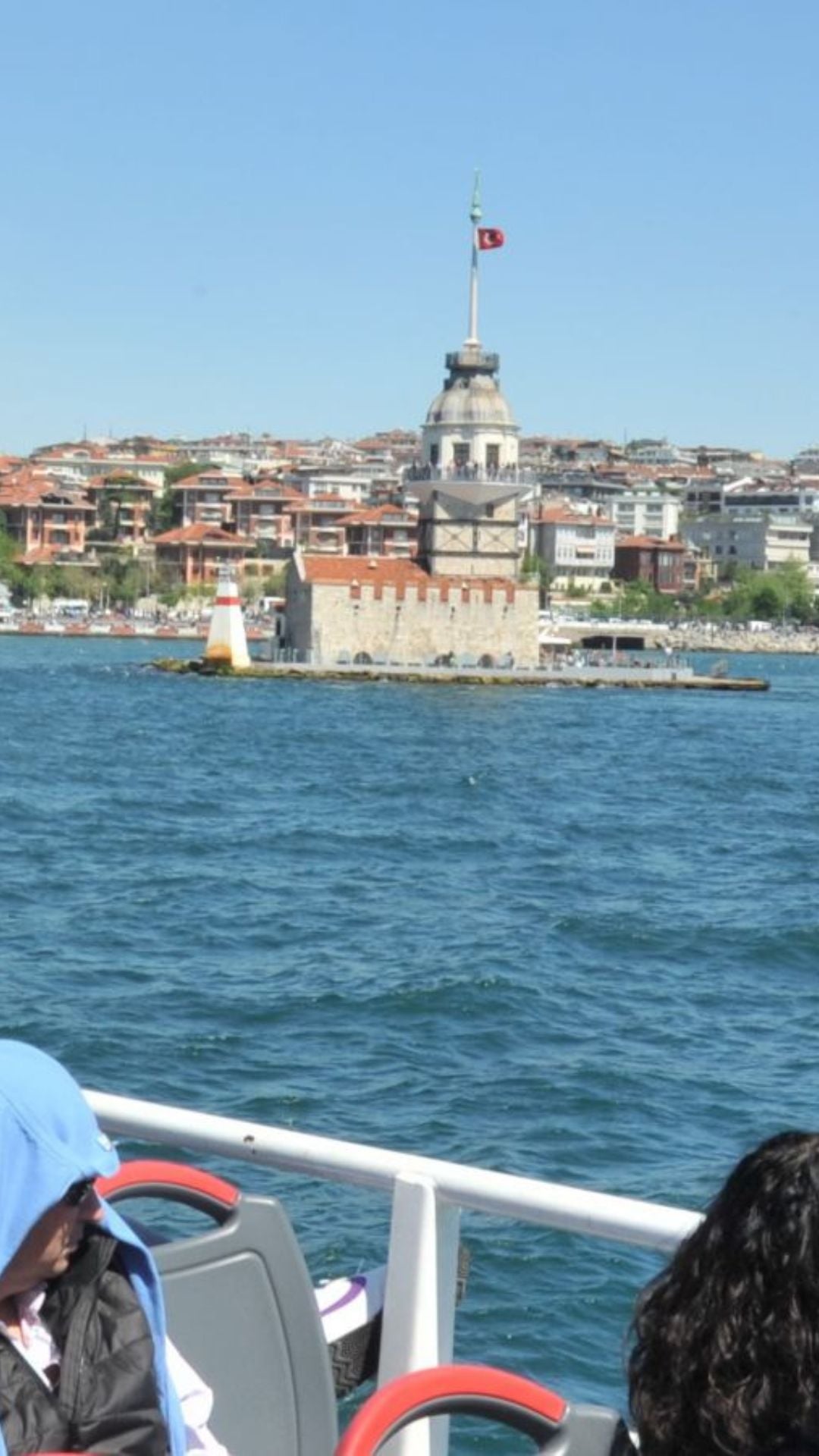
The streets are free — what the cards below add is depth and logistics. The self-paced audio guide threads Balat and Fener's stories house by house, at your own speed. The Golden Horn cruise, meanwhile, shows the quarter's painted hillside from the water — the view the ferries get. City-pass holders should check current inclusions along the Horn. Prices sit on the cards.


FAQ
Frequently Asked Questions
Its color-washed historic houses and layered minority heritage: Istanbul's oldest synagogue, the cast-iron Bulgarian church of St. Stephen, and the Greek Patriarchate in neighboring Fener. It is the city's most photographed neighborhood.
Completely — it is a living neighborhood of open streets. You pay only for coffee, antiques, and optional extras like an audio guide or the Golden Horn cruise.
Haliç ferry to Fener pier, the T5 tram along the Golden Horn shore, or buses from Eminönü. From the old city center it is about fifteen minutes by road.
Only with written permission arranged through the Chief Rabbinate days in advance — there is no walk-in entry. The 15th-century synagogue, with its ship's-prow bimah, is the city's oldest.
Weekday mornings, from about 9am — the famous lanes are empty, the light is soft, and the cafés open as you finish climbing. Weekend afternoons are the crowded worst case.
About three hours covers Balat and Fener's landmarks with a café stop. Adding the Kariye Mosque's mosaics uphill or a Golden Horn ferry ride makes it a full day.
Still have questions?
Our Istanbul travel experts are happy to help.
Nearby