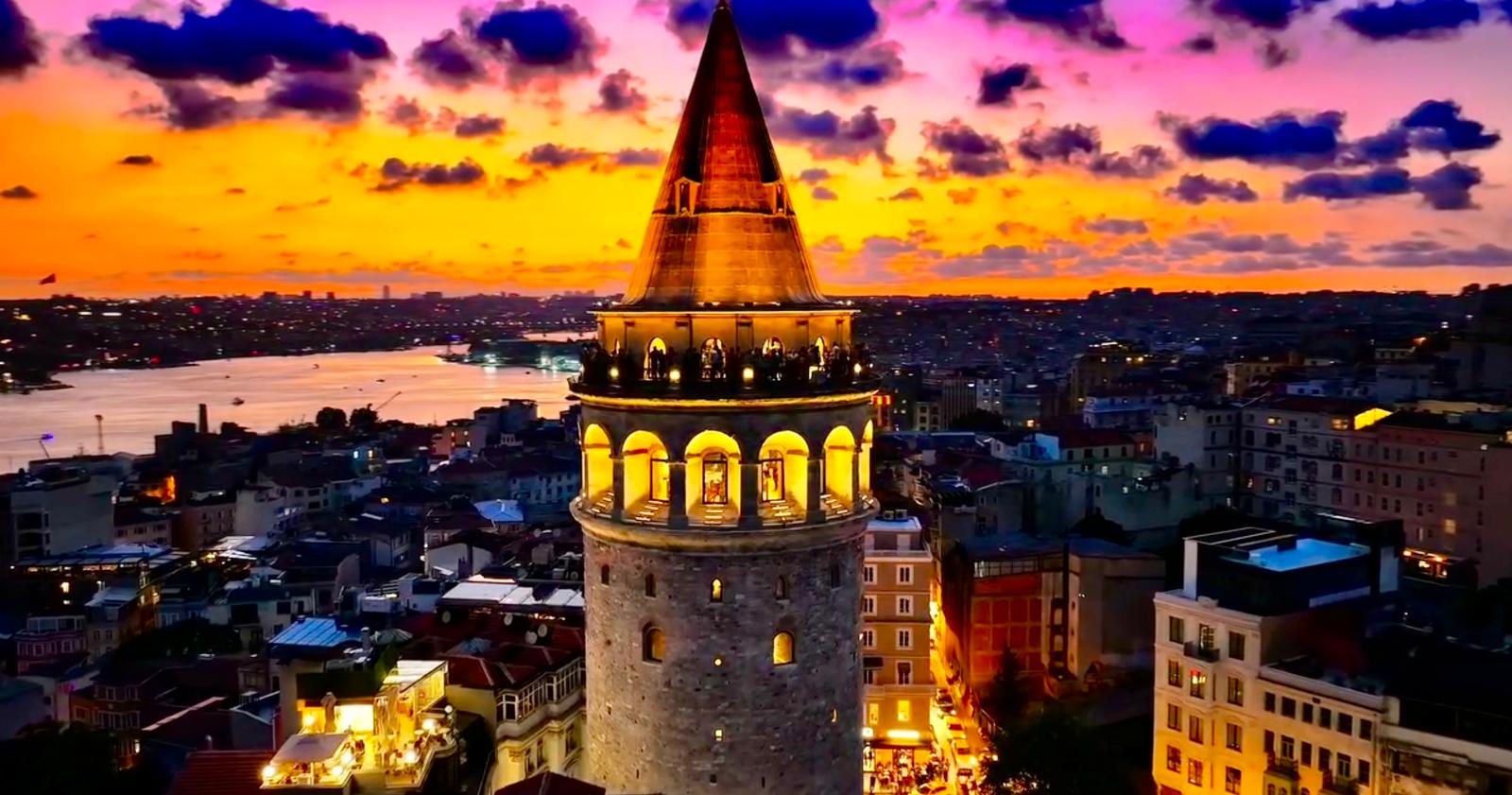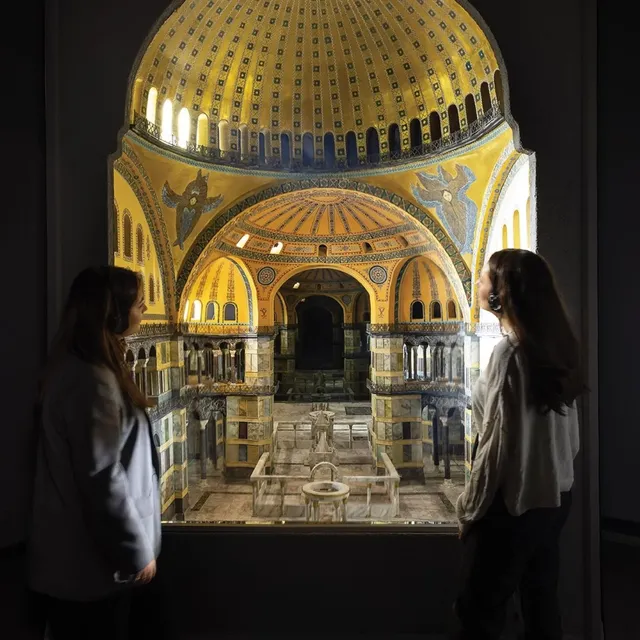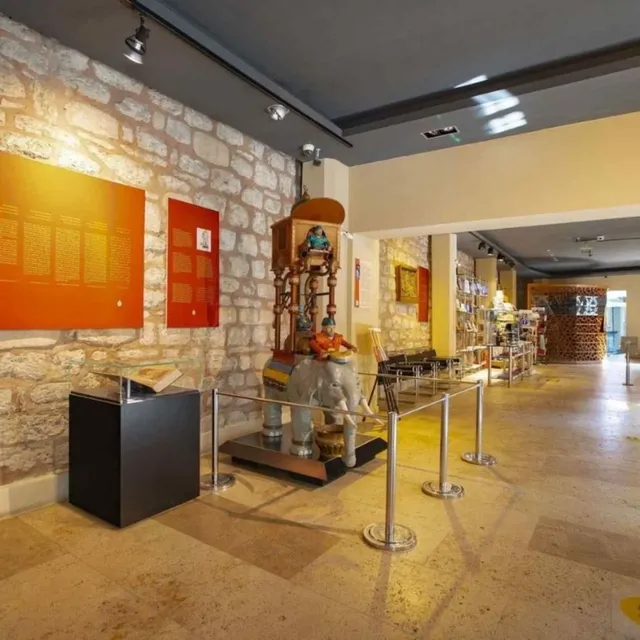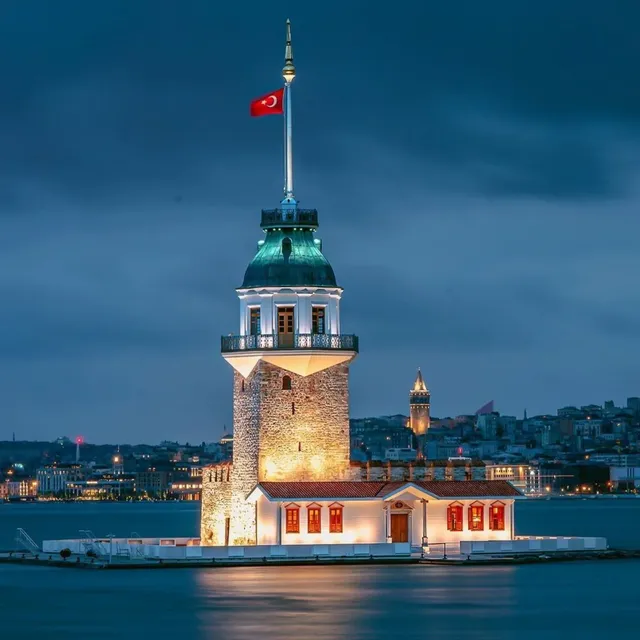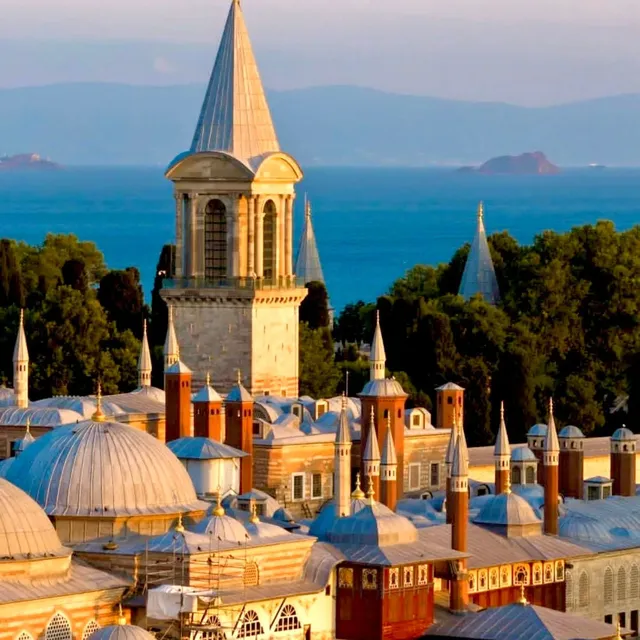
Beyond its architecture, Constantinople was also a center of learning and artistic production. Scholars, artisans, and religious thinkers shaped philosophy, science, and art in ways that influenced wider European civilization. Its libraries, schools, and court culture attracted people from across the known world. Even today, the legacy of Constantinople survives not only in ruins and monuments, but also in Istanbul’s identity as a city between continents and empires.
Constantinople era beginnings: establishment and Byzantium
The history of Istanbul began thousands of years ago. According to the traditional account, Megarians were the settlers in Istanbul in the 7th century B.C.E. Megara was a city-state in Ancient Greece. Byzas, king of Megara, wanted to establish a new city-state, so he went to the Temple of Apollo and consulted an oracle. The oracle said, “You should establish against the country of the blind.”
Byzas was confused at first. While walking, he looked at Kadıköy from Sarayburnu and believed this side was far more remarkable. He thought that anyone who had founded a settlement across the water must be blind. Based on this interpretation, the Megarians founded a city in 667 B.C.E. and named it Byzantion. Byzantium was the city’s first well-known name before Constantinople and Istanbul.
Roman Empire period of Constantinople
Byzantium remained an ordinary and relatively unimportant city until the 4th century. Its location, however, became far more significant after Constantine became emperor of the Roman Empire.
Constantine played an important role in the history of Istanbul because he considered moving the imperial capital to another city. He considered Izmit, Troy, and Byzantion, and ultimately chose Byzantion because it stood at the end of important trade routes. The city was also built on seven hills, much like Rome. Byzantium became the capital city 65 years before the Roman Empire formally separated, and after Constantine’s death, the city came to be known as Constantinople.
During the Constantine period, the city began to change and develop rapidly. Constantine did not destroy the city; instead, he defined its borders and sponsored new construction. A palace was completed for people coming from Milano. Hippodromes were built, and the city walls began to be renewed. In many ways, this period marked the real beginning of Constantinople as an imperial capital.
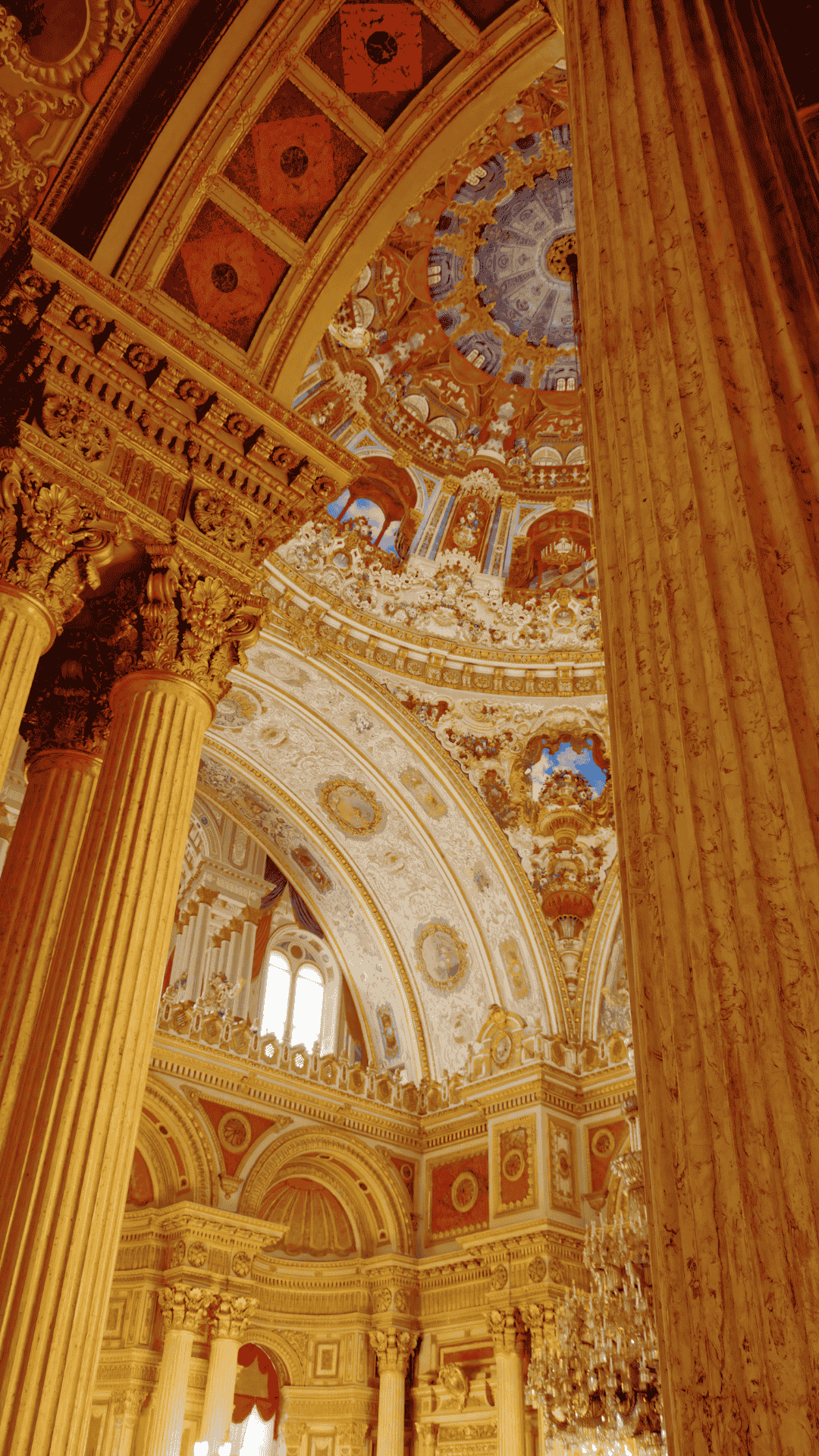
After Constantine’s death, later emperors continued to expand and shape the city. During the Theodosius period (379–395), a harbor was built to help solve food supply problems, and warehouses were added. Forum Tauri, now known as Beyazıt Square, was also built in this period. In 395, the Roman Empire was split into East Rome and Western Rome. Western Rome’s capital became Milano, while East Rome’s capital was Constantinople.
The city was developed as a Christian city after Emperor Theodosius signed the Edict of Thessaloniki. Over time, Constantinople became one of the major centers of Christianity. In the reign of Theodosius II, the city continued to improve: walls were extended, cultivated areas were protected, and major structures were preserved. Constantinople reached one of its most magnificent stages during this era.
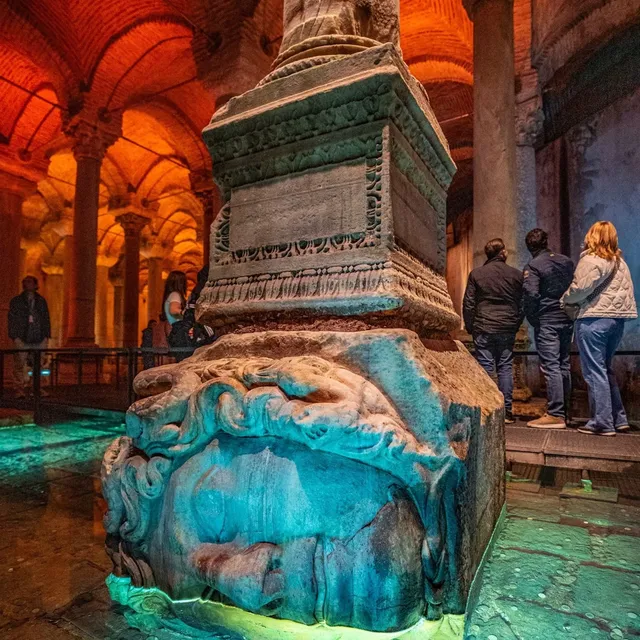
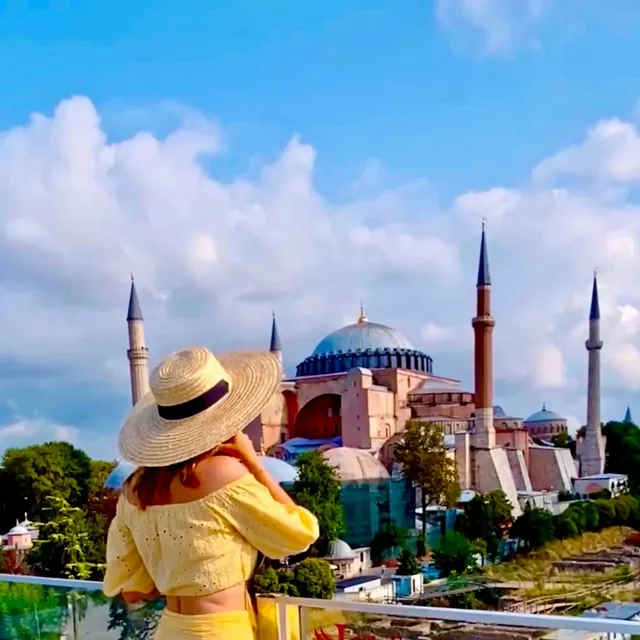
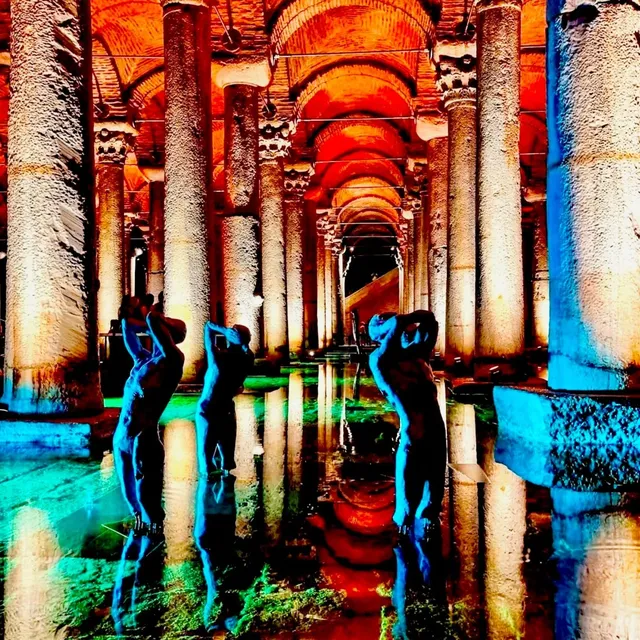
This grandeur was interrupted by repeated disasters and rebuilding. In 465, during the reign of Emperor Leon, a fire destroyed half of the city. Reconstruction followed, but in the reign of Justinian I, the Nika riots again devastated Constantinople. After suppressing the uprising, Justinian I launched an ambitious building program. He ordered the construction of a new church: Hagia Sophia. He also built the Basilica Cistern and the Binbirdirek Cistern, and he changed the official language to Helen language.
After Justinian I, the Roman Empire entered a less productive period. Construction revived again under Theophilos and Basileios I, when churches and monasteries were built. Many surviving structures from old Constantinople date back to these centuries. For broader background on the city’s Byzantine past, UNESCO’s historic overview of Istanbul is also useful: UNESCO.
The Latin occupation: a dark chapter in Constantinople’s history
The Fourth Crusade, originally intended to liberate Jerusalem from Muslim rule, took a devastating turn when it was redirected toward Constantinople. In 1204, a Crusader army made up mainly of Venetian and French forces besieged, sacked, and occupied the city. This began the Latin Empire, a short-lived Western European state that ruled over parts of the former Byzantine Empire.
During the Latin occupation, Constantinople suffered immense destruction. Hagia Sophia was desecrated and turned into a Roman Catholic cathedral. Priceless relics and artifacts were looted and scattered across Europe. The city’s economy and cultural life were deeply damaged. Still, the Latin Empire’s rule did not last. In 1261, the Byzantines under Michael VIII Palaiologos recaptured Constantinople, a major turning point in the city’s story. For a general reference on this period, see Britannica.
The Byzantine Empire after the Latin occupation
The recapture of Constantinople by Michael VIII Palaiologos in 1261 was a significant achievement, but the city had been permanently weakened. Its wealth had been looted, infrastructure damaged, and influence diminished. Although the Byzantine Empire tried to restore the city’s former glory, it faced continuous pressure from internal conflict, economic decline, and outside enemies.
The greatest external threat came from the Ottoman Empire, a rising power that steadily expanded into Byzantine territories. Constantinople was besieged multiple times. Although the Byzantines managed to survive these assaults for a long period, the empire grew increasingly fragile.
The Ottoman conquest of Constantinople in 1453 brought the Byzantine Empire to an end and opened a completely new chapter in the city’s history.
The Ottoman conquest: the fall of Constantinople
Despite centuries of hardship, Constantinople remained a formidable fortress. Yet the rise of the Ottoman Empire presented a challenge the city could no longer resist. In the late 14th and early 15th centuries, Ottoman rulers such as Bayezid I and Murad II attempted to capture the city but failed due to internal problems and wider political pressures.
The decisive moment came in 1453, when Sultan Mehmed II, later known as Mehmed the Conqueror, laid siege to Constantinople. After a difficult 53-day siege, Ottoman forces breached the city’s defenses and captured it on May 29, 1453. The fall of Constantinople marked the end of the Roman Empire and the beginning of a new era.
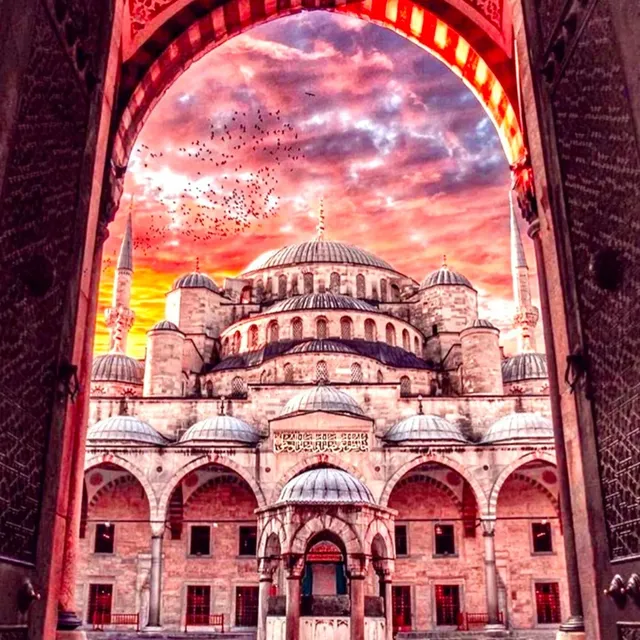
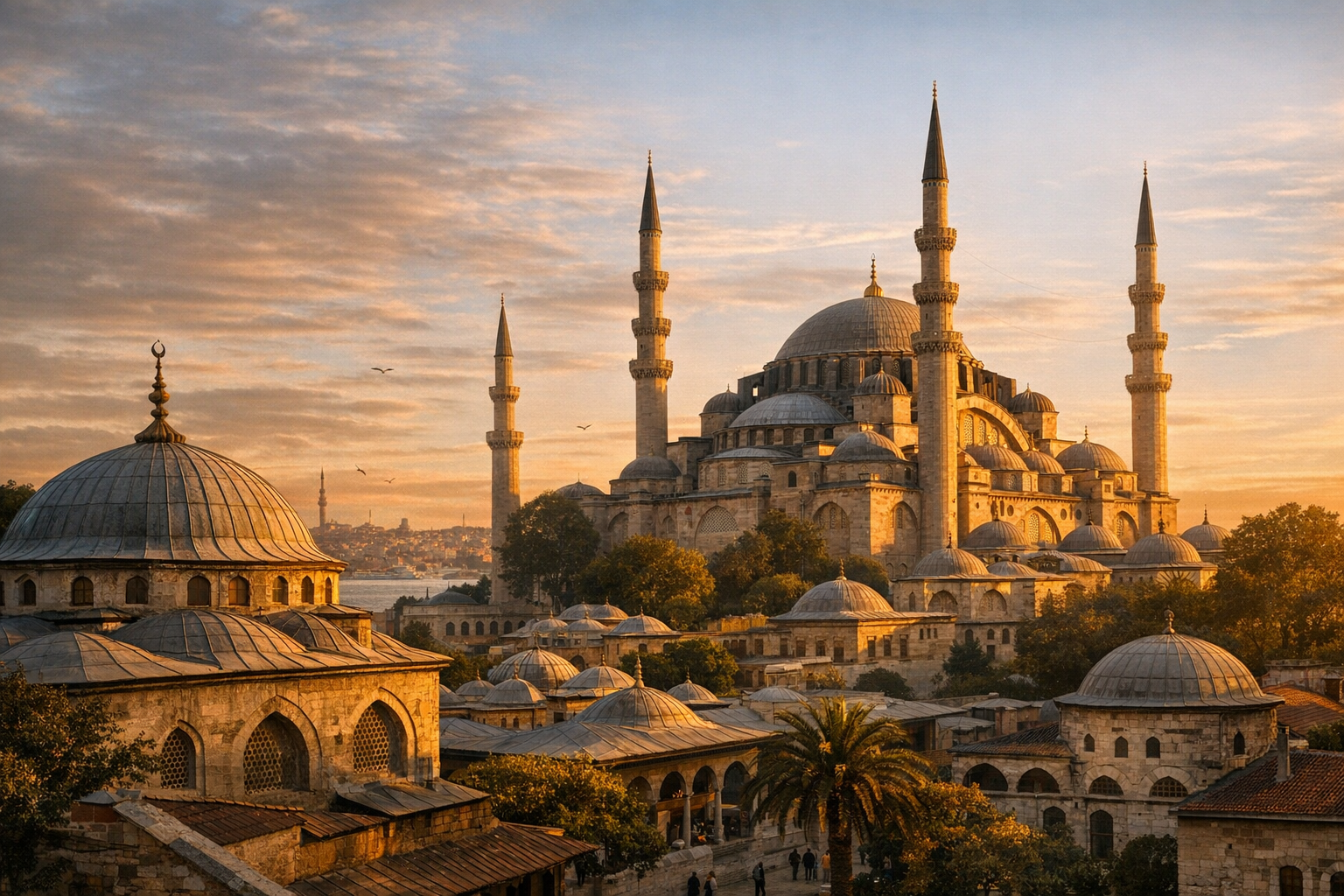
Under Ottoman rule, the city was transformed. Hagia Sophia was converted into a mosque, and Constantinople became the capital of the Ottoman Empire. For centuries afterward, it served as a major cultural, political, and economic center. Visitors exploring this legacy today often connect the Byzantine and Ottoman layers of the city through landmarks around Sultanahmet Square and in monuments such as Hagia Irene.
Why the Constantinople period still matters
The story of Constantinople is not just about the rise and fall of empires. It is also the story of how Istanbul became one of the world’s great historical cities. From Byzantion to Roman capital, from Byzantine center to Ottoman prize, each phase left visible traces in the city’s streets, monuments, and memory.
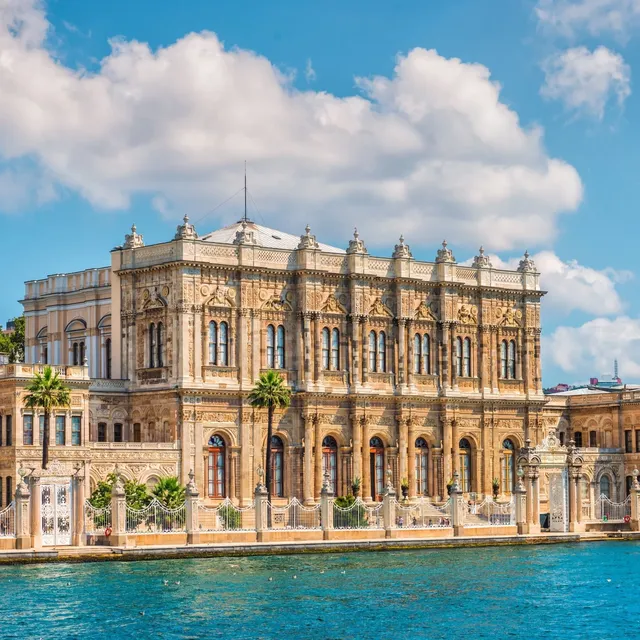
Understanding the Constantinople era helps explain why Istanbul feels so layered today. Churches, cisterns, walls, forums, and palaces are not isolated attractions; they are parts of a long, connected story that shaped the city across centuries.