The Blue Mosque
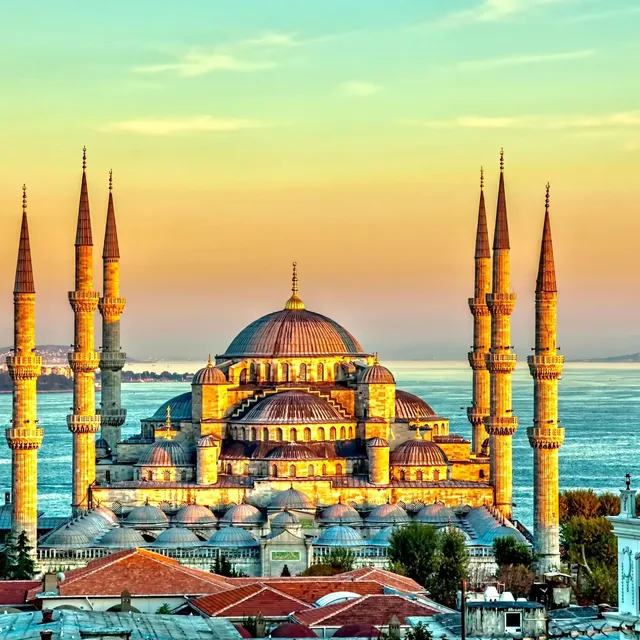
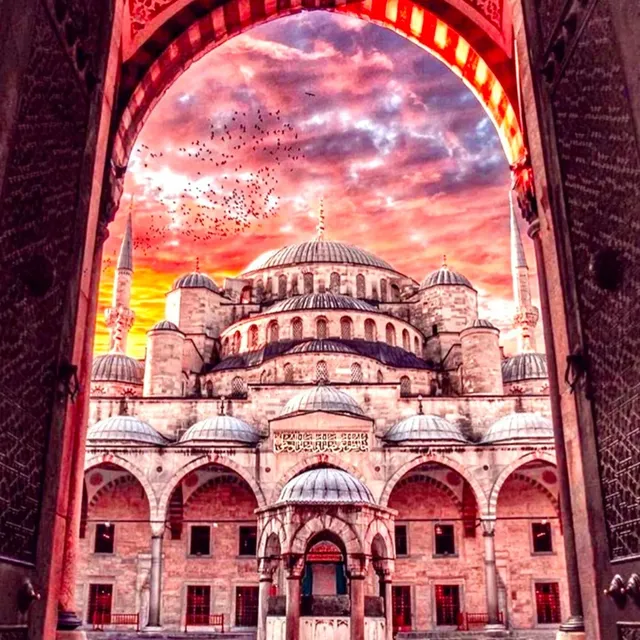
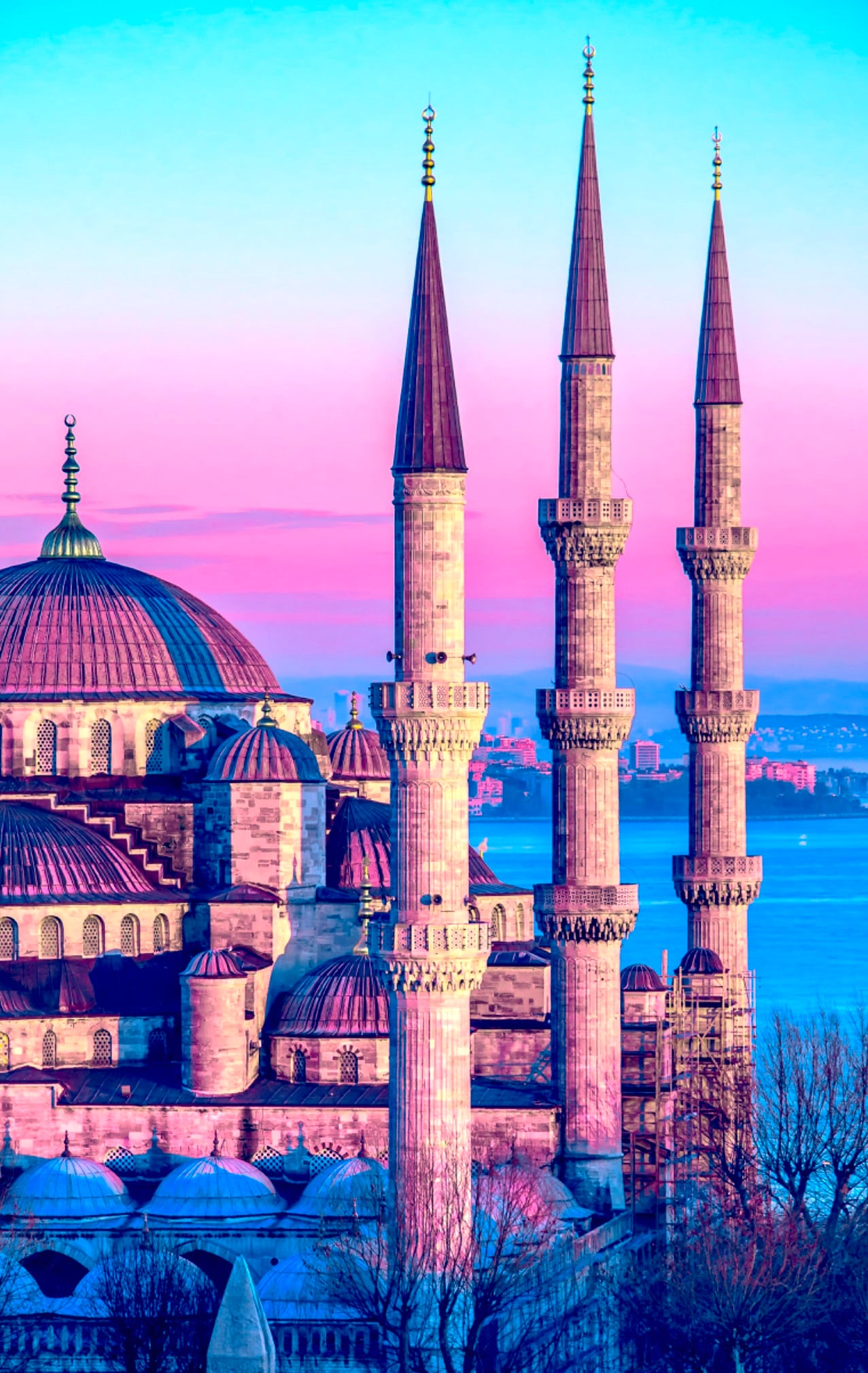
The Blue Mosque Sultanahmet Mosque dominates Istanbul’s skyline with its elegant composition of ascending domes and six slender minarets. Standing at the heart of the old imperial city, beside Hagia Sophia and facing Sultanahmet Square, it occupies one of the most symbolically charged locations in Istanbul. Its presence reflects the long historical dialogue between Byzantine and Ottoman Istanbul, and its silhouette remains one of the city’s most recognizable images.
The monument can be considered one of the last great classical Ottoman structures. With its massive scale, powerful aesthetics, and architectural refinement, it combines Byzantine-influenced Ottoman construction with a deeply spiritual atmosphere. Completed in 1616, the mosque impresses visitors not only with its beauty and lighting, but also with the religious and political meaning embedded in its design.
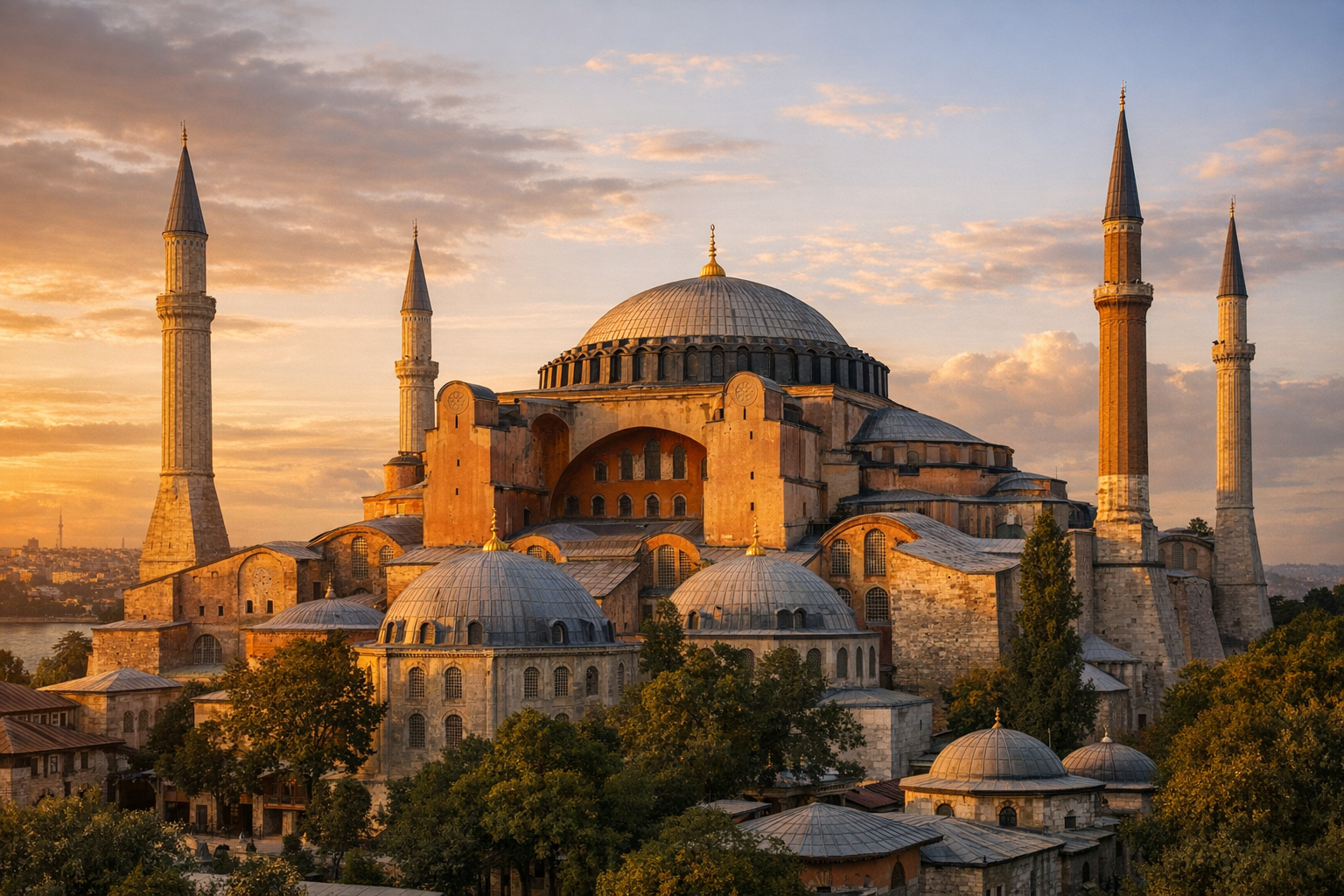
The Blue Mosque’s placement next to Hagia Sophia has long invited comparison. The two monuments stand almost like architectural rivals, each representing a different chapter in the city’s history. Together, they make this district one of the most extraordinary urban settings in the world.
Where Is the Blue Mosque?
The Blue Mosque stands in the historic Sultanahmet area, in the ancient imperial center of the city. Its setting near the former Hippodrome of Constantinople, Hagia Sophia, and Topkapı Palace gives it a significance beyond architecture alone. This was the ceremonial and political heart of both Byzantine and Ottoman Constantinople.
What Area Is the Blue Mosque in Istanbul?
The district where the Blue Mosque is located was known as the Hippodrome during the Byzantine era and as Horse Square during the Ottoman period. Over time, the area became known as Sultan Ahmet Square after the construction of the mosque. Throughout history, the square served as a place for celebrations, public gatherings, and at times rebellions.
Parts of the Byzantine Imperial Palace once stood here, and senior Ottoman offices later occupied the surrounding area. Few places in Istanbul condense so much of the city’s ceremonial history into one setting.
Who Built the Blue Mosque in Istanbul?
Sultan Ahmet I appointed his royal architect Sedefkar Mehmet Aga, a pupil and senior assistant of the great architect Mimar Sinan, to oversee the construction of the mosque.
Blue Mosque Sultanahmet Mosque History
Sultan Ahmet I: A Young Sultan
Sultan Ahmet I came to the throne at the age of 13 and ruled the Ottoman Empire from 1603 until his death in 1617. He inherited the legacy of powerful rulers such as Mehmed the Conqueror and Suleiman the Magnificent. Although his reign was marked by difficulty and decline, he sought to leave a lasting monument in Istanbul.
Not celebrated primarily as a warrior or an administrator, Ahmet I chose architecture as his means of shaping memory. The mosque that bears his name became that legacy.
Why Was the Blue Mosque Constructed?
Sultan Ahmet was known for his religious devotion and wished to build a mosque that would express his love of God while rivaling the glory of Hagia Sophia. Constructing a great imperial mosque next to Hagia Sophia also carried symbolic meaning, especially in the Ottoman capital more than 150 years after the conquest of Istanbul in 1453.
When Was the Blue Mosque Built?
The Blue Mosque was completed in 1616, shortly before the untimely death of Sultan Ahmet I. He died at the age of 27 and did not live long enough to see the full life of the complex unfold.
A Politically Charged and Symbolic Location
Sultan Ahmet I selected a site overlooking the Sea of Marmara on the Hippodrome of Constantinople, where two large palaces already stood. The mosque was built on the site of the palace of the Byzantine emperors, facing Hagia Sophia and the Hippodrome itself. Large parts of the Sphendone, the curved tribune of the Hippodrome, had to be removed to make room for the new complex.
This location placed the mosque between the main symbols of imperial power: Hagia Sophia, the Hippodrome, and the nearby Topkapi Palace. Its setting was therefore not only practical, but deeply political.
The Architecture of the Blue Mosque
With one main dome, eight secondary domes, and six minarets, the Blue Mosque represents the culmination of two centuries of Ottoman Islamic architecture. Its central dome rises on triangular supports and is carried by four massive fluted columns. To expand the prayer space, a cascading system of semi-domes extends outward from the center and joins the outer walls.
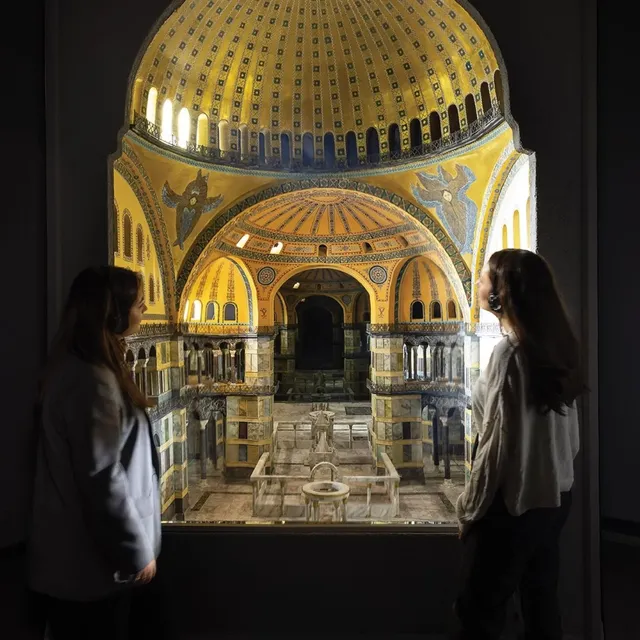
The design recalls certain Byzantine elements, especially those of neighboring Hagia Sophia. Although Hagia Sophia dates to A.D. 537, Ottoman architects drew inspiration from its grand plan and transformed it through their own architectural language. The result was a mosque that many consider the last great monument of the classical Ottoman period.
What Makes the Blue Mosque Famous?
The Blue Mosque is famous for its six minarets, its Iznik tiles, the dominance of blue in its interior atmosphere, its finely carved marble mihrab, and its striking exterior profile.
The Secret of Six Minarets
Six minarets were highly unusual for an imperial mosque of the period. According to the account given here, the six minarets represented the number of verses in the holy book of Islam. Four stand at the corners of the mosque and two at the end of the forecourt. The four corner minarets are fluted and pencil-shaped with three balconies, while the two forecourt minarets have two balconies each. The Blue Mosque remains one of only three mosques in Turkey with six minarets.
The Tiles of the Blue Mosque
The interior is renowned for its more than 20,000 handmade ceramic tiles produced in Iznik, ancient Nicaea, with more than fifty different tulip designs. These tiles are one of the mosque’s great glories and the reason the Sultanahmet Mosque became widely known as the Blue Mosque.
The interior also features rich carpets, stained-glass windows, Islamic decoration, and calligraphic script. Floral motifs such as tulips, carnations, lilies, roses, and cypresses create a decorative program that evokes the imagery of paradise.
The Dominance of Blue Color
The mosque’s popular name comes from the visual effect of blue tones in the interior, enhanced by natural light entering through more than 220 stained-glass windows and by the glow of chandeliers. Although the official name is Sultan Ahmet Mosque, the blue atmosphere made “Blue Mosque” its enduring name.
A Finely Carved Marble Mihrab
The mihrab indicates the direction of Mecca and is among the most important features of any mosque. At the Blue Mosque, it is made of finely carved and sculptured marble with a stalactite niche, cypress motifs, and a double inscriptive panel above. Nearby stands the richly decorated minbar, from which sermons are delivered during Friday noon prayer and holy days.
The Exterior of the Blue Mosque
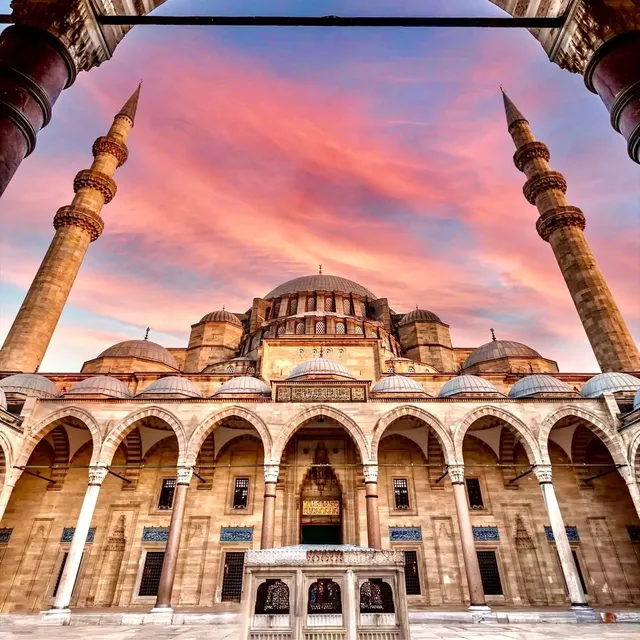
The mosque’s main dome reaches 43 meters in height and measures 23.5 meters in diameter. Its courtyard is nearly as large as the mosque itself and is surrounded by a continuous vaulted arcade. Ablution facilities stand on both sides, and a central hexagonal fountain occupies the middle of the courtyard.
At the western entrance, a heavy iron chain hangs above the court gateway. During Ottoman times, only the sultan was permitted to enter the court on horseback. The chain required him to bow his head as he passed, symbolizing humility before God and the equality of all who entered the mosque.
Connecting Rooms
Connecting rooms at the southeast corner allowed the sultan to rest before and after prayer and led to the royal lodge in the upper gallery. In 1826, these rooms became the Grand Vizier’s headquarters during the suppression of the Janissary Corps’ rebellion. This part of the complex is supported by ten grand marble columns.
The History of the Blue Mosque’s Creation
When Sultan Ahmet I resolved to build a new imperial mosque, he encountered resistance. It had been many years since a sultan had erected such a monument in the capital. The last major example, the Suleymaniye Mosque, had been built by his great-grandfather Suleiman in 1557. By the late 16th century, imperial anxieties had grown about the appropriateness of lavish religious architecture, especially during a period when military expansion had slowed.
Advice literature of the period argued that sultans should refrain from grand charitable construction unless they had enriched themselves through victorious campaigns. Because the empire was no longer expanding as before, objections were raised over using public means for such a project.
Objections from the Grand Mufti
The grand mufti also questioned the need for a mosque in that particular setting, arguing that the site lacked a large congregation and that the sultan’s military shortcomings made the project controversial.
The Death of Sultan Ahmet I
Sultan Ahmet I died of typhus on November 22, 1617, only three months after the mosque was inaugurated. Many ancillaries of the complex, including the madrasa, public kitchen, and marketplace, were still unfinished at the time of his death. The full complex was completed in 1620.
His tomb stands not behind the qibla wall in the garden, but in a more visible position at the northern end of the complex, where it faces the dynastic mausolea of Hagia Sophia.
The Blue Mosque and Hagia Sophia
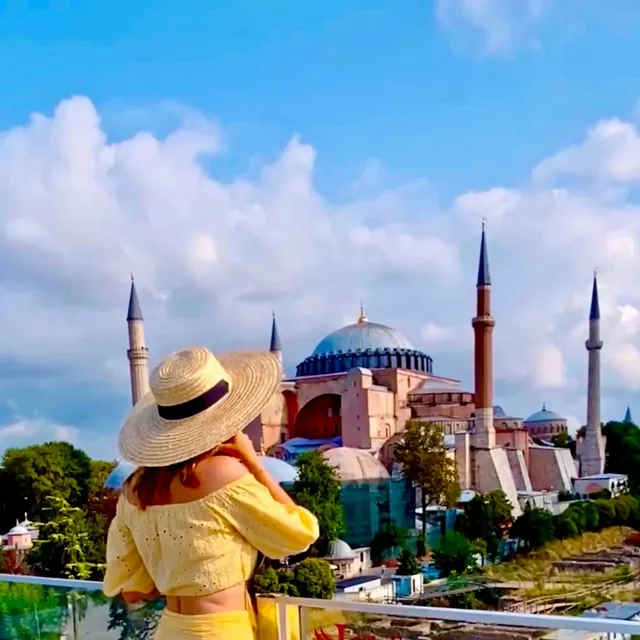
Comparison between the Blue Mosque and Hagia Sophia is almost inevitable. Their dimensions and stylistic echoes invite direct contrast, yet each monument speaks in a different architectural language. The Blue Mosque’s layered semi-domes and pyramidal verticality create a particularly rhythmic and unified effect, especially from the outside.
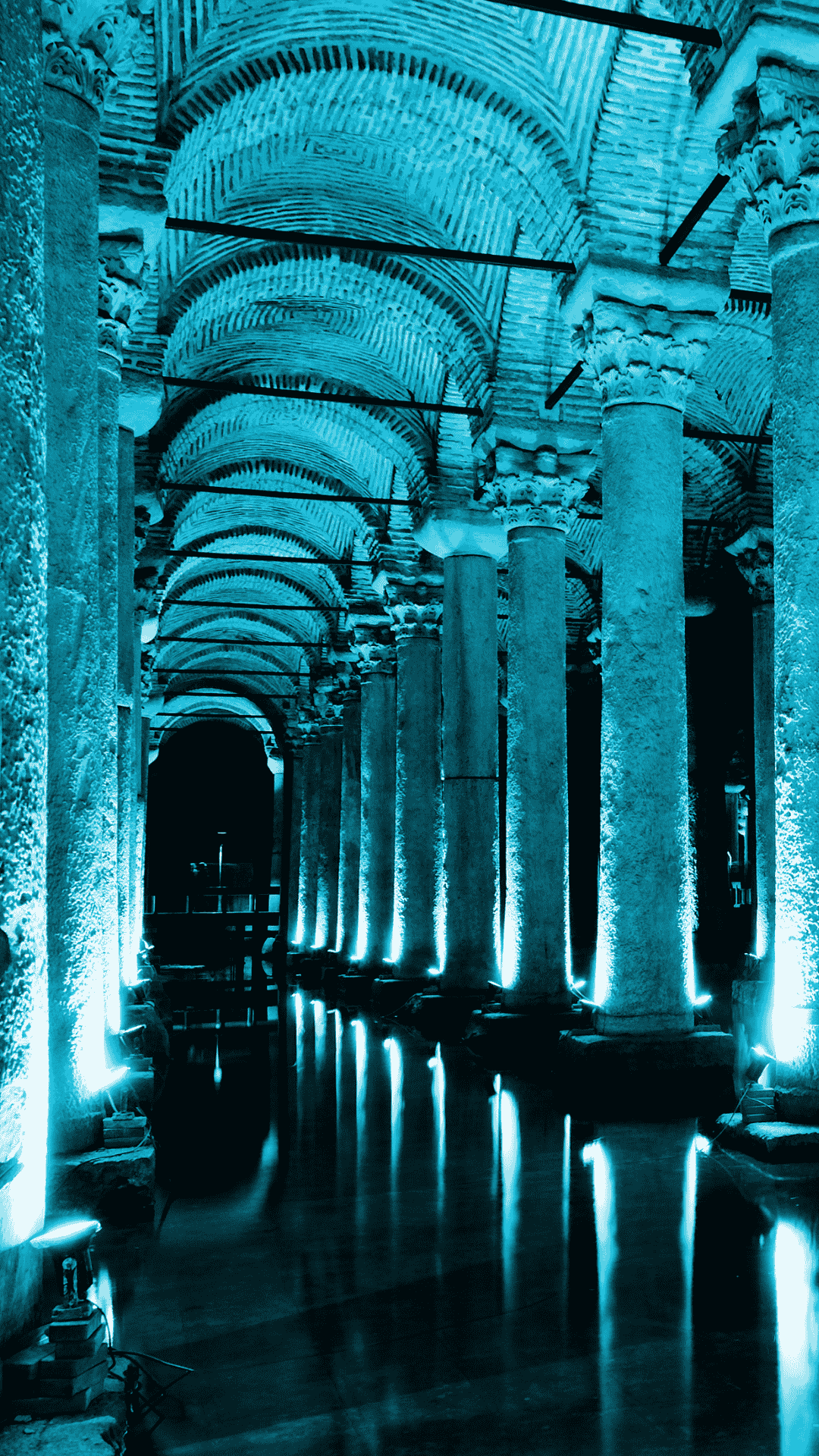
Its six minarets strengthen that visual coherence. In contrast to the varied towers of Hagia Sophia, the Blue Mosque’s minarets were conceived as part of a single composition. Although smaller in size, the Blue Mosque presents a remarkably strong exterior challenge to its older neighbor. For visitors interested in both monuments, it is worth pairing a mosque visit with nearby Basilica Cistern and the surrounding historic district.
Can You Visit the Blue Mosque?
Yes. The Blue Mosque is an active place of worship, and visitors are welcome outside prayer times. Because it remains a functioning mosque, respectful behavior is essential.
What to Wear at the Blue Mosque
There is a dress code. Women should cover their arms, legs, and hair, and loose-fitting clothes are recommended. Leggings should be avoided. Men should cover their legs and avoid singlets and vests. If visitors do not meet the dress requirements, they may be asked to use a scarf, skirt, or robe provided by the mosque free of charge.
How to Visit the Blue Mosque
Visitors should remain quiet and respectful. Shoes must be removed and placed in a clear plastic bag, which is provided at the entrance. The bag can be carried inside or left in a cubby hole. Photography is allowed, but flash should be turned off, and people who are praying or performing ablutions should not be photographed.
Used plastic bags should be placed in the designated bins on exit, and borrowed head covers should be returned to the staff. Entry to the Blue Mosque is free.
Blue Mosque Opening Hours and Closures
As a working mosque, the Blue Mosque is closed to tourists during prayer times. In general, the opening hours listed here are from 08:30 until one hour before dusk, excluding 90 minutes at each prayer time and two hours during Friday noon prayers. The mosque opens before morning prayer, around 05:30, for worshippers. Since schedules may change, check the official sources before your visit, such as GoTürkiye or relevant official Turkish resources.
Blue Mosque Access and Airport Transfers
The original text notes private transfer options to both Istanbul Airport and Sabiha Gokcen Airport for travelers who prefer not to use city lines. If you plan to arrive by public transport instead, it is useful to check current route information through official services such as IETT before setting out.
Whether you visit for architecture, history, faith, or the wider Sultanahmet experience, the Blue Mosque remains one of Istanbul’s defining monuments: a place where imperial ambition, religious devotion, and artistic achievement meet in a single extraordinary setting.