The Most Powerful Glamorous Scent Ever – Spice Bazaar in Istanbul
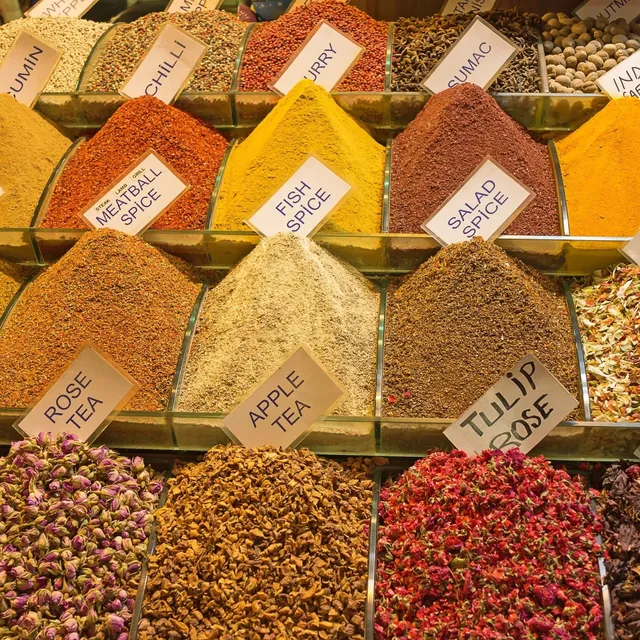
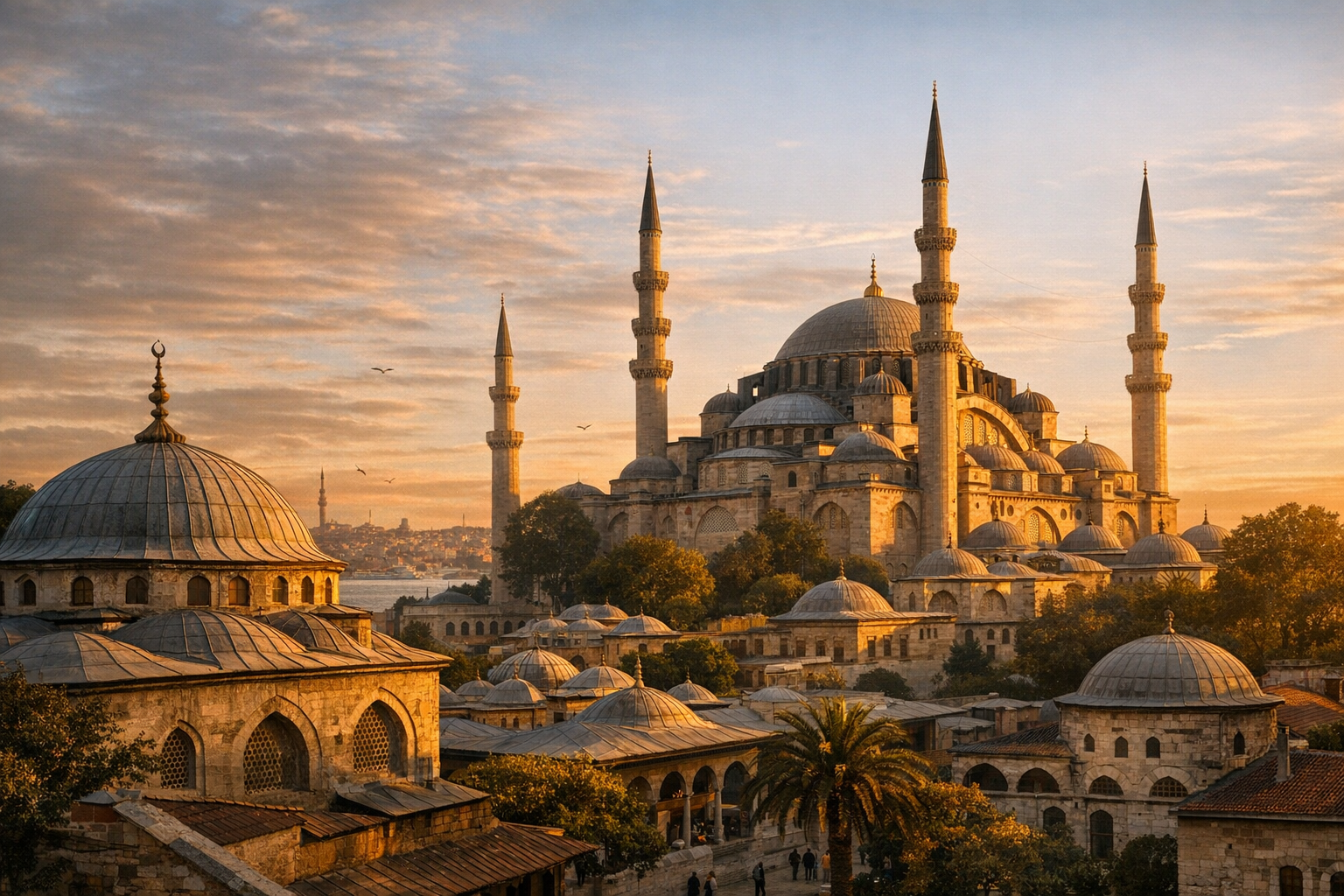
The Spice Bazaar is one of Istanbul’s most atmospheric historic markets, and a visit to Eminönü feels incomplete without stepping into its fragrant corridors. Set beside the New Mosque (Yeni Cami), this covered market offers far more than a tourist photo stop. It is a living part of the city’s traditional commercial life, where the aromas of cinnamon, cumin, saffron, mint, thyme, and countless other herbs and spices fill the air before you even enter.
Often called the Egyptian Bazaar, the market still carries the romance that long surrounded the spice trade. Ottoman stonework and turquoise tiles, views toward the Golden Horn, nearby calls to prayer, and the constant movement of shoppers all give the space a vivid, almost mythical atmosphere. The bazaar seems to create its own climate through scent, sound, color, heat, and motion.
Spices have long suggested power, rarity, luxury, and distance. For centuries they were seen as fine substances arriving from unfamiliar lands, linked in the Western imagination with the East and even with Paradise. That sense of fascination still lingers here. The Spice Bazaar is not only a market but also a place where trade, history, architecture, and memory come together in a highly sensory way.
The Turkish word Mısır means Egypt, which explains why the market is known as the Egyptian Bazaar. Historically, spices traveled from India and Southeast Asia to Egypt, then onward to Istanbul through the Mediterranean. These long trade routes and the high value of spices made them especially desirable. Between the 11th and 17th centuries, spices strongly influenced European taste, while Istanbul served as the last stop on the legendary Silk Road and a final distribution point for Asian goods moving into Europe. According to recorded history, Istanbul had developed a spice trade with the Venetians as early as the 13th century.
History of the Spice Bazaar
The waterfront side of Eminönü, where the bazaar stands today, had been one of the city’s most active commercial zones since Byzantine times. Maritime trade shaped this district, and Istanbul’s strategic position between East and West, the Mediterranean and the Black Sea, made it one of the great centers of exchange in both Byzantine and Ottoman periods. There was even a Byzantine bazaar called “Makron Envalos” on the same site.
Goods such as silk fabrics, spices, gemstones, woven products, and carpets arriving from the East and the Arabian Peninsula were gathered in Istanbul before continuing to Europe. The Spice Bazaar, built within the Yeni Camii complex, was designed as a classical Ottoman commercial structure and formed as a combination of two bazaars, giving it the character of a double bazaar. It covers 6000 square meters and has an L-shaped plan.
The construction of the New Mosque complex began in 1597 on the orders of Safiye Sultan, wife of Sultan Murad III and mother of Sultan Mehmed III. The first architect was Davut Ağa, an apprentice of the great architect Sinan, and later Dalgıç Ahmed Ağa continued the work. The Spice Bazaar itself was completed in 1663 as part of the adjacent mosque complex, intended to generate revenue for the upkeep of the mosque and its charitable foundation.
Also known as Mısır Çarşısı, the bazaar is the second biggest covered bazaar in Turkey and has often been described as the biggest spice market in the world. Originally, it functioned as an economic institution supporting the mosque complex and helping the pious foundation survive without outside support.
In the Ottoman world, pious foundations served society through charitable and practical institutions. Around mosques, large building complexes called imaret could include schools, dervish lodges, soup kitchens, fountains, baths, markets, and bazaars. The income from commercial buildings funded these religious and social services. In that sense, the Spice Bazaar was not only a place of trade but also part of a broader urban system of public welfare and civic life.
Early chroniclers referred to it as Yeni Çarşı or Valide Çarşısı. Later it became known as the Egyptian Bazaar because many of the products sold there arrived from Egypt. Although the Yeni Valide Mosque complex had first been intended to include a hospice, it was ultimately completed with the mosque, the covered bazaar, a fountain, and a tomb. Construction was initiated by Safiye Sultan and completed in 1664 by Turhan Sultan.
The bazaar also reflects the increasing political and cultural influence of sultan mothers in the late 16th and 17th centuries. In this context, it can be seen as one of the rare architectural expressions of women’s power in the Ottoman Empire, creating an important commercial node on highly valuable land near the port, the Topkapi Palace, and the Golden Horn.
The area was also associated with coffee trading. By the time the bazaar was completed in 1664, this part of Istanbul was already known for hundreds of coffeehouses, and coffee, like spice, was one of the major items of commerce.
During Byzantine Times
The site of the Spice Bazaar also highlights the significance of this trade route during the Byzantine Empire. A market once stood here facing the port, where ships carrying aromatics and spices from India through Egypt arrived. This long continuity helps explain why Eminönü remained such an important commercial district for centuries.
Cairo to Istanbul and Bursa
When the Spice Bazaar was completed, Egypt had already been under Ottoman rule for around 150 years. In the 16th century, more than half of the spices imported into Cairo were transported mainly to Istanbul and Bursa, then distributed onward to the Balkans and northern lands.
Even in the 17th century, when Venice faced crisis and Dutch control of the Spice Islands interrupted trade through the Red Sea, Cairo merchants continued supplying the Ottoman market. The spice trade through the Red Sea therefore remained active. The bazaar’s first name was Valide Çarşısı, but over time its close connection to port commerce helped establish the later name, Egyptian Bazaar.
Today, this historic structure still stands at the commercial heart of Eminönü. It continues to offer an experience of spice, food, architecture, and public life all at once. What was once built to support charitable institutions now inspires new forms of desire: to taste, to shop, to smell, to explore, and to take a piece of Istanbul home.
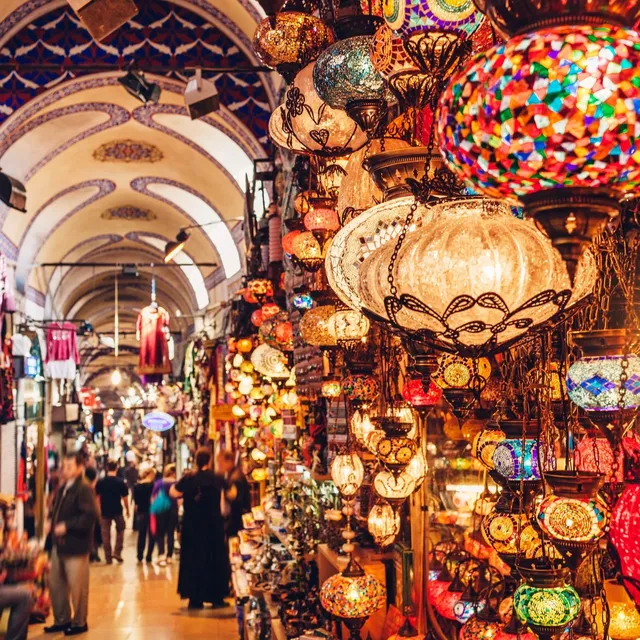
Although visitors come for spices first, the bazaar today also includes textiles, jewelry, ceramics, souvenirs, and confectionery. It remains one of the city’s busiest attractions and one of the most vivid everyday public spaces in Istanbul.
The Spice Bazaar presents colorful scenes of daily urban life: shopkeepers, customers, street vendors, and visitors all crossing paths. Travelers, artists, and merchants have long described such scenes in their writings, often using them to form an image of Ottoman life. The market’s enduring appeal lies partly in this constant performance of trade and encounter.
The L-shaped bazaar has six gates, and its shops display the flavors of Eastern cuisine with striking attention to color and arrangement. The more you explore, the more unusual items appear. The bazaar has survived two major fires in its long history, yet it remains one of Istanbul’s most memorable marketplaces.
Architectural Design of the Spice Bazaar
Like the Grand Bazaar, the Spice Bazaar is an important example of the traditional Ottoman bazaar pattern. Its defining feature is the L-shaped plan that gives it the quality of a double bazaar. Built in alternating rows of stone and brick, it combines two separate market sections in a unified architectural form.
The east-west wing is longer than the other branch, and at the point where the two sections meet there is a prayer square covered with a cross vault. The main entrances stand at the ends of the two long branches and take the form of two-storied portals with six-arch colonnades. The gate opening toward Tahmis Street has a similar design, while the remaining entrances are placed in the middle section of the branch extending toward Makulyan Inn.
In total, there are six gates: two large and four smaller ones. Above the colonnades on both branches are domed rooms reached by stairways inside the bazaar. On the long branch there are 46 rectangular halls and cells, 23 on each side; on the short branch there are 36, with 18 on each side. At the intersection point of the two branches there are six more rectangular halls and cells, making 88 interior units in total. Along the exterior facing Tahmis Street, there are 18 additional shops.
For a concise overview of the market’s background and layout, you can also consult Wikipedia’s page on the Spice Bazaar. For broader official travel information about Istanbul, GoTürkiye is also useful.
Spice Bazaar: What to Buy?
A walk through the bazaar is a lesson in smell and taste. Visitors often leave with spices, herbal remedies, teas, Turkish coffee, dried fruits, Turkish delight, and baklava. For centuries, this was the place to find dried herbs and plants that were hard to find elsewhere in the city, along with traditional remedies for all kinds of ailments.
Today, the range extends well beyond spice. Shops also sell confectionery, textile products, essences, gold, silver, soaps, oils, gift items, and souvenirs. It is one of those Istanbul places where the question is rarely what to buy, but how much you can carry.
Spice Bazaar vs Grand Bazaar
Although some goods overlap, the two markets offer different experiences. The Spice Bazaar is especially associated with spices, food, teas, sweets, soaps, oils, and aromatic products. Many visitors find it a bit more focused and easier to navigate. The Grand Bazaar is broader in scope, while the Spice Bazaar remains the essential stop for edible specialties and fragrant goods.
How to Get to Spice Bazaar Istanbul
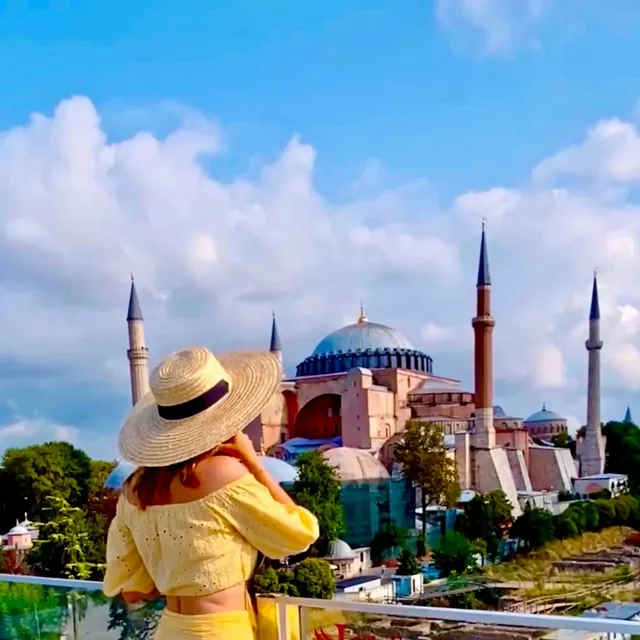
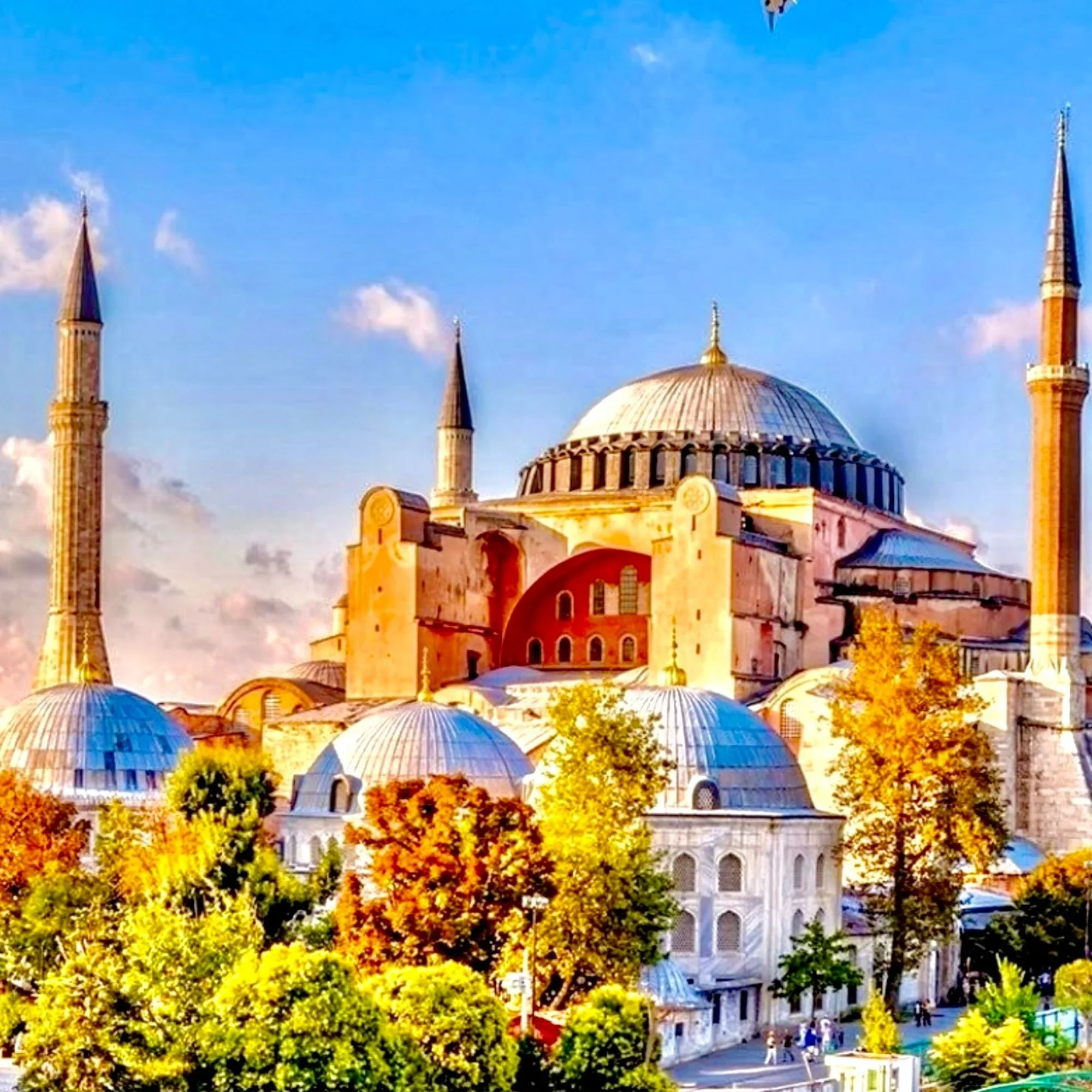
The bazaar is located in Eminönü, one of the oldest districts in Istanbul and a central part of the Historic Peninsula. It sits close to the Galata Bridge and the Golden Horn, with major landmarks such as Hagia Sophia, the Blue Mosque, and Topkapı Palace nearby on the hill. This location makes it easy to combine with other classic sights in the Old City.
Spice Bazaar Working Hours
According to the current text, the Spice Bazaar is open on weekdays between 8:00 and 19:00, on Saturdays from 8:00 to 19:30, and on Sundays from 9:30 to 19:00. As opening times can change, it is wise to check current local information before your visit.
FAQ About the Spice Bazaar
Is the Spice Bazaar worth visiting?
Yes. The Spice Bazaar is one of Istanbul’s most rewarding market experiences because it combines history, architecture, food culture, and daily city life in a single place. Even visitors who do not plan to shop usually enjoy the atmosphere, scents, and setting in Eminönü.
Why is it called the Egyptian Bazaar?
It is called the Egyptian Bazaar because many of the spices and goods historically sold here arrived from Egypt. In Turkish, “Mısır” means Egypt, and the market’s name reflects the trade routes that connected India and Southeast Asia to Istanbul through Egypt.
What can you buy at the Spice Bazaar?
Visitors usually shop for spices, herbal teas, Turkish delight, baklava, dried fruits, and Turkish coffee. Many shops also sell soaps, oils, essences, textiles, jewelry, ceramics, gold, silver, and small gift items, so the market is not limited to culinary goods.
What is the difference between the Spice Bazaar and the Grand Bazaar?
The Spice Bazaar is more focused on spices, food items, sweets, teas, and aromatic products, while the Grand Bazaar has a broader range of shopping categories. Both are historic and important, but the Spice Bazaar is especially known for edible specialties and a more concentrated sensory atmosphere.
Where is the Spice Bazaar in Istanbul?
The Spice Bazaar is in Eminönü, beside the New Mosque and close to the Golden Horn and Galata Bridge. Its central location on the Historic Peninsula makes it easy to visit together with other major landmarks such as Hagia Sophia and Topkapı Palace.