Inside
Inside the New Mosque: Domes, Tiles & a Secret Pavilion
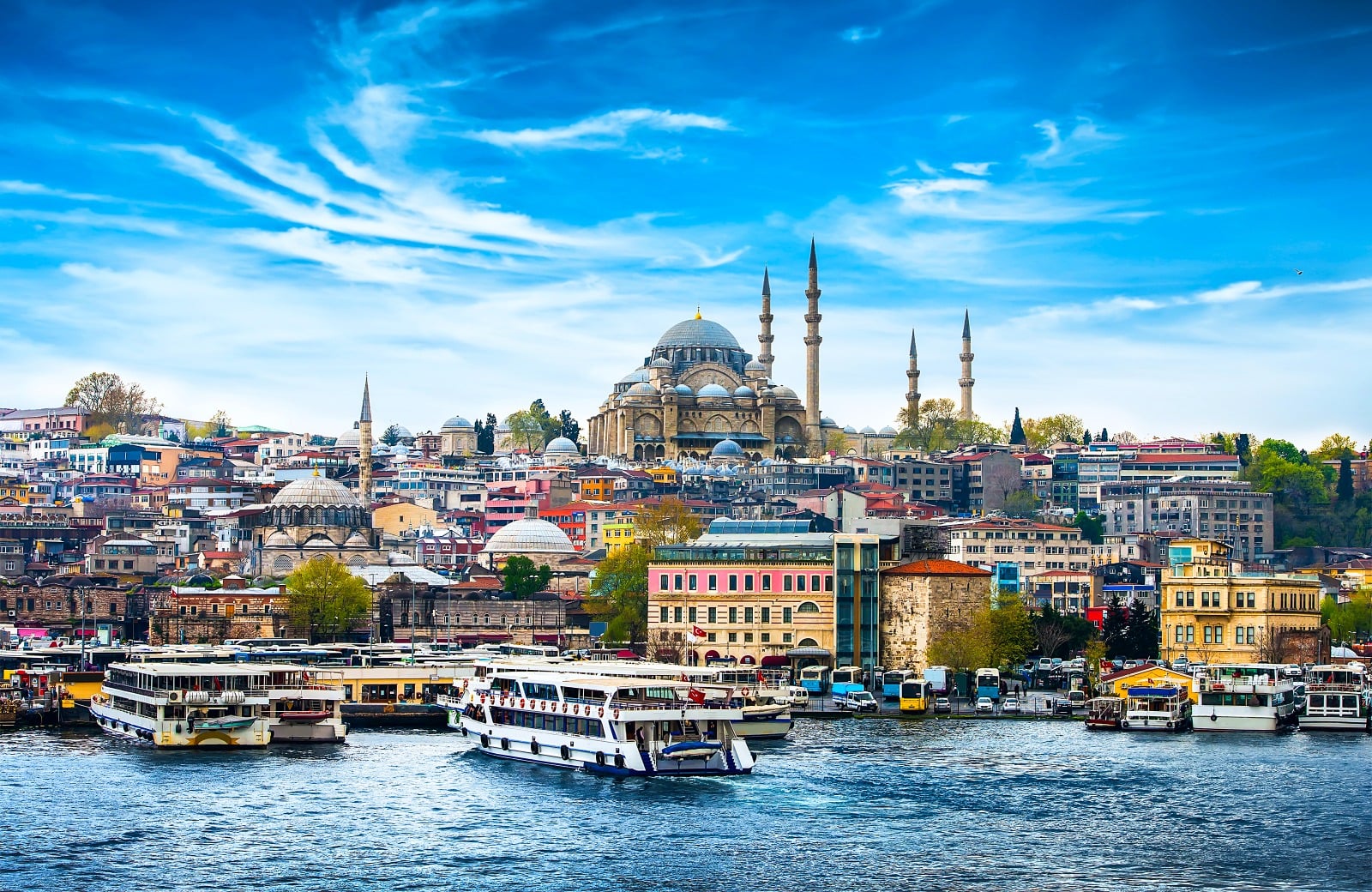
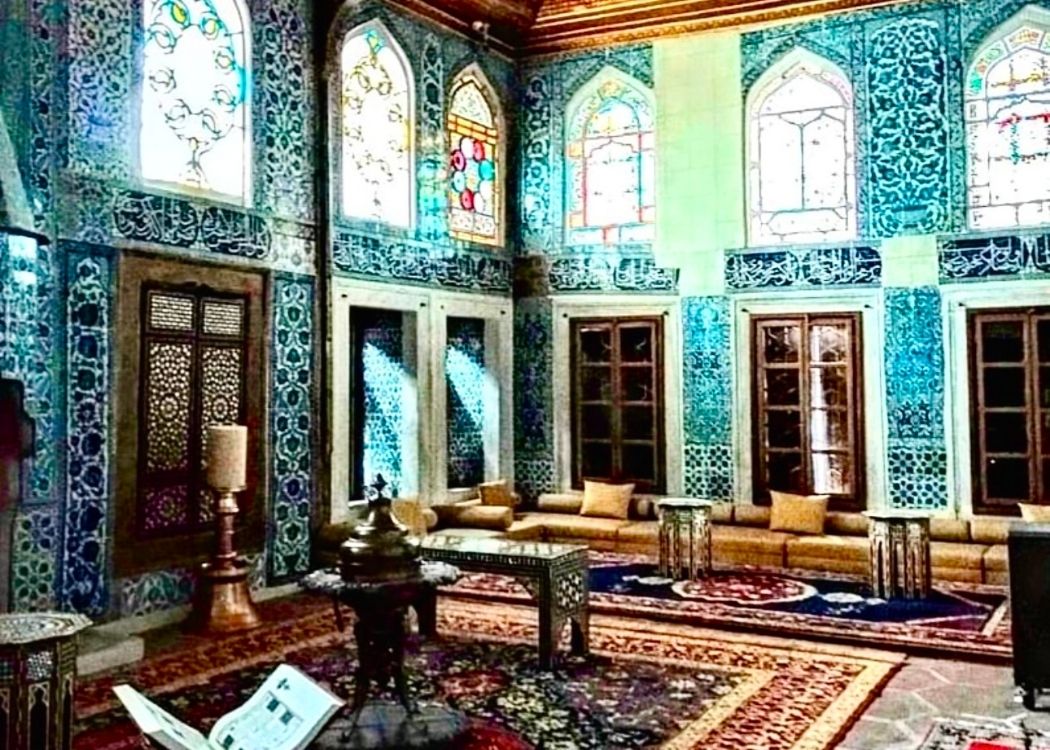
The New Mosque (Yeni Cami) is the imperial mosque of Eminönü, the waterfront square where the Golden Horn meets the old city. Why start here rather than the famous pair up the hill? Scale, light, and elbow room. Inside, the classic Ottoman cascade of domes and half-domes rises over a prayer hall lined with İznik tiles — more than ten thousand of them across the complex, in the blues and greens of the style's late golden age (Wikipedia, 2026). The 2016–2023 restoration cleaned centuries of candle soot and ferry smoke off the stone. Consequently, the interior now reads brighter than it has in living memory. It is a working mosque: free, open outside prayer times, and calmer than its two famous rivals. Turkey's official Culture Portal counts it among the city's defining silhouettes, and the ferry-deck view explains why — the mosque is the first thing the water shows you.
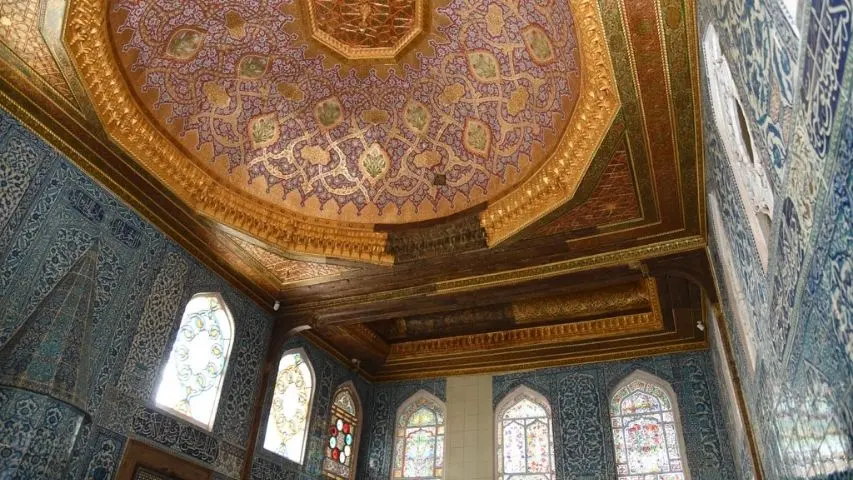
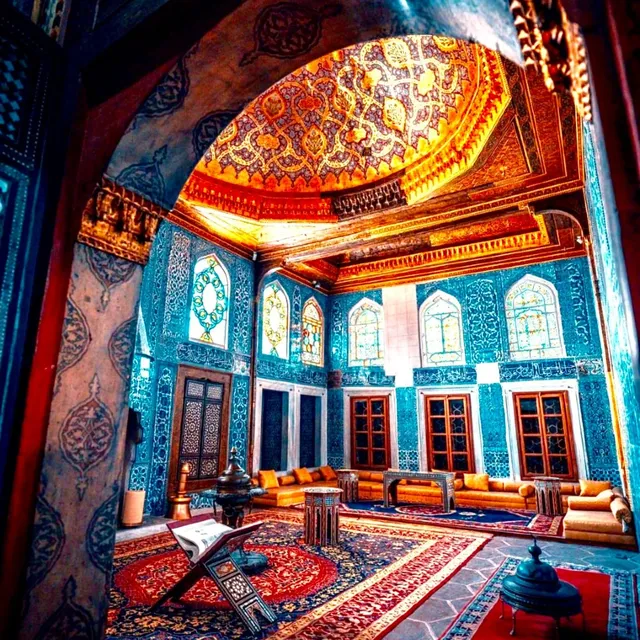
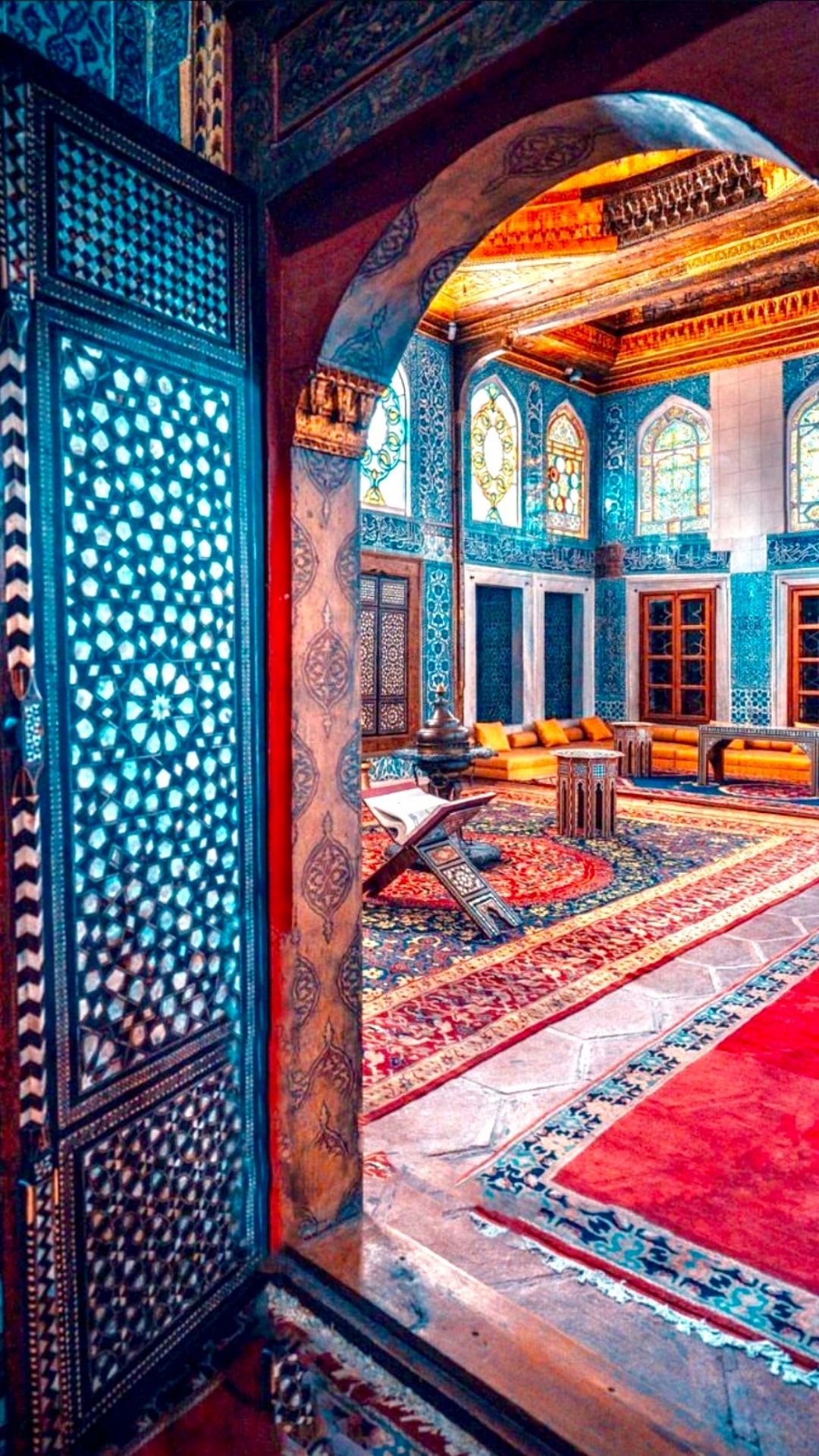
The complex hides its best card. The Hünkâr Kasrı is the royal pavilion — a private suite built so the sultan's household could arrive, rest, and pass by elevated ramp directly into the imperial loge of the mosque. Its rooms are sheathed in some of the finest İznik tilework anywhere, with stained glass throwing color across carpets and low divans. Notably, it is free to visit, and almost nobody does. Opening hours are irregular — it operates as a cultural venue, so check at the door on the day. In our experience it is the single best effort-to-reward stop in Eminönü, and we found it empty on a Saturday afternoon while the square outside held a thousand people.
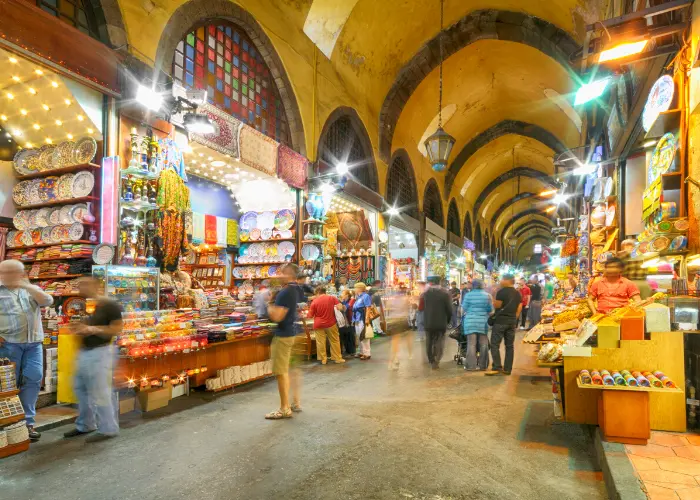
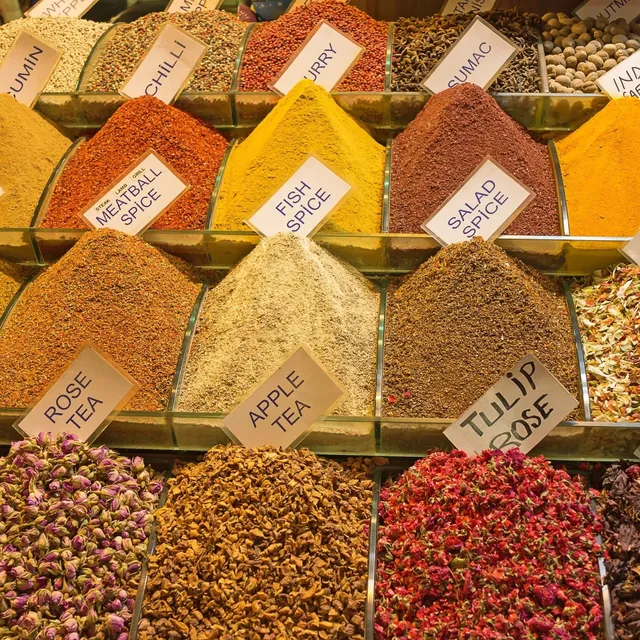
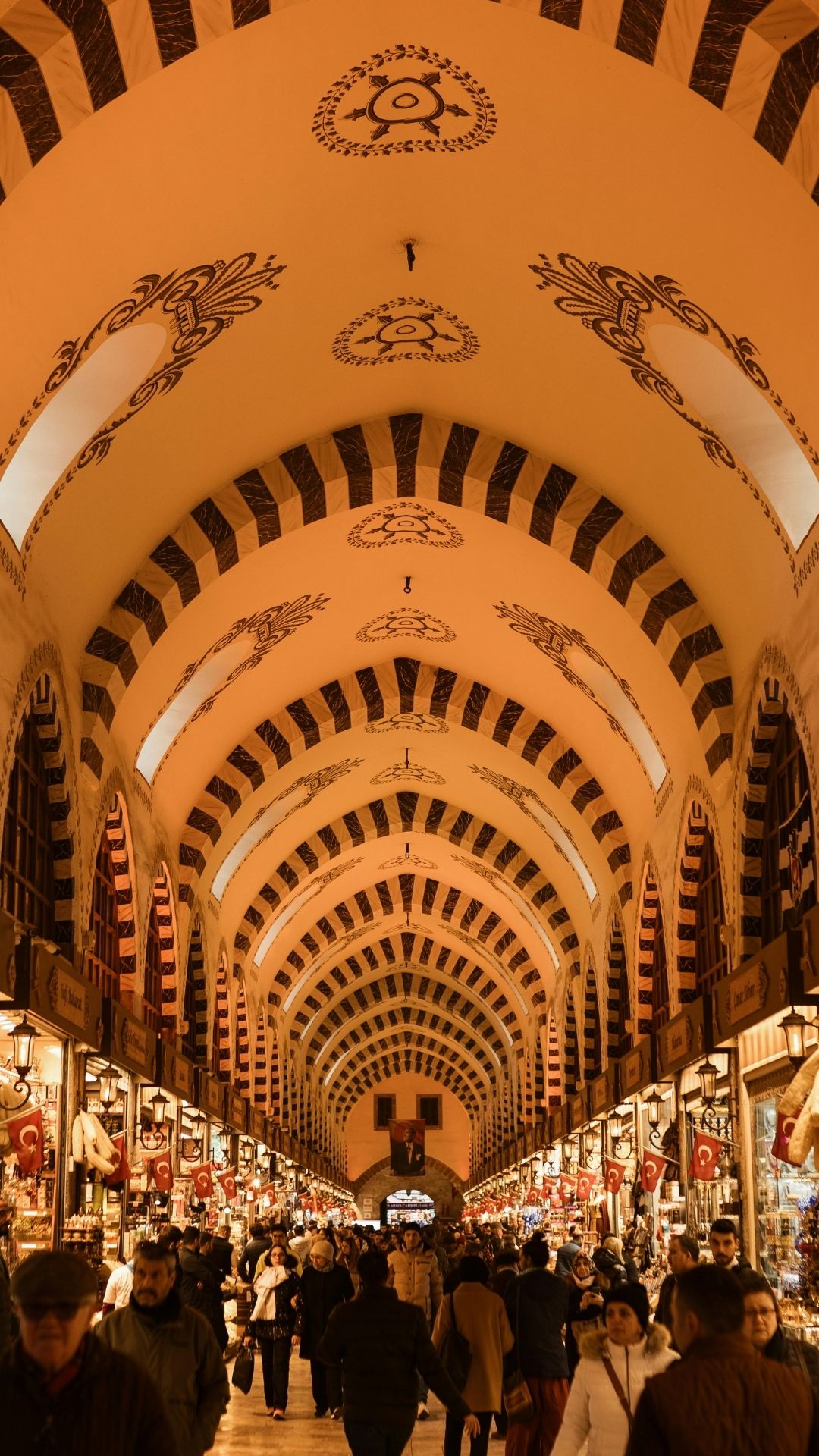
The setting completes the visit. The mosque's own külliye includes the Spice Bazaar next door — built, in fact, to fund the mosque's upkeep — and the tomb of the woman who finished the job. Meanwhile, the square between mosque and water runs its eternal show: pigeons, simit carts, and the balık ekmek boats grilling fish sandwiches by the bridge. Climb to the Galata Bridge's walkway at sunset and the mosque's silhouette stacks against the skyline exactly the way the postcards promise.
History
New Mosque History: Two Queens, One 66-Year Build
No imperial mosque in Istanbul took longer to build, and none tells a better story about who really ran the empire. Safiye Sultan — queen mother to Sultan Mehmed III — ordered the mosque in 1597, placing it deliberately in the harbor district where trade, money, and crowds met. Her architects came in sequence: Davud Ağa, then Dalgıç Ahmed Ağa after him. Subsequently, politics intervened. When her son died in 1603, Safiye lost her position and her project. Construction stopped with the walls barely risen, and the half-built mosque sat abandoned by the water for over half a century. Locals, notably, took to calling the stalled ruin the Zulmiyye — the oppression — a nickname that measured what the project had cost the district. For example, an entire neighborhood had been cleared for a mosque that now stood roofless while gulls nested in the stonework. It took a catastrophe to change its luck.
Fire finished what neglect started — and then reversed it. The Great Fire of 1660 devastated the district around the stalled ruin, and Hatice Turhan Sultan, queen mother to Mehmed IV, seized the moment. She ordered the mosque completed, with architect Mustafa Ağa delivering it in 1663, and the full complex — Spice Bazaar included — by 1665. Sixty-six years after the first stone, the "new" mosque finally opened (Wikipedia, 2026).
The two-queen saga is the point, not a footnote. The mosque is the flagship monument of the era historians call the Sultanate of Women, when queen mothers held real power in the empire — and it is, accordingly, the only great imperial mosque of Istanbul begun by one woman and finished by another. In other words, the skyline's most-photographed waterfront mosque is a matriarchal project from foundation to finial. The 2023 reopening, after seven years of scaffolding, returned it to the city on 6 January 2023 — polished, and still free.
Plan your visit
Visiting the New Mosque: Hours, Etiquette & Eminönü
Opening hours
The mosque opens daily outside the five prayer times, closing to visitors for around half an hour at each and through Friday midday. Prayer times shift with the calendar; accordingly, check a prayer-times app rather than fixed clocks. What if you arrive mid-prayer? No hardship — the square and bazaar absorb any gap with ease.
Entrance fee and etiquette
Entry is free — it is a working mosque. Shoulders and knees covered; women cover their hair inside, and shoes come off at the door. Likewise, keep voices low and stay behind the worshipper area during prayers. The Hünkâr Kasrı pavilion is also free, with its own entrance beside the mosque — hours are irregular, so ask at the door.
How to get there
Eminönü is one of Istanbul's great transit knots. The T1 tram and the Marmaray (Sirkeci station) both land within a three-minute walk, ferries from the Asian side dock across the road, and the Galata Bridge delivers Karaköy on foot. In addition, the Spice Bazaar shares the mosque's block — the two are one visit, historically and practically.
Best time to visit
Morning light favors the interior; sunset favors the silhouette. We found the golden combination is late afternoon: mosque and pavilion first, then the bridge walkway as the sky turns. Our team measured the full stop — mosque, pavilion, and a slow lap of the square — at forty-five unhurried minutes. In contrast to the Blue Mosque, there is rarely a queue at any hour.
Fact-checked against official sources · August 5, 2026 · TURSAB-licensed operator
Tours
New Mosque & Eminönü Tours
The mosque needs no ticket — the value-adds are context and access. The Hünkâr Pavilion visit unlocks the complex's royal secret, and the Spice Bazaar audio guide turns the neighboring market from a gauntlet into a story. For example, the two together make Eminönü a half-day rather than a walk-through. City-pass holders should check current inclusions. Prices sit on the cards.


FAQ
Frequently Asked Questions
Yes — it is a working mosque with no entrance fee, open daily outside the five prayer times. The Hünkâr Kasrı royal pavilion beside it is also free, though its hours are irregular.
It was the newest of the great imperial mosques when completed in 1665 — and the name stuck for 360 years. Its formal name is Yeni Valide Camii, after the two queen mothers who built it.
Two Ottoman queen mothers: Safiye Sultan began it in 1597, and after a 57-year halt, Hatice Turhan Sultan completed it in 1663–65 following the Great Fire of 1660. Three architects served in sequence — Davud Ağa, Dalgıç Ahmed Ağa, and Mustafa Ağa.
The royal pavilion attached to the mosque — a private İznik-tiled suite with a ramped passage into the sultan's prayer loge. It is free to visit, spectacular, and almost always empty. Hours are irregular; ask at its entrance beside the mosque.
On 6 January 2023, after a restoration that began in 2016 cleaned the interior and its more than ten thousand İznik tiles.
The Spice Bazaar shares its block — it was built to fund the mosque. The Galata Bridge, the Eminönü ferry piers, and the balık ekmek boats are all within three minutes on foot.
Still have questions?
Our Istanbul travel experts are happy to help.
Nearby