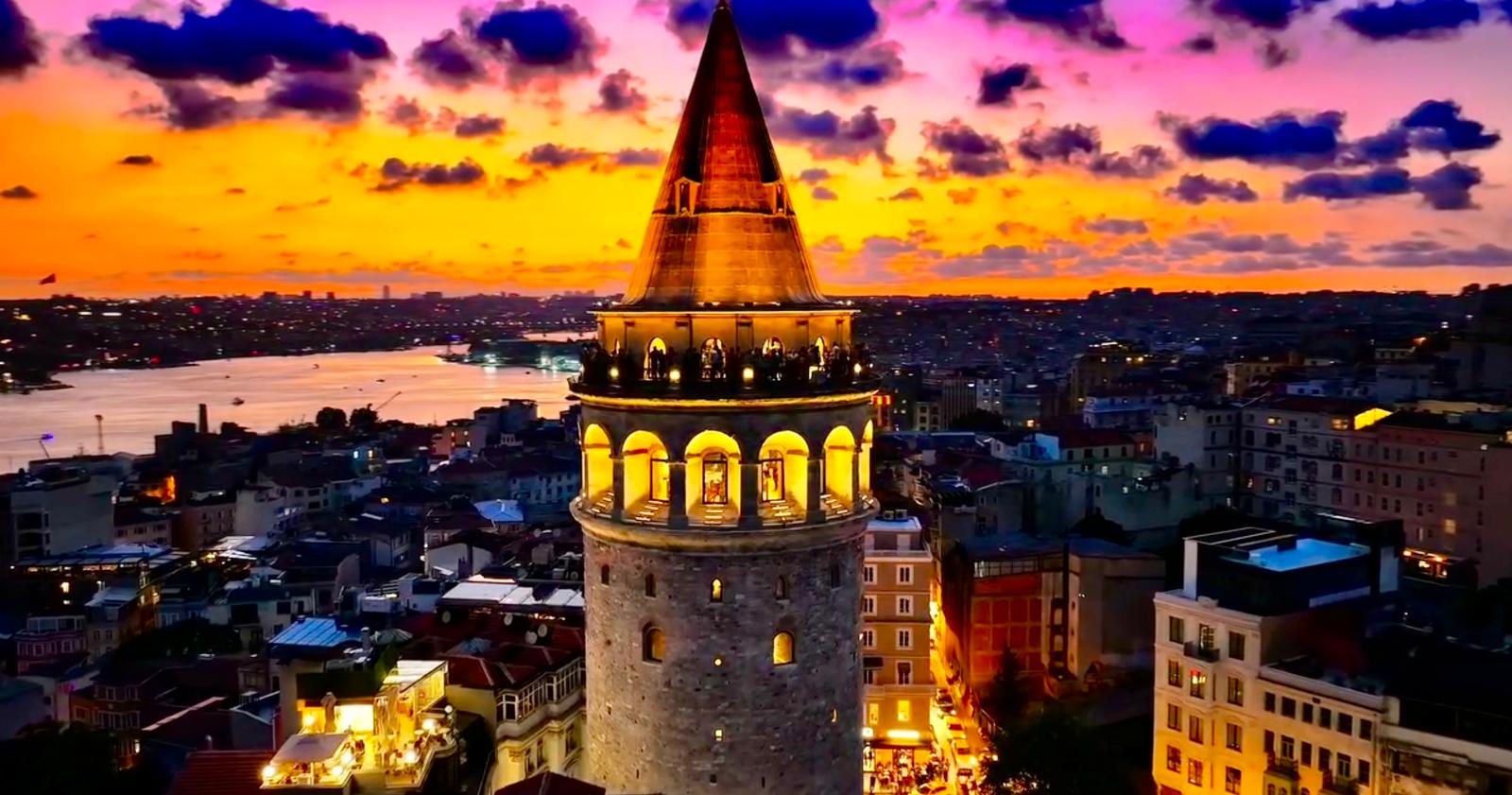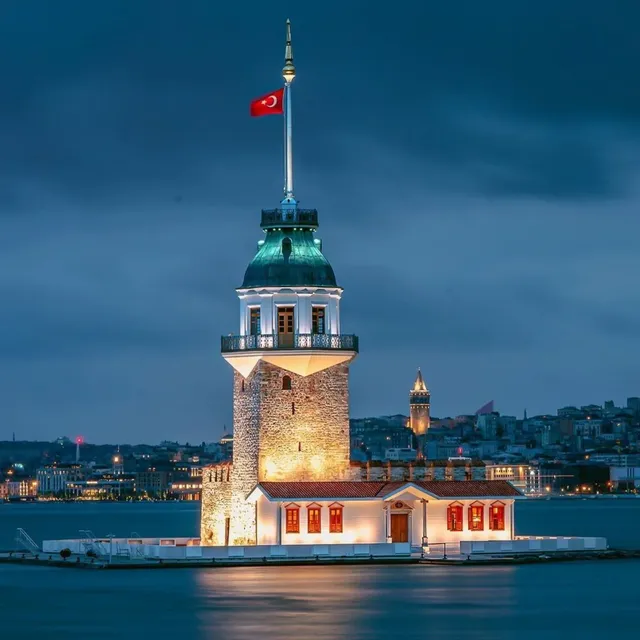
There are several reasons why visitors flock to Istanbul, and there are even more advantages to living and working here for a few months. Its unique combination of cultures is hard to match. Even better, the megacity’s livability, relatively low rates, and solid infrastructure make it a practical base for remote work.
Why remote work in Istanbul feels different
Istanbul is the world’s only metropolis to stretch across two continents: Europe and Asia. Greek colonists founded the city on the Bosphorus in the 7th century BC, when it was known as Byzantium. In the 4th century AD, it became Constantinople under Emperor Constantine and grew into the Byzantine Empire’s capital as well as a global cultural and trade center. In 1453, the Ottomans took the city and renamed it Istanbul. It remained a global powerhouse for decades and later became the economic and cultural hub of the Republic of Turkey.
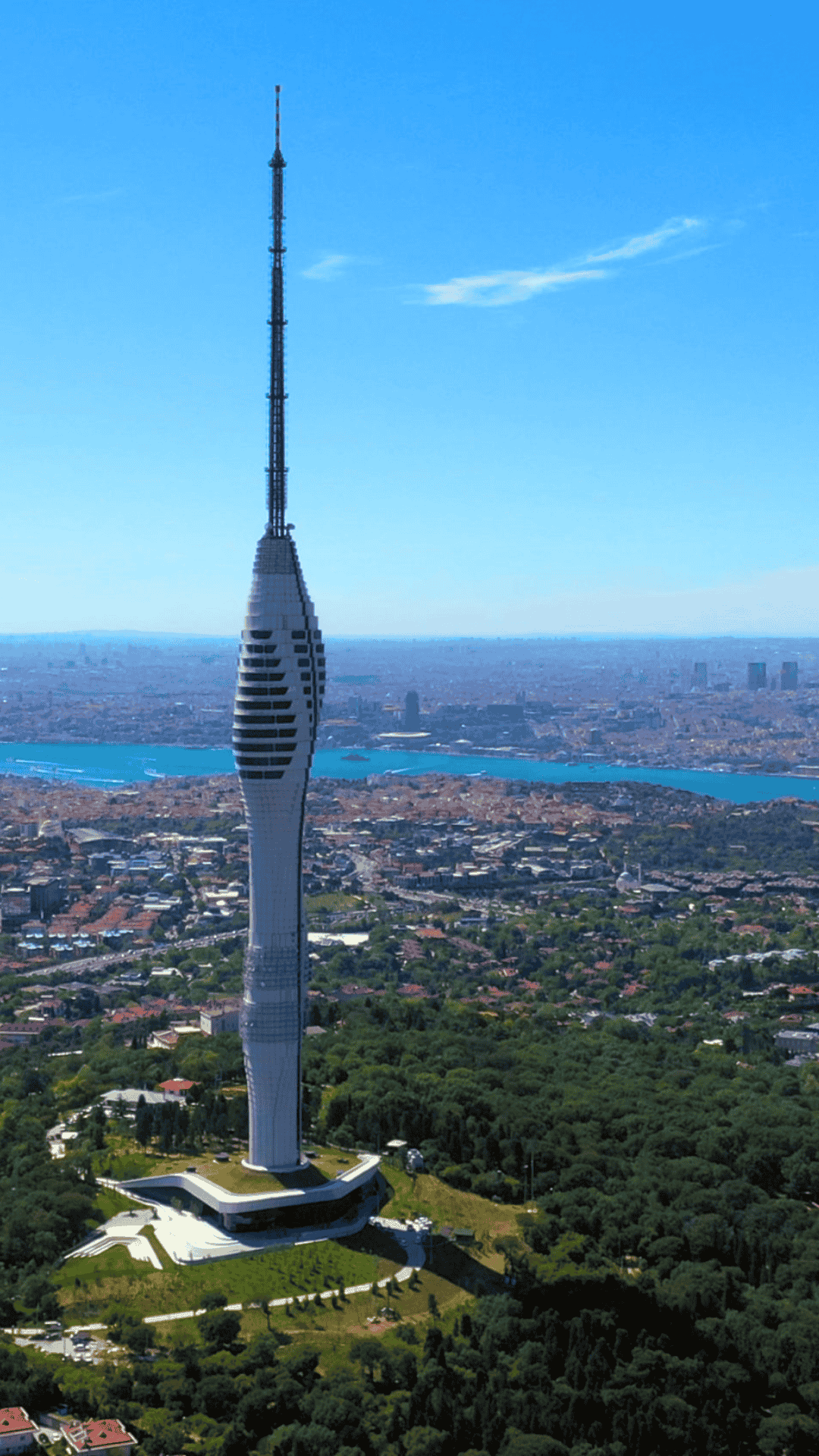
That layered history still shapes daily life. Across this vast city, you can move from traditional neighborhoods to modern districts filled with bars, cafés, and nightlife. It is a place where East and West meet, ideas mix, and different lifestyles coexist. For remote workers, that diversity matters. It means each day can feel different, whether you spend it working from a café, exploring a local district, or crossing the Bosphorus between continents.
Cultural sights and food between work sessions
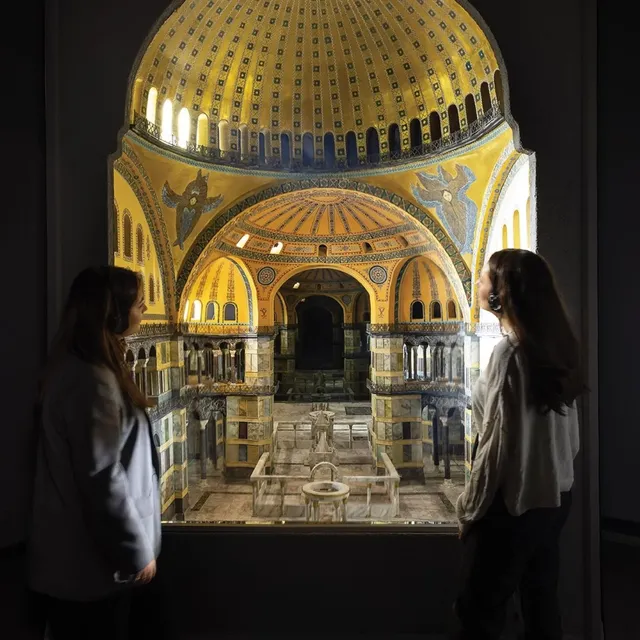
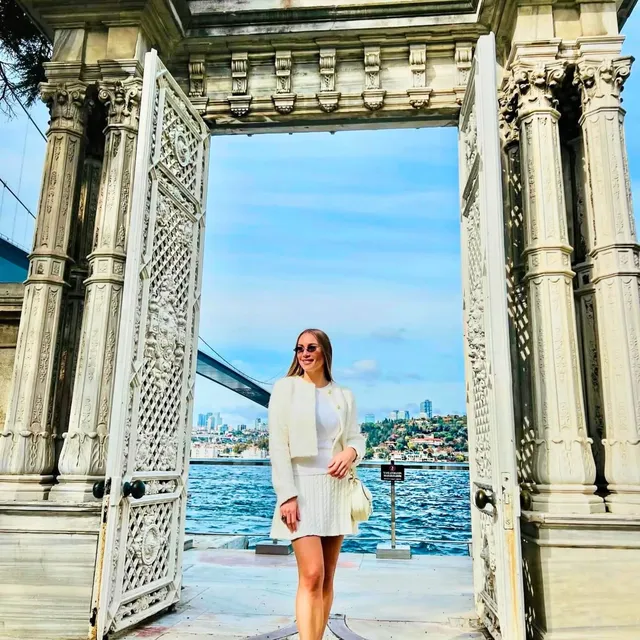
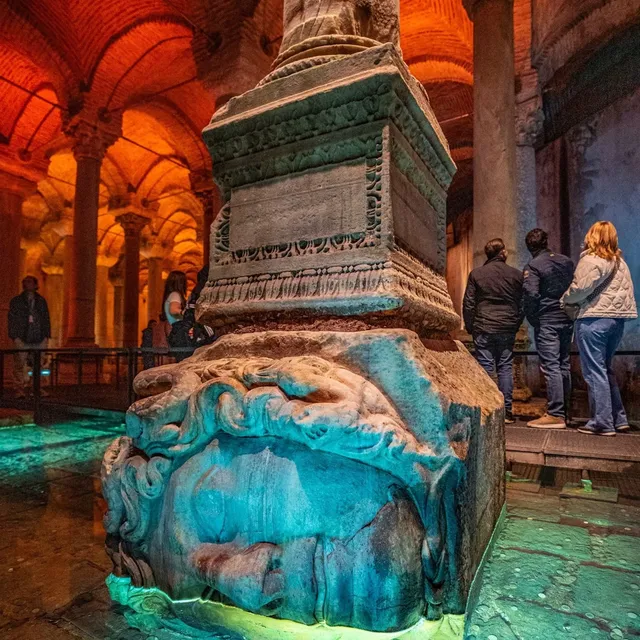
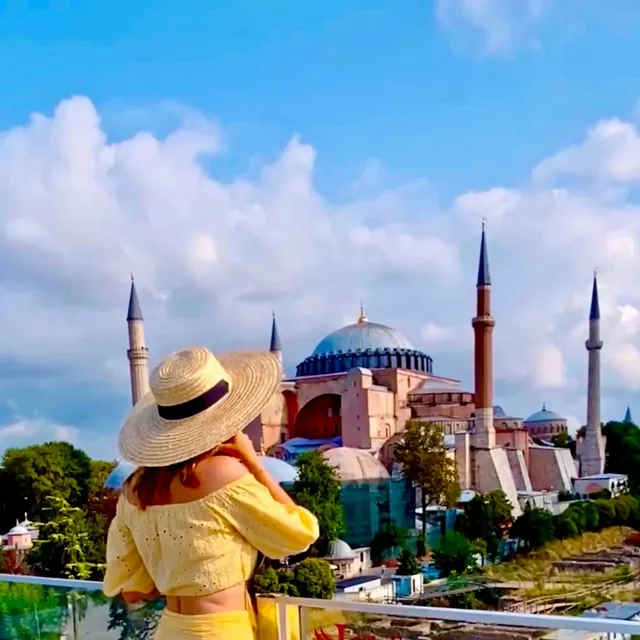
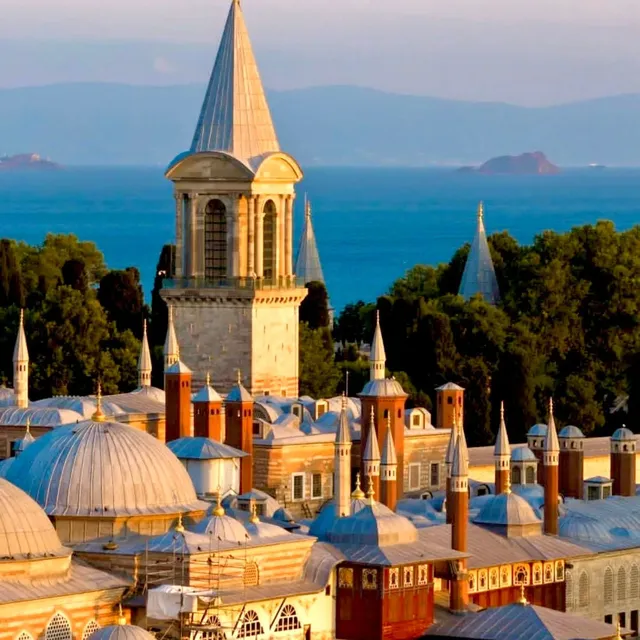
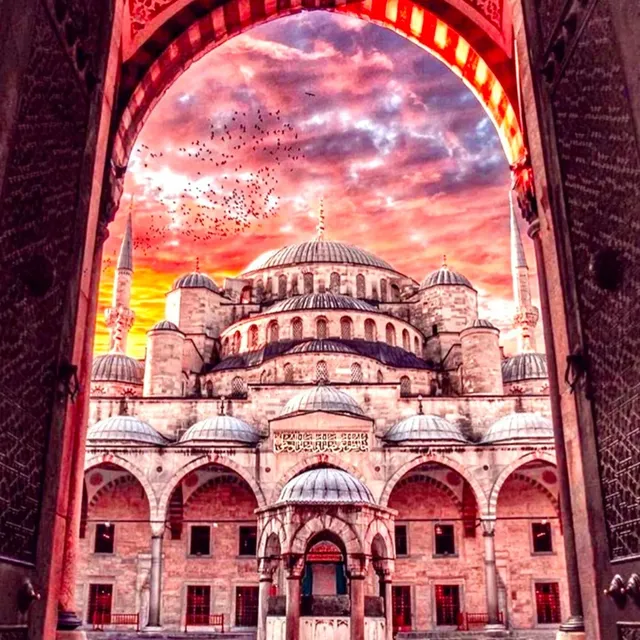
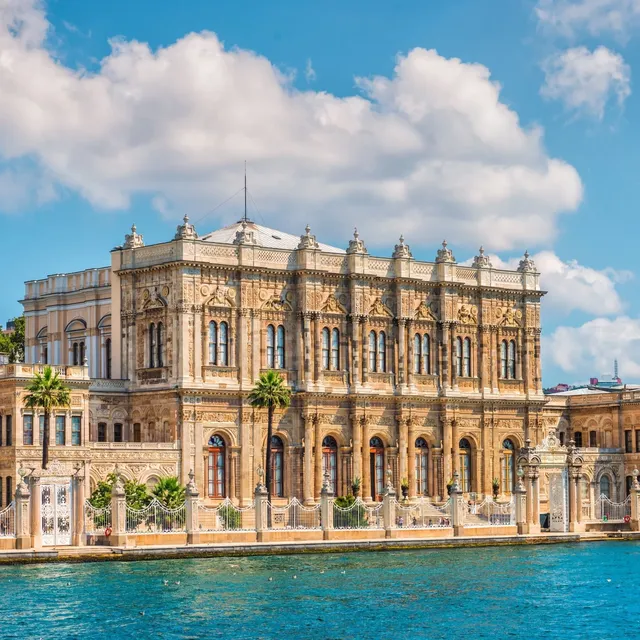
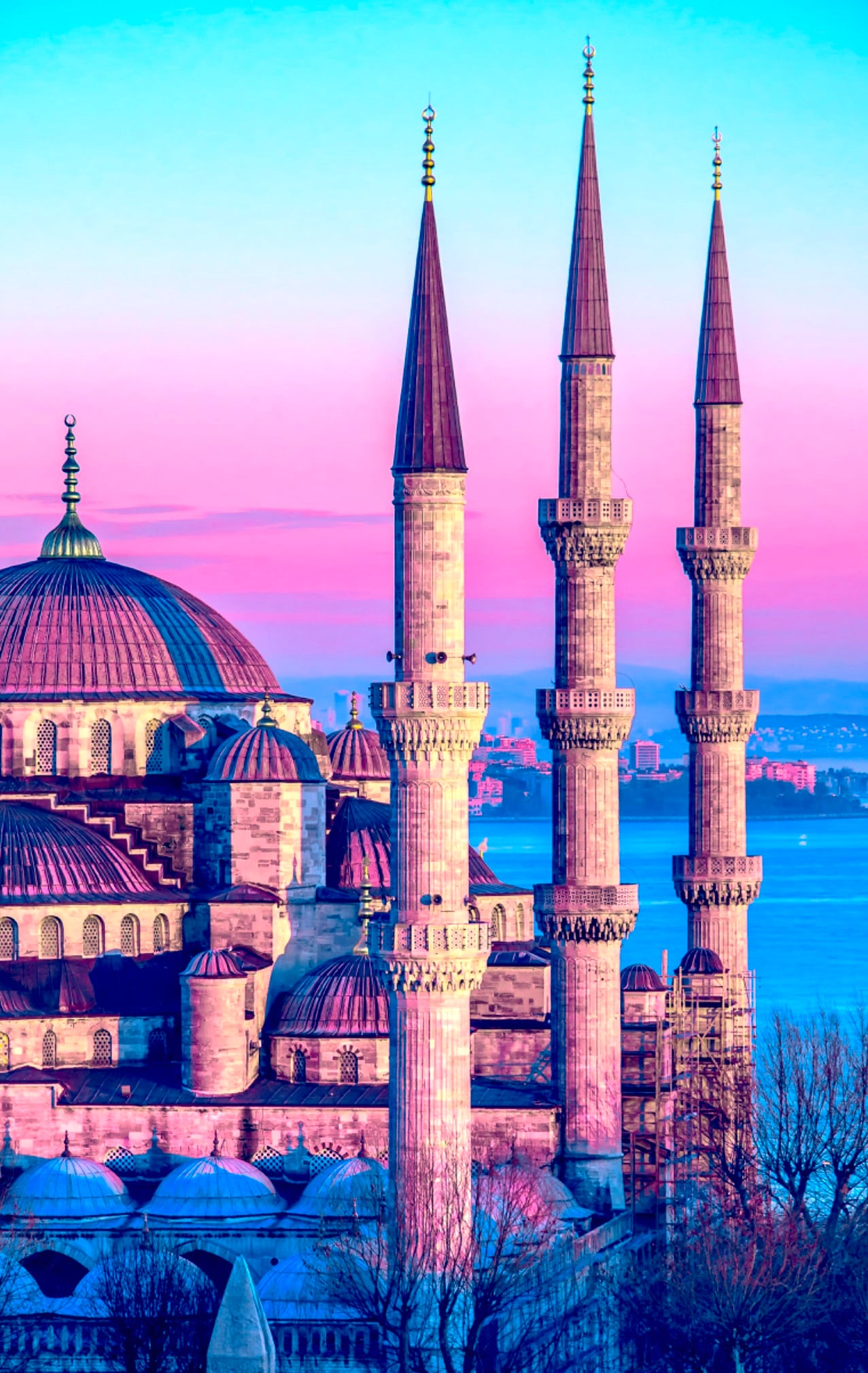
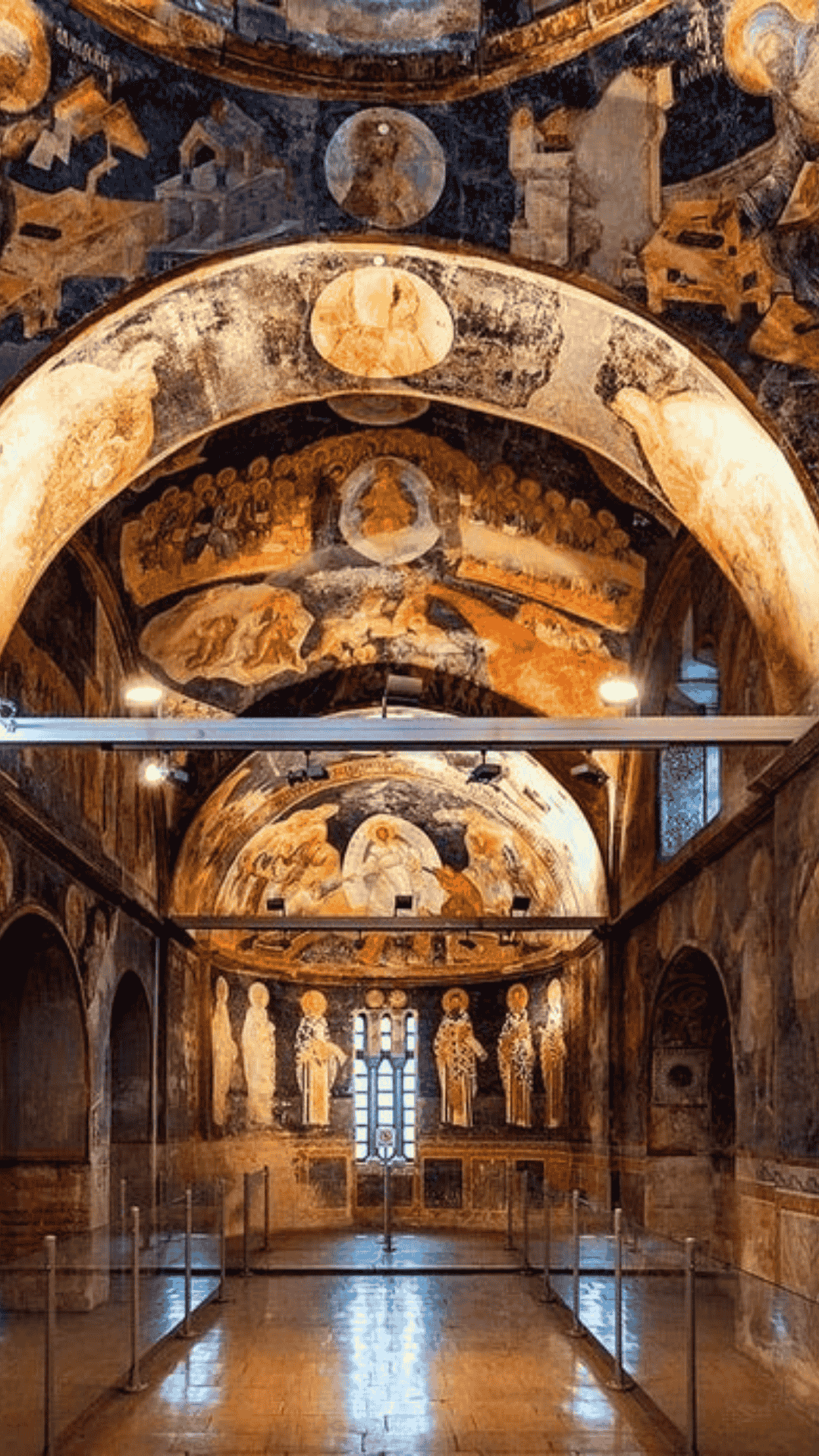
Few cities can compete with Istanbul when it comes to culture and gastronomy. In and around Sultanahmet, you can find landmarks such as Hagia Sophia, the Blue Mosque, Topkapi Palace, the Basilica Cistern, and the Istanbul Archaeology Museums within a relatively compact area. Elsewhere, there are grand waterfront palaces like Dolmabahce Palace, lively districts such as Taksim, and shopping icons like the Grand Bazaar.
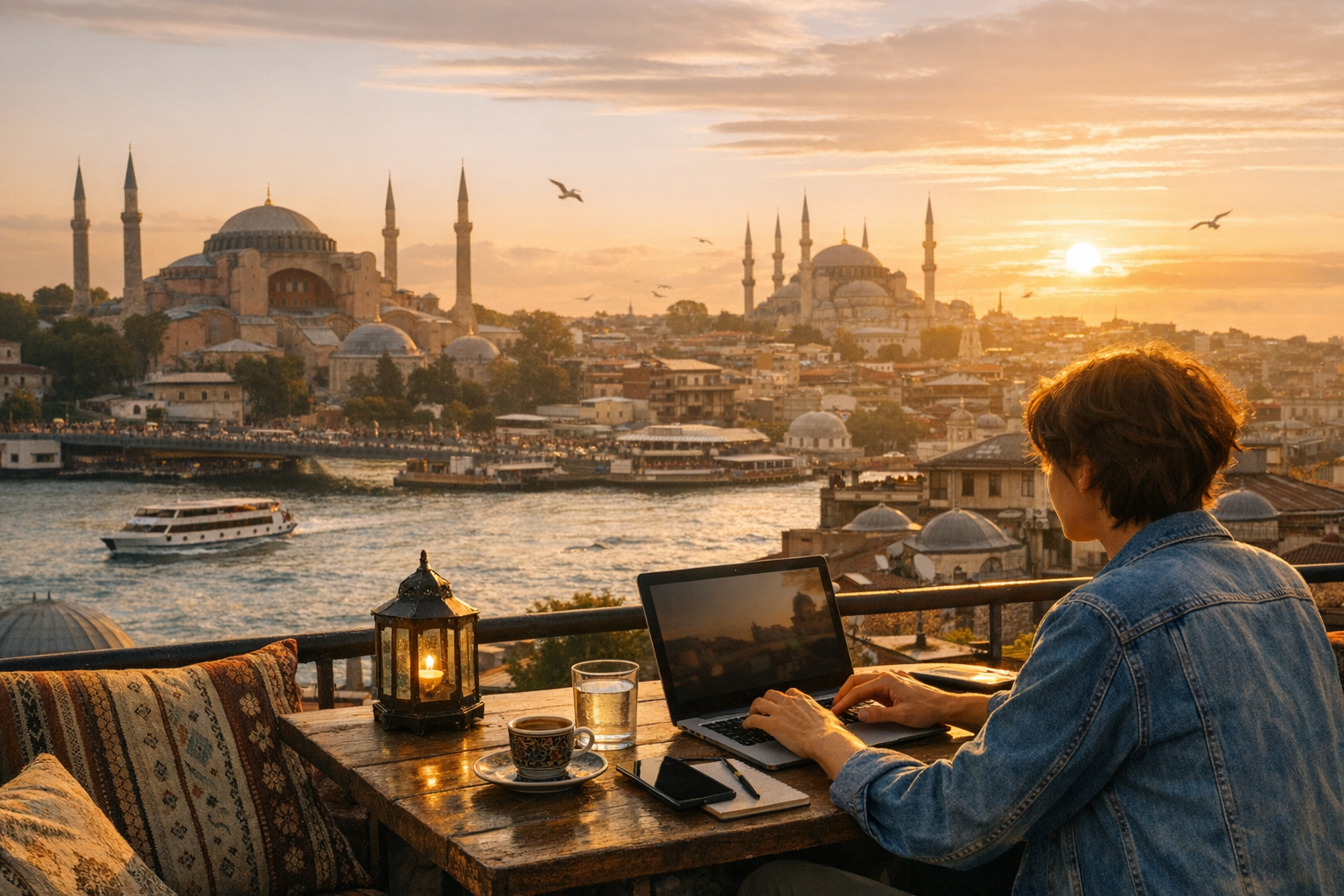
You could spend months in Istanbul and still not see everything. That depth is part of the appeal for anyone staying longer than a typical tourist. Between meetings and deadlines, there is always another museum, neighborhood, ferry ride, or food stop to try.
The city’s gastronomic offer is just as wide. My favorite areas for dining and drinking are Taksim, Kadıköy, and Cihangir. Whether you prefer traditional Turkish dishes, street food, or contemporary cafés, Istanbul gives remote workers plenty of variety without making everyday life feel repetitive.
Overall, Istanbul helps ensure that remote life is not only productive but also full of adventure.
Work-friendly neighborhoods for digital nomads
Historic sites are inspiring, but digital nomads also need practical places to work. Istanbul delivers on that side too. As Turkey’s economic hub, the city attracts thousands of ambitious young professionals and entrepreneurs from around the country and the wider region. As a result, there are many coffee shops, coworking spaces, and flexible work environments.
Renting an Airbnb in Taksim or Levent is one of the better options for a remote worker. Both areas have contemporary commercial zones, plenty of cafés, apartments with high-speed WiFi, and coworking options at reasonable rates. Taksim also places you near major social and transport connections, while Levent is well suited to those who prefer a more business-oriented atmosphere.
Infrastructure, safety, and everyday livability
Istanbul’s infrastructure is decent in many places and excellent in others. Strong WiFi is widely available, and SIM cards are easy to buy. The city’s shopping centers are modern and comprehensive, offering many of the conveniences you would expect in Western Europe or North America. While some districts have sanitation issues, these are not representative of the entire city.
Overall, the infrastructure is more than adequate for daily remote work, and the city remains a very pleasant atmosphere for medium-term living. English is not widely spoken outside tourist areas, but most visitors can get by. If you plan to spend time beyond the usual visitor zones, learning a few Turkish words is helpful.
As for safety, Istanbul does not have a major crime problem by big-city standards. Most minor offenses are motivated by opportunity, so ordinary precautions and common sense usually go a long way. For many remote workers, that makes the Turkish megacity safe enough to navigate comfortably.
Living expenses in Istanbul
Many remote workers choose to relocate in order to benefit from geo-arbitrage, and Istanbul can still be appealing in that regard. The depreciation of the Turkish lira has benefited digital nomads, although it has also made life more expensive for locals and raised the price of imported goods. Even so, Istanbul remains relatively reasonable for people earning in dollars or euros.
According to Numbeo, the cost of living is 63 percent cheaper than in New York City and 54 percent lower than in Los Angeles. As always, prices can change, so it is wise to check current costs before making long-term plans.
Transport, ferries, and global connections
Another major advantage of living in Istanbul is the transportation network. The metro system continues to expand and connects many of the city’s main transport hubs. Trams serve smaller areas, and Bosphorus ferries make crossing between Europe and Asia both practical and memorable. For route planning and updates, check the official Metro Istanbul site.
The city’s ferry system is another everyday advantage for remote workers who want a break from roads and traffic. For schedules and lines, you can also refer to Şehir Hatları.
Istanbul Airport adds another layer of convenience. Opened in 2019, it is widely regarded as one of the world’s standout airports and serves routes across every continent. For remote workers who travel often, that level of international connectivity is a serious benefit.
Final thoughts on remote work in Istanbul
With the crowds and transportation challenges in the city, working from home has become an increasingly attractive option in Istanbul over the past five years. The pandemic and lockdowns accelerated that shift, making remote work much more common than before. Without daily traffic and lost commuting time, many people avoid very early starts and late returns home.
If you are considering a base that blends history, food, convenience, and everyday energy, Istanbul makes a strong case. It is not a quiet city, and it is not without challenges, but for many digital nomads, that is exactly the point.