A Spiritual and Cultural Experience at Galata Mevlevi Museum
The museum provides a unique opportunity to explore the rich cultural and spiritual heritage of the Mevlevi order. Visitors can admire the intricate details of the instruments, learn about the mystical practices of the dervishes, and appreciate the beauty of the calligraphy. Whether you are a history enthusiast or simply curious about Turkish culture, this museum is a rewarding stop in Beyoğlu.
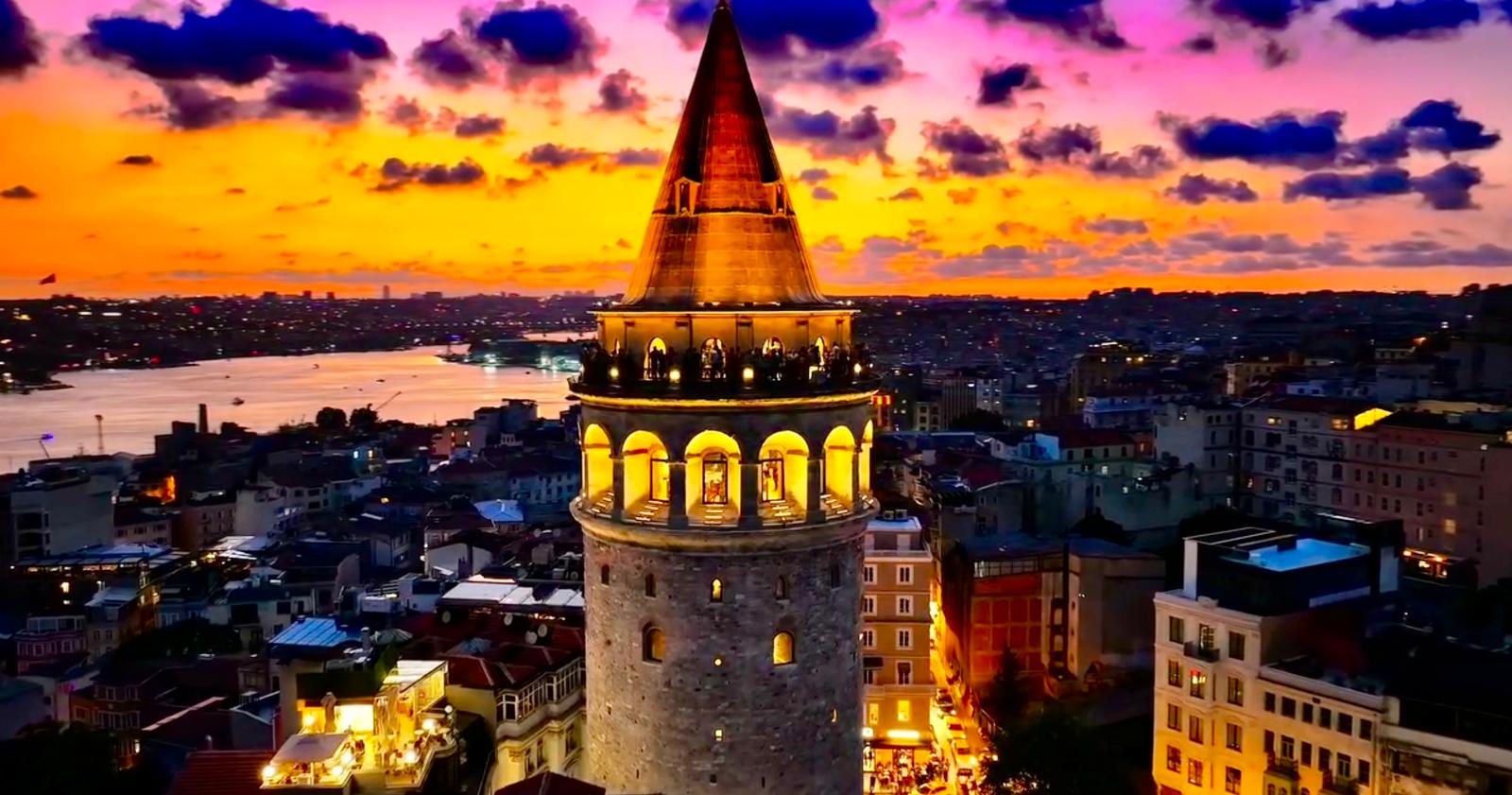
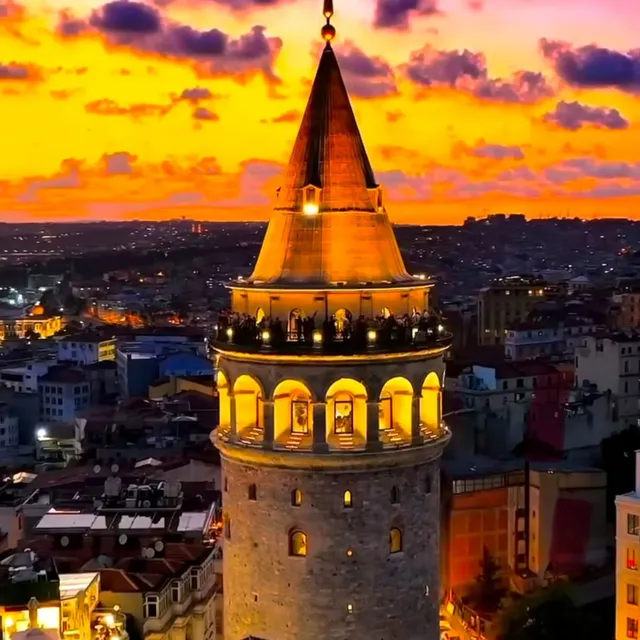
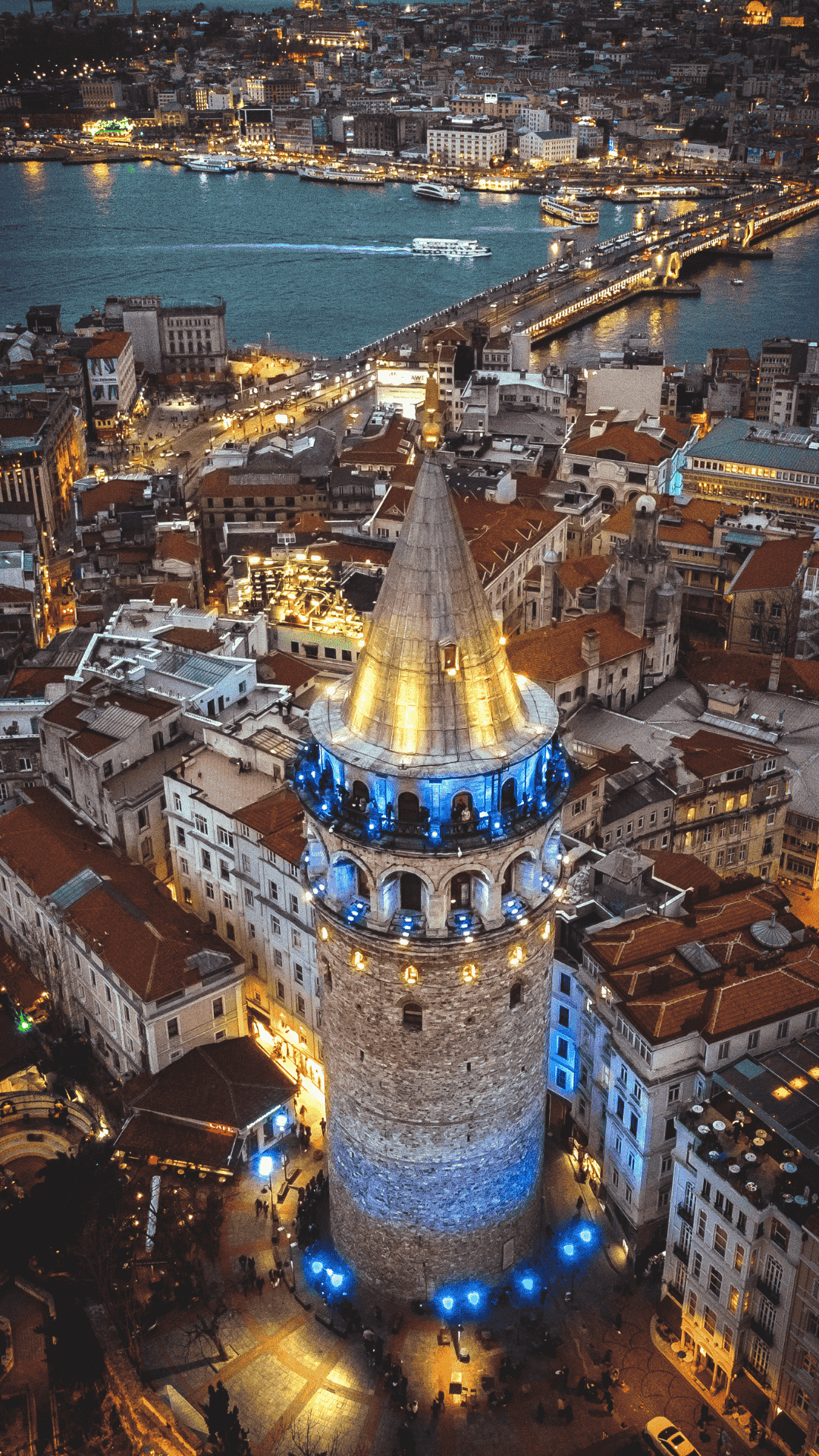
It also pairs naturally with nearby landmarks such as Galata Tower and other experiences connected to Whirling Dervishes, making it easy to build a culture-focused day in this part of Istanbul.
Inside the Museum
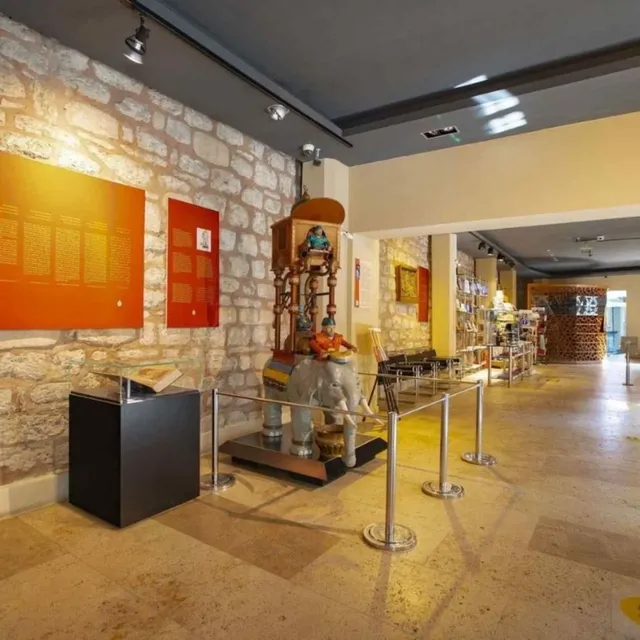
One of the first things that draws attention is the museum's distinctive Ottoman-style architecture. The site is designed like a social complex, and a stone path leads from the courtyard entrance to the main structure. In the garden are the shrines of Sheikh Galib and Halet Efendi. The Adile Sultan and Hasan Aga fountains and the "Hamuflan" Mevlevi cemetery are among the main elements of the complex.
The Semahane building contains the museum's exhibition spaces. In addition, 17 significant figures were buried here after their tombs were moved in 1942, including Lady Leyla, Ibrahim Muteferrika, Humbaraci Ahmet Pasha, Nayi Osman Dede, Fasih Dede, and Esrar Dede.

Whirling Dervishes
Galata Mevlevi Lodge and Museum also presents Whirling Dervish performances every Sunday, which is especially fitting given the museum's theme. If you are interested in Mevlevi tradition, visiting on a Sunday may allow you to experience these remarkable performances in the same historic setting.
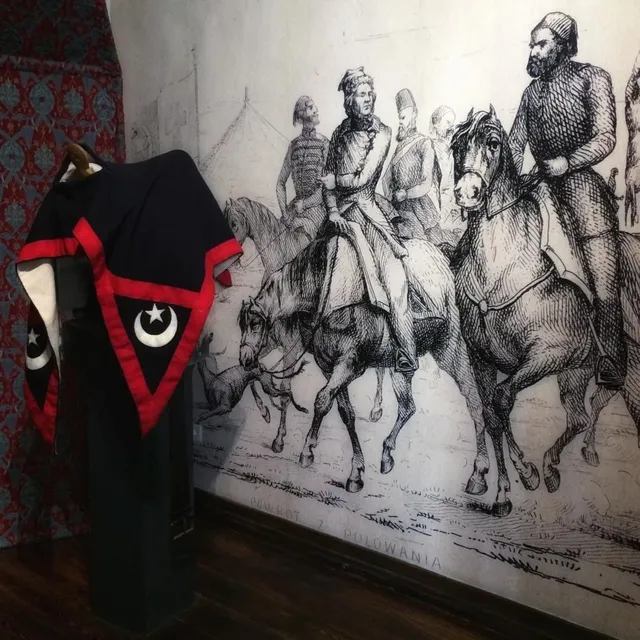
In these seven-century-old performances, the dervishes "spin" as a form of dhikr. Their hat and white robe symbolize the gravestone and burial gown. Before beginning to twirl, they remove their black cardigans, which represent the grave. Together, these symbols express rebirth in the effort to become the "ideal human being."
Galata Mevlevi Museum Whirling Dervish performances are available every Sunday at 5 PM. Tickets for the performance are not numbered and are sold separately from museum entrance tickets, so arriving early is a good idea if you want to secure your seat.
Where Is the Galata Mevlevi Museum?
If you plan to visit Beyoğlu, do not limit yourself only to the museum. The neighborhood is home to several notable attractions and historic streets. The museum is especially easy to combine with a walk toward the Golden Horn or a broader itinerary around central Istanbul.
There are several ways to get there. The Bağcılar-Kabataş tramway and the Karaköy-Beyoğlu funicular line are among the simplest options for reaching Karaköy. From the Beyoğlu stop, the walk is around 100 meters.
If you do not mind a bit of walking and are near the Yenikapı-Hacıosman metro line, you can get off at Şişhane and walk about 500 meters to the museum. If you prefer the bus, the 30D, 26B, 26A, 26, and 70KE lines passing through Kemeralti are useful options. The museum is roughly 400 meters from the Kemeralti stop. For updated public transport details, it is best to check the official Metro Istanbul website.
Visiting Galata Mevlevi Museum
The museum is open daily from 9 a.m. to 5 p.m. from October 1 through April 1 and from 9 a.m. to 7 p.m. from June through August (1st of April to 1st of October). With the exception of Mondays, the museum is open every day of the week. On the first days of the Ramadan Feast and Festival of the Sacrifice, it is open for a half-day. On all other holidays, it is open.
The entrance cost at the Galata Mevlevi Museum is €7, but it is wise to plan your visit carefully because ticket offices close one hour before the museum closes. As prices and visiting conditions may change, check the official sources before you go. A general historical overview is also available on Wikipedia.
According to the available information, tickets are free for Republic of Turkey citizens under 18 and over 65, for spouses and children of veterans and martyrs, for people with disabilities and one companion, for members of the armed forces, for foreigners aged 0 to 12, for press card holders, and for tour companies that have received ministry approval.