The Story of Turk Father Atatürk
One of the leaders who touched millions of hearts was Mustafa Kemal Atatürk, the founder of what is now the Turkish Republic. For many people searching for the story of turk father Atatürk, his life stands as a defining chapter in modern Turkish history. Here is the story of this great leader.
Mustafa Kemal Atatürk, or as some people called him Mustafa Kemal Paşa, was a soldier, statesman, author, and the first president of the Turkish Republic. He was born in 1881 in Salonika, the city now called Thessaloniki in Greece, which was once under the rule of the Ottoman Empire.
When he was 12 years old, Mustafa Kemal Atatürk was sent to military school and continued his education in military institutions. He later entered the military academy, where he became an official soldier. During his years there, he proved his intelligence, and his teachers believed in his clear mind and shrewdness. Mustafa Kemal Atatürk graduated in 1905 and began his military life.
Military Career and Rise to Leadership
Mustafa Kemal Atatürk joined many wars during his military career. In 1911, he took part in the war against the Italians in Libya. Between 1912 and 1913, he joined the Balkan Wars and later played a very important role in securing the Ottoman Turkish victory during the Battle of Gallipoli, also known as the Dardanelles campaign, in World War One.
After the defeat and dissolution of the Ottoman Empire, Mustafa Kemal Atatürk led the Turkish National Movement, which resisted the partition of Turkey’s mainland between the Allied powers and established a provisional government in Ankara. He was able to defeat the forces sent by the Allied powers, saving his government in what later became known as the War of Independence.
He then continued to defeat what was left of the Ottoman forces in Turkey, and in 1923, he officially announced the establishment of the Turkish Republic.
How Atatürk Shaped the Turkish Republic
As the first president of the newly established republic, Mustafa Kemal Atatürk initiated a strict program of political, economic, and cultural reforms to build a modern and progressive nation-state. He built thousands of schools and made primary education free and compulsory. He replaced the Ottoman Arabic alphabet with the Latin Turkish alphabet, and women were given their rights once again.
During his period, the process of Turkicisation was taken very seriously. Non-Turkish minorities were pressured to speak Turkish, and people with non-Turkish names and surnames were pressured to change their names to Turkish renditions.
Year after year, the Turkish Republic began to create an important place for itself in international society under the leadership of Mustafa Kemal Atatürk, whether in terms of economics, politics, military affairs, or culture. The country recovered quickly, and Turkish people worked together to build a strong and connected nation.
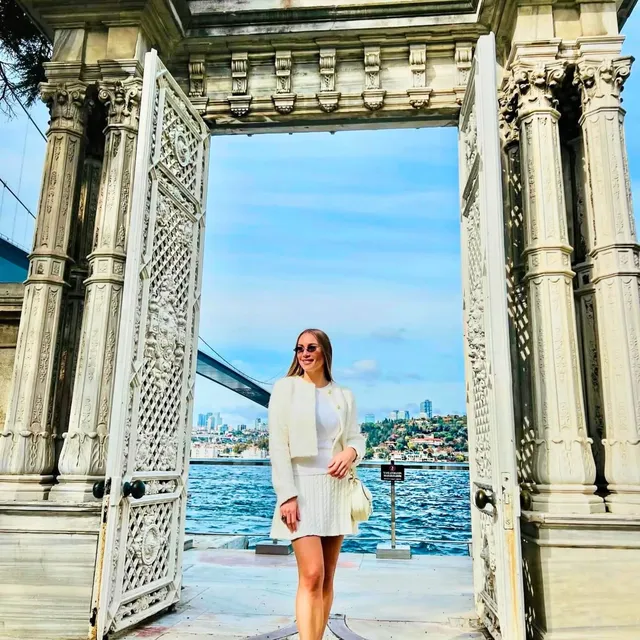
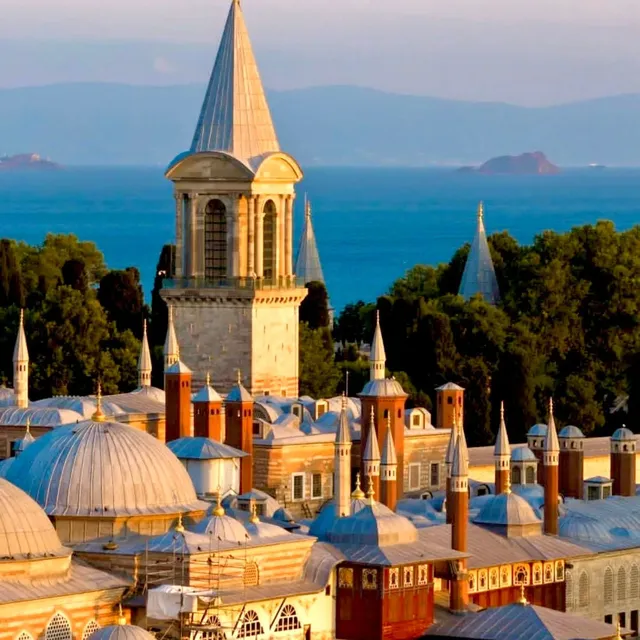
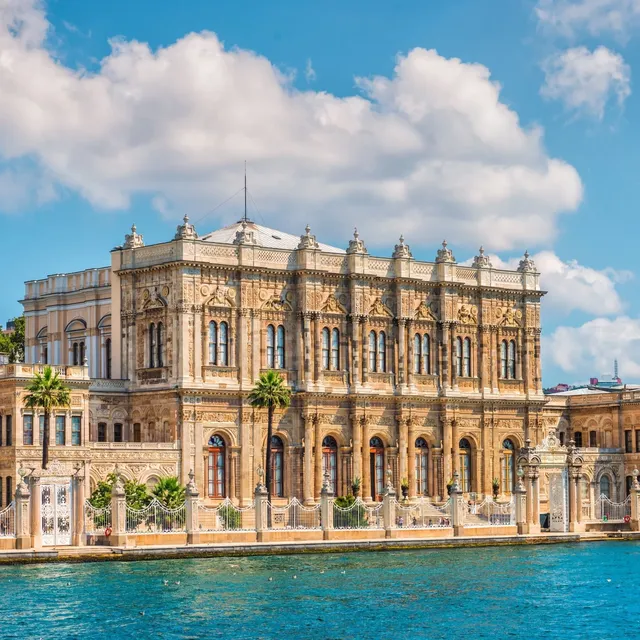
For visitors exploring Istanbul’s late Ottoman and early republican heritage, Dolmabahce Palace remains one of the most meaningful places connected to Atatürk’s final days. You can also better understand the imperial world that came before the republic by visiting Topkapi Palace and the nearby historic core around Sultanahmet Square.
Illness and Death
Unfortunately, during 1937, rumors about Mustafa Kemal Atatürk’s worsening health started to appear. In 1938, while he was on a trip to Yalova, he suffered from a serious illness and was immediately sent to Istanbul for treatment. After several medical tests, he was diagnosed with cirrhosis of the liver.
Atatürk tried his best to spend his last days living the same way he had always lived, but he died on 10 November 1938 in Dolmabahce Palace, where he spent the final period of his life.
The clock in the bedroom where he died is stopped and still set to the time he passed away: 9:05 AM.
Atatürk’s remains were sent to the Ethnography Museum of Ankara, and in 1953, 15 years after his death, they were transferred to the mausoleum overlooking Ankara.
In his will, Atatürk decided to give all of his money to the Republican Party, and the yearly interest of his funds was to go to his sister and her adopted children, support the education of his dear friend İsmet İnönü’s children, and benefit the Turkish Language Association.
Mustafa Kemal Atatürk built a very different and unique nation, one that was and still is able to prove itself in the world and reach high levels of success through the years.
For a general historical overview, you can also consult Britannica’s article on Mustafa Kemal Atatürk or browse the Wikipedia entry on Mustafa Kemal Atatürk.