
Essential Information About Istanbul
This practical guide shares useful information about Istanbul for visitors, from health and safety to emergency numbers, traffic, and where to get help. The aim is simple: help you enjoy the city with confidence while keeping the original, no-nonsense advice that matters on the ground.
Health and security in Istanbul
A city trip to Istanbul doesn’t require any special vaccinations or health preparations as long as you observe a few basic guidelines. The same applies to personal safety. Istanbul is as safe as any other major city in the world, if not safer. Visitors rarely become victims of violence or theft, especially when they are careful and stay away from outlying suburban areas, in particular those along the old city walls.
Emergency phone numbers in Turkey
- Police: 155
- Ambulance: 112
- Tourist Police: Yerebatan Caddesi 6, Sultanahmet. Phone: +90 (212) 527 45 03
Main tourist information offices
- Istanbul Tourist Info Office – Taksim-Hilton Otel
Phone: +90 (212) 233 05 92
Address: Hilton Oteli Girişi, Elmadağ Taksim İstanbul - Istanbul Tourist Info Office – Sirkeci
Phone: +90 (212) 511 58 88
Address: Sirkeci Garı, Sirkeci İstanbul - Istanbul Tourist Info Office – Karaköy
Phone: +90 (212) 249 57 76
Address: Karaköy Limani Yolcu Salonu içi, Karaköy
Health Information About Istanbul
Vaccinations
Although a city trip to Istanbul doesn’t require any special vaccinations, many governments and travel agents recommend being protected against Hepatitis A and B, Tetanus, Diphtheria, Polio, and Typhus. In practice, many travelers are already covered for most of these in their home country, but it is still worth checking before departure.
Basic precautions
The main inconvenience tourists may experience while visiting Istanbul is diarrhea. According to the original local advice in this guide, this is usually caused by sudden exposure to hot weather and the consumption of more oily and spicy food than back home. If you have a weak stomach, you may want to prepare accordingly before your trip and be cautious with what you eat during your first days in the city.
While exploring Istanbul, avoid half-baked meat, pre-prepared food, especially seafood sold on street corners, and dairy products, with the exception of yoghurt. If you do get diarrhea, local pharmacy advice in the original text recommends Ercefuryl and Immodium, but you should always read the instructions carefully before using any medicine.
In the meantime, drink a lot of water at room temperature or flat coke without gas. During a bout of what many travelers call “Turkey tummy,” stay away from exotic or oily food and stick to bread and yoghurt until you recover.
It is not recommended to use tap water for drinking. Although the water is clean, the filtering process can leave it with a strange taste and smell. Bottled mineral water is widely available. There is no need to brush your teeth with bottled water, though. Ice cubes in drinks are generally considered safe, as they are produced with mineral water.
Istanbul’s municipality makes a visible effort to reduce mosquitoes in the city, especially in warmer months. You may occasionally see municipality trucks in the evening spraying repellent into the air. Even so, bringing mosquito spray, lotion, or gel is a good idea. Mosquito bites are annoying, but not dangerous.
Stray cats and dogs are common in Istanbul’s streets. Most avoid contact with humans and are simply looking for food. They are rarely aggressive, but it is still better not to pet them. If you get scratched by a cat, wash the wound with soap and water. If an animal bites you, have a doctor examine it for rabies. A yellow tag on a dog’s ear indicates it has been vaccinated.
Pickpocketing and earthquakes
Turks are generally very honest people and will often make an effort to return lost items to their owner. If you lose something, go back to where you last had it or visit the Tourist Police office. Still, crowded streets remain a small paradise for pickpockets, especially in major visitor areas such as Grand Bazaar and busy transport hubs.
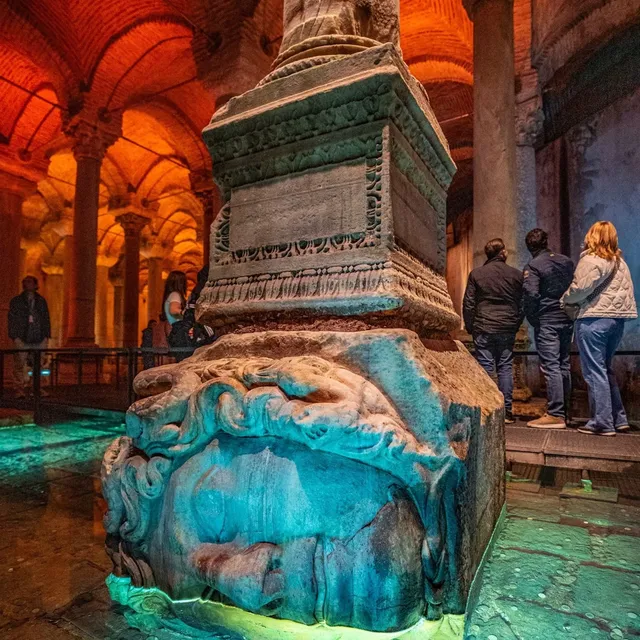
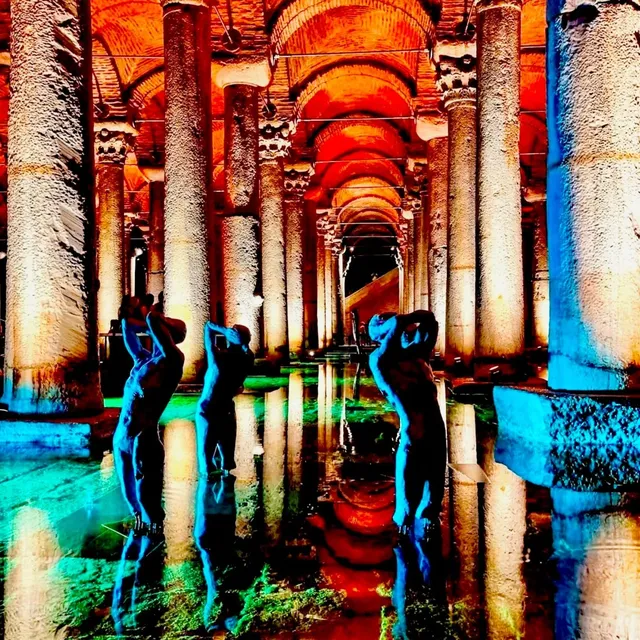
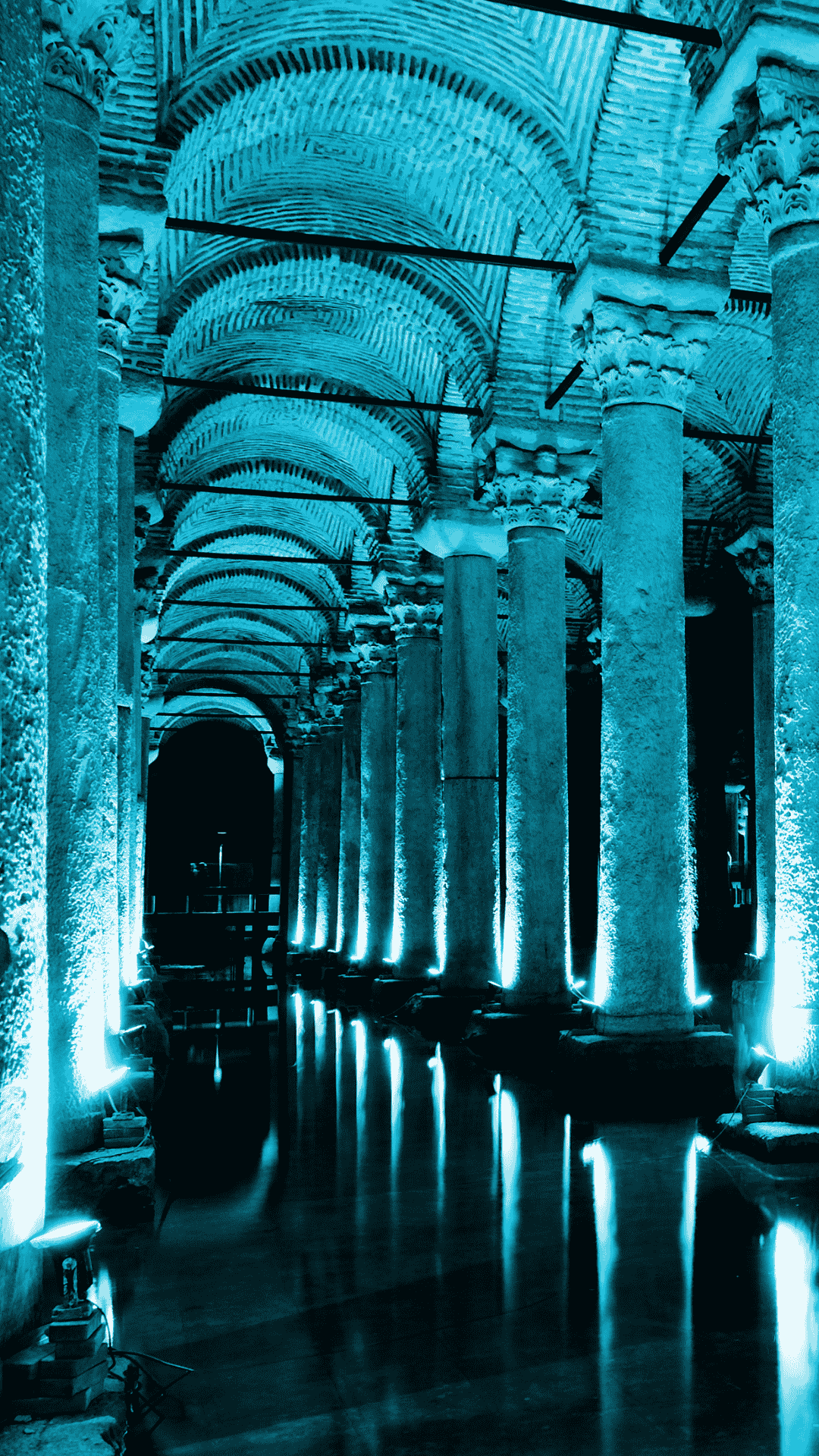
Do as locals do: carry your wallet in your front pocket, keep handbags within eyesight, and wear backpacks the other way round in crowded places. This also applies when visiting heavily visited landmarks such as Basilica Cistern.
In recent years, Istanbul has sporadically been the scene of terrorist attacks. Although small in size and number, it is wise to stay extra alert in public markets and around trash containers, which have been targeted in the past.
Finally, Istanbul is located in an earthquake-sensitive zone. In 1999, a quake measuring 7.6 on the Richter scale hit hard. But don’t let this scare you unnecessarily. As a tourist, you will mostly spend time in areas surrounded by monuments that have withstood multiple earthquakes over the centuries. The subsoil in many historic districts is solid rock, and modern hotels are generally designed to withstand the force of most earthquakes. For broader background on the city, see Britannica’s Istanbul overview.
Medical attention in Istanbul
Small discomforts
If you experience minor discomforts such as diarrhea, sore throat, or a cold, or if you simply need medicine, visit a pharmacy, called an eczane. Pharmacies are everywhere in Istanbul and easy to recognize. In tourist areas, pharmacists often speak some English, are well educated, and are usually very willing to help.
More serious discomforts
If your condition cannot be treated by a pharmacist or requires a doctor’s attention, you have a few options. One is the public hospital system, often referred to as poliklinik. Expect long queues and basic facilities, as treatment is provided very cheaply.
Another option is one of the private hospitals. These hospitals are typically very well equipped, their staff often speaks one or more foreign languages, and the service level can be high. The downside is that they charge accordingly, so travel insurance is strongly recommended.
In an emergency, the ambulance will most likely take the patient to Taksim İlk Yardım Hastanesi (Taksim First Aid Hospital), located across from the German Hospital.
Private hospitals
- Alman Hastanesi (German Hospital)
Sıraselviler Caddesi No:119, Taksim
Tel: (0212) 293 21 50 - Amerikan Hastanesi (American Hospital)
Güzelbahçe Sokak No:20, Nişantaşı
Tel: (0212) 444 37 77 - Florence Nightingale Hastanesi (Florence Nightingale Hospital)
Abide-i Hürriyet Caddesi No:290, Şişli
Tel: (0212) 224 49 50 - Taksim İlk Yardım Hastanesi (Taksim First Aid Hospital)
Sıraselviler Caddesi No:1, Taksim
Tel: (0212) 252 43 00
For current public transport information when reaching hospitals or tourist districts, check the official Metro Istanbul website.
Traffic rules in Istanbul
Streets are clogged all day, all year round, and the cacophony of horns soon fades from unbearable din to background noise as you acclimatize. Turkey has a high rate of traffic accidents, and a fair share involve pedestrians. The bad news is that many accidents are blamed on the pedestrians themselves.
Unless you are knocked down while on a pedestrian crossing or pavement, you may have no rights in the eyes of the law. Be very careful when crossing the street. Even when the pedestrian traffic light turns green, never start crossing immediately without looking. Always wait a second or two longer, just in case. That little pause can matter a lot in Istanbul traffic.
Travel insurance
Before traveling to Istanbul, check with your local health service or insurer whether medical treatment in Turkey is covered. If it is not, it is wise to arrange additional insurance for medical treatment and repatriation for the duration of your stay.
Tourist Police in Istanbul
The police are omnipresent in Istanbul’s streets. Unfortunately, many officers do not speak English or another foreign language. To help the thousands of travelers who visit the city every year, Tourist Police was created. These officers speak one or two European languages.
Their yellow police station is in Sultanahmet, across from the entrance of Basilica Cistern, one of the city’s best-known landmarks near Sultanahmet Square. If you need help with lost items, minor incidents, or visitor-related issues, this is the right place to go.