Religious Minorities in Istanbul
Istanbul is the most densely populated city in Turkey, and therefore the most common religion in the city is Islam. However, this does not reduce its religious diversity, and people from many different faiths live together in Istanbul. It is known that Christianity is the most prominent religion among minority religions. Besides, there are many Jews in the city. Also, many different minorities, from Hinduism to Buddhism, share cultures and daily life in Istanbul.
People of different religions have the right to live freely in Istanbul according to the requirements of their faith, and this also creates cultural diversity. People who belong to Islam often emphasize that it is a religion of tolerance, so it is necessary to show tolerance toward different religions. It is also said that the Ottoman Empire showed a tolerant attitude in the areas it conquered. For this reason, many people have lived together while preserving their cultural heritage, even though they have different ethnic identities. Religious research about the city makes it evident that a multicultural religious and cultural structure can be seen in Istanbul.
Cultural Diversity and Religion in Istanbul
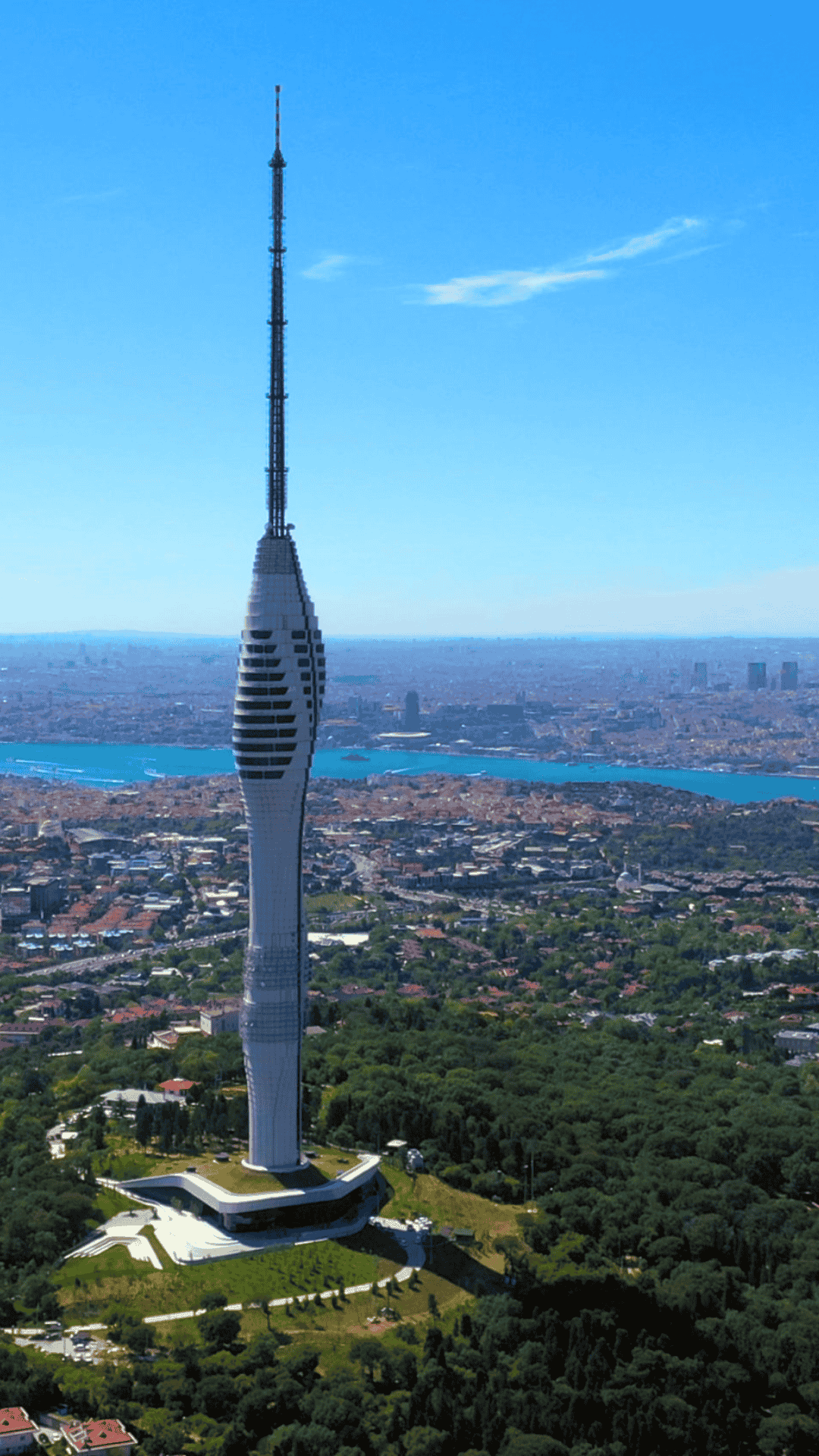
One of the important facts about Istanbul is that it is a shared living space for people from many different nationalities. This not only makes Istanbul a multicultural city but also enables intercultural exchanges. It is known that nearly 200 thousand foreigners live together in Istanbul, where people from more than 60 nationalities live together. Therefore, as a result of cultural interaction over the years, people from many different religions and views share and learn about the places of worship and characteristics of different religions.
For example, a Christian or a Jewish person can discover in Istanbul some characteristics of Islam by participating in events held during holidays specific to Islam, such as Eid al-Fitr and Eid al-Adha. People belonging to different religions are especially affected by the activities during the month of Ramadan and often express their astonishment. At the same time, a Muslim can attend Halloween celebrations and discover new information about Christianity in Istanbul. In addition, Christian-specific events such as the Easter rite are among the activities found in the city. This increases intercultural sharing and supports the multicultural structure of Istanbul.
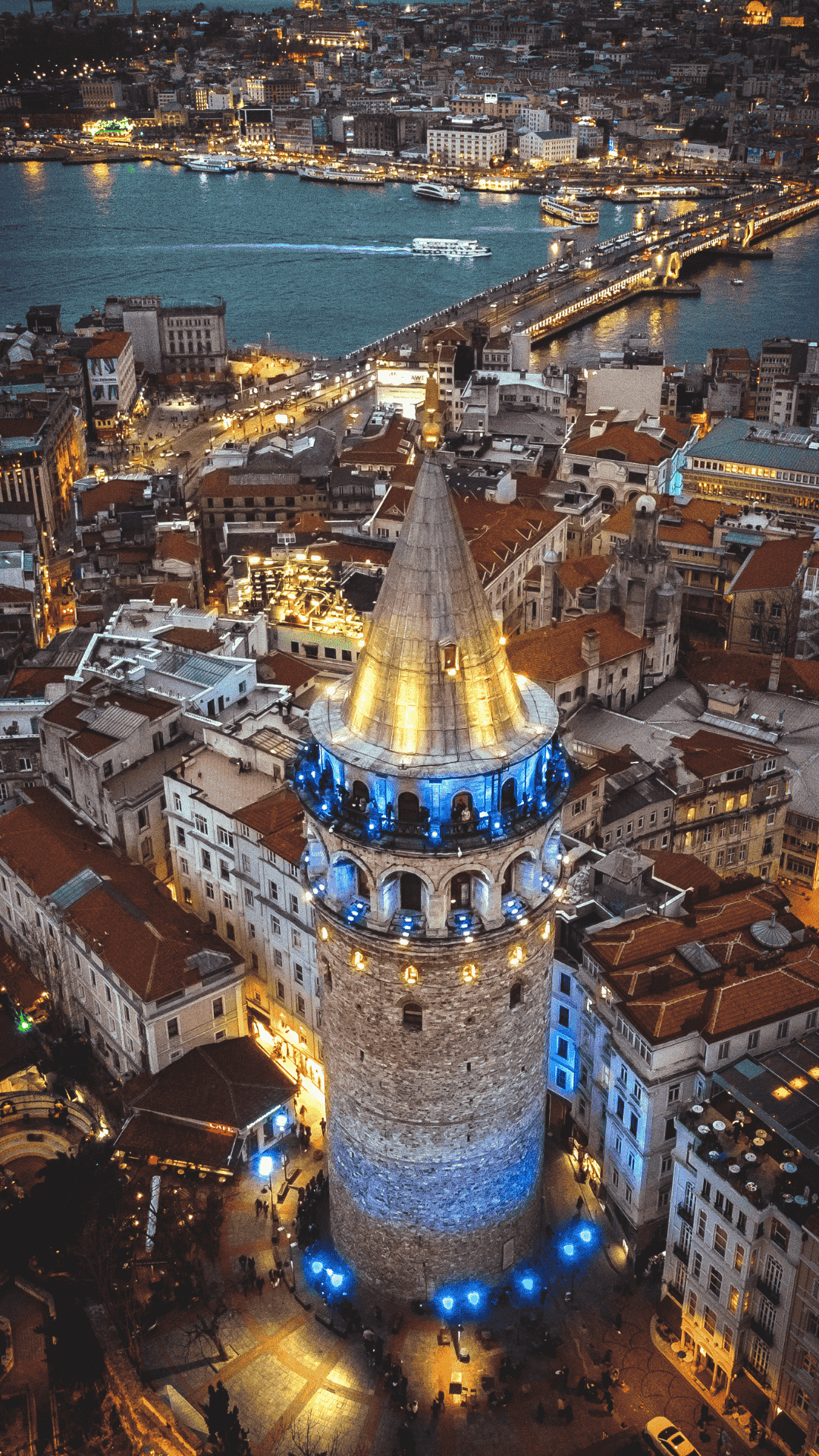
This diversity can also be felt while exploring neighborhoods and landmarks. Around Sultanahmet Square, visitors can see how major monuments connect with the city’s religious history. Areas such as Balat also help reveal layers of community life shaped by different beliefs and traditions.
Places of Worship in Istanbul
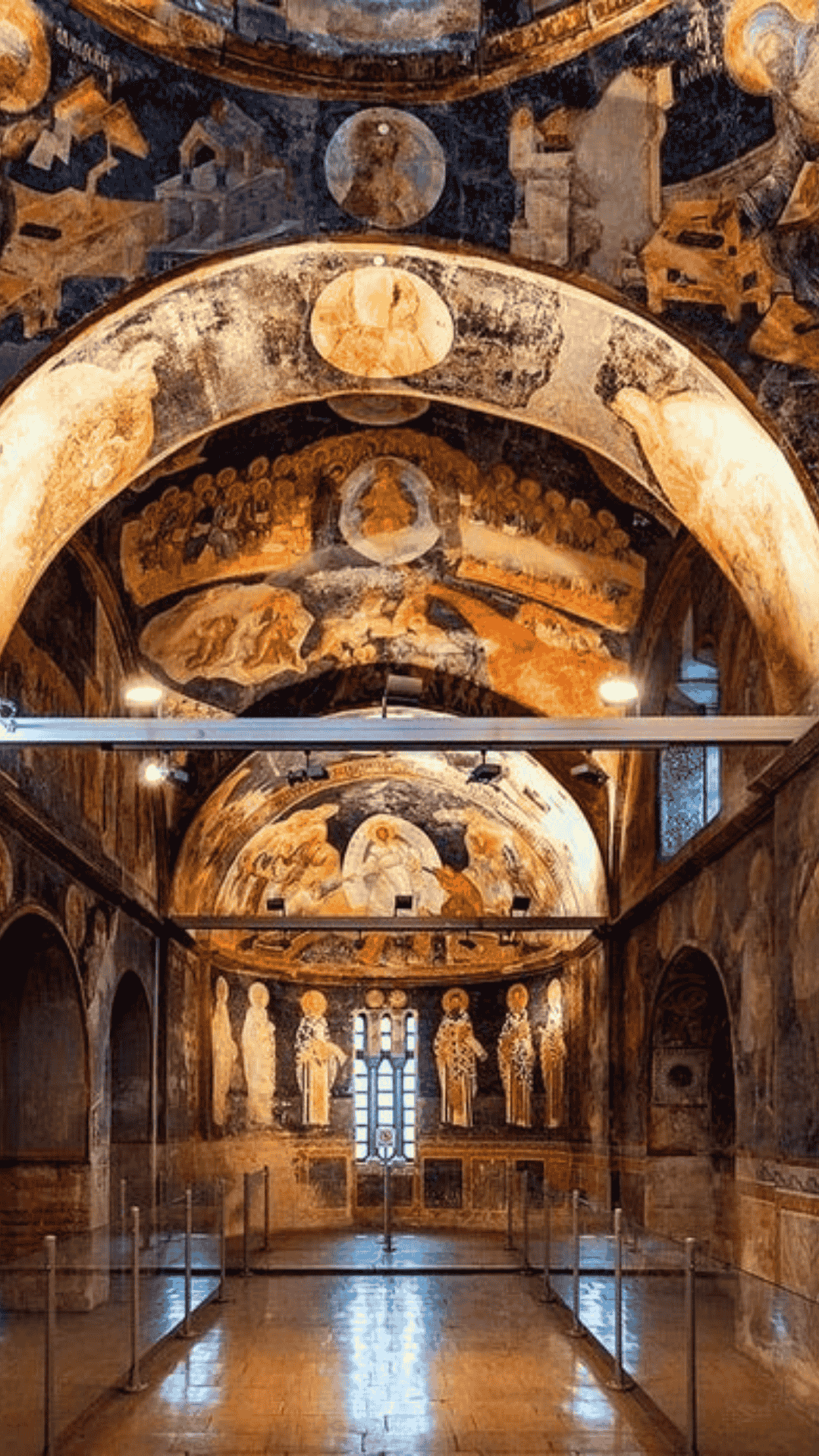
The Oruç Baba Tomb and the Tomb of Yusha are among the most famous examples of religious sites in the city. In addition, if someone researching Istanbul wants to see historical places belonging to different religions, it is recommended to visit the Fener Greek Orthodox Patriarchate, St George's Cathedral, Aya Triada Church, Virgin Mary Armenian Church, or Aya Yorgi Church. Some of these places are of great historical importance and remain meaningful for both worshippers and visitors.
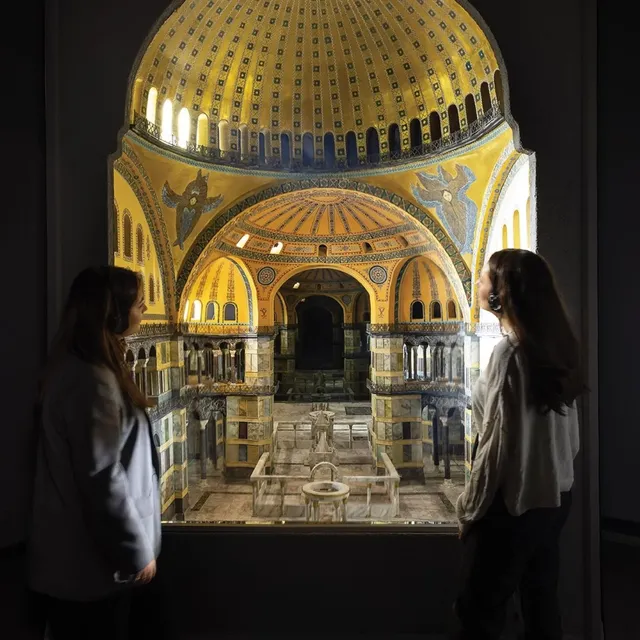
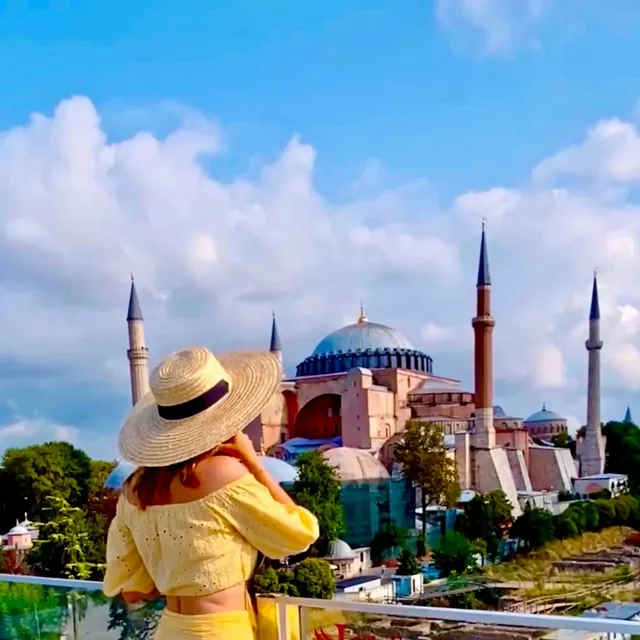
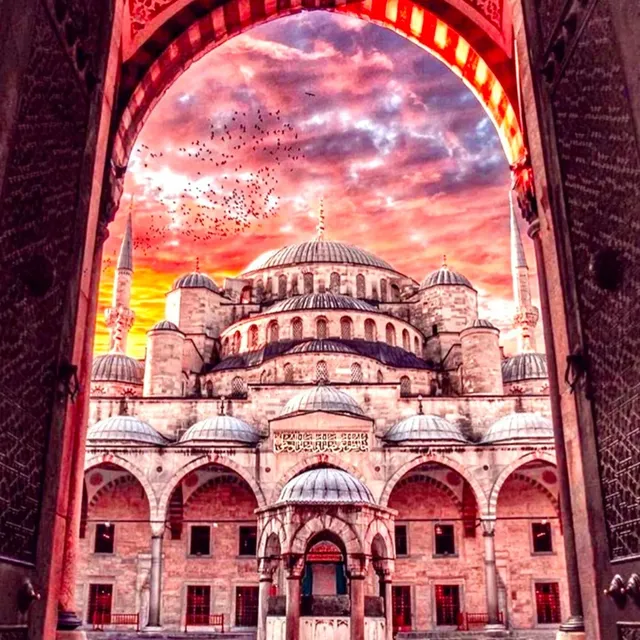
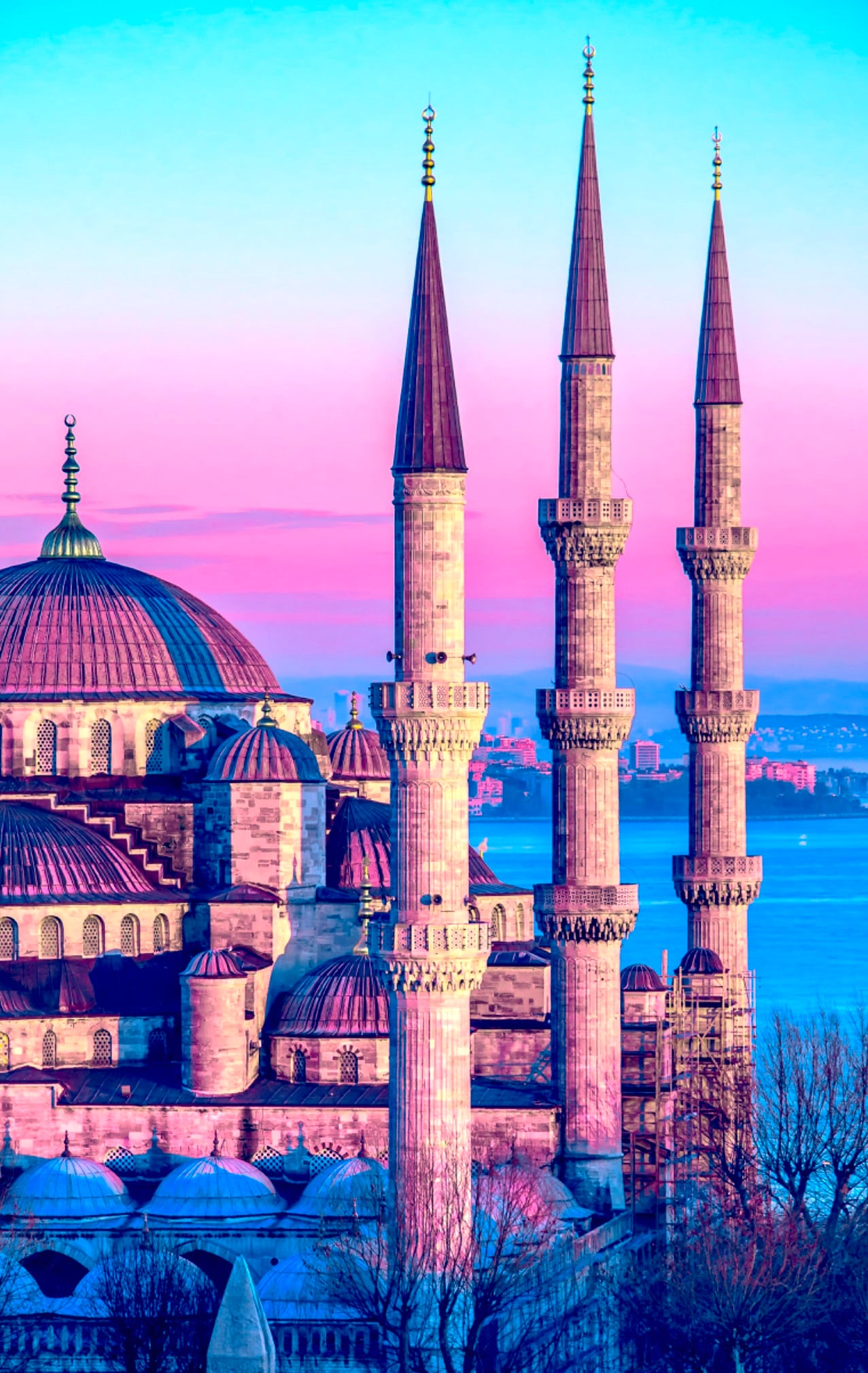
For example, Suleymaniye Mosque was built by the famous architect Mimar Sinan with the order of Kanuni Sultan Süleyman and was named Mimar Sinan’s journeyman work. Also, the Blue Mosque, known by Europeans for its appearance, is one of the most visited places in Istanbul and one of its great works of art. Likewise, Hagia Sophia was built by the Byzantines, and after the conquest of Istanbul by the Ottoman Empire, it was converted into a mosque by Mehmed the Conqueror.
Additionally, Hagia Sophia, which existed as a museum for a long time, has more recently opened its doors to the public as a mosque. In addition, the Fener Greek Patriarchate has a large library based on the Aya Triada Monastery. Finally, the Hagia Yorgi Church, located on the Big Island of Istanbul, is of great importance for Christians and is on the route of many tourists every year.
To understand the wider historical background of faith communities in the city, you can also consult resources such as UNESCO for Istanbul’s heritage context and Britannica for general historical reference.
Why Istanbul’s Religious Landscape Matters
Istanbul stands out because religion here is not limited to monuments alone. It is part of daily life, public celebrations, neighborhood identity, and the city’s shared memory. Mosques, churches, synagogues, tombs, and patriarchal centers all contribute to a broader picture of coexistence. For travelers, researchers, and residents alike, this makes Istanbul one of the most layered cities in the world when it comes to religious and cultural diversity.
FAQ
What is the main religion in Istanbul?
The most common religion in Istanbul is Islam, mainly because it is the largest and most densely populated city in Turkey. However, the city is also home to communities from many other faiths, which adds to its multicultural and multireligious character.
Are there churches and synagogues in Istanbul?
Yes. Istanbul includes important Christian and Jewish religious sites alongside its mosques. Examples mentioned in this guide include the Fener Greek Orthodox Patriarchate, St George's Cathedral, Aya Triada Church, Virgin Mary Armenian Church, and other places connected to minority communities.
Which religious landmarks are most visited in Istanbul?
Among the best-known religious landmarks are Hagia Sophia, the Blue Mosque, and Suleymaniye Mosque. These places are important not only for worship but also for architecture, history, and the story of how different civilizations shaped Istanbul over time.
Does Istanbul reflect religious diversity today?
Yes. The city continues to reflect religious diversity through its communities, holidays, places of worship, and cultural events. People from different nationalities and faiths live in Istanbul, and this ongoing interaction supports the city’s multicultural structure.