Contemporary Istanbul and the old city
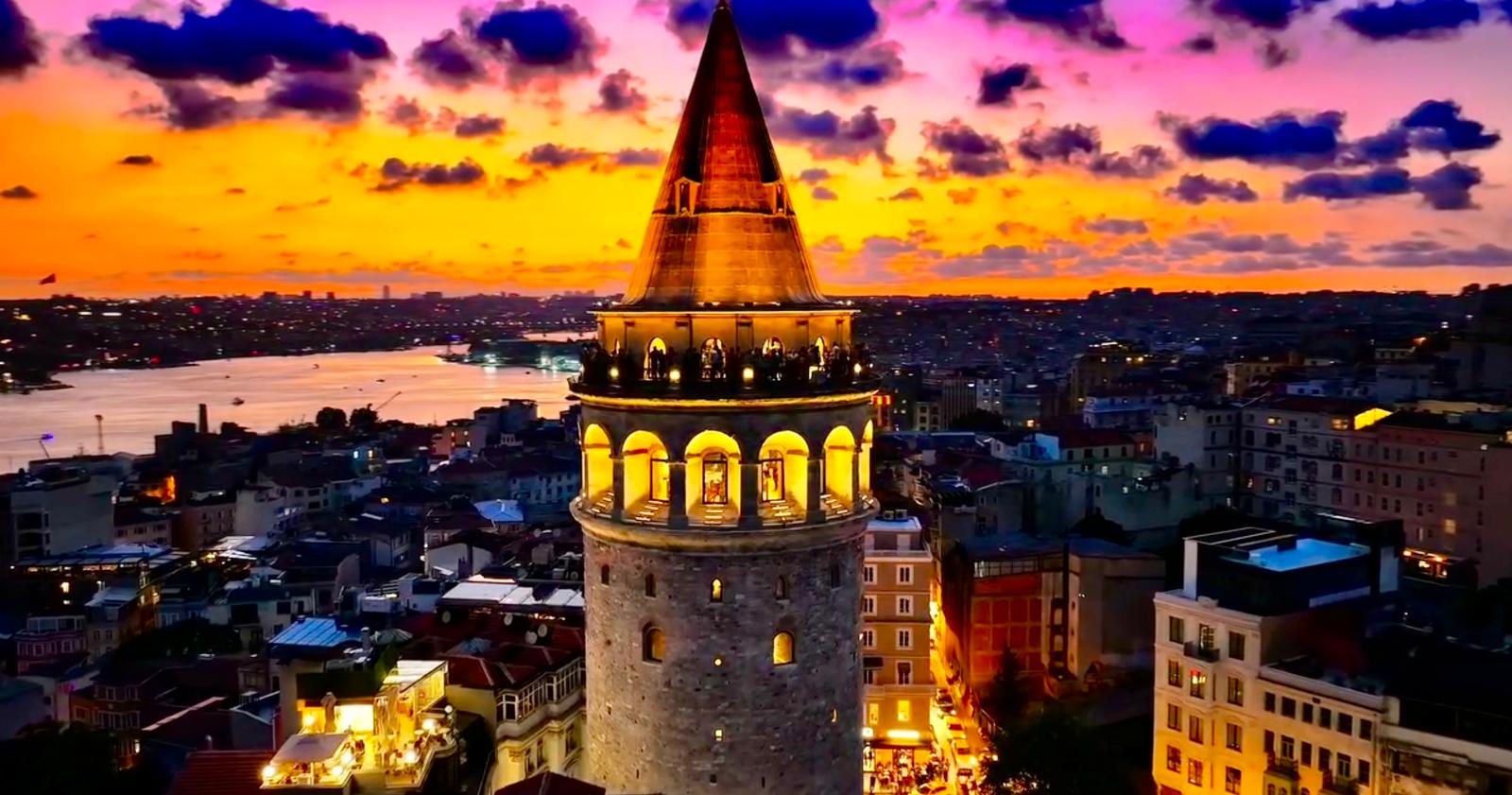
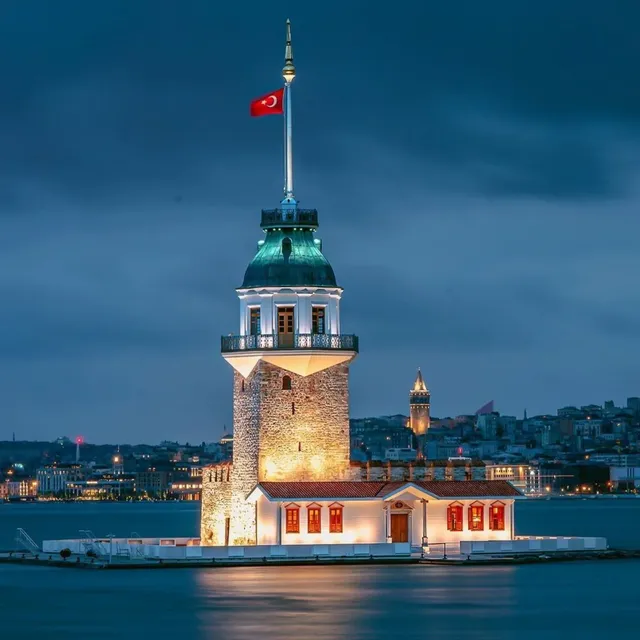
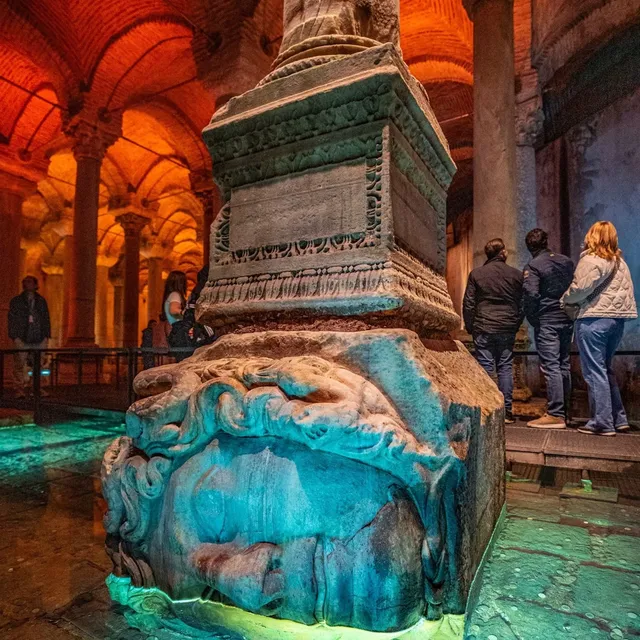
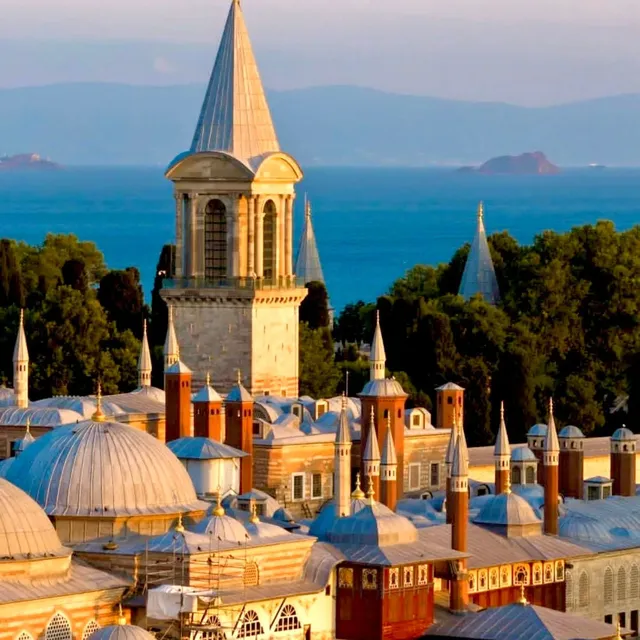
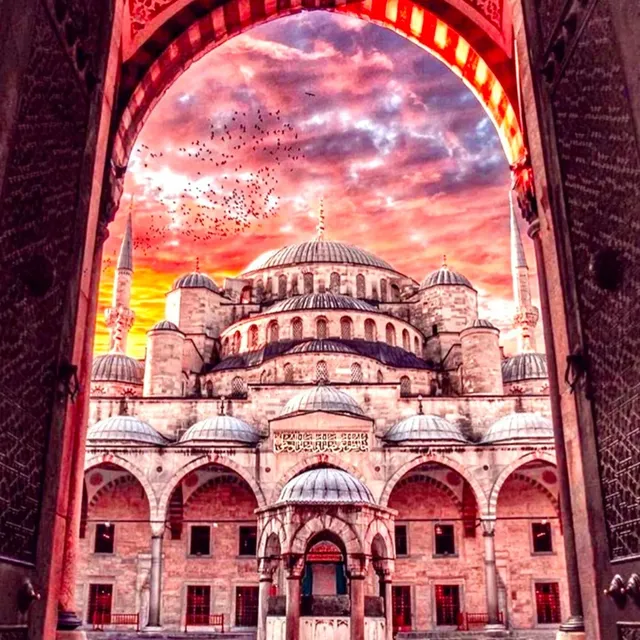
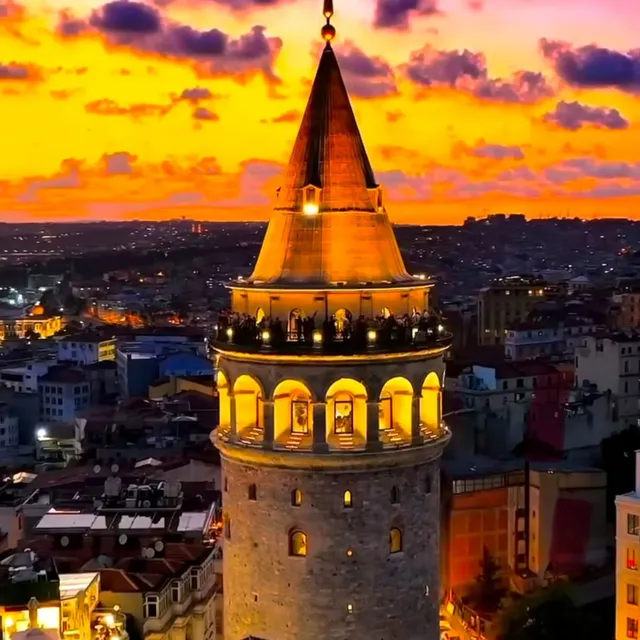
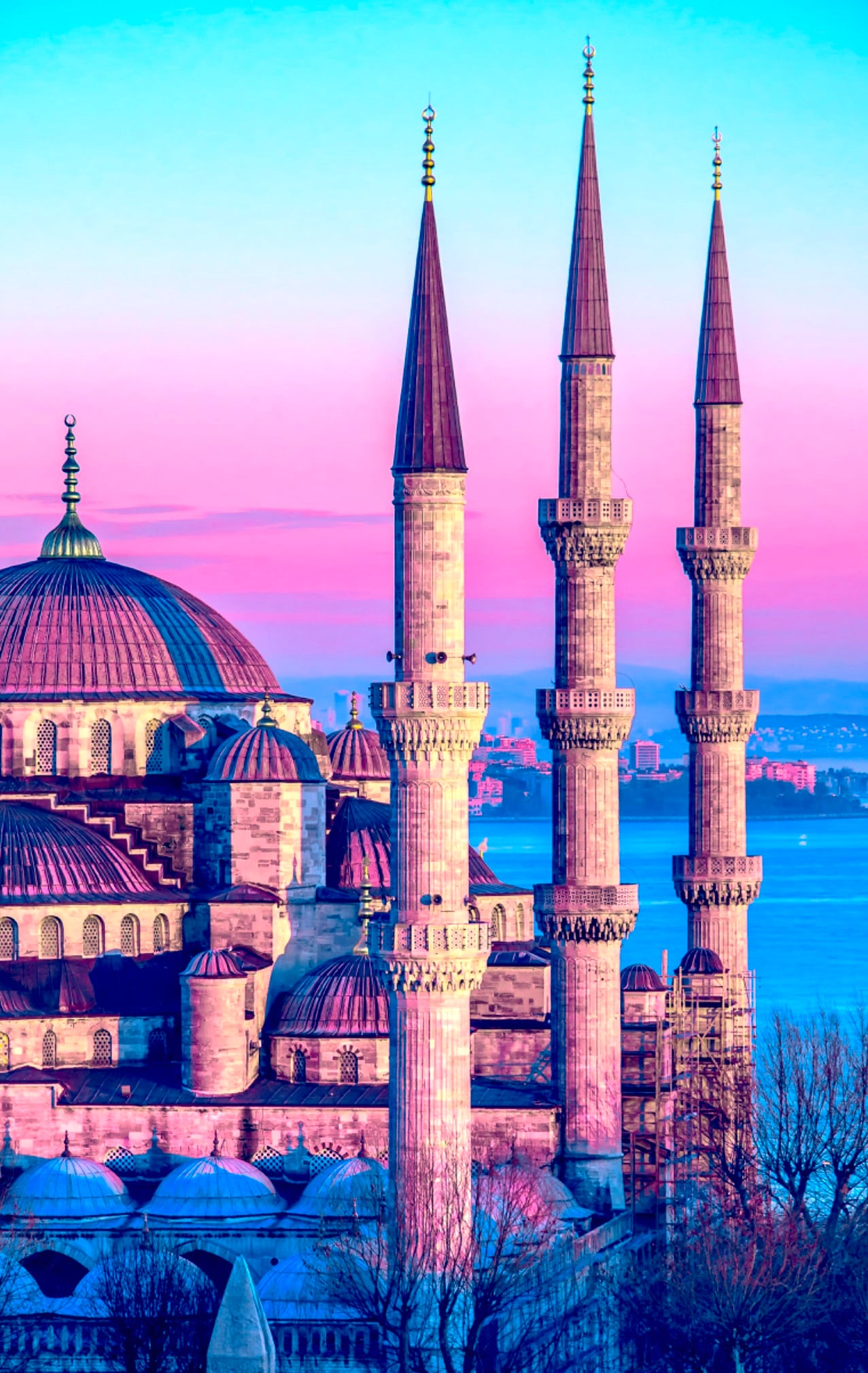
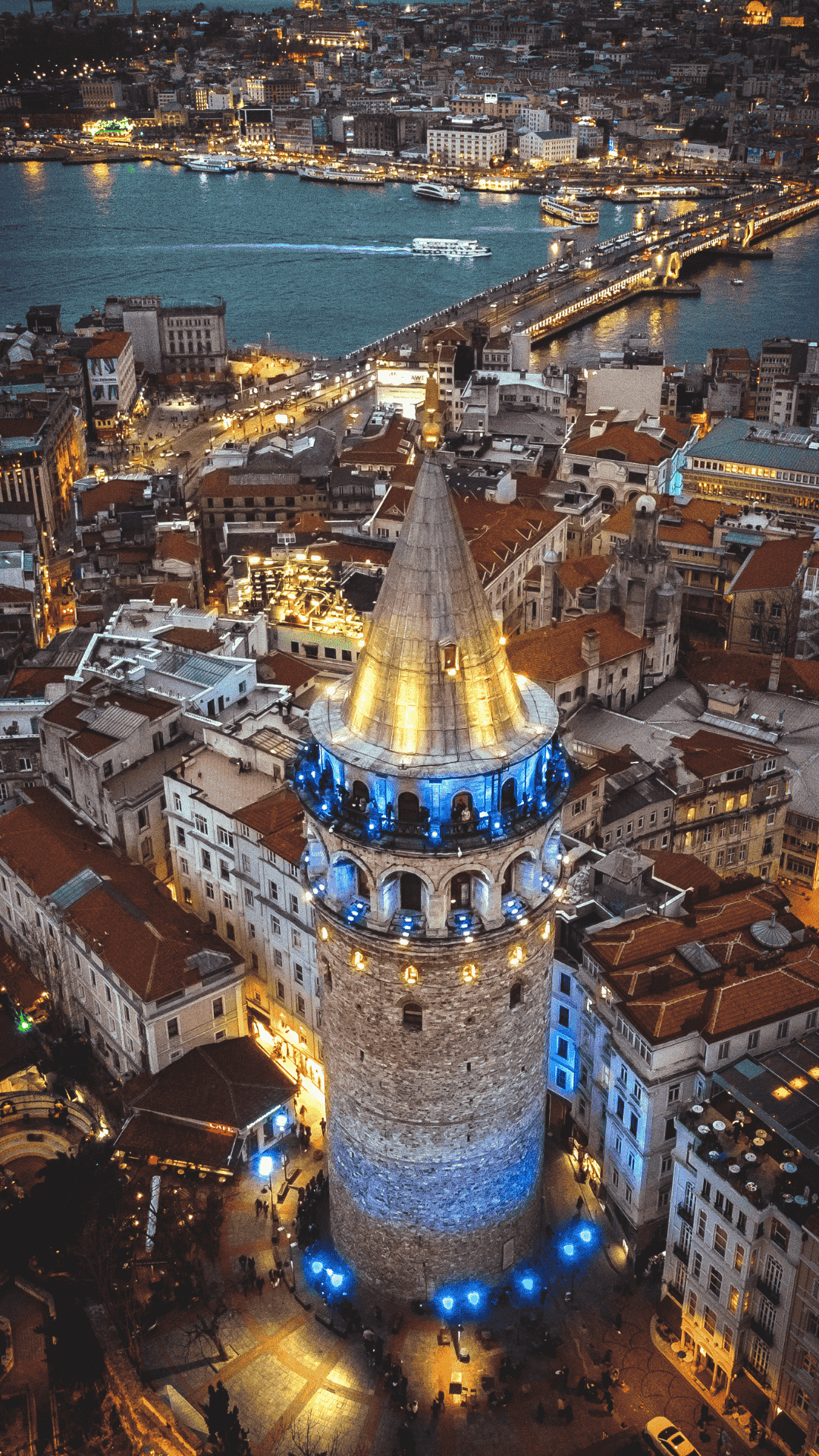
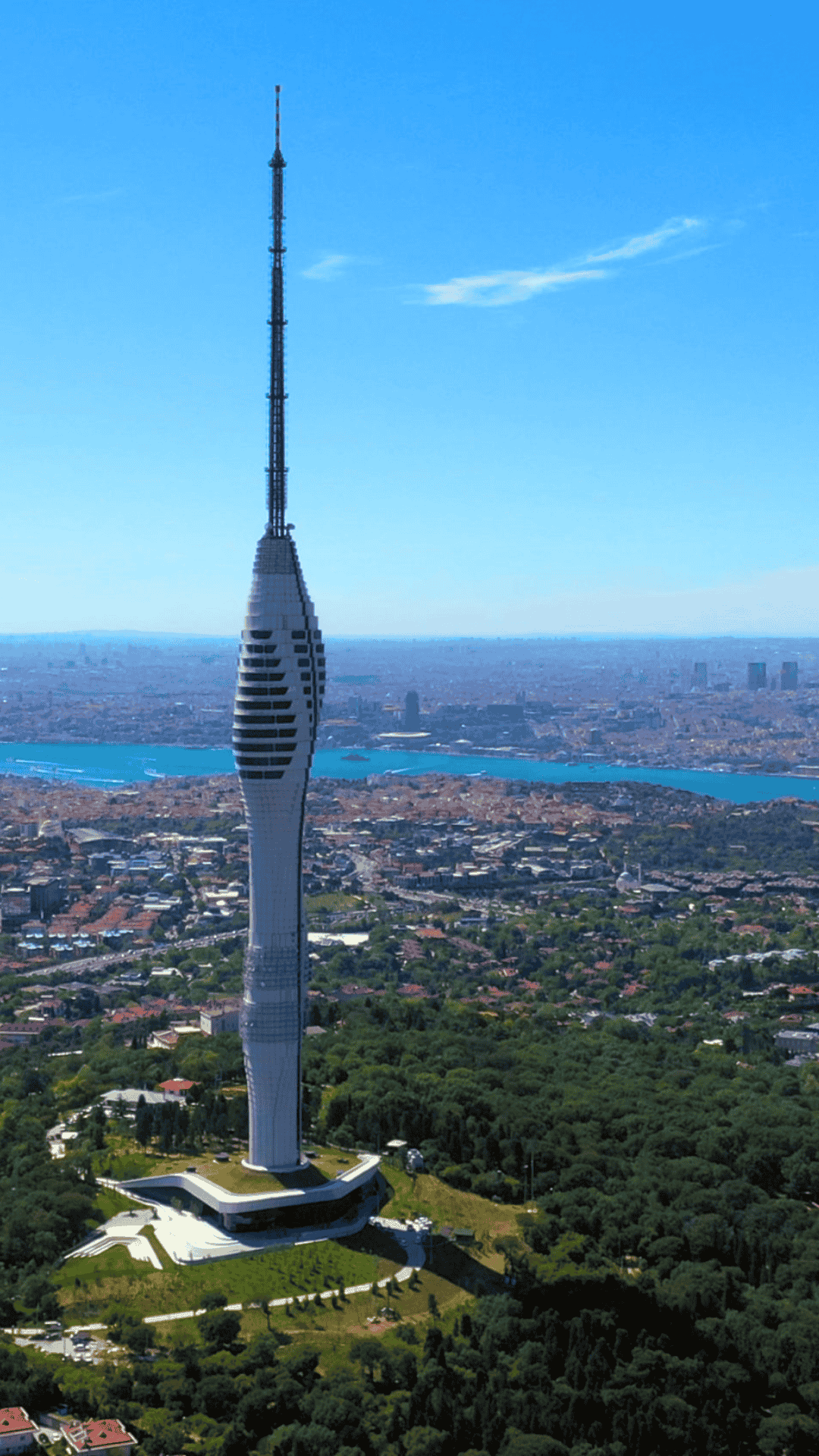
Today, Istanbul is very different and more organized, yet the city still combines modern life with old historical places that remind everyone what a great city it is. Huge buildings and tall towers are spread across the city to serve the millions of people who live and work here. At the same time, the older layers of the city remain visible in districts, monuments, markets, and waterfront neighborhoods.
This contrast is one of Istanbul’s most striking features. A visitor can move from major avenues and business areas to historical quarters within a short time, and the city’s identity is shaped by that constant meeting of past and present. From the Bosphorus to the historic peninsula, Istanbul keeps its historical character while continuing to expand and modernize.
Transportation and urban infrastructure
The transportation lines and facilities reach nearly every district in Istanbul, and you can notice that clearly when you visit the city. In the 19th century, transportation was more limited, but today metro lines, the Metrobus line, tramway lines, buses, minibuses, and taxis are everywhere to serve residents and visitors. Istanbul’s transportation network is often considered one of the most interconnected and branched systems in the world.
When it comes to infrastructure, Istanbul has done an enormous job of building an organized system that supports comfortable living standards and easier movement around the city. Visitors can combine public transportation with sightseeing and quickly connect central areas with cultural sites, shopping districts, and waterfront locations. For updated routes and system details, travelers can check official transport resources such as Metro Istanbul.
Architecture, markets, and urban growth
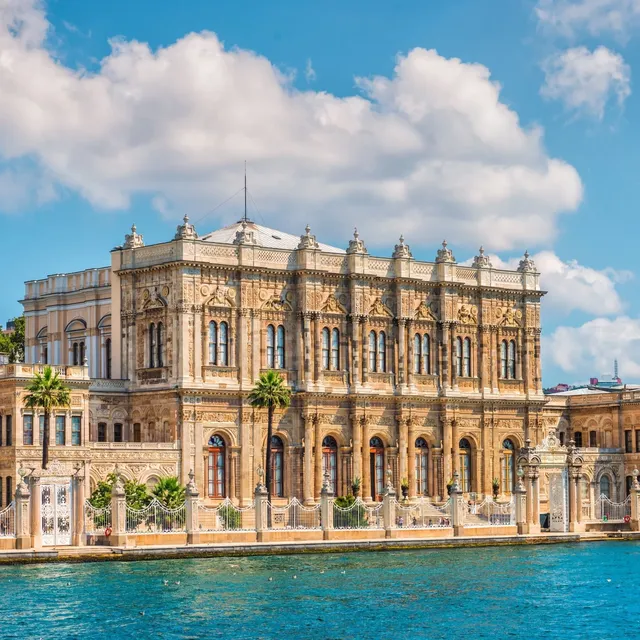
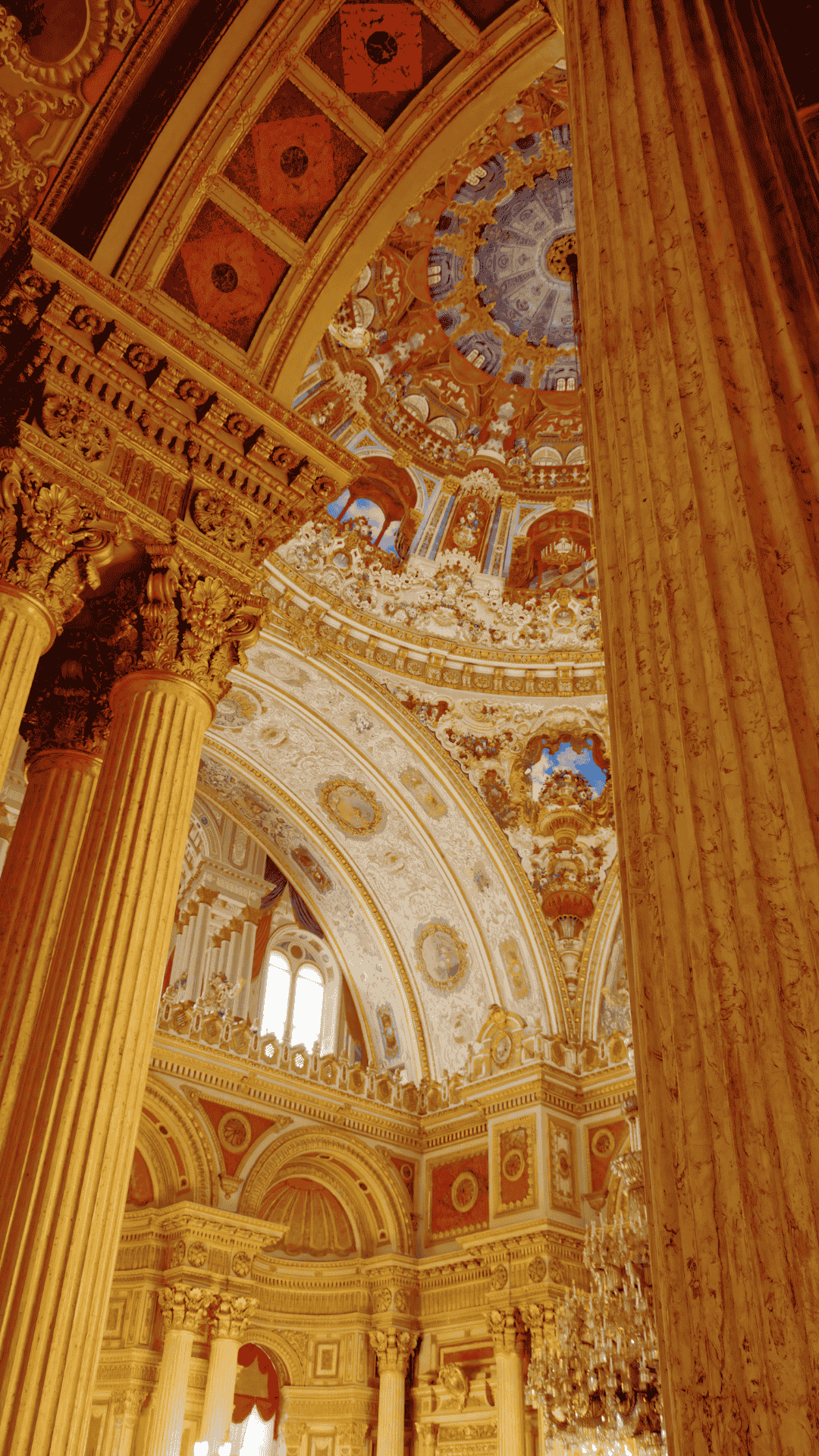
In architectural terms, old Istanbul offered huge palaces for government institutions and small houses for the people. Nowadays, Istanbul has grown much larger and construction continues to expand fast. You can now find tall buildings, compounds, and towers for both residents and institutions, often standing right next to old historical buildings.
One of the clearest examples of continuity is the historical Grand Bazaar, which is still used as a covered market and whose shops open daily for customers. Of course, new big shopping markets, trade centers, and big malls have opened as well. Yet Istanbul’s role as a trade center is not new. Geographically, the city has long held an important position on the Silk Road, described as the main and most important trade route in the world. The difference today is that modern commercial centers have been added to older ones, with more contemporary designs and larger scale.
For locals, the daily open markets that existed earlier are still available. You can find food, vegetables, fruits, clothes, antiques, and many other products there, often at relatively cheaper prices compared to other shops. This everyday market culture remains one of the most practical and authentic sides of life in Istanbul.
Education and intellectual life
In education, Istanbul was and still is a city that gathers important schools and universities. From the Byzantine Empire period through the Ottoman Empire period and into the present day, Istanbul has remained an important center for education, especially in philosophy, history, and humanitarian sciences.
The city has more than fifteen universities that educate both local and international students from more than 69 countries around the world. For example, Istanbul University was established in 1453 and, for more than five hundred years, has remained an important educational institution that graduated many students who left a significant mark on the world, including the Turkish novelist Orhan Pamuk and politician Abdullah Gul.
Arts, culture, and daily enjoyment
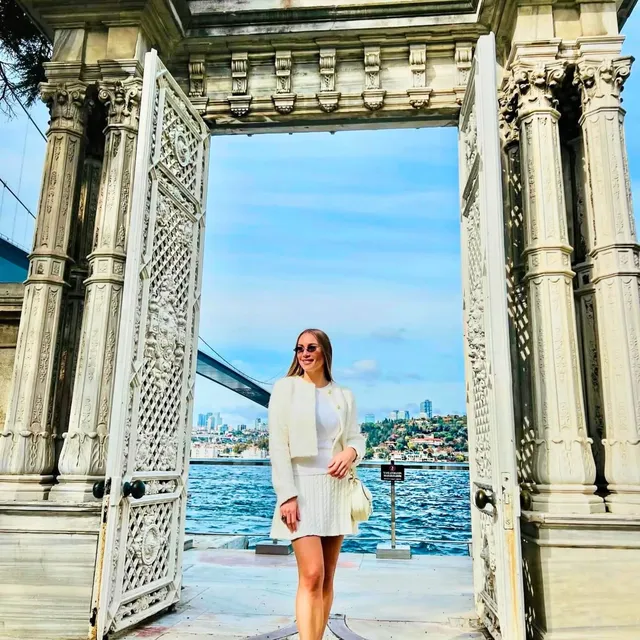
Nowadays Istanbul is not just beautiful and organized; it also offers many places to spend a pleasant time. There are restaurants and cafes along the Bosphorus, major malls, and a wide range of cultural venues for travelers and residents alike. If you are a fan of the arts, Istanbul is one of the best choices to visit because of its rich culture.
You can find many art galleries, museums, theatres, music shows, and cultural centers where to spend valuable time. This cultural side of the city adds another layer to contemporary urban life, balancing commerce, education, heritage, and entertainment. Visitors interested in the city’s broader cultural and historical background can also consult Wikipedia’s overview of Istanbul for general reference.
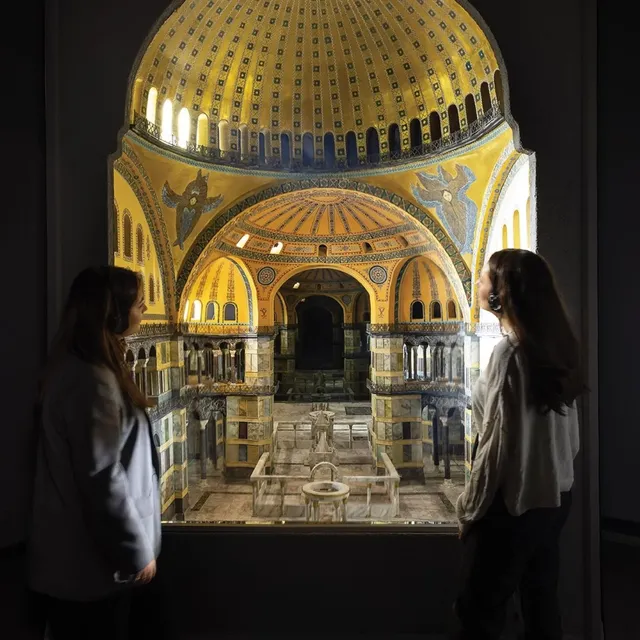
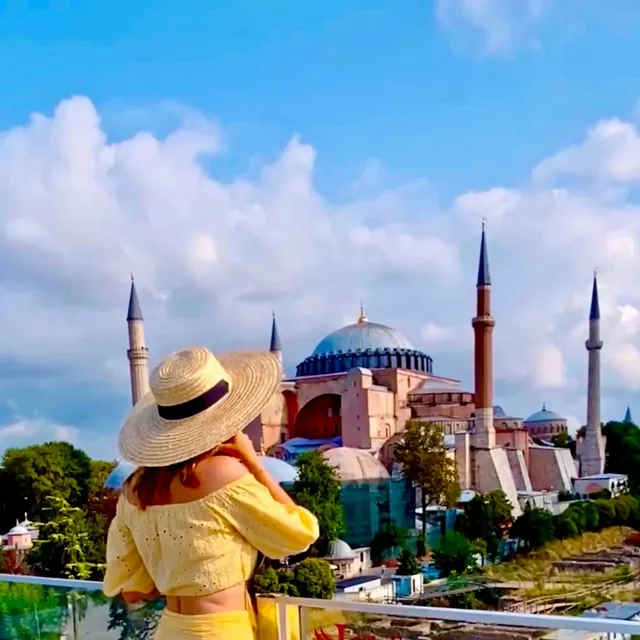
Beyond exhibitions and performances, the city’s atmosphere itself is part of the experience. Historic landmarks such as Hagia Sophia continue to shape the skyline, while modern neighborhoods reflect the pace and ambition of present-day Istanbul. This blend is what makes the city memorable for first-time visitors and meaningful for those who return.
Why people continue to choose Istanbul
People from everywhere travel to Istanbul not just for a relaxing time, but also for studying, trading, investing, and building a new life. That is one of the clearest meanings of contemporary Istanbul: it is a city that preserves its historical importance while still attracting people through opportunity, culture, and everyday vitality.
Whether you come for history, business, education, shopping, or the arts, Istanbul offers all of these experiences in one city. Its modern organization, broad transportation network, old markets, educational institutions, and cultural spaces all help explain why it remains one of the world’s most remarkable urban centers.