How transportation in Istanbul works
The network is designed to connect districts by rail and sea first, then by road. The goal is to keep trips simple through clear transfers and a shared payment system across most public transport modes.
Main modes at a glance
Metro and tram. Fast lines on dedicated tracks serve both shores. Interchanges with trams and funiculars are common in central areas, so these are usually the most reliable options for timing.
Marmaray. This suburban rail line runs under the Bosphorus and links Halkali to Gebze. It is the most direct rail crossing between continents and a strong choice for long east-west trips.
Metrobus. This bus rapid transit line has its own corridor. It runs along the E-5 spine and connects Beylikduzu to Sogutlucesme, with many transfer points to metro and Marmaray.
City buses. Buses fill the gaps and reach local streets where rail does not. They can be crowded at rush hour, so they work best for reaching rail hubs rather than for long cross-city rides.
Ferries. Sea crossings between Eminonu, Karakoy, Besiktas, Kadikoy, and Uskudar are scenic and often less stressful than road traffic. They also connect to longer Bosphorus and island routes at set times.
Taxis and apps. Official taxis operate across the city. Licensed taxi apps can help you see driver and route details before pickup and may make card payments easier.
Istanbul City Card: unlimited transport for visitors
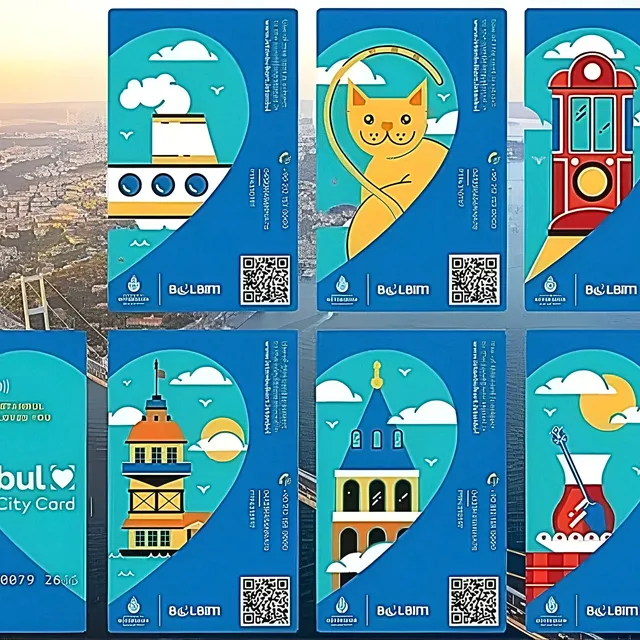
For visitors, one of the simplest ways to travel is with the Istanbul City Card. This card is presented as an unlimited public transport pass that works across metro, tram, buses, Metrobus, Marmaray, and ferries. You can choose it for a set number of days and travel without worrying about balance or top-ups. It is delivered directly to your hotel so you can start using it from day one.
Why choose the Istanbul City Card
- Unlimited rides. Use it as much as you like within the chosen period without reloading.
- No need to register. Unlike the regular Istanbulkart, there is no need to personalize it or activate extra features.
- Comfort and ease. No queueing at vending machines and no concern about running out of balance.
- Hotel delivery. The card is delivered to your hotel before arrival.
Istanbulkart vs Istanbul City Card
The regular Istanbulkart is the main transport card used by locals. It is rechargeable and works across modes. To access discounted transfers and related advantages, it must be registered, which can take time for visitors. Tourists often find it less convenient because it requires top-ups. The Istanbul City Card removes that step by offering unlimited rides for a fixed period, which can be more practical for a short stay with daily public transport use.
Rail first: metro, tram, and funicular
Rail is the backbone of reliable travel in Istanbul. The network expands often, and official maps are available online and inside stations. When possible, plan longer trips as rail-to-rail journeys and leave buses or taxis for the last part.
How to plan a rail trip
Start with the official network map from Metro Istanbul. Find your nearest line and the closest interchange. If you are staying around Sultanahmet, trams and short walks connect you easily to metro lines and ferry piers.
Peak time strategy
Morning peak begins early and evening peak can last a while. If possible, travel before nine in the morning or after seven in the evening. Trams through the historic center are often busy in both directions. If one arrives full, waiting for the next is usually manageable because service is frequent on core lines.
Accessibility on rail
Newer stations generally have elevators and tactile paving. Modern metro trains and trams are level with the platform. If you need step-free access, metro is usually easier than older funicular connections, and main station halls are the best place to look for lifts.
Marmaray: the fastest intercontinental link
When you need to cross the Bosphorus by rail with consistent timing, Marmaray is usually the best option. It links Halkali to Gebze through a tunnel under the sea and connects with several metro lines.
Why choose Marmaray
Marmaray bypasses road traffic and works especially well for long east-west trips. It is a practical choice when traveling between the historic peninsula, the Asian side, and transfer hubs.
Useful interchanges
- Yenikapi. Connects with several metro lines and nearby ferry access.
- Ayrilik Cesmesi. A useful link to metro services serving Kadikoy and beyond.
- Sogutlucesme. Connects with Metrobus along the E-5 corridor.
Metrobus and buses: when rail is not direct
Metrobus and city buses serve areas beyond the rail network and can be useful for shorter links, neighborhood access, or late travel.
Metrobus basics
Metrobus runs in dedicated median lanes and serves major transfer stations. It crosses the Bosphorus on a fixed route and is known for frequent service. It can be very busy at peak times, so it helps to keep your card ready and move efficiently at station gates.
City buses
City buses are extensive and reach hills and local neighborhoods that rail does not. They are often best used as connectors to rail. For current routes and announcements, check the official IETT website.
Sea transport: ferries and sea buses
The sea is part of daily life in Istanbul, and ferries are one of the city's most enjoyable forms of transport. They are scenic, reliable on many routes, and often calmer than road travel during rush hour. They are also useful for reaching waterfront districts and popular day-trip points like the Princes' Islands.
Inner-city ferries
Classic ferry routes connect Eminonu, Karakoy, Besiktas, Kadikoy, and Uskudar. Many run frequently, and boarding is straightforward with the usual transport card system. Open-air decks make these crossings especially pleasant in good weather.
Longer routes
Sea buses and longer ferries connect the city to the Princes' Islands and coastal suburbs at scheduled times. Weekend departures can be busy in sunny weather, so it is wise to check departure boards and arrive early.
Airports: simple ways in and out
Istanbul has two main airports, both linked to the city by public transport and road services. The best option depends on your luggage, arrival time, and final district.
Istanbul Airport on the European side
By metro. The M11 line connects the airport with transfer points on the European side, where you can continue toward Taksim, Besiktas, and historic areas.
By airport bus. Havaist shuttles run on fixed routes to major hubs on both sides of the city and are convenient when carrying luggage.
Sabiha Gokcen Airport on the Asian side
Sabiha Gokcen has metro connections toward Kadikoy and onward links by transfer. Airport buses also run to Kadikoy, Taksim, and other areas. If you arrive late, the airport bus can be a practical backup for luggage-friendly transport.
Taxis and taxi apps
Taxis are common in Istanbul and work on a meter. Apps can improve the experience by showing the route, car details, and payment options.
How to ride smart
- Use an app to request a licensed taxi when possible.
- Make sure the meter is on unless you booked a specific flat-fare service type in the app.
- Check the vehicle class: yellow is standard, while turquoise and black have higher rates.
- In heavy traffic, consider ending the taxi ride at a rail or ferry hub and continuing by public transport.
Trip planning tools
Use official maps and operator websites for current line status, route changes, and service notices.
- Rail and trams: Metro Istanbul maps and updates.
- Buses and Metrobus: IETT route information and announcements.
- Ferries: Schedules can be checked through the official operator pages such as Sehir Hatlari.
- Airport links: Check official airport and shuttle pages before travel.
- Payments: Manage Istanbulkart through the official channels and station machines.
Safety, etiquette, and comfort
The system is widely used and generally straightforward. A few habits will make trips smoother: stand aside for exiting passengers, remove backpacks in crowded vehicles, offer priority seating when needed, and keep your card ready before reaching the gate.
Weather can affect sea services, especially on windy days. If ferry conditions look uncertain, rail is usually the best backup.
Suggested first-day routes
Sultanahmet to Kadikoy
Walk or take the tram to Sirkeci or Eminonu, then board a ferry to Kadikoy. Return by Marmaray from Ayrilik Cesmesi to Sirkeci or Yenikapi and reconnect to the tram if needed.
Besiktas to Uskudar
Take the frequent ferry from Besiktas to Uskudar, enjoy the waterfront, and return either by ferry or by Marmaray for a fast rail crossing.
Taksim to the Old City
Ride the funicular to Kabatas, then switch to the tram for Sultanahmet and surrounding historic areas. You can return the same way or mix in a ferry ride from Eminonu or Karakoy.
Final checklist
- Pick up or load an Istanbulkart on arrival if you are not using the visitor card option.
- Plan around rail first, then use buses or taxis for shorter links.
- Use ferries for cross-shore trips when timing works in your favor.
- Use taxi apps for more traceable rides and easier payment.
- If possible, avoid the busiest commuting hours.
References
- Metro Istanbul official network maps and resources.
- TCDD Tasimacilik Marmaray information and weekend late-night additions.
- IETT official pages for Metrobus and bus information.
- Istanbul Airport official page for Havaist routes and transport links.
- Turkish Airlines Istanbul Airport transport overview including M11 metro mention.
- Istanbulkart official website and mobile app listings.
- Uber and BiTaksi information for requesting licensed taxis and app features.
- Istanbul.com product page for Istanbul City Card.