Most Popular Dolmus Routes
There are countless dolmuş routes in Istanbul, since the city is both vast and crowded. Still, some lines are especially popular because they connect busy districts, ferry piers, shopping streets, and nightlife areas. Here are some of the best-known routes:
Besiktas - Harbiye: This line runs between Beşiktaş Pier and Harbiye, close to the famous Nişantaşı area. Since both ends of the route are in lively, central parts of the city, it is one of the most frequently used lines.
Bostanci - Kadikoy: One of the most popular dolmuş routes on the Asian side, this line starts from Kadıköy Pier and continues toward Bostancı Marmaray station. It passes along the coastline near Bağdat Avenue, a well-known area for shopping, eating, and drinking.
Besiktas - Taksim: This is another very central and usually crowded route. It is a practical way to reach Taksim Square, explore İstiklal Avenue, or spend time by the sea in Beşiktaş before hopping on a ferry.
Kadikoy - Taksim: This route is especially useful at night. The Kadıköy - Taksim dolmuş line is often a lifesaver for people spending the evening on the opposite side of the city. After around 12 AM, many local transportation services in Istanbul stop running, including the Metrobus, so this line can become one of the few available options for crossing between the European and Asian sides.
Besiktas - Etiler: Etiler is a prestigious district, but getting there by standard public transport may require several transfers if you do not have a car or prefer not to take a taxi. This dolmuş route makes the trip much easier from Beşiktaş. You can also get off in Ortaköy or Bebek along the way, making it useful if you plan to visit Ortakoy Mosque or enjoy the Bosphorus waterfront.

Things to Know About Dolmus
Dolmuş is not a taxi, even if it may look similar at first. It works more like a shared ride, with several passengers heading in the same direction and paying the driver according to the route or distance. When the vehicle is full, there may be around 10 people inside.
According to the original fare information in this guide, there is a minimum charge of 2.5 Turkish liras even for a very short trip. For example, if you get on and want to get off only 400 meters later, you would still need to pay that minimum amount. The article also notes that many rides cost around 5 Turkish liras, while the Beşiktaş - Kadıköy line may be more expensive, around 8-10 Turkish liras, because it crosses the Bosphorus Bridge. Since fares can change, it is best to check current local information when you travel.
Another thing to remember is that a dolmuş may sometimes pass by even if you signal it. Usually, that means it is already full. The good news is that vehicles often come very frequently, especially during the day, sometimes every 2-3 minutes.
Dolmus vs Taxi
Both dolmuş and taxis can be lifesavers in Istanbul. They are both yellow and can be useful at almost any hour. The main difference is that taxis do not follow a fixed route, while dolmuş does. A taxi can take you wherever you want as long as you pay the fare, but a dolmuş only serves its own line and picks up passengers heading in that direction.
That fixed-route system is exactly what makes dolmuş more affordable for many people. If you are not in a hurry and your destination is on the line, it can be a very convenient alternative to a taxi.
Local Transportation Services in Istanbul
Because Istanbul is such a large city, there are many transportation options available. In many cases, you may not need to use a taxi or a car at all. You can choose from the metro, Metrobus, bus, ferry, Marmaray, funicular, or dolmuş depending on where you are going. If you are planning your route around the historic center, places like Sultanahmet Square are also well connected by other public transport modes.
For official transport planning, you can check Istanbul's main public transportation resources such as IETT and Metro Istanbul. These are useful for understanding the wider network alongside dolmuş services.
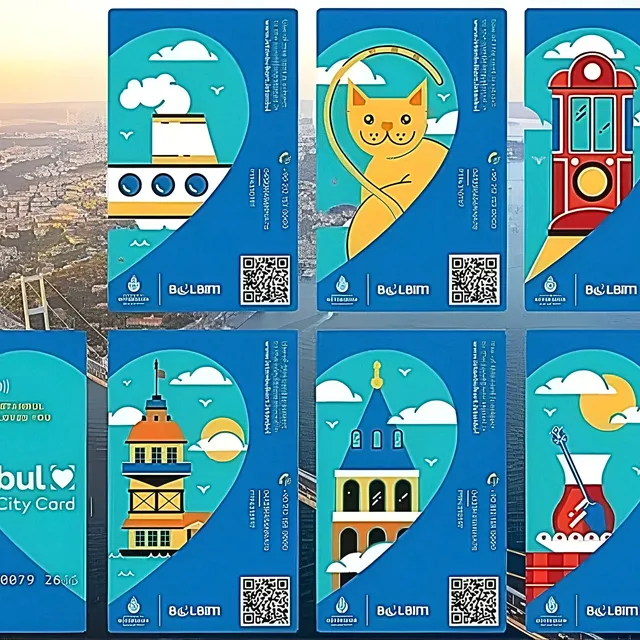
Please note that you generally need an Istanbulkart or a one-way pass to use most local transportation services in Istanbul. Dolmuş is different, because you do not need an Istanbulkart to ride it. Instead, you pay according to your route and distance directly to the driver.
It is a good idea to carry cash with you, and coins are especially appreciated. Dolmuş drivers do not accept credit cards or other payment methods besides cash. If you want a simple, flexible, and local way to move around the city, dolmuş is still one of Istanbul's most practical transportation experiences.