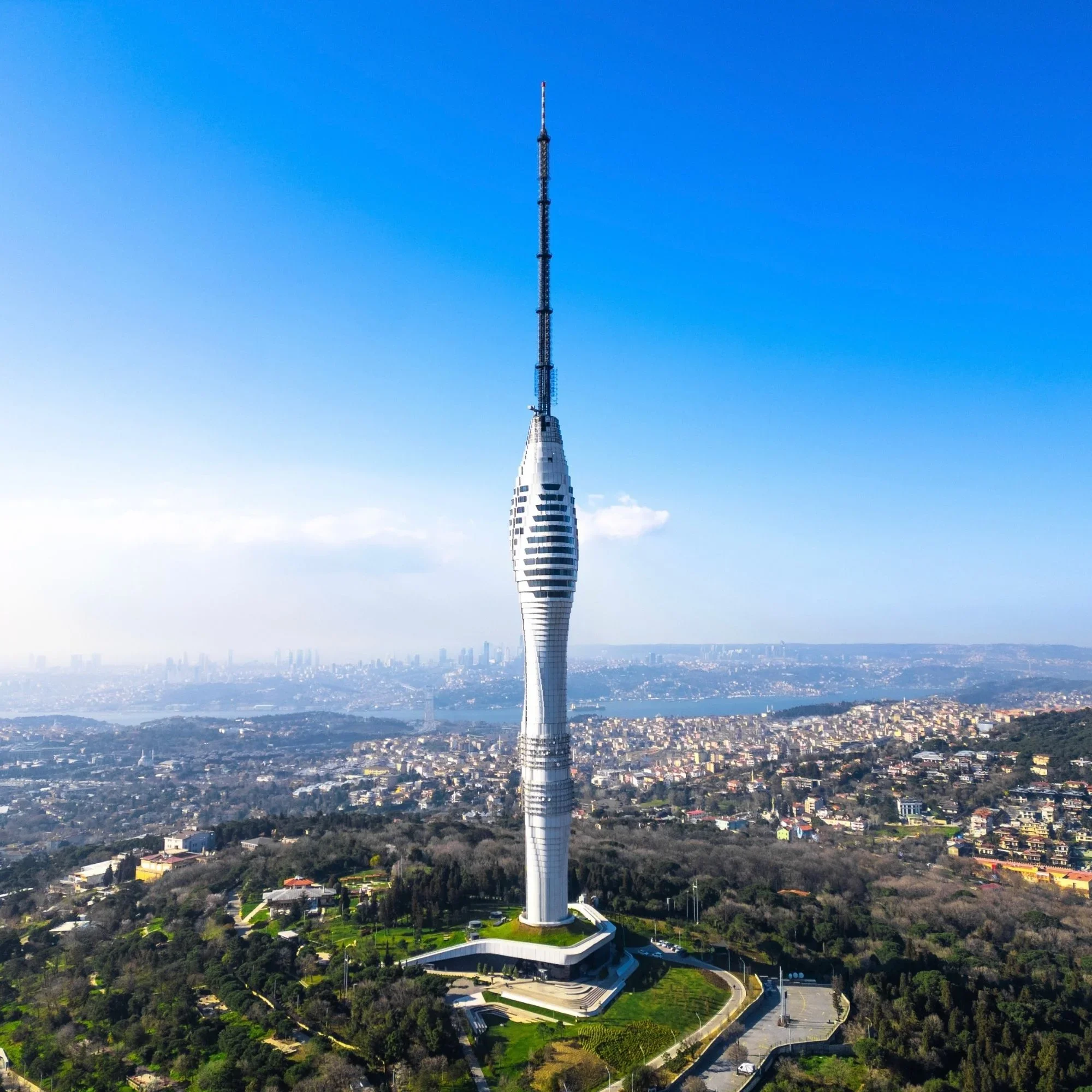
History of Istanbul
Region info for Istanbul begins with its extraordinary past. Istanbul is the most populous city in Turkey and serves as the country’s economic, cultural, and historical center. Around 660 BC, the city that would later be known as Byzantium was established on the Sarayburnu heights and went on to become one of history’s most important cities.
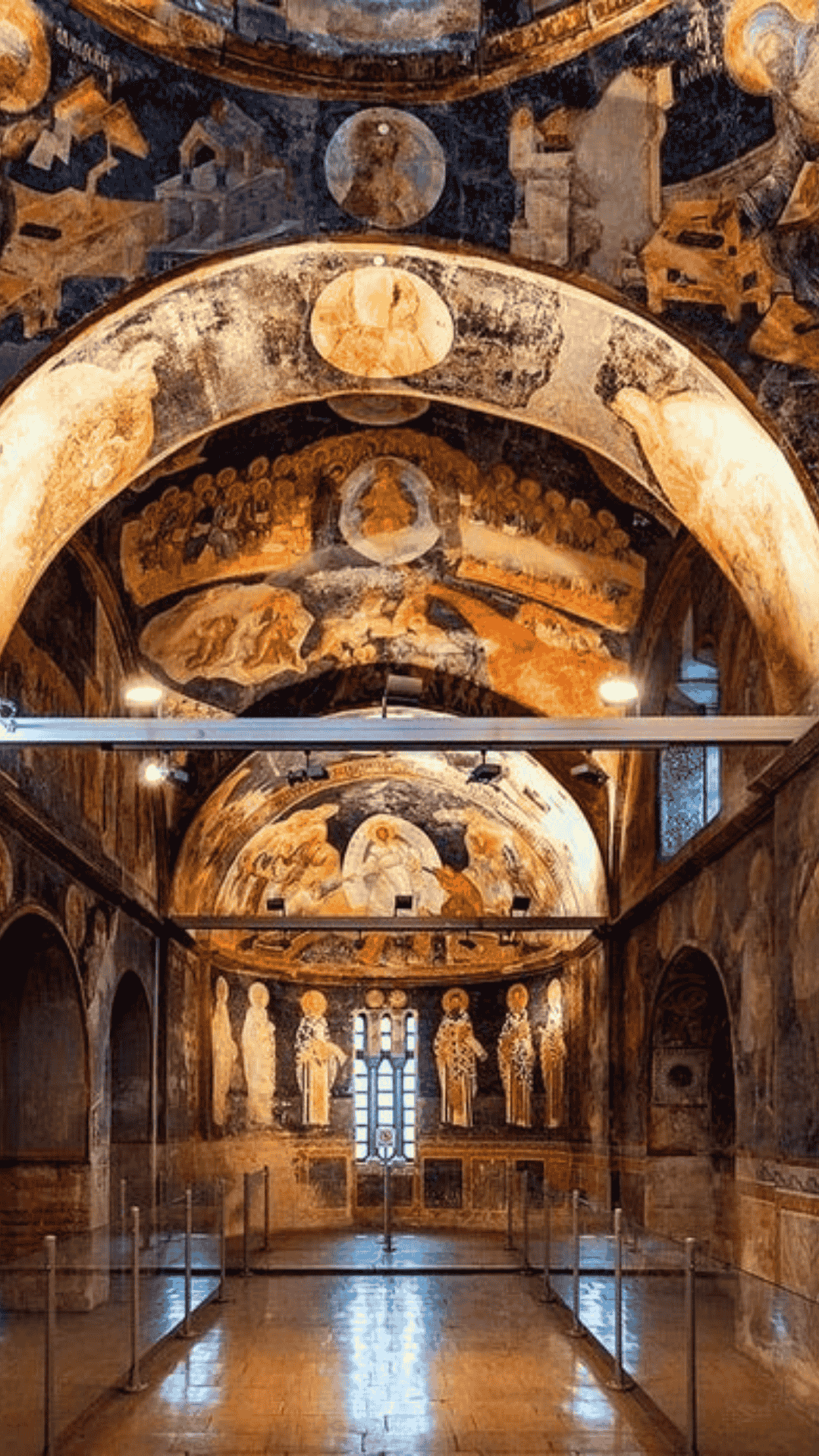
After being reestablished as Constantinople in 330 AD, the city served as the capital of four different empires over nearly 16 centuries: the Roman Empire (330–395), the Byzantine Empire (395–1204 and 1261–1453), the Latin Empire (1204–1261), and the Ottoman Empire (1453–1922). Before the Ottoman Turks led by Fatih Sultan Mehmet II captured Constantinople in 1453, the city also played a highly significant role in the spread of Christianity throughout the Roman and Byzantine periods.
After receiving its current name, Istanbul, it was selected to serve as the third and last capital of the Ottoman Empire. By the middle of the 16th century, Istanbul, with a population of about half a million people, had become an important political, cultural, and economic center. The Ottoman Empire remained in power until it was overthrown in World War I, after which the Allies took control of Istanbul.
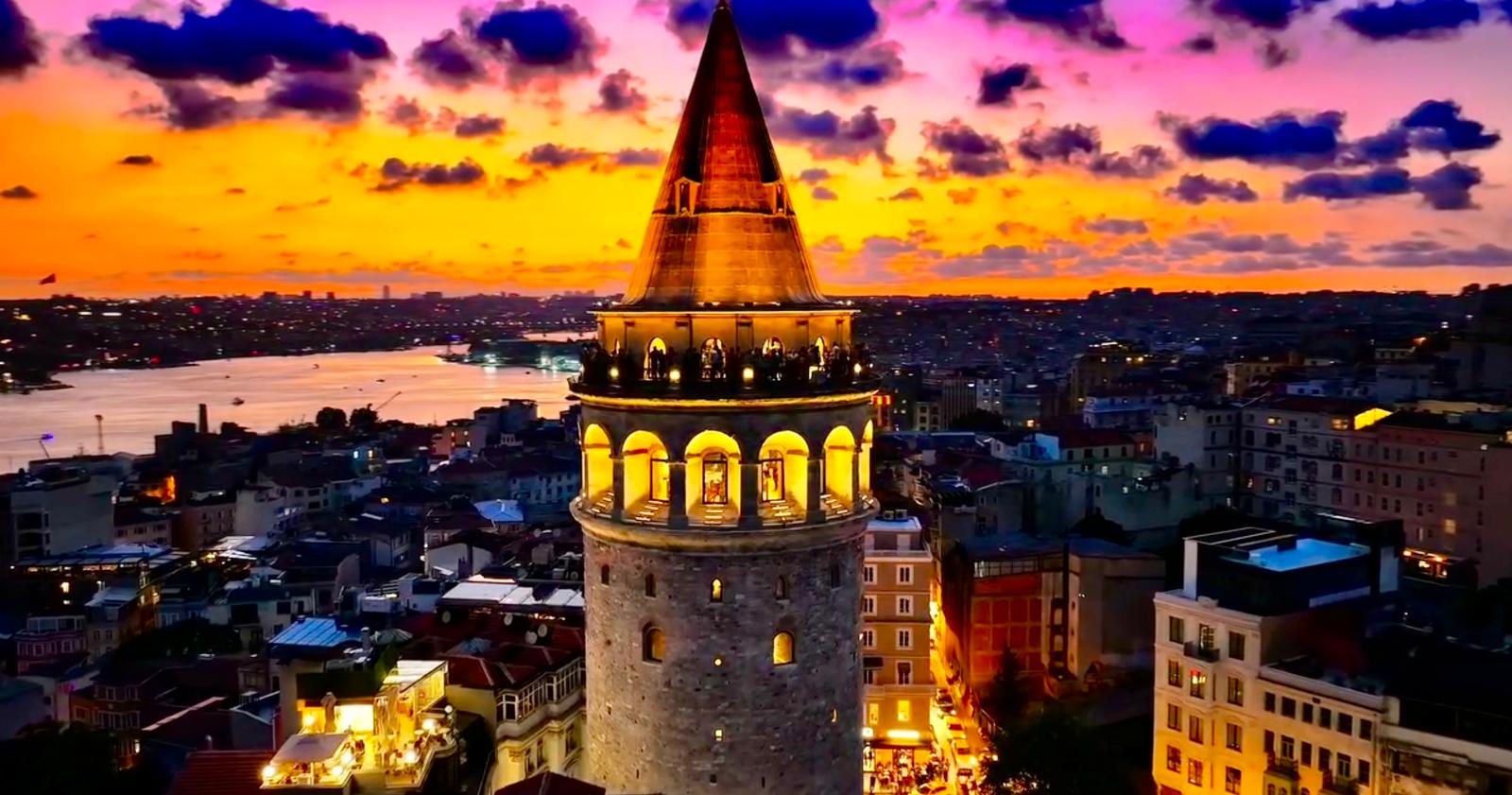
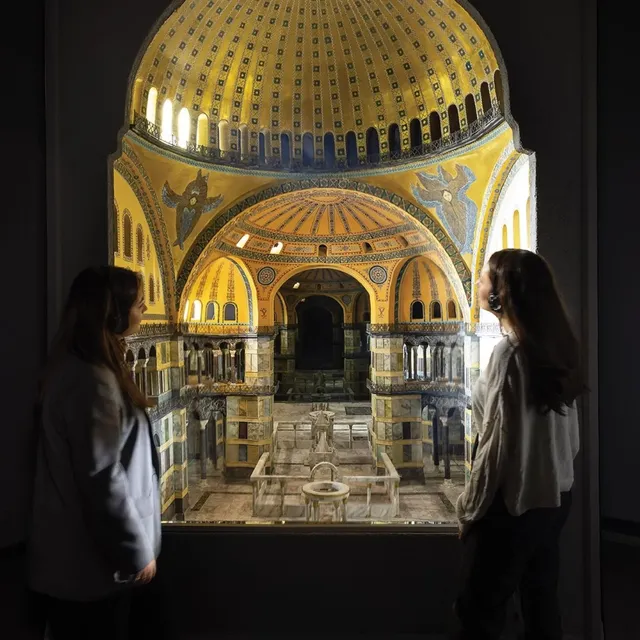
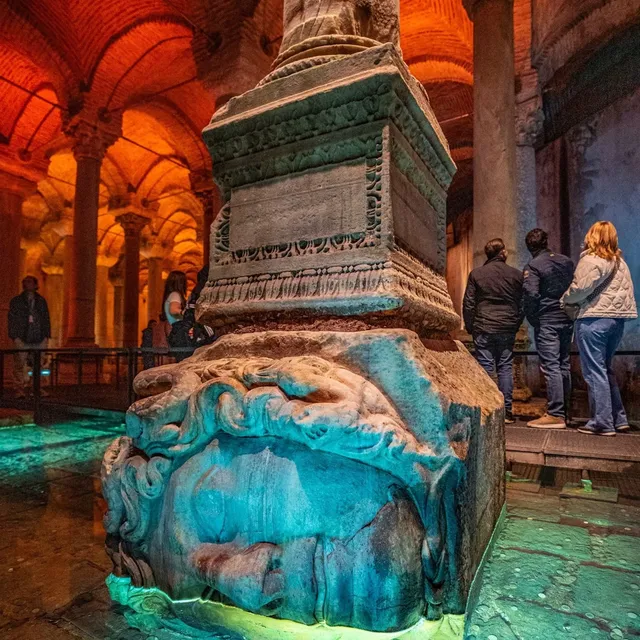
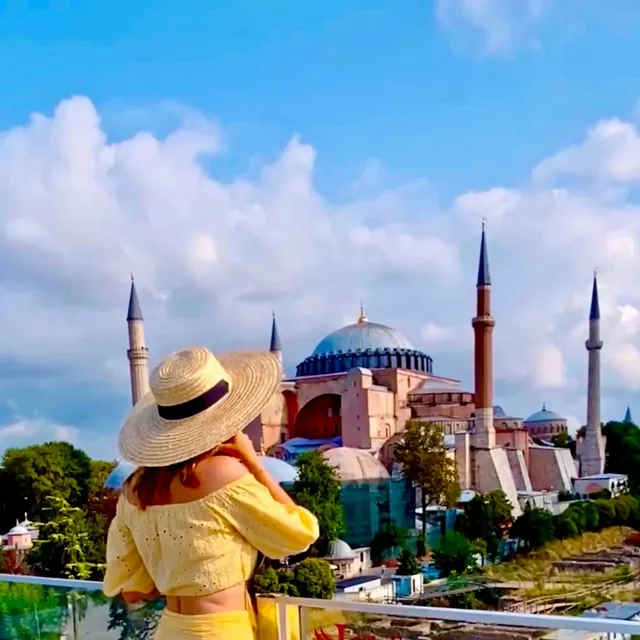
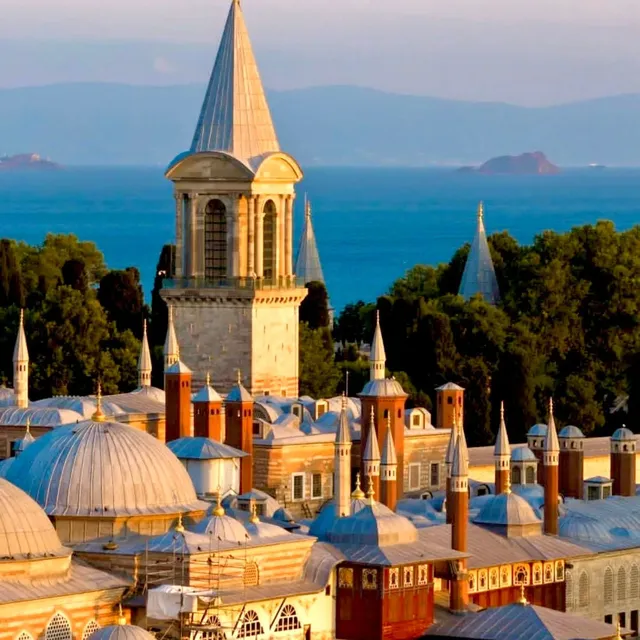
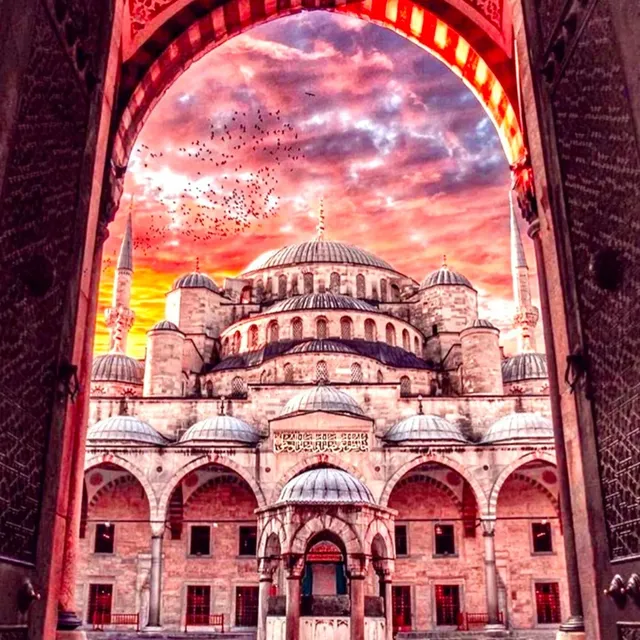
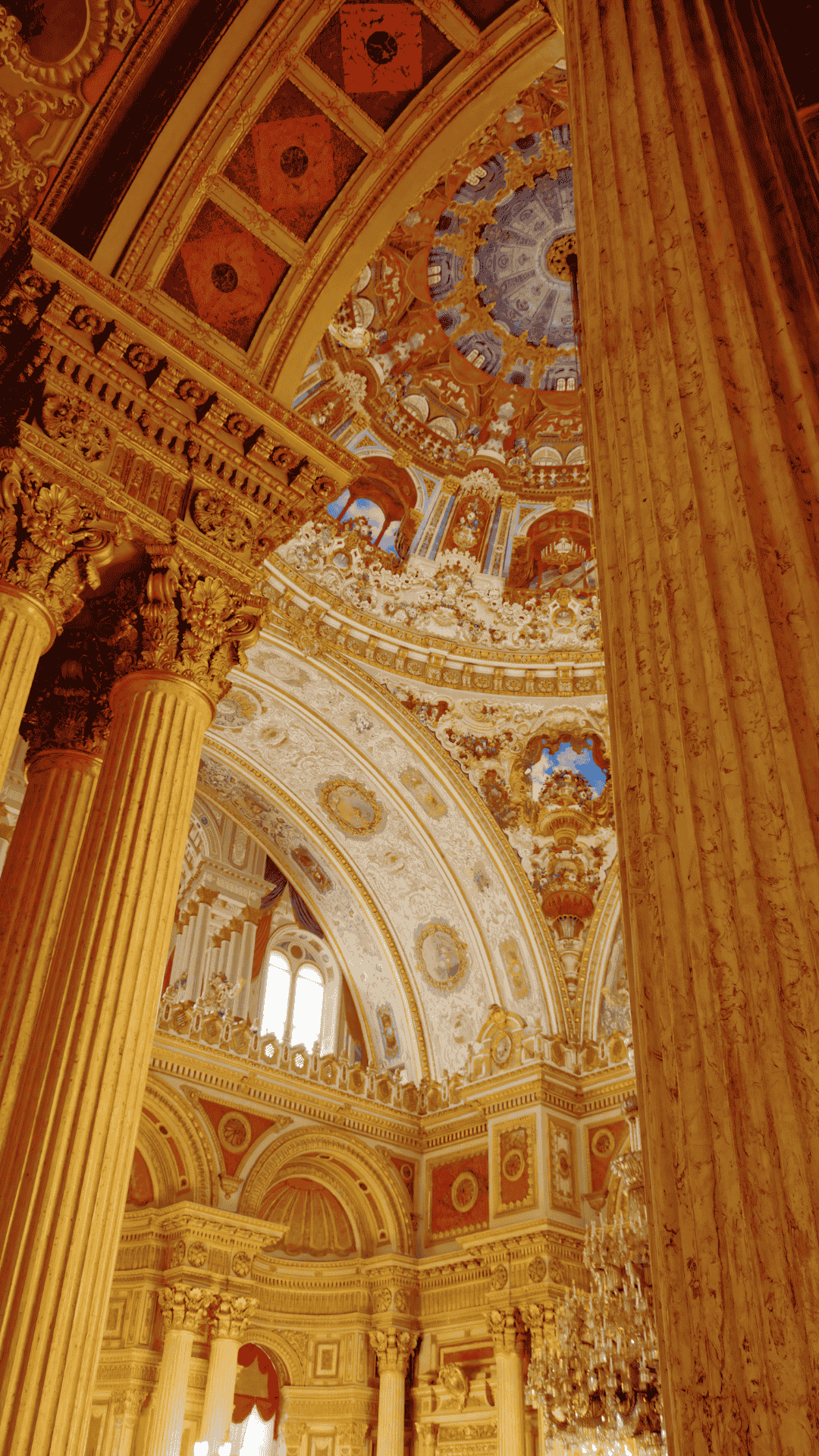
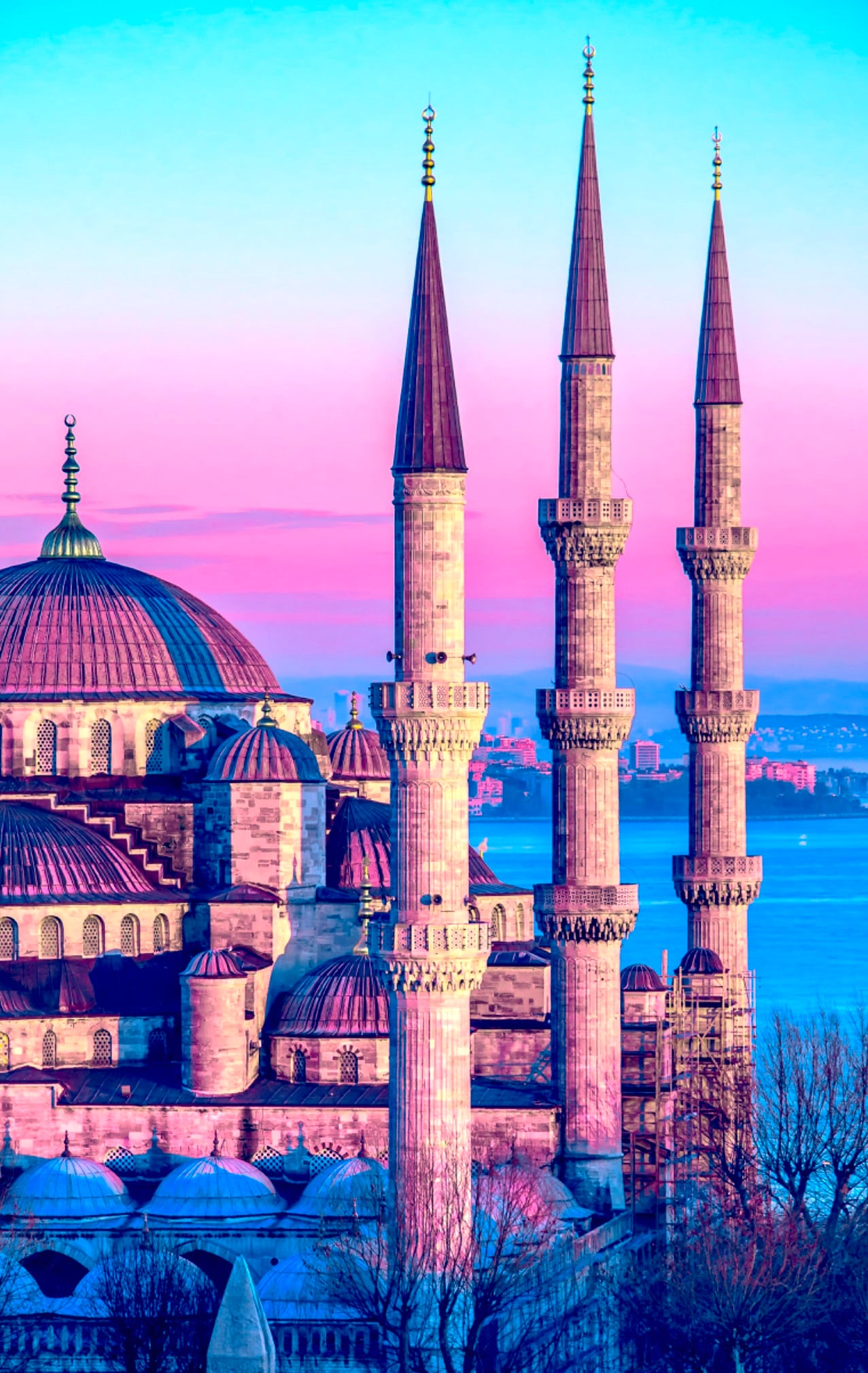
Ankara was selected by Kemal Atatürk as the capital of the nation following the conclusion of the Turkish War of Independence in 1923. Even so, tangible reminders of Istanbul’s earlier importance remain everywhere in the city, from imperial mosques to palaces rising across its hills. Visitors can still experience this layered past at places such as Hagia Sophia, Topkapi Palace, and the historic waterfront along the Golden Horn.
Region Info: Geopolitical Location of Istanbul
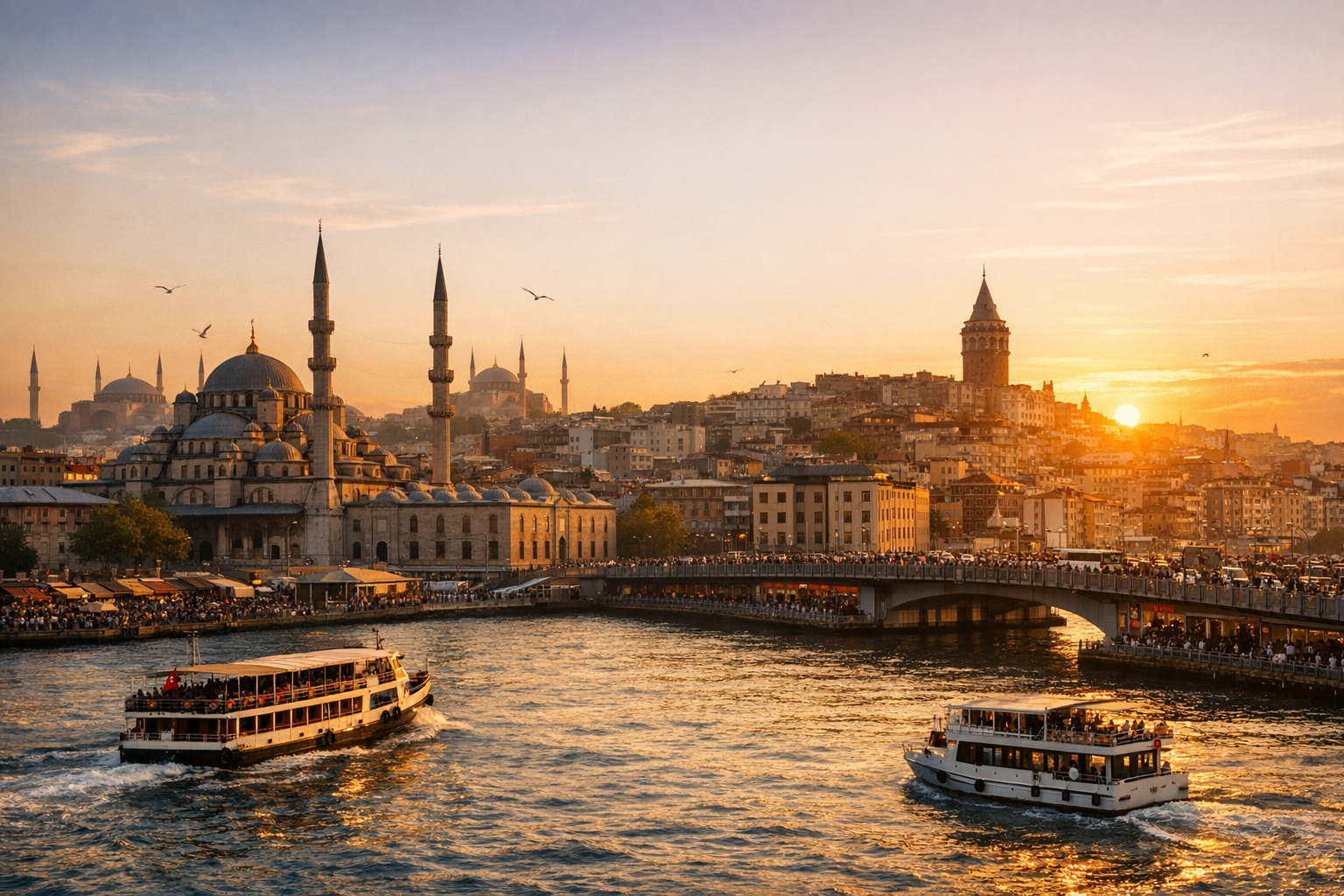
Because of its strategic location along the historic Silk Road, rail networks to Europe and the Middle East, and the only sea route between the Black Sea and the Mediterranean, Istanbul has always had a diverse population. This diversity became less prevalent after the Republic of Turkey was established in 1923, but the city’s geographic importance never disappeared.
Although Istanbul was not chosen as the capital in the early Republican period, it later regained a significant amount of its prestige. Since the 1950s, the city’s population has increased dramatically because of migration from other parts of Anatolia and the expansion of metropolitan boundaries to accommodate new residents. At the same time, infrastructure improvements helped create an extensive transit network that continues to shape daily life in the city. For general heritage context, the UNESCO World Heritage Centre provides useful background on Istanbul’s historic significance.
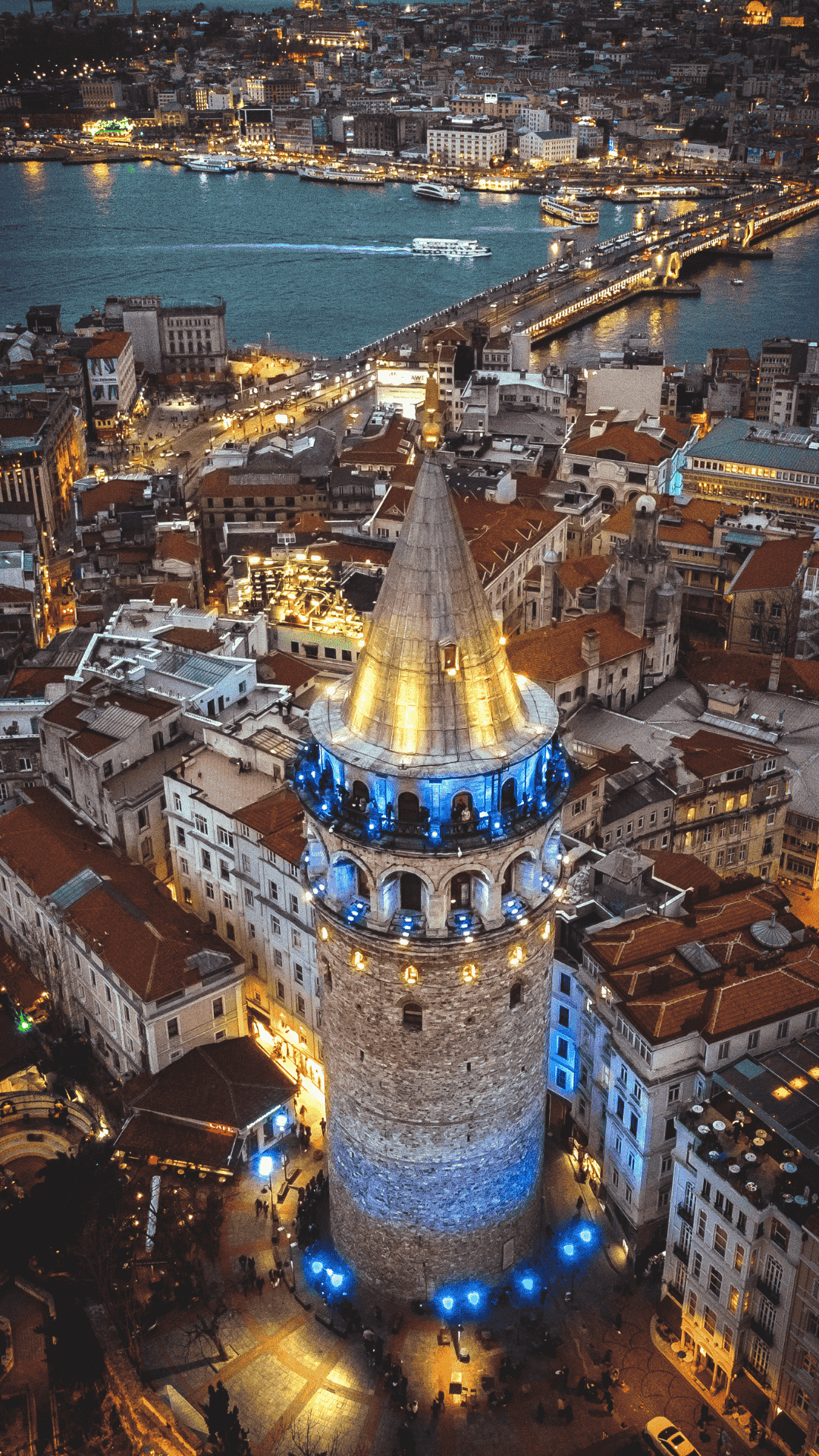
Two years after it was declared a European Capital of Culture, Istanbul welcomed about 11.6 million international tourists in 2012. This placed Istanbul among the world’s most visited destinations at the time. The historic peninsula, partially recognized as a UNESCO World Heritage Site, remains the city’s most popular area for visitors. On the opposite side of the Golden Horn, Beyoğlu developed as a major hub for cultural life and entertainment.
Istanbul is widely recognized as a global metropolis and one of the major urban economies of the region. It is home to the headquarters of many Turkish companies and media organizations and accounts for more than a quarter of the country’s total gross domestic output. The city’s enduring importance comes not only from size or commerce, but also from its position between continents, seas, trade corridors, and civilizations.
Why Istanbul’s location matters
- Between Europe and Asia: Istanbul physically connects two continents.
- Control of maritime access: It stands on the route linking the Black Sea and the Mediterranean.
- Historic trade position: Its location tied it to the Silk Road and regional rail links.
- Cultural crossroads: For centuries, different religions, languages, and communities shaped the city.
- Modern influence: Today it remains central to tourism, business, media, and transportation.
Historic and cultural geography
Istanbul’s geography is more than strategic; it is also deeply visual and cultural. The city’s hills, waterways, and shorelines helped define where palaces, mosques, markets, and neighborhoods were built. The historic core still draws the greatest attention, while districts beyond it reflect the city’s modern growth. Landmarks such as the Grand Bazaar show how commerce and urban identity have long been connected in Istanbul.
For readers seeking a broader historical overview, Britannica’s Istanbul entry offers additional reference material. For current travel planning, transportation details and local conditions are best checked on official sources when needed.
Istanbul has an important geopolitical location and continues to serve as both a cultural and historical center for people of many backgrounds and beliefs. Its past as an imperial capital, its position on major land and sea routes, and its continuing role in Turkish economic and cultural life make it one of the world’s most remarkable cities.