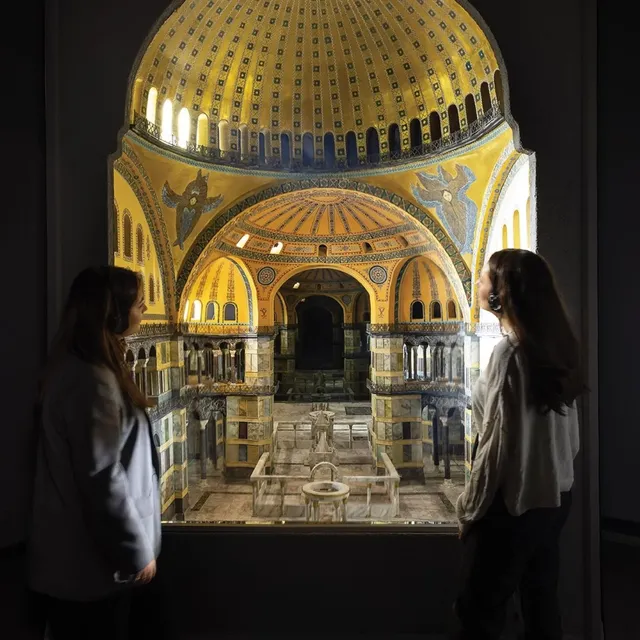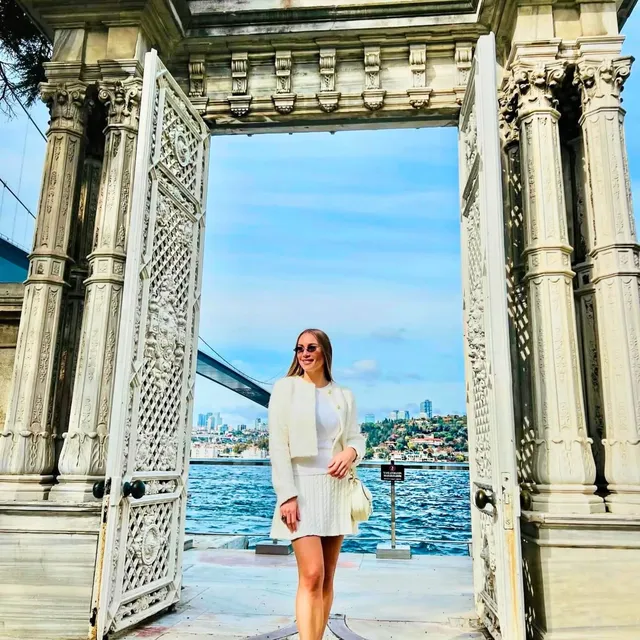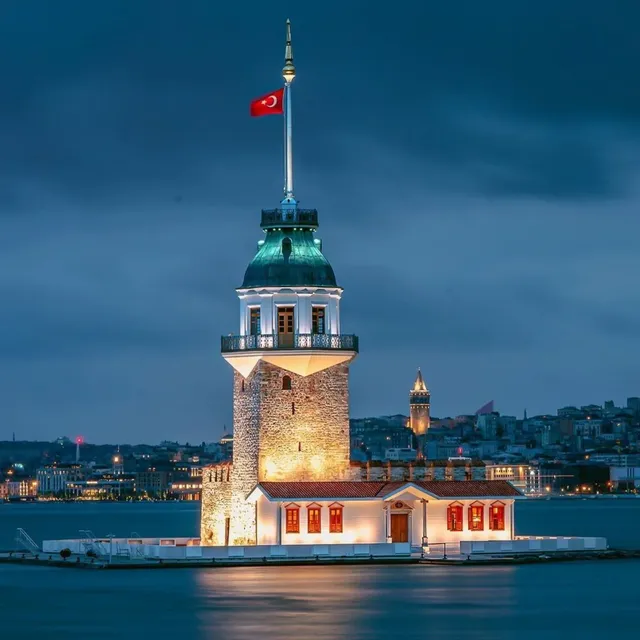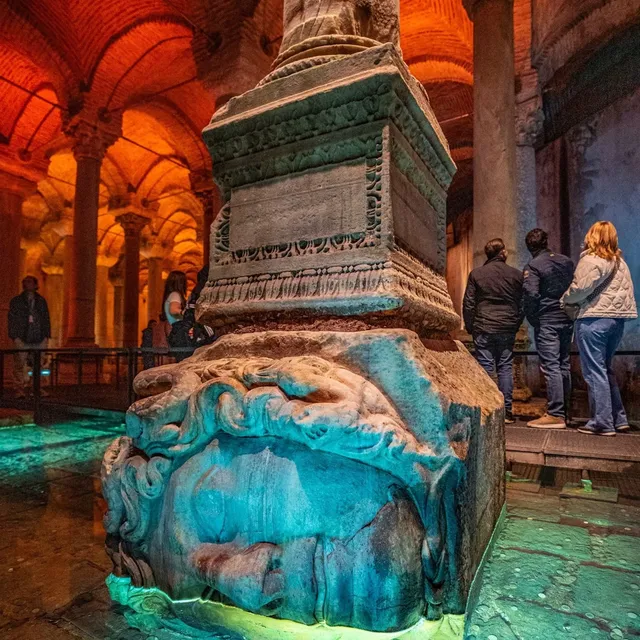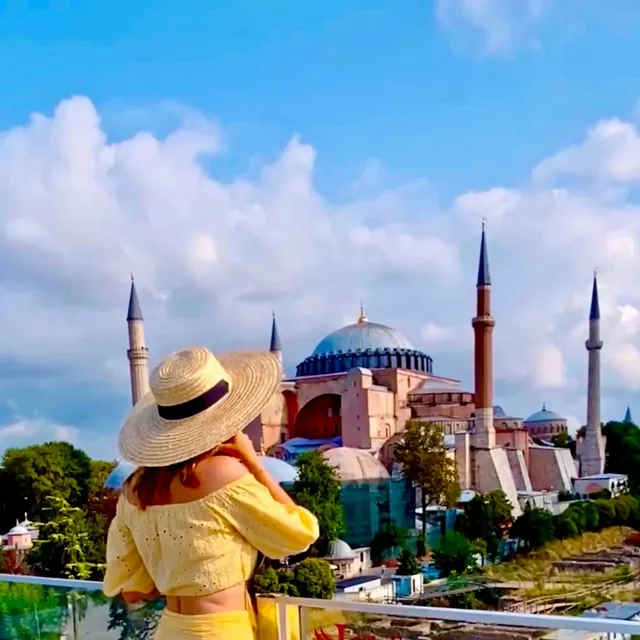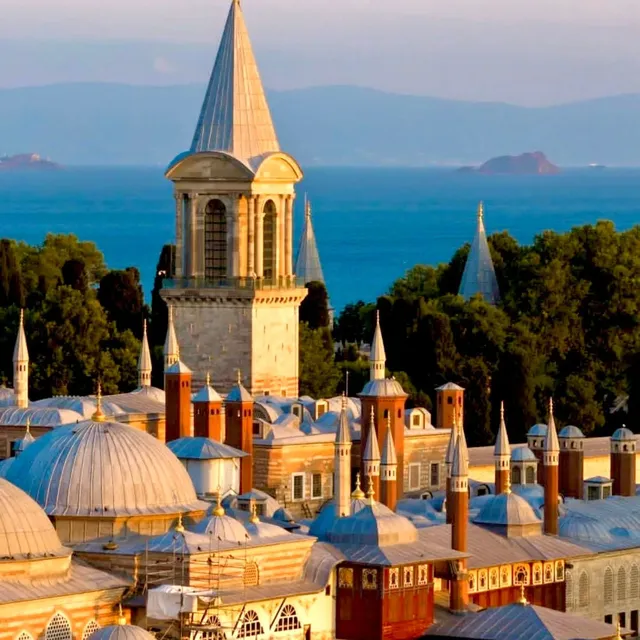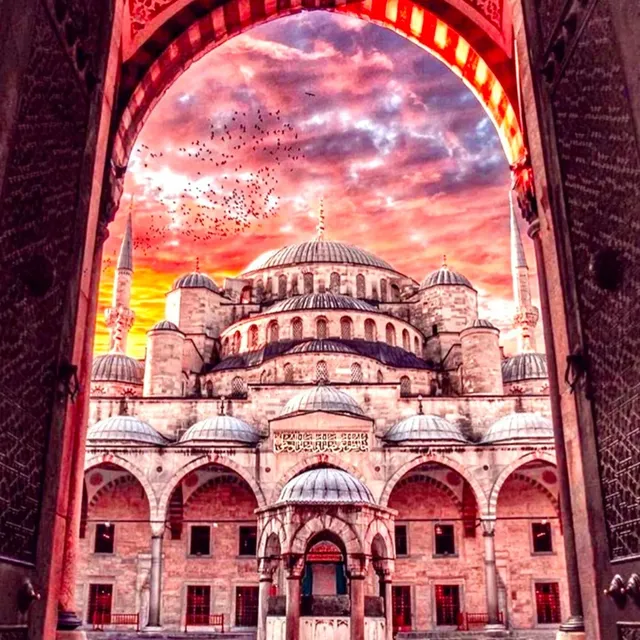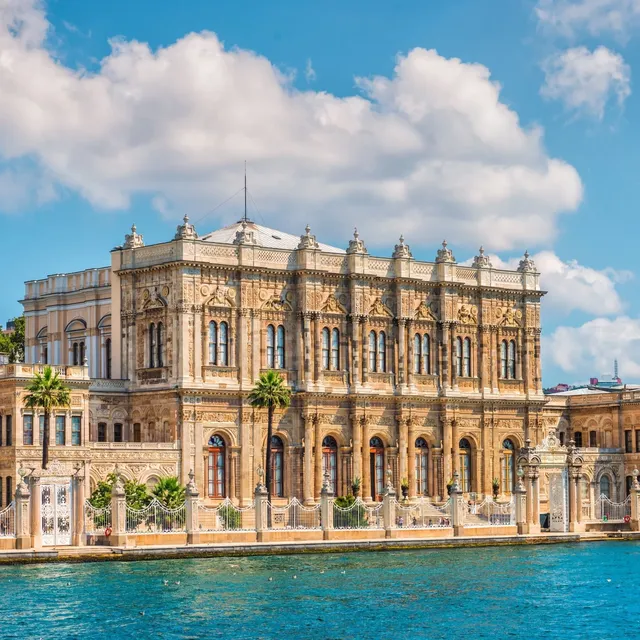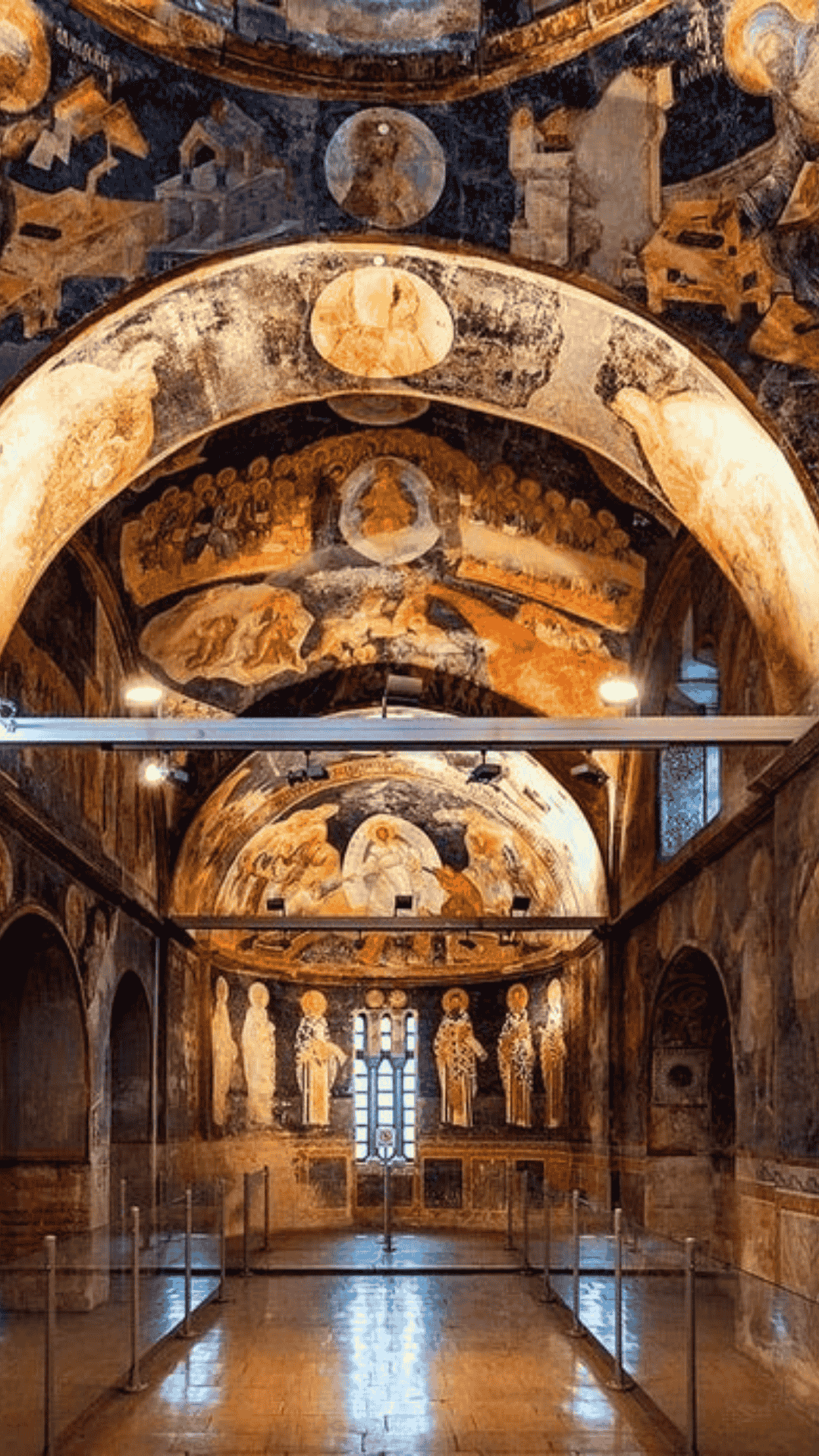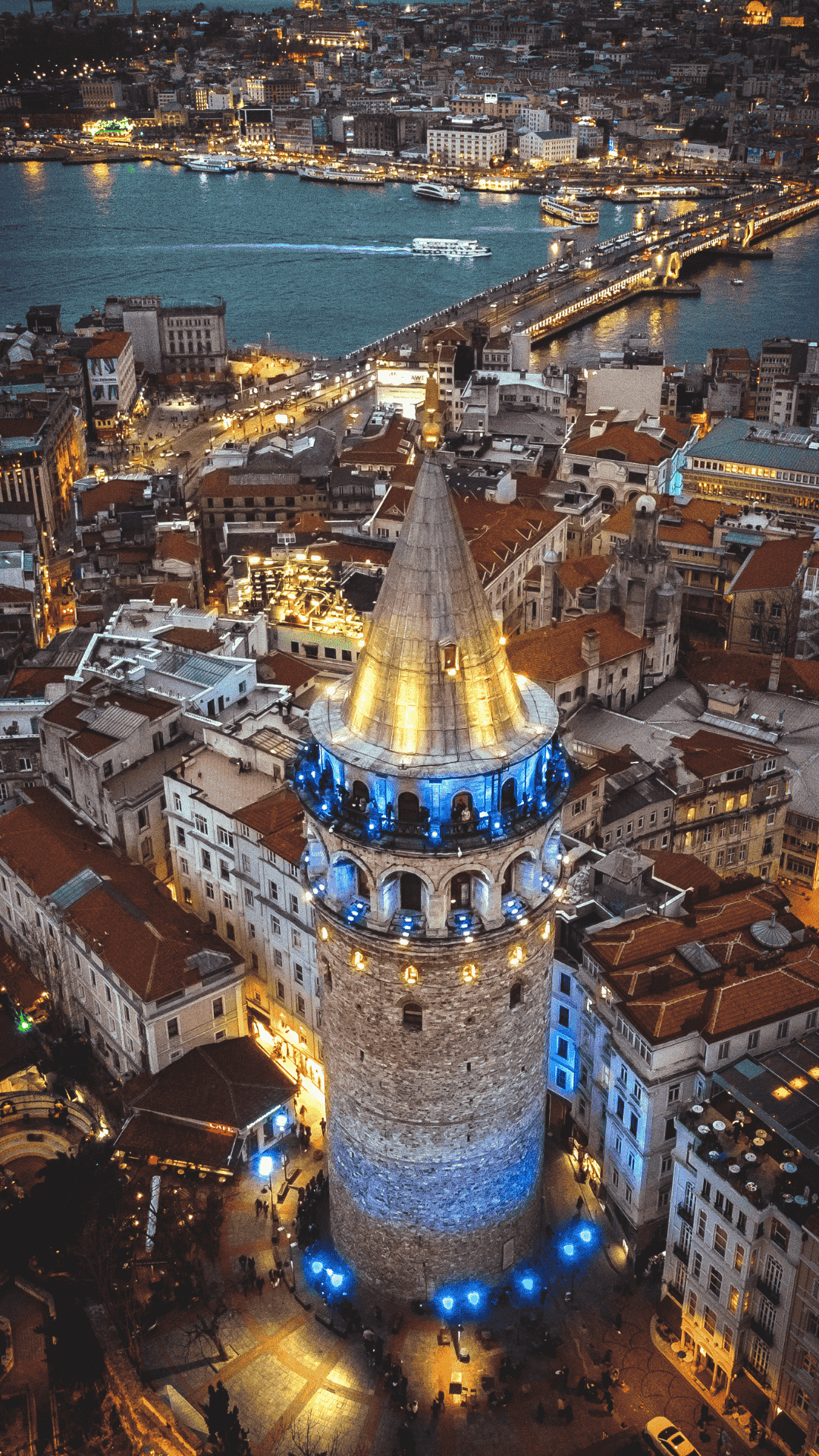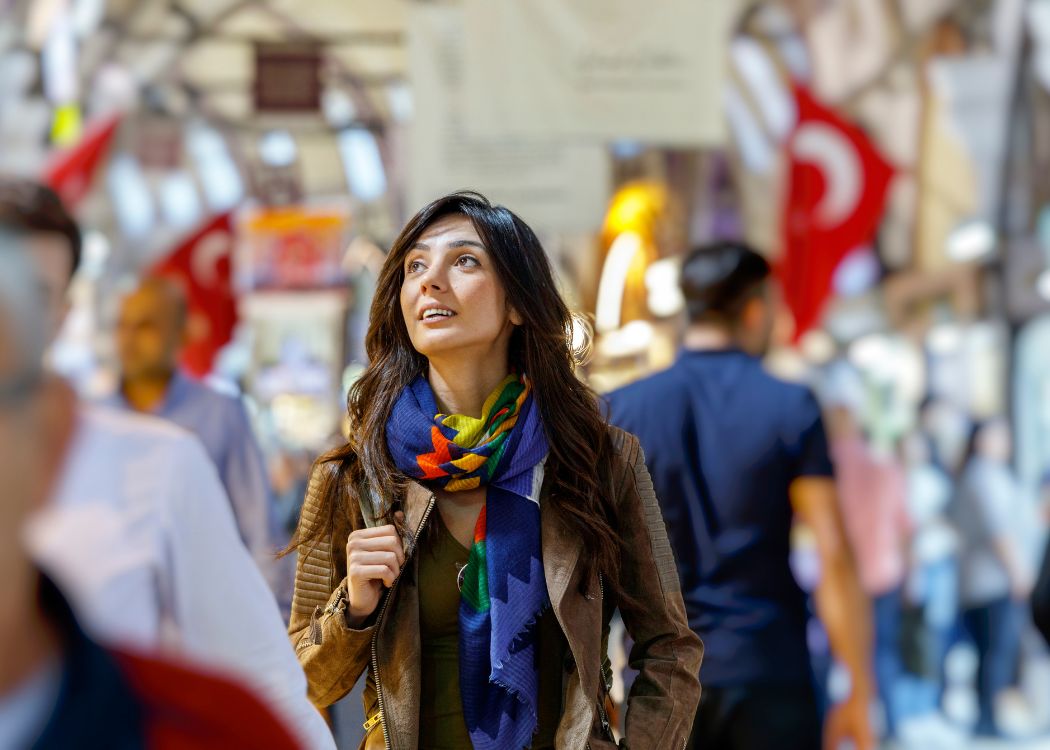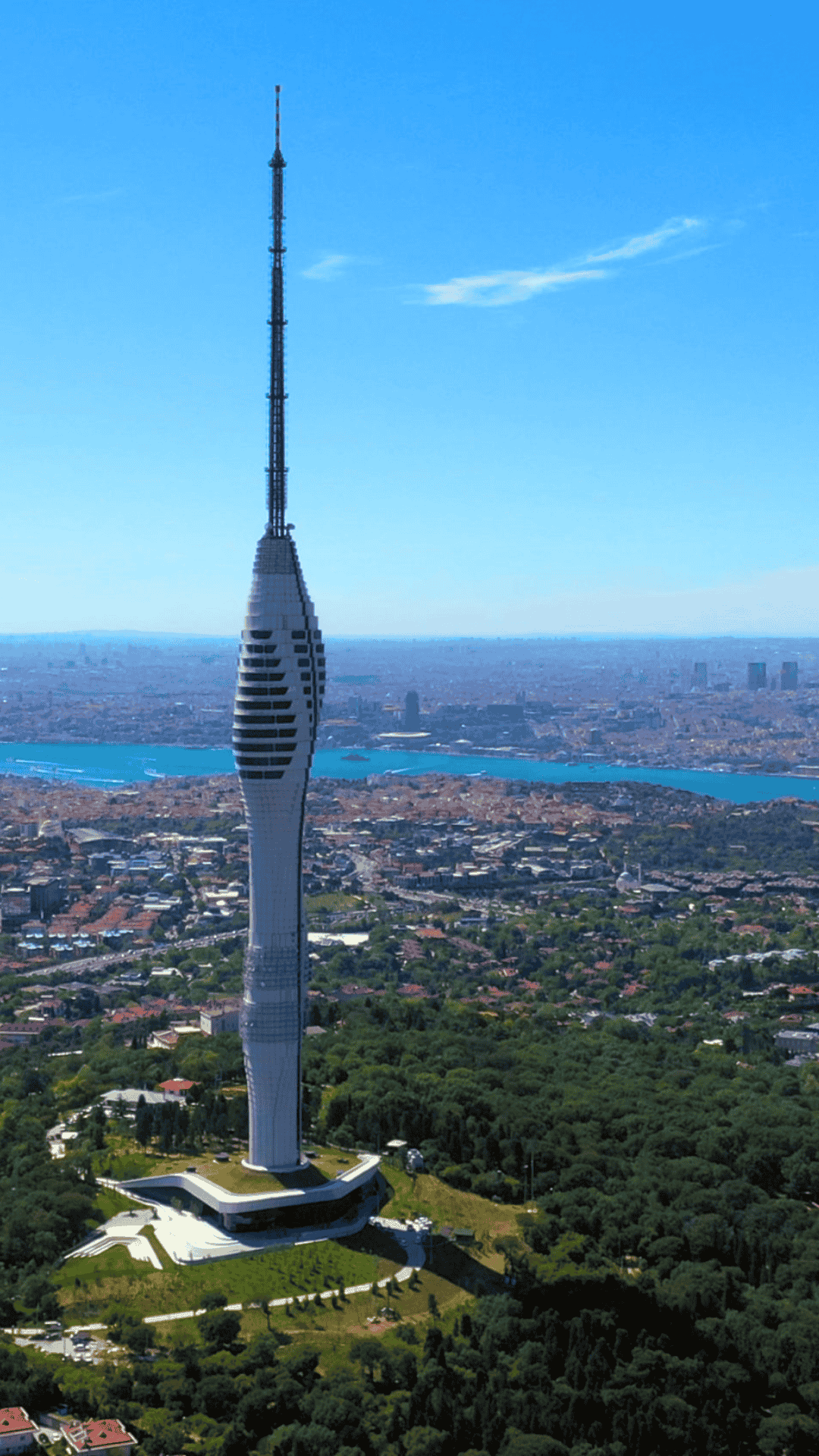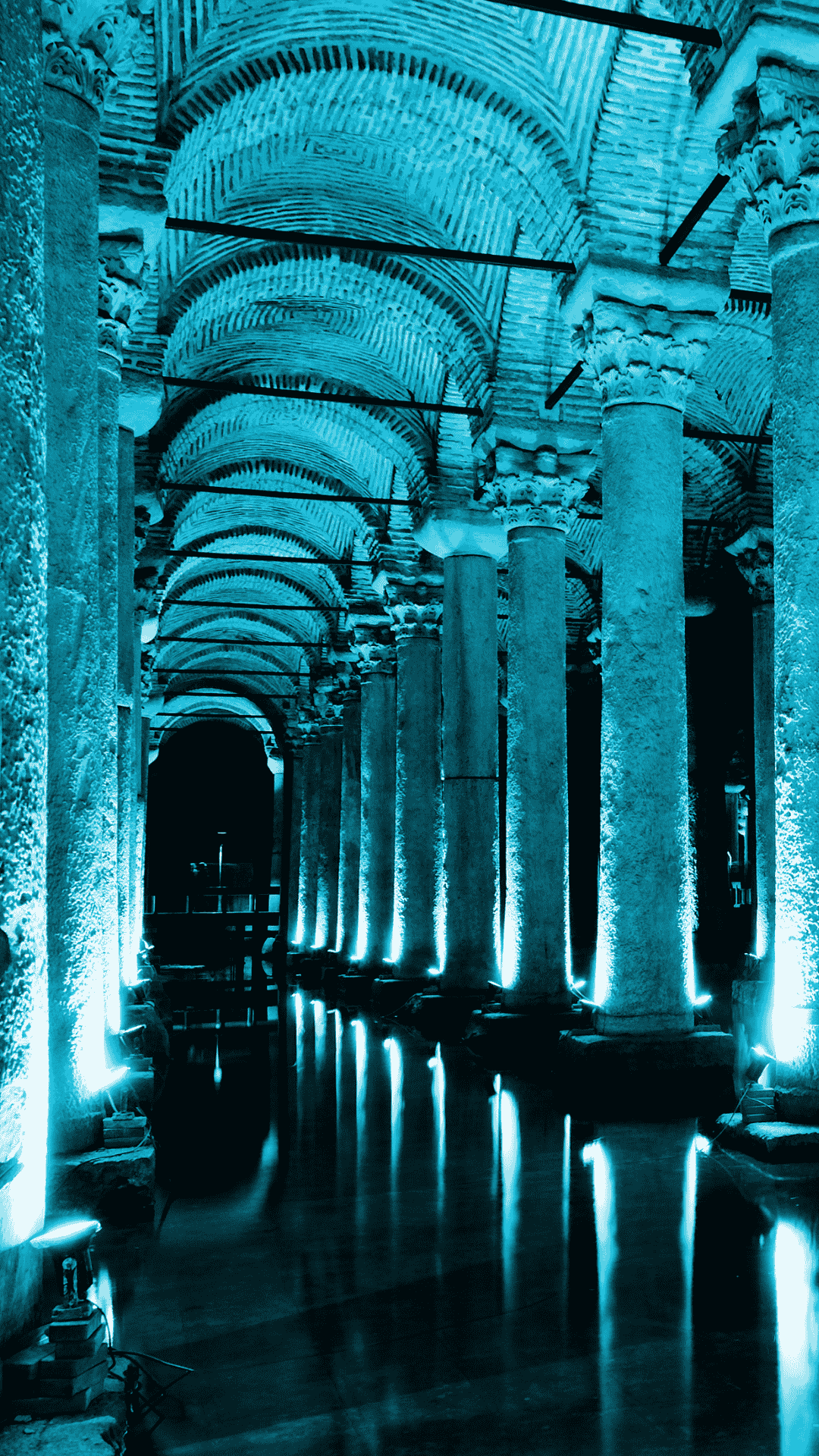

Istanbul has increasingly become a destination for investment, settlement, and residence, as well as for people seeking a secure and peaceful life. The city combines tradition and history with landmarks such as the Basilica Cistern and Topkapi Palace, while also offering modern luxury, major brands, scenic views, and a lively social atmosphere. This blend, together with the presence of Arab and Western communities and many different social environments, can make adaptation easier for newcomers. Recent global developments have also pushed many families to search for safer and more stable options, and a large number have chosen Istanbul as a place to relocate, settle, and educate their children.
Why support for international students in Istanbul matters
For international families, support does not come from one single source. It comes from a combination of school choice, language options, institutional cooperation, and the broader living environment. In practice, this means access to foreign or international schools, curricula recognized beyond Turkey, and schools created to serve different national communities while operating within Turkish educational principles.
The city itself also contributes to the experience. International students and their families are not arriving in isolation; they are arriving in one of the world’s most layered urban settings, where daily life includes historic districts, transportation links, and shared public spaces. For example, central areas around Sultanahmet Square give newcomers a direct sense of Istanbul’s cultural identity, while broader city networks support day-to-day life and mobility. For current public transport information, it is useful to check official resources such as metro.istanbul.
International schools in Turkey
Turkish international schools in Istanbul vary in curriculum, fees, and pricing, and according to Turkish immigration office data, the total number of foreigners living in Turkey is about 4.7 million individuals from 190 different countries. In line with this large and diverse expatriate presence, the Turkish government has contributed to providing living services and amenities for foreigners and expatriates.
In education specifically, cooperation between the Ministry of Education and foreign embassies has helped create schools that serve the communities of different nations in accordance with the Turkish government’s ideals and principles. This is one of the clearest forms of institutional support available to international students and families in Istanbul: access to schools designed around recognized foreign educational models while still functioning within Turkey’s educational framework. For general background on the city and country, readers may also consult Britannica.
British international schools in Istanbul
Among the notable options, there are just two branches in Turkey: one in Istanbul and one in Ankara. It is described as the only school affiliated with the British Embassy in Istanbul that provides the IGCSE curriculum used in British national schools. The institution is internationally recognized and helps students pursue enrollment in Turkish, American, and British colleges.
Students are between the ages of three and 18 and come from more than 55 countries. English is the main language of instruction, while the school also places importance on additional languages such as German, French, and Turkish. The school was established in Istanbul in 2000, and due to a growing number of students, a new building called Zekeriyakoy was added. The original text also notes pricing at around 40–45 thousand dollars depending on the stage; however, as fees can change over time, it is best to check the official site of the relevant school for current information.
Mef International Schools
MEF, short for Modern Egitim Fen, was founded in 1996 in Bahçeşehir. The institution now has more than 2,000 students and around 300 administrative and teaching staff members across its Istanbul and Izmir branches. From its beginning, the school adopted advanced curricula after reviewing major foreign systems, including British, French, and Japanese models.
The school’s curriculum is CEFR certified in EU countries. It also prepares twelfth-grade students for TOEFL and SAT examinations, which support applications to foreign institutions in Istanbul and beyond. For a second language, students choose between German, French, and Spanish. This multilingual and internationally oriented structure is an important part of the support system available to international students in Istanbul, especially for families seeking continuity with global education pathways.
What makes Istanbul easier for international families
Support for students is also tied to the wider experience of family life. Istanbul offers varied neighborhoods, housing options, and social settings that appeal to different communities. Newcomers may find both historical and contemporary sides of the city useful in adapting to life here. Cultural access, familiar international communities, and educational diversity all contribute to a smoother transition.
Beyond schools, the city’s appeal often lies in the balance it offers: heritage, daily convenience, and opportunities for long-term settlement. Families who choose Istanbul are often drawn not only by education, but also by the possibility of building a stable life in a globally connected city.
- Curriculum choice: British, American, Canadian, and other international models are available.
- Language support: Many schools teach in English and offer additional languages.
- Recognition: Some schools prepare students for international exams such as IGCSE, TOEFL, and SAT.
- Community environment: Istanbul hosts diverse foreign populations from many countries.
- Institutional framework: School development has included cooperation with embassies and Turkish authorities.