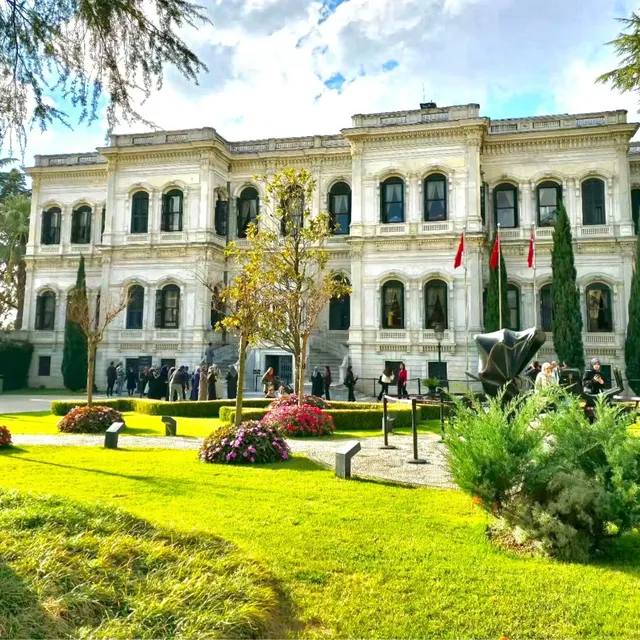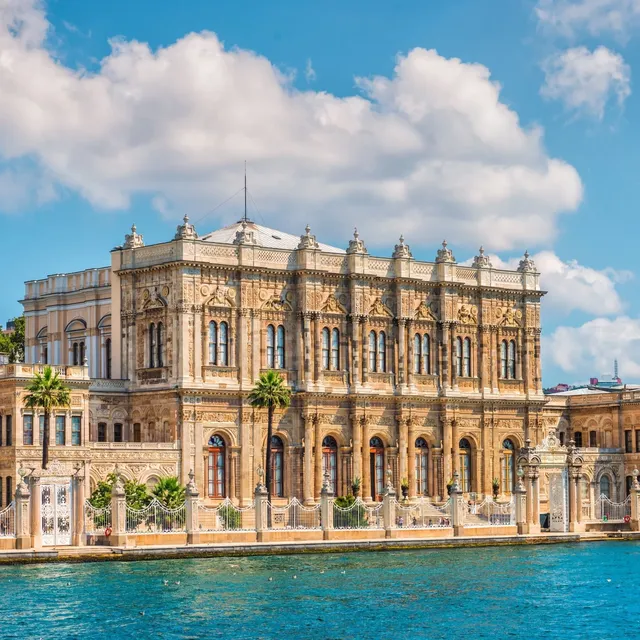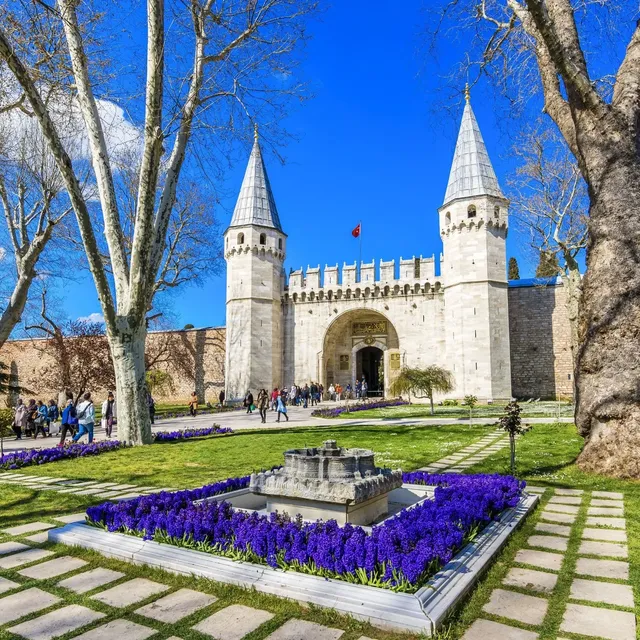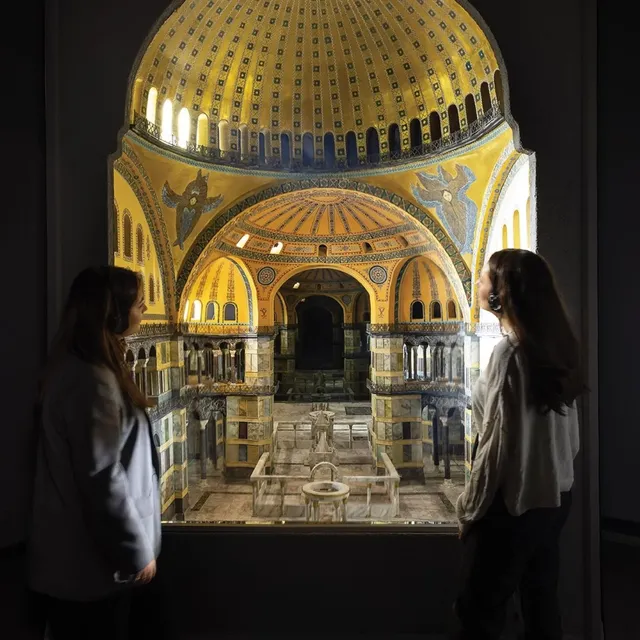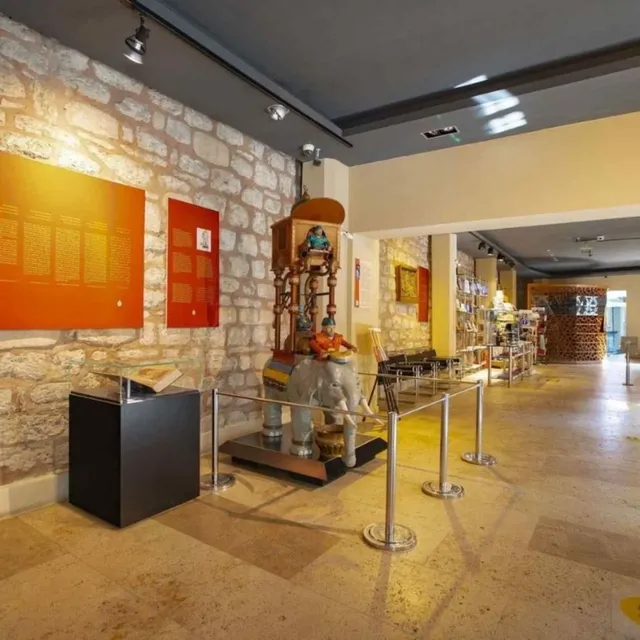
When Ottoman Sultan Selim III had this palace built as a villa for his mother, Sultan Mihrişah, and named it “Yıldız” (meaning “star”), the district where the villa stood also began to be known as Yıldız. Later, during the reigns of Mahmud III, Sultan Abdülmecid, and Sultan Abdülaziz, the site was expanded with additional pavilions and summer palaces.
During Sultan Abdülhamid’s period, more structures were added and the complex became known as Yıldız Palace. The palace, continuously used by Sultan Abdülhamid, was physically developing while also becoming the scene of one of the most politically disputed periods of the Empire.
Istanbul Yildiz Palace history and setting
All buildings in Yıldız Palace are arranged in rows, gathering at the north end of the woods bordered by high walls. The rest of the woods forms an outer garden. This area is open to the public as Yıldız Park, where you can also find Çadır and Malta mansions as well as the Yıldız Porcelain Factory.
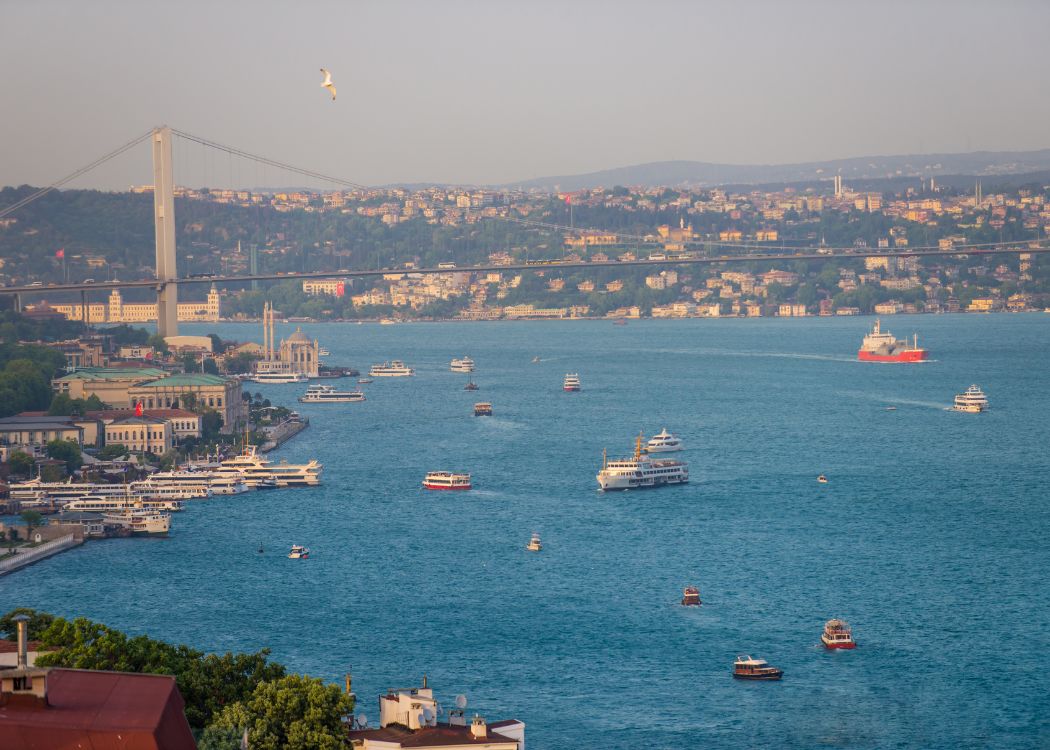
The palace’s location in Beşiktaş places it within an important imperial zone on the European side of the city. If you are exploring Ottoman-era landmarks, Yıldız Palace pairs naturally with nearby royal sites and waterfront districts, including Ortakoy Mosque.
The Şale Pavilion at Yıldız Palace
One of Yıldız Palace’s most important structures is the Şale Pavilion. It consists of three main structures in the garden, built at different times but attached to one another.
The architect Sarkis Balyan built the first building, while the Merasim Villa is dated to 1880 in one account of the site. Another section was built in 1889 by the architect D’Aranco, and the third was built in 1898. Across these connected sections, the three-storied pavilion is made of wood and stone.
As you tour the pavilion, its design and ornamentation stand out immediately. In its 60 rooms and four halls, you can recognize traces of Baroque and Islamic influences. These details help explain why the Şale Pavilion is often considered the highlight of the entire palace complex.
Interior highlights
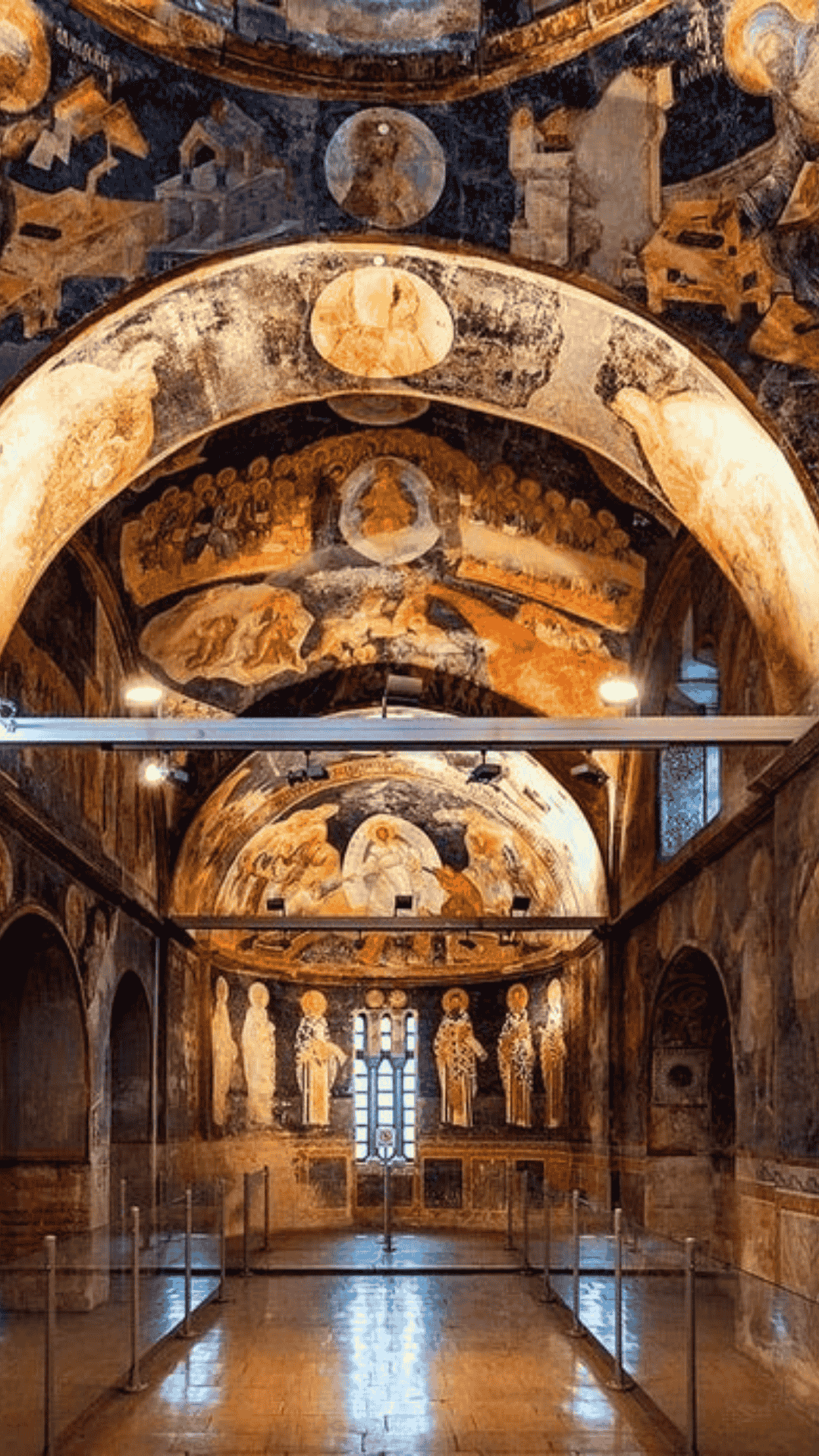
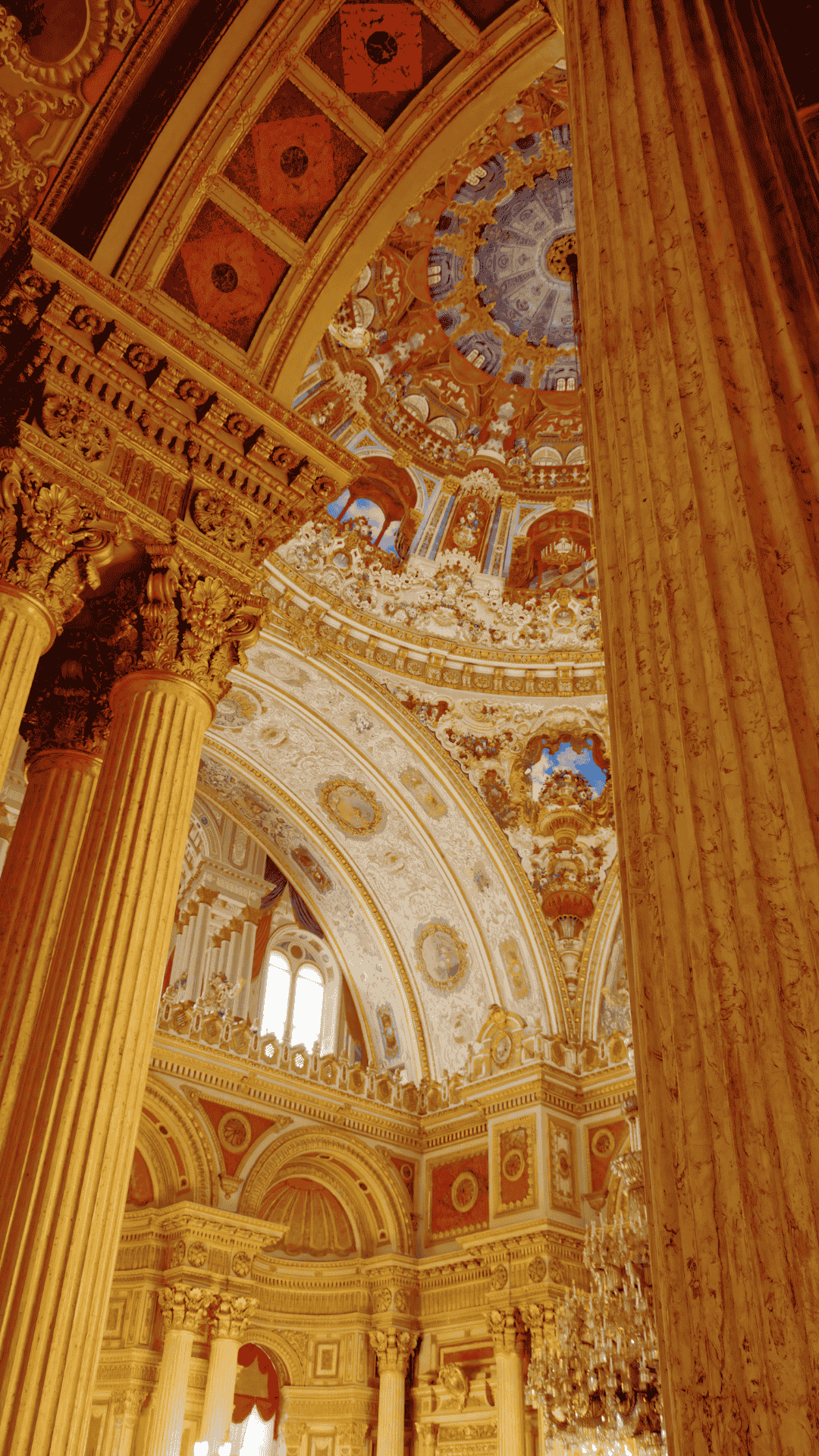
The most striking interiors include the “Yellow Saloon,” whose ceiling was decorated with landscape paintings, the Saloon with mother-of-pearl with its inlaid mother-of-pearl decorations, and the ceremony hall, which features a huge Hereke carpet and a ceiling decorated with golden gilded panels.
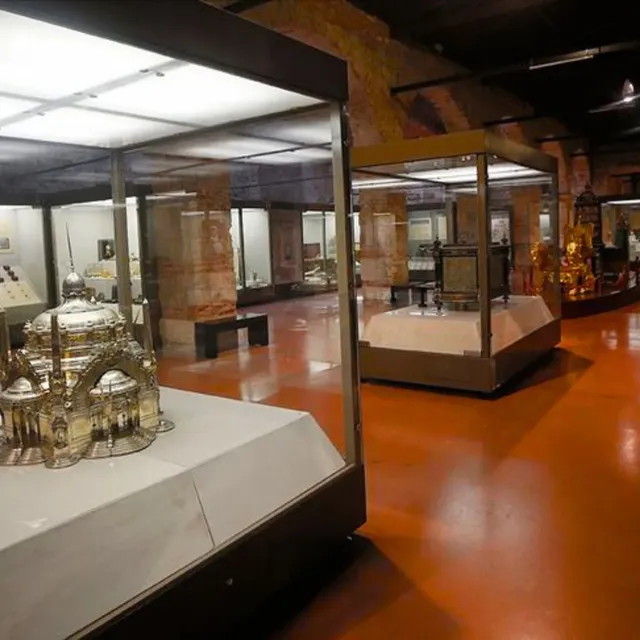
The palace also contains valuable items from various European countries, china vases, and engraved furniture that reflect characteristic features of Ottoman palaces. Together, these rooms and furnishings add to the majesty of the structure.
What to see around Yıldız Palace
The wider Yıldız area is part of the experience. Since the outer woods are known today as Yıldız Park, a visit can combine palace architecture with a quieter green space in central Istanbul. The park setting helps explain why this hilltop location was chosen for royal use in the first place.
Travelers interested in comparing different Ottoman residences may also want to continue to Beylerbeyi Palace on the Bosphorus. For a broader historical overview of the complex and its development, you can also check the official National Palaces source at millisaraylar.gov.tr and the background summary on Wikipedia.
Visitor information for Istanbul Yildiz Palace
You can visit Yıldız Palace between 09.30 and 17.00 during summer time, and between 09.30 and 16.00 during winter season. As opening arrangements may change, it is best to check the official site before your visit.
- Address: Yıldız 80700 Beşiktaş – Istanbul
- Alternate address listed: Barbaros Bulvarı, Yıldız Park, Beşiktaş
- Phone: +90 212 259 45 70 / +90 212 259 89 77
Why visit Yıldız Palace?
Yıldız Palace stands out because it reflects the final imperial phase of Ottoman palace life. Unlike earlier palaces that are more widely known, it offers a more layered look at late Ottoman architecture, court ceremony, political history, and decorative taste. The Şale Pavilion alone makes the visit worthwhile, while the surrounding parkland gives the complex a distinct atmosphere.
For visitors interested in Istanbul’s royal history beyond the city’s most famous monuments, Yıldız Palace is an important and rewarding stop.