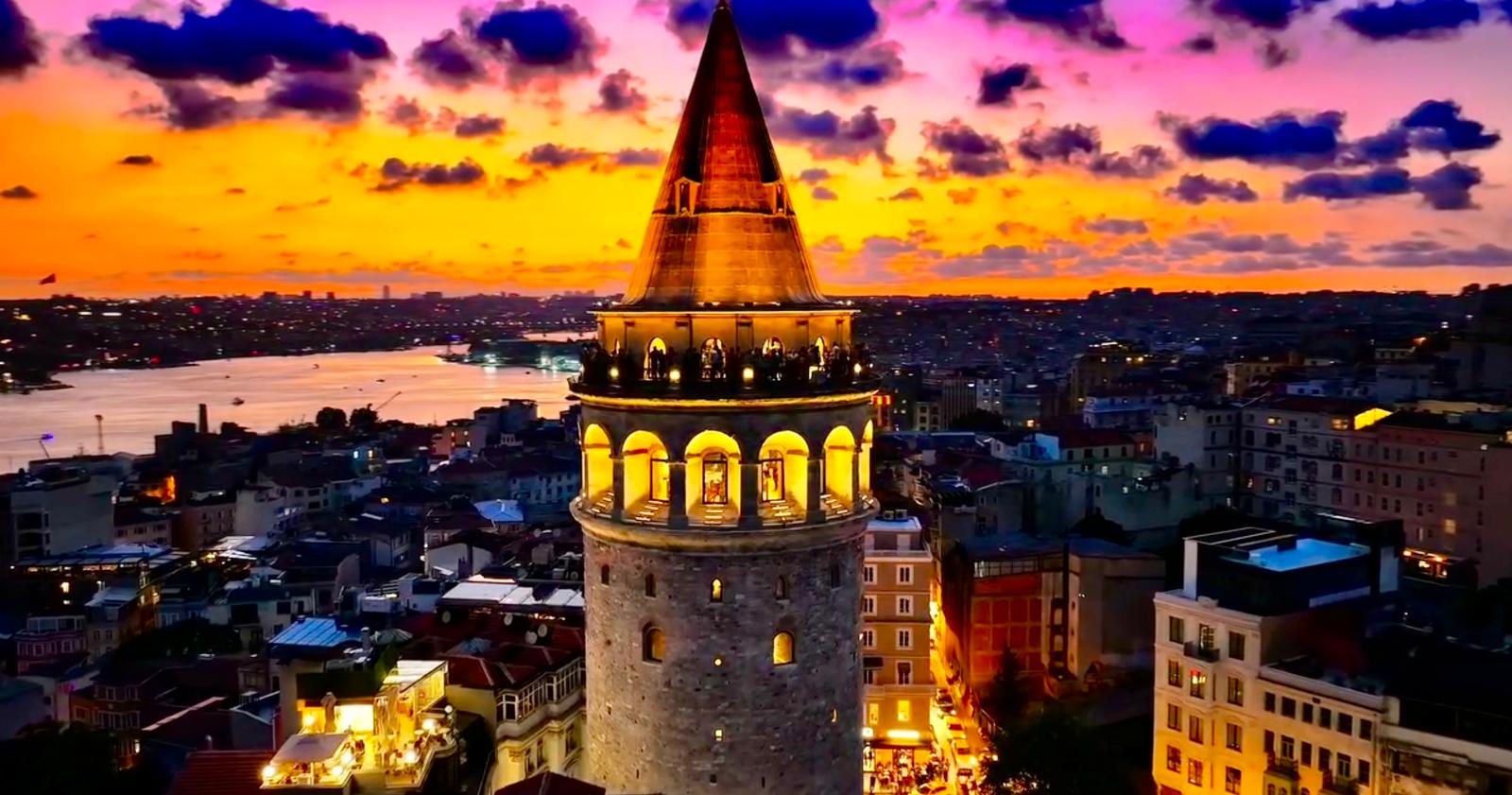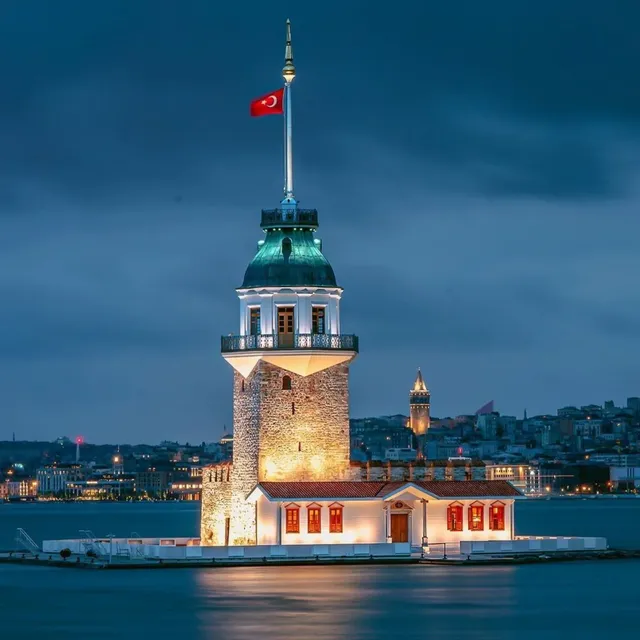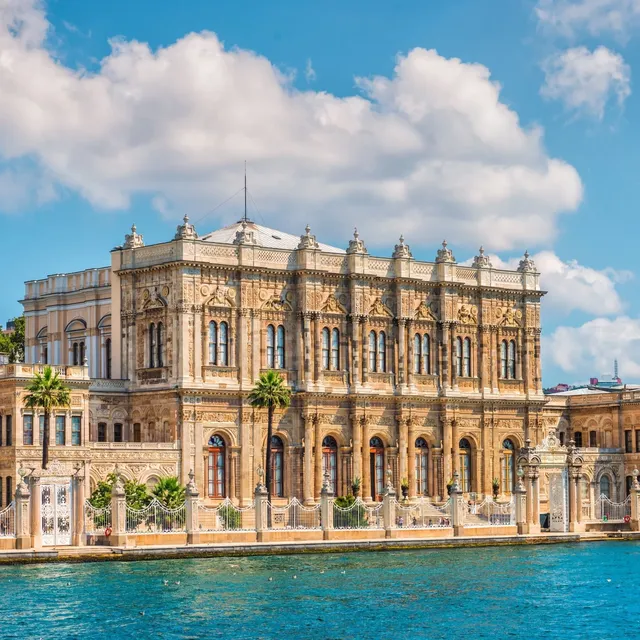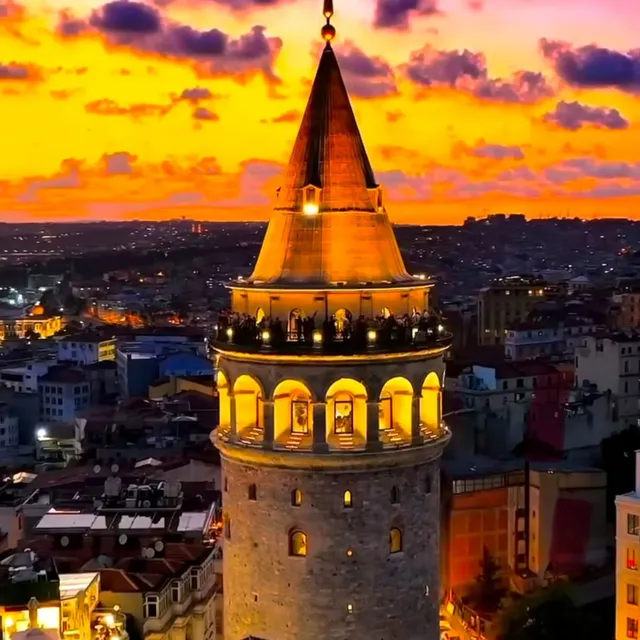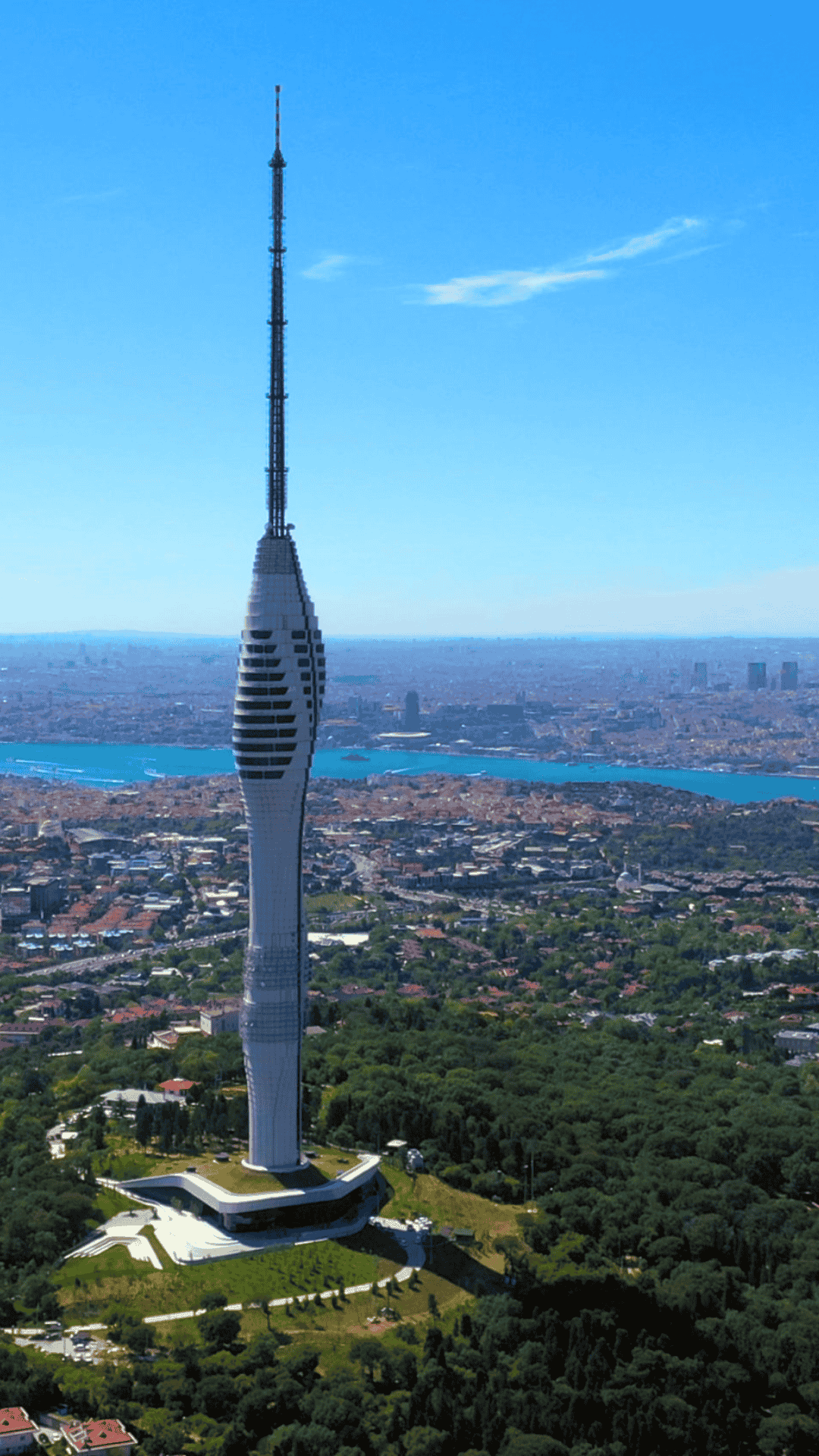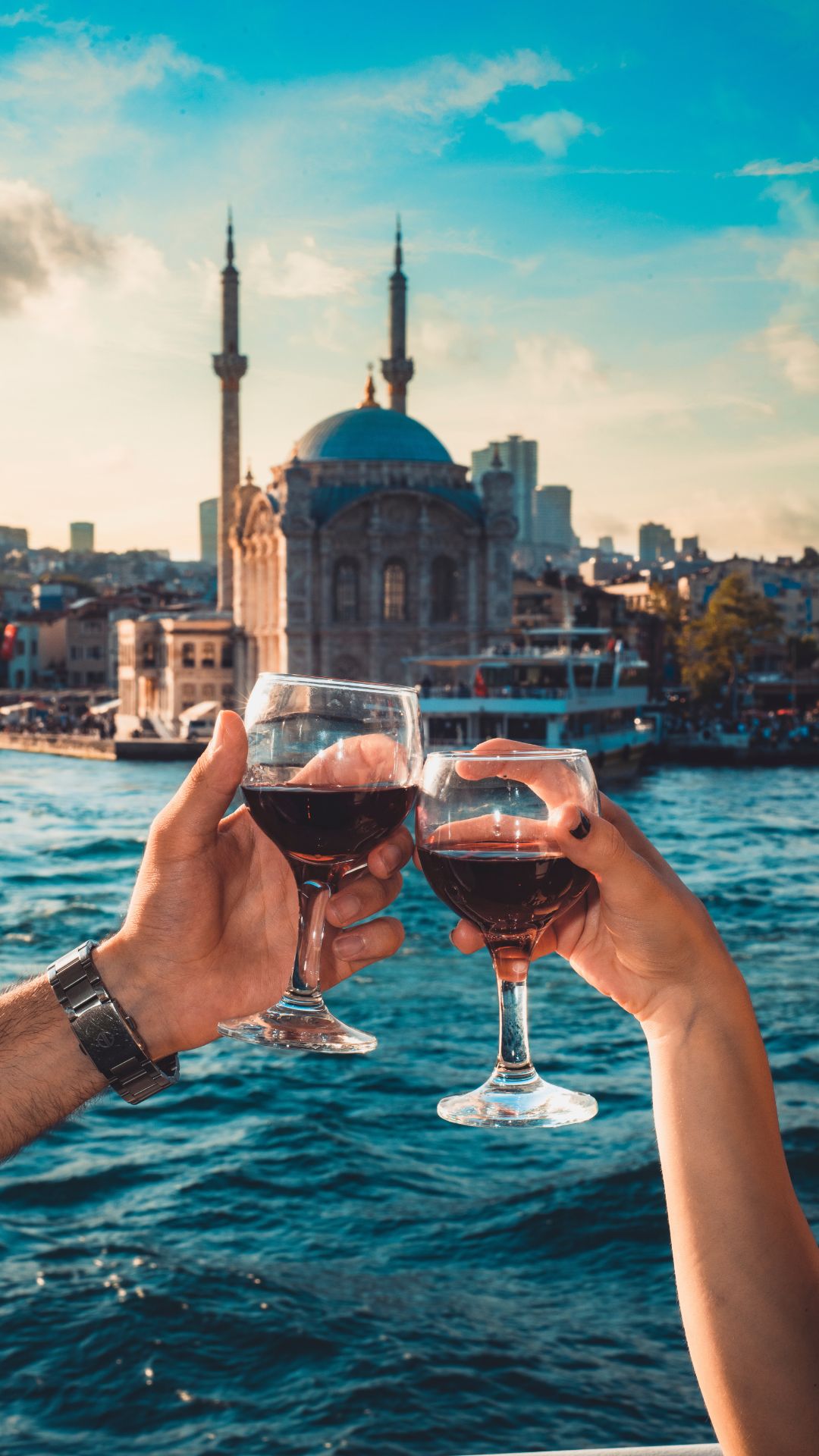
For investors, Istanbul offers a wide range of possibilities thanks to its competitive open market. Many sectors still appear attractive, and the city’s size, population, and commercial energy help keep investment interest strong.
Why istanbul investments attract investors
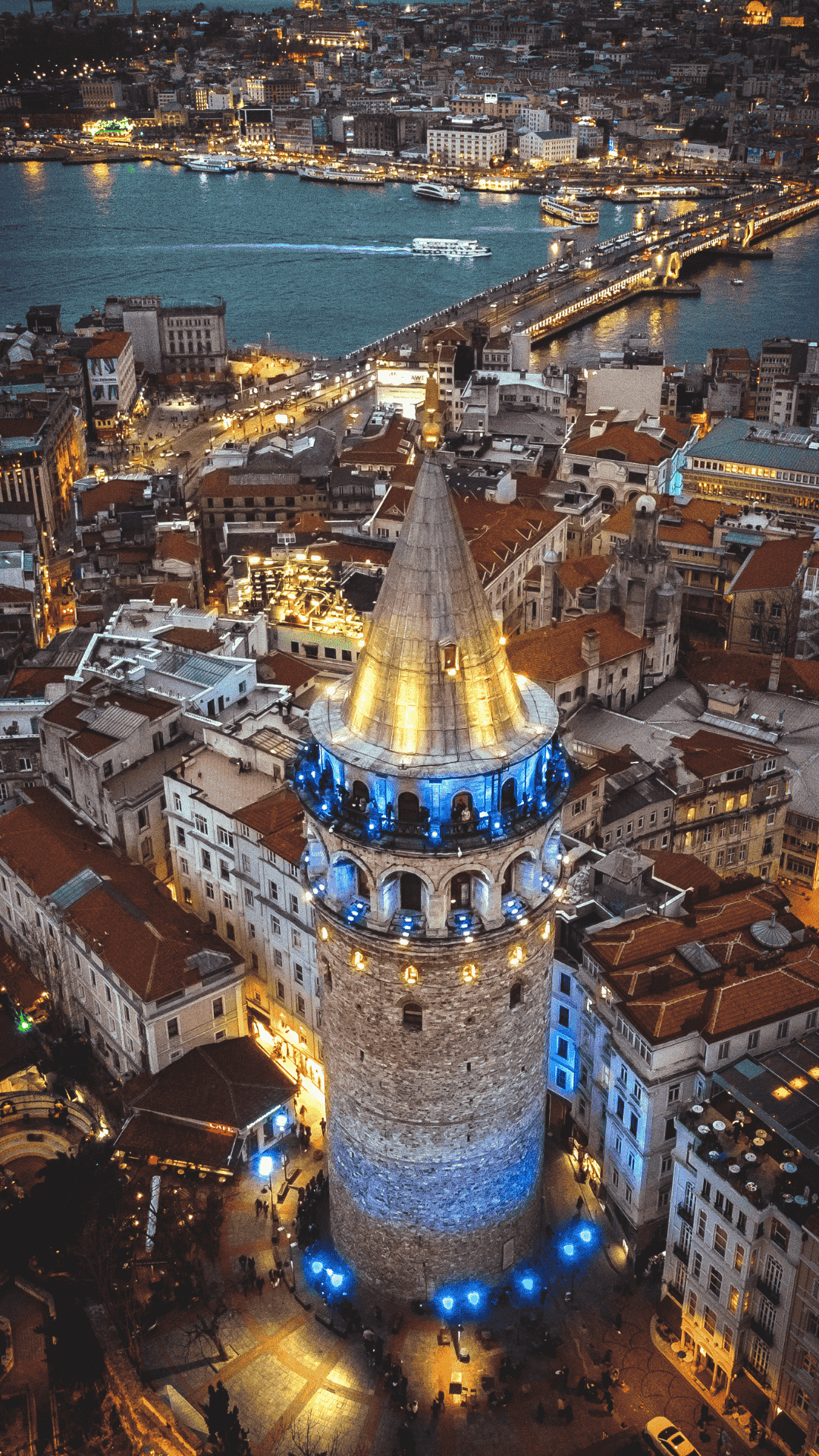
Istanbul stands out as a commercial center where local demand, international interest, and ongoing urban development meet. It is also a city shaped by tourism, trade routes, and large-scale infrastructure. Even a short visit makes this visible: new residential compounds, commercial centers, buildings, and shopping malls continue to appear in many districts.
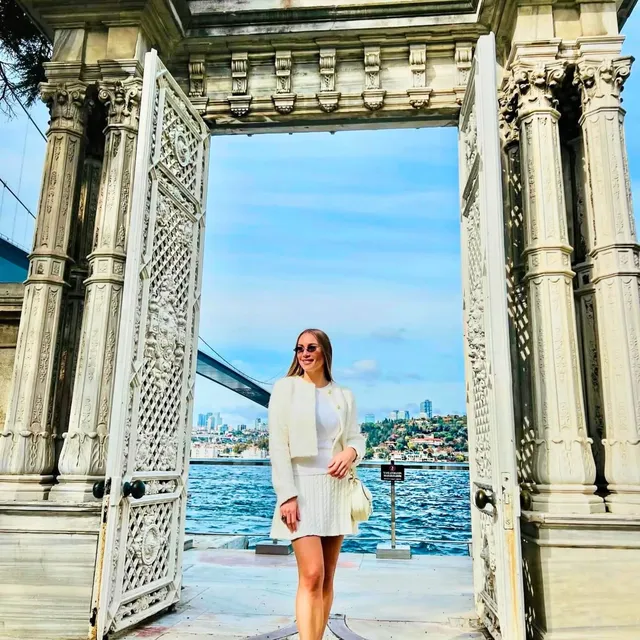
The same city that draws visitors to landmarks such as the Grand Bazaar and experiences like a Bosphorus Cruise also creates business activity across hospitality, transport, retail, and services. For many investors, this combination of local consumption and international exposure is one of Istanbul’s main advantages.
Real estate investment in Istanbul
Real estate is presented as one of the most attractive investment fields in Turkey these days, especially in Istanbul. The market in the city is seen as a major opportunity for investors and businesspeople because Istanbul is still expanding, and new districts and areas continue to be developed over time.
When you visit Istanbul, you can easily notice how many residential compounds, trade centers, shopping malls, and other facilities are under construction. This continuing expansion is one of the key reasons investors look at the sector closely.
Another point often emphasized is that the real estate market in Istanbul is considered more stable than in some other countries. Currency exchange rates can directly affect outcomes, but they may also create additional profit opportunities depending on the investor’s position and timing.
Tourism as an investment field
Tourism is another strong field for investment in Istanbul, whether through a hotel, a tourism agency, or related businesses. The tourism market in the city is described as continuously active and capable of drawing visitors even in difficult periods.
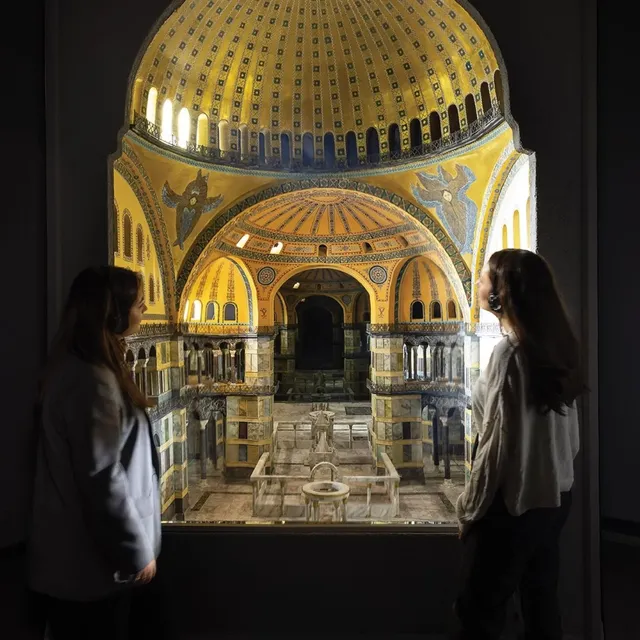
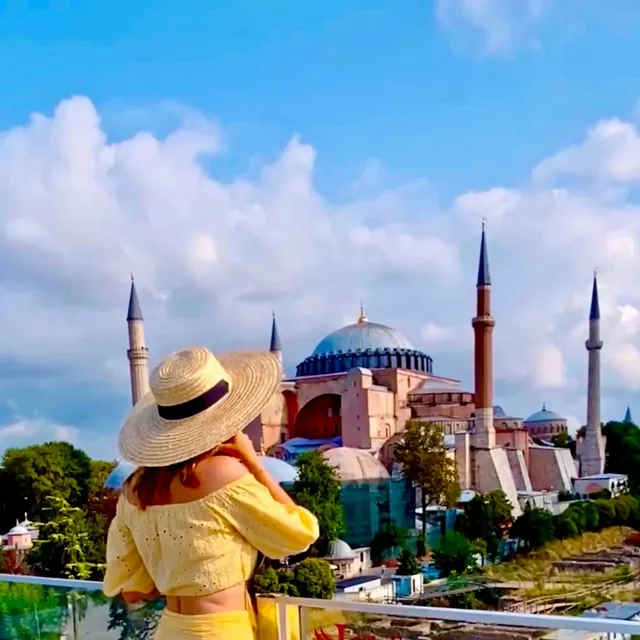
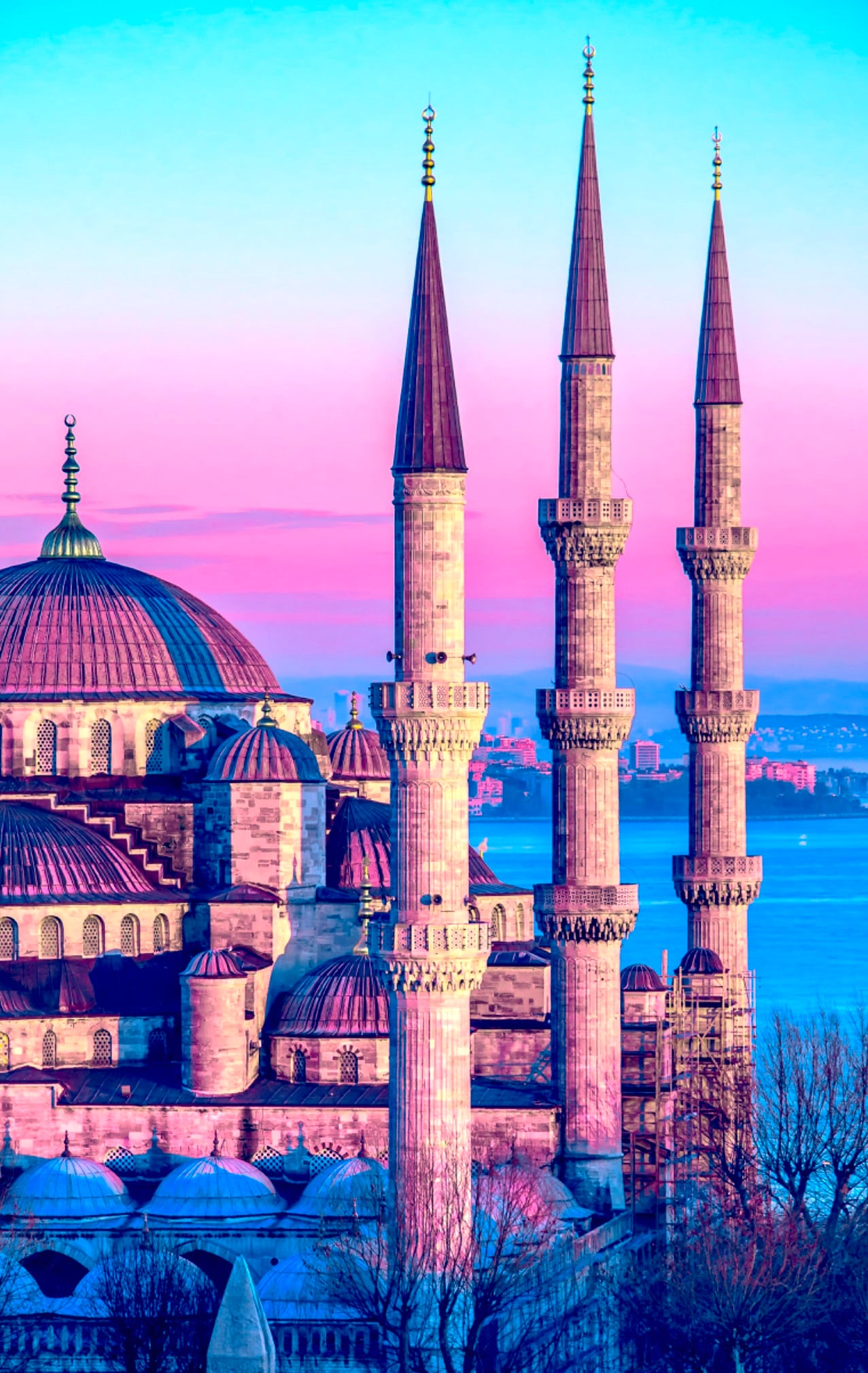
The article notes that every year more than 10 million visitors come to Istanbul for tourism. With world-famous attractions such as Hagia Sophia and the city’s historic districts, the visitor economy remains an important part of Istanbul’s appeal. For general historical context, see UNESCO.
At the same time, tourism is not a field where success is automatic. Service quality, professionalism, and flexibility matter. Although many agencies and tourism companies operate in the city, the market can still hold more businesses because some agencies open and close after a short time due to poor service or lack of experience. For that reason, anyone entering tourism in Istanbul needs a capable and experienced team.
Technology and innovation opportunities
The technology field is also presented as an option for investment in Istanbul. Although Turkey is a G20 member and has advanced in many areas, the text argues that the country did not focus heavily on technology until recent years. More recently, government attention and investment in technology have increased, and companies have been encouraged to develop solutions that improve services and infrastructure through advanced technology.
One example mentioned is that Turkey has been able to create its first fully Turkish-made electric sports car, described as capable of competing with famous brands from Japan and Europe. Based on this direction, technology is portrayed as a promising field for investors who want to take part in a market that is opening up to more technology-based ideas. For broader background on Turkey, see Britannica.
Food, trade, logistics, and other sectors
Beyond real estate, tourism, and technology, Istanbul also offers opportunities in the food industry, trading, logistics, and many other business areas. The main reason given is the nature of the market itself: Istanbul’s consumption level is high enough to make many businesses potentially worthwhile.
This does not mean every venture will succeed automatically. The core advice remains simple and practical: research the market carefully and study the sector well before entering. In a city as large and competitive as Istanbul, preparation matters.
Government support and investor incentives
Overall, businesspeople, investors, international companies, and individuals interested in investing in Istanbul or elsewhere in Turkey are described as being encouraged by the Turkish government. According to the text, this support can include facilitating the investment process, offering support on taxes and raw materials for some businesses, and in some cases partnering with investors for mutual growth.
The article also mentions a route to Turkish citizenship for investors: investing 500 thousand US dollars or buying a house worth 250 thousand US dollars. Because thresholds and rules can change over time, it is best to check the official site before making decisions. For official public information in Turkey, consult relevant .gov.tr resources.
According to the text, this opportunity has encouraged many people to invest and buy houses, especially after learning about the support available. That growing interest is presented as one more reason why real estate continues to be viewed as a profitable field in Turkey and in Istanbul in particular.
Final thoughts on istanbul investments
Istanbul remains one of the region’s most dynamic business environments. Its long trading history, active tourism market, ongoing development, and broad consumer base all contribute to investor interest. Real estate, tourism, technology, food, trade, and logistics are all presented as sectors with potential.
The main takeaway is clear: Istanbul can offer profitable opportunities, but success depends on choosing the right field, understanding the market, and entering with a solid plan and experienced support.
FAQ
Which sector is considered the most attractive for investment in Istanbul?
According to the article, real estate is currently seen as the most attractive field, especially because Istanbul keeps expanding with new districts, residential compounds, commercial centers, and shopping malls.
Is tourism still a good business area in Istanbul?
Yes. The text describes tourism as an active market that continues even in difficult periods. However, it also stresses that success depends on professionalism, flexibility, and providing good service with an experienced team.
Why is technology mentioned as a growing investment field?
The article says Turkey has increased its focus on technology in recent years. With more support for innovation and infrastructure improvements, technology-based ideas are presented as a beneficial area for investors.
Are there investment opportunities beyond real estate and tourism?
Yes. The text also highlights food, trade, logistics, and other businesses, arguing that Istanbul’s high level of consumption helps create opportunities across many sectors when the market is studied properly.
Can investment in Turkey lead to citizenship?
The article mentions citizenship-related investment thresholds, but such rules may change. Anyone considering this route should verify the latest requirements through official Turkish government sources before proceeding.