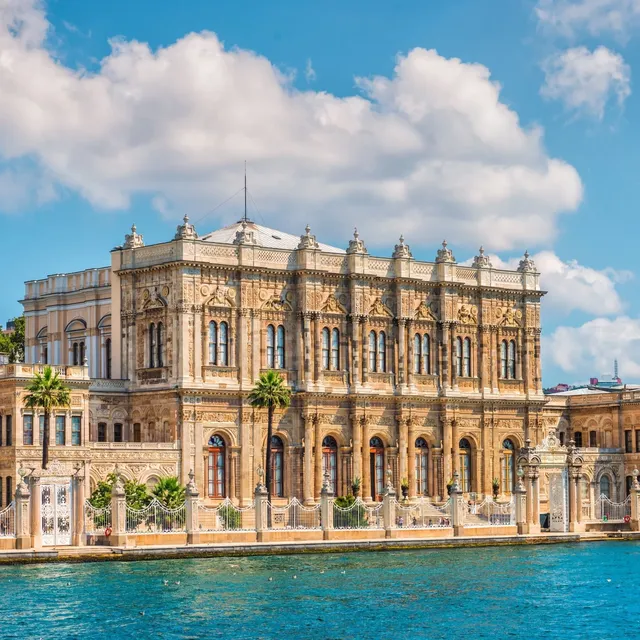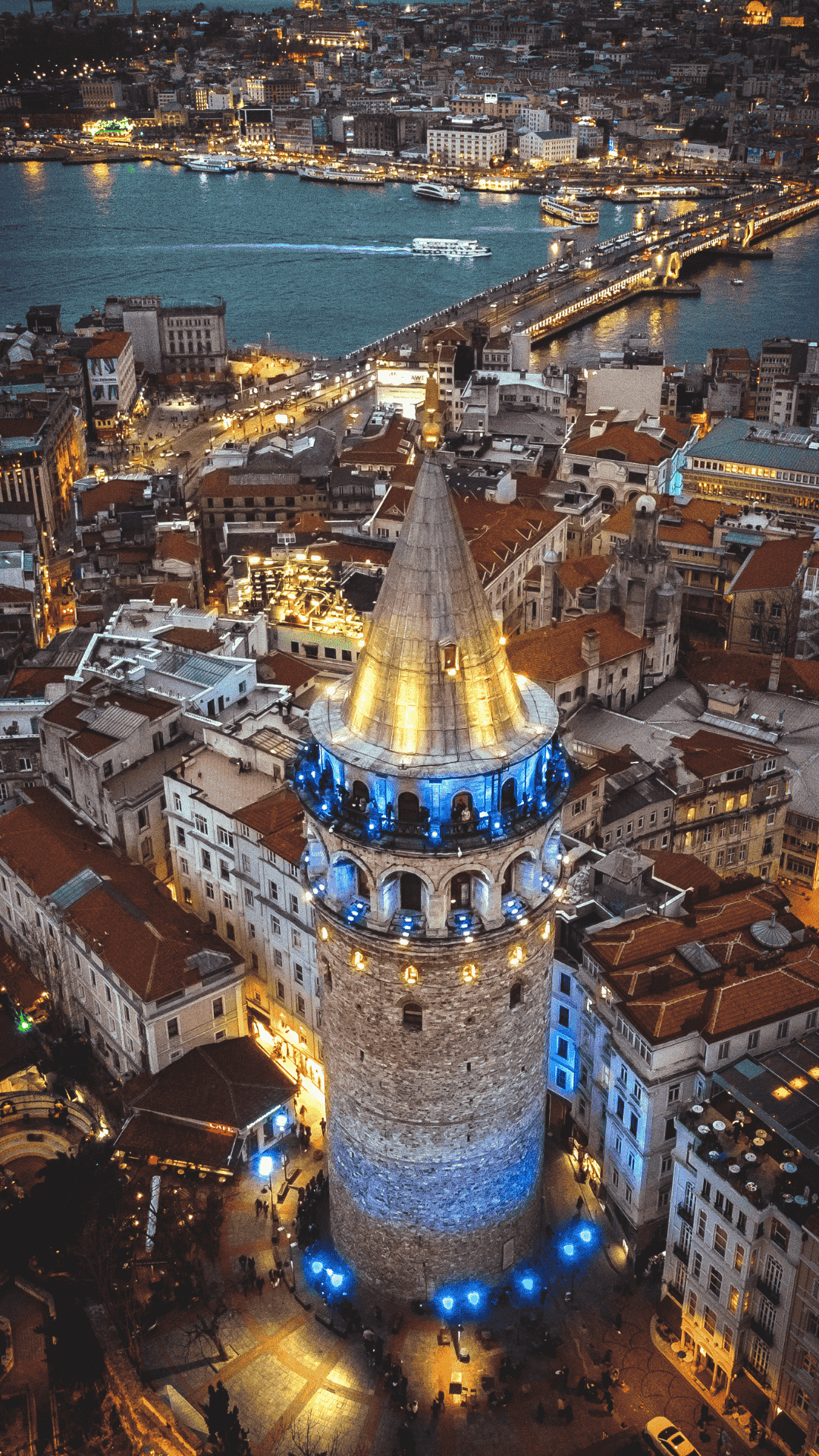
Beylerbeyi Palace is one of the most elegant imperial residences on Istanbul’s Asian side, located in Üsküdar with a commanding view of the Bosphorus. Built as an Ottoman summer palace and later used as a state guest residence, it stands out for its waterfront setting, refined interiors, and gardens. If you are planning a visit, it is wise to check the latest opening times and ticket information on the official site before you go, as schedules and fees may change.
Beylerbeyi Palace opening hours and visitor information
This impressive museum is located in the district of Üsküdar on the Asian side. Earlier information in circulation lists different visiting schedules for the palace, including 09:30–16:00 with Monday closure, and also 09:00–17:00 except Mondays and Thursdays, or 09:30–17:30 except Monday and Thursday. Because these timings vary across sources and may change seasonally, visitors should check the official National Palaces website before visiting.
There is an entrance fee for the palace with several variations for students, adults, and discounted groups. Earlier published information mentions that the Beylerbeyi entrance fee was not higher than other well-known museums in Istanbul, and one older source lists museum admission as 20 TRY. As ticket prices can become outdated quickly, it is best to confirm the current fee on the official site.
It is possible to arrange a Beylerbeyi Palace tour separately or include it in a broader sightseeing program. Many visitors also pair the palace with a Bosphorus Cruise, which helps place the building in the wider shoreline panorama of imperial palaces, waterside mansions, and bridges.
Beylerbeyi Palace history
Beylerbeyi Palace history goes back to the first decades of the 19th century, when Sultan Mahmud II ordered an earlier wooden palace on this site. That original structure was later destroyed by fire. The present palace was commissioned by Sultan Abdülaziz and built between 1861 and 1865. The architects were Agop and Sarkis Balyan.
The palace was designed to host the royals as a summer residence while also serving as a guesthouse for visiting heads of state and dignitaries. Among the best-known visitors was Empress Eugénie of France. The Duke and Duchess of Windsor are also mentioned among the notable guests associated with Beylerbeyi Palace in later years. This imperial summer house also accommodated Sultan Abdulhamid II for six years until his death.
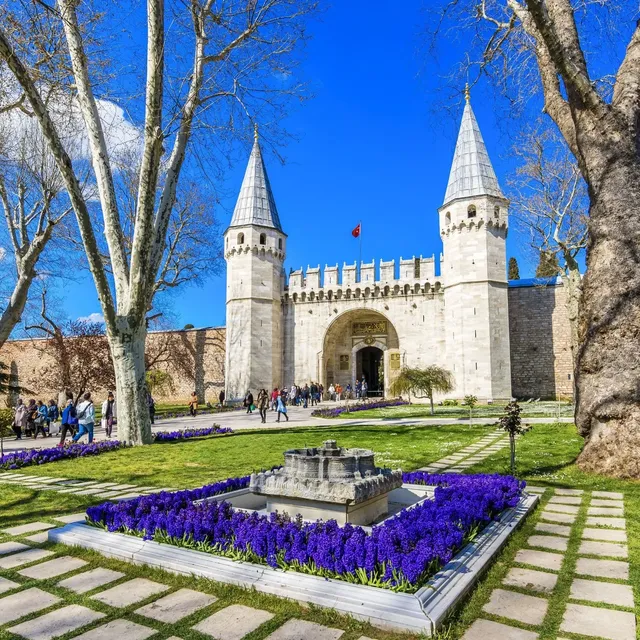
Having been open to visitors since 1984 according to the existing text, the palace remains one of the important places to understand late Ottoman court life outside the Historical Peninsula, where sites such as Topkapi Palace represent an earlier imperial era.
Beylerbeyi Palace interior style
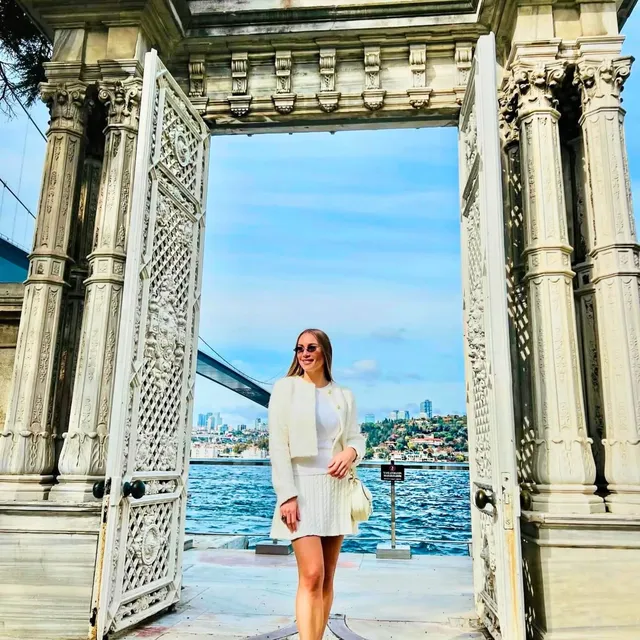
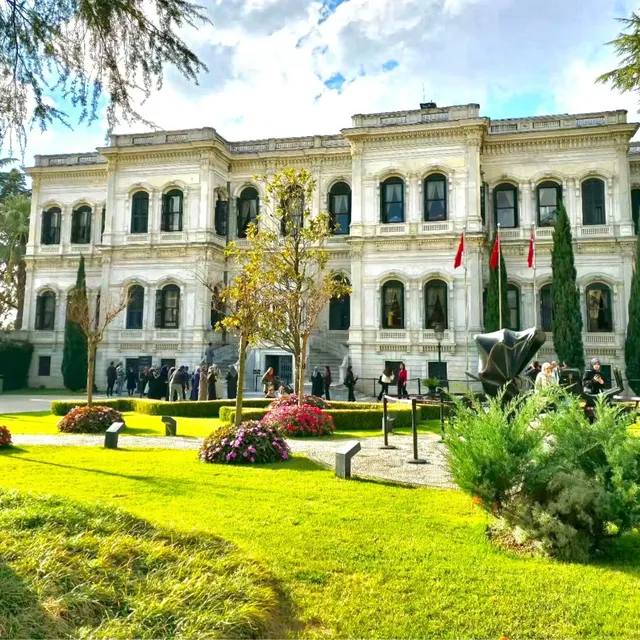
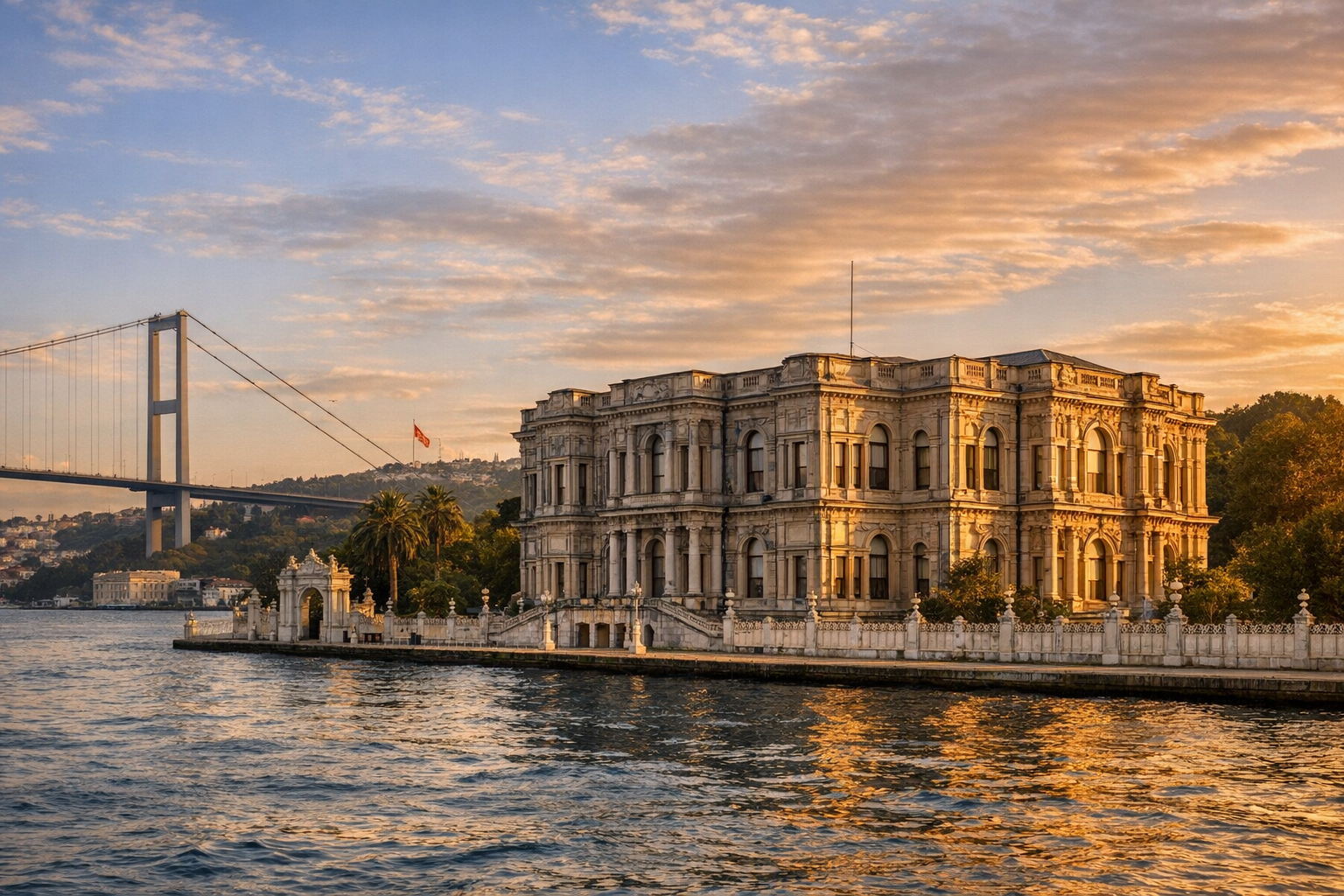
Beylerbeyi Palace takes its name from a Turkish expression meaning “Lord of the Lords,” a title connected with high authority. That sense of prestige is reflected in both the architecture and decoration. The palace follows a traditional Ottoman house plan while also showing clear European influence. Its long rectangular form opens toward the Bosphorus through its windows and garden frontage.
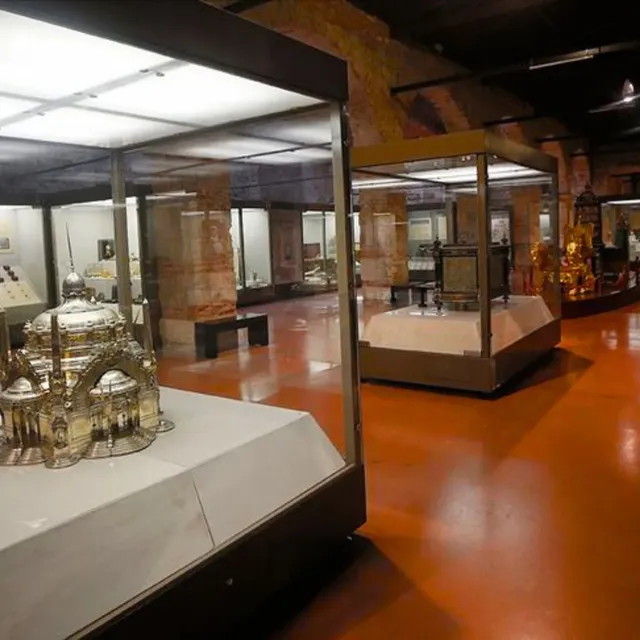
The marble exterior gives way to interiors with a stronger use of wood and brick. The decoration combines Ottoman taste with western ornamentation. The floors were covered with Egyptian matting to protect against humidity. Inside, visitors can see or read of details such as Hereke carpets, French clocks, Turkish and Chinese porcelain, Bohemian crystal chandeliers, ornate chairs, preserved curtains, and decorative furnishings that convey elegance and imperial display.
One of the most striking features of the palace is the blend of Turkish and eastern motifs with western ornamental elements in both the façade and interior spaces. In the three-storey palace, there are 26 rooms and 6 halls. One of the halls in the middle of the palace contains a pool, adding to the cooling and ceremonial atmosphere of the residence.
Beylerbeyi Palace garden and grounds
The palace complex is described in the existing text as covering a 2500 m2 area including the residence and its garden. Beylerbeyi Palace Museum is known for its greenery, wide variety of flora, and its calm atmosphere by the Bosphorus. The garden contributes strongly to the palace’s identity as a summer retreat.
Among the notable outdoor features are two small tea kiosks and a historic tunnel behind the building that connects two pavilions: the Yellow Kiosk by the pool on the upper terrace and the Marble Kiosk with its interior fountain. Water elements, terraces, and the overall garden design reinforce the sense of leisure, prestige, and comfort associated with Ottoman palace life. Existing descriptions also mention verandas, horse stables, and a large pool behind the palace.
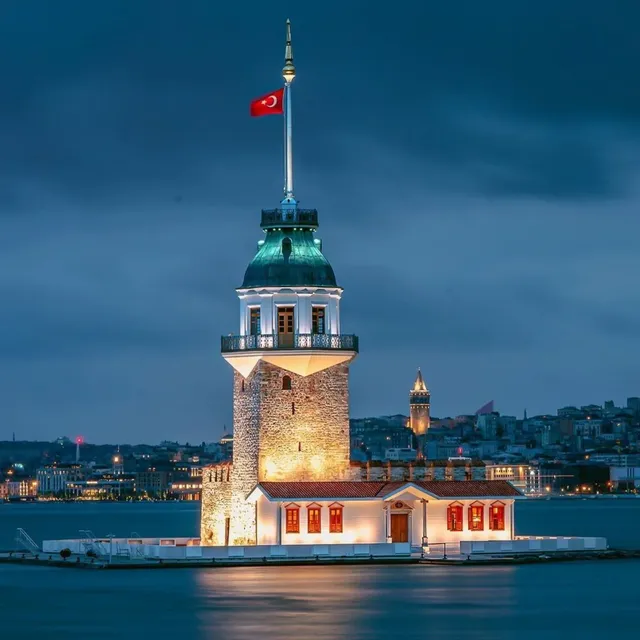
The palace is worth seeing not only for its rooms but also for the memories of the historical figures who stayed there and for the way it reflects Ottoman style along the Bosphorus. If you are exploring this side of the city, it also pairs naturally with nearby waterfront landmarks such as Maiden's Tower or with a scenic crossing of the strait.
How to get to Beylerbeyi Palace
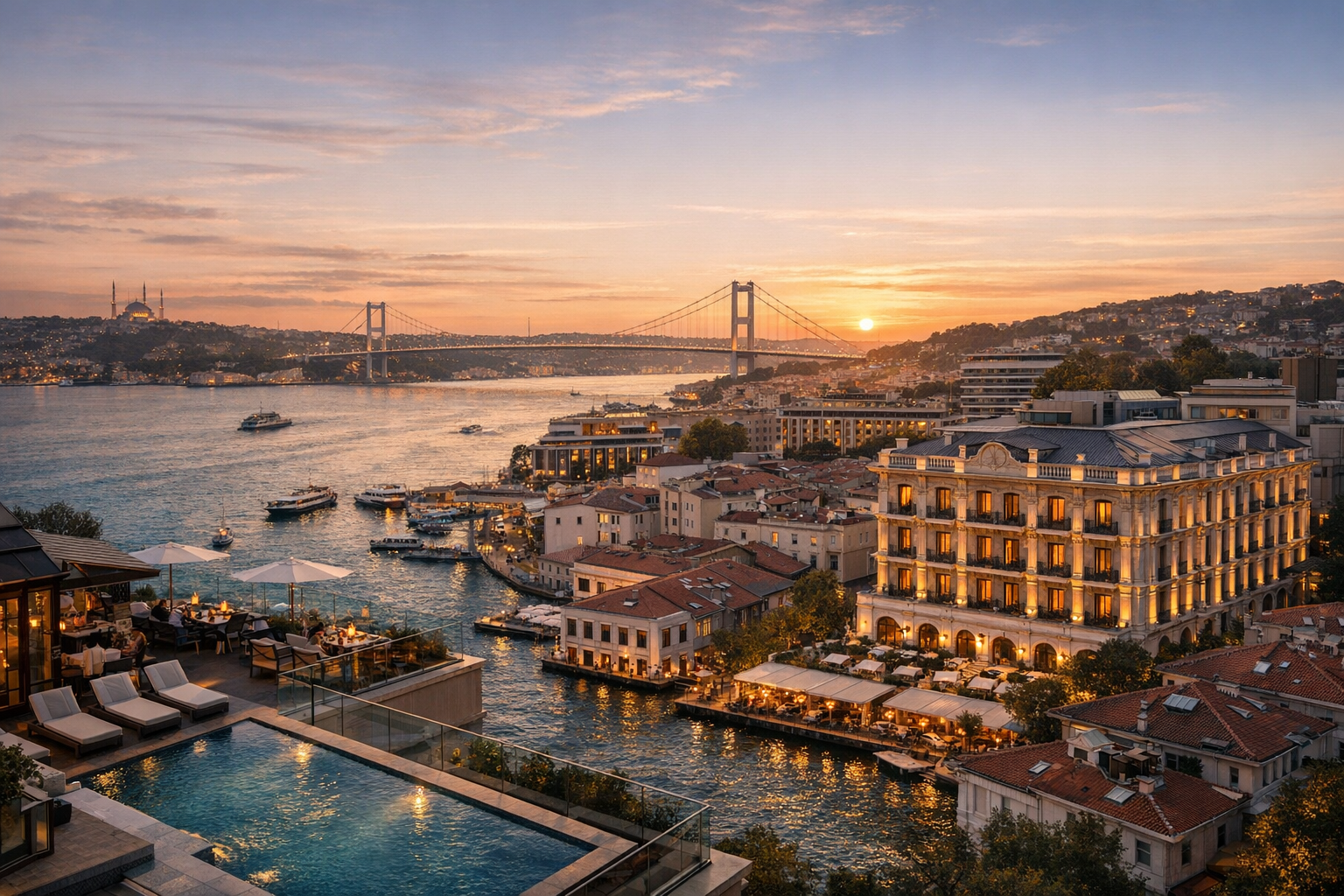
It is easy to find a route to Beylerbeyi Palace, as there is public transport from Üsküdar and Kadıköy. The palace is located beneath the Bosphorus Bridge on the Asian side, in one of Istanbul’s historically privileged waterfront districts.
For practical journey planning, visitors can check public transport routes on official city transport tools such as IETT. Since traffic conditions and lines can change, checking the latest route before departure is recommended.
Why visit Beylerbeyi Palace
Beylerbeyi Palace reflects the splendid life of the Ottomans through its waterfront location, ceremonial halls, preserved furnishings, and layered architectural style. It is smaller and more intimate than some of Istanbul’s better-known imperial complexes, yet this is precisely part of its appeal. Visitors interested in Ottoman daily life, courtly hospitality, and Bosphorus architecture often find it especially rewarding.
Its location on the Anatolian side also gives it a different atmosphere from monuments in the historic center. For travelers who have already seen places like Dolmabahce Palace, Beylerbeyi offers a complementary perspective on 19th-century Ottoman taste and royal residence culture.