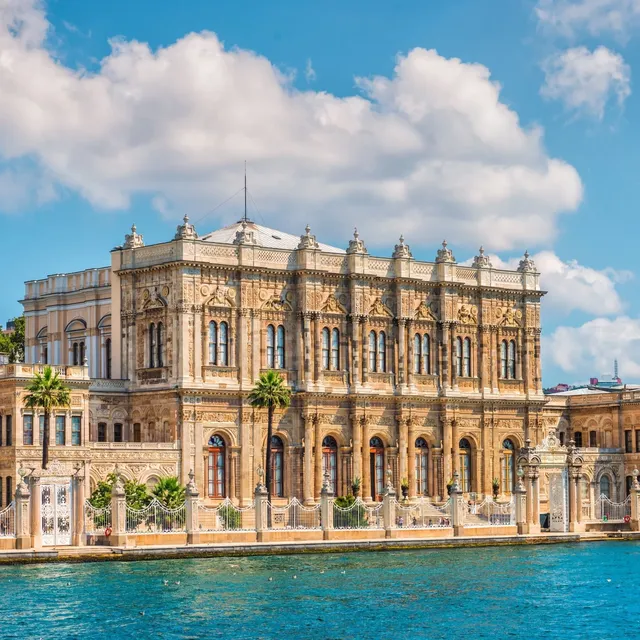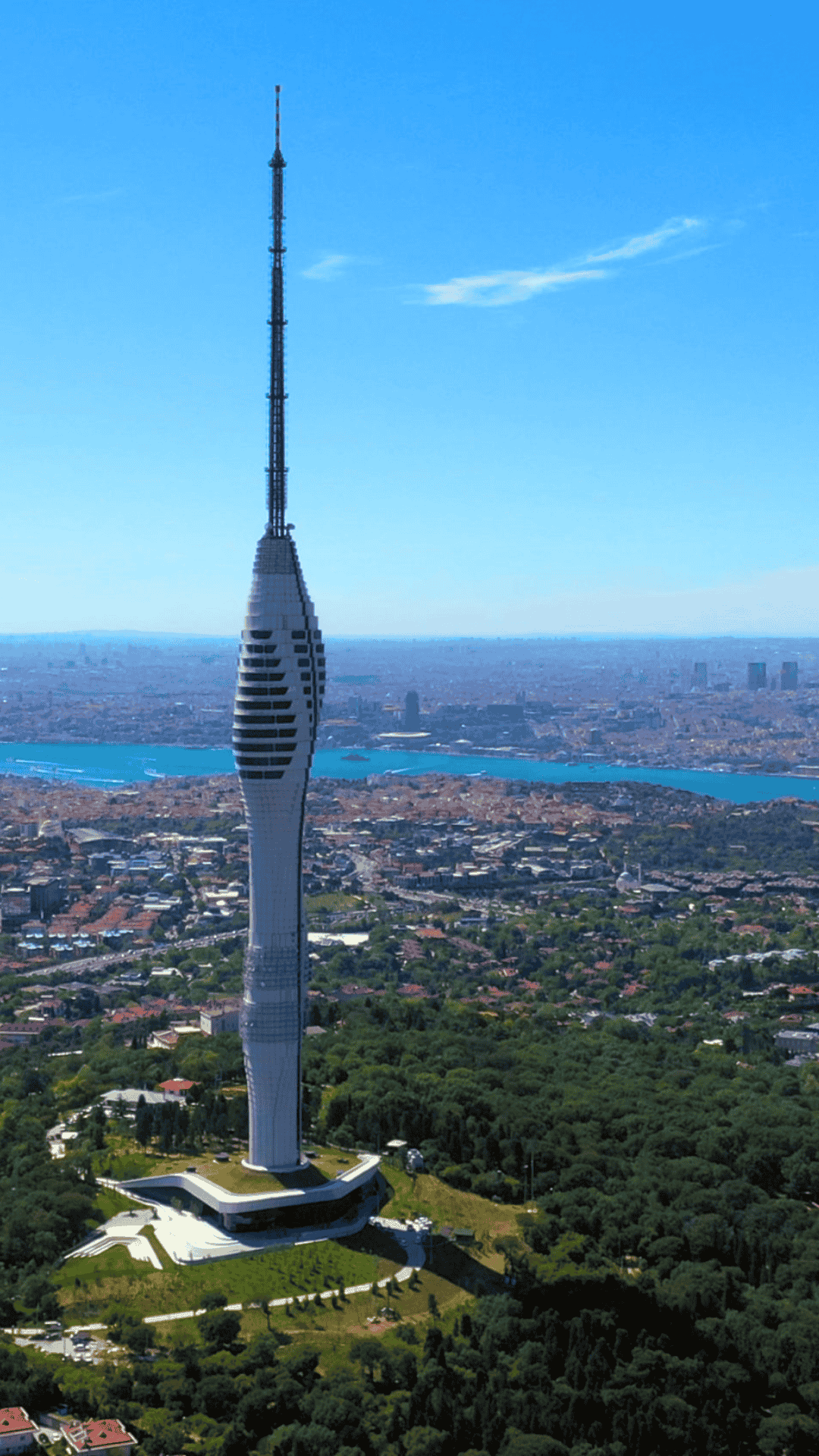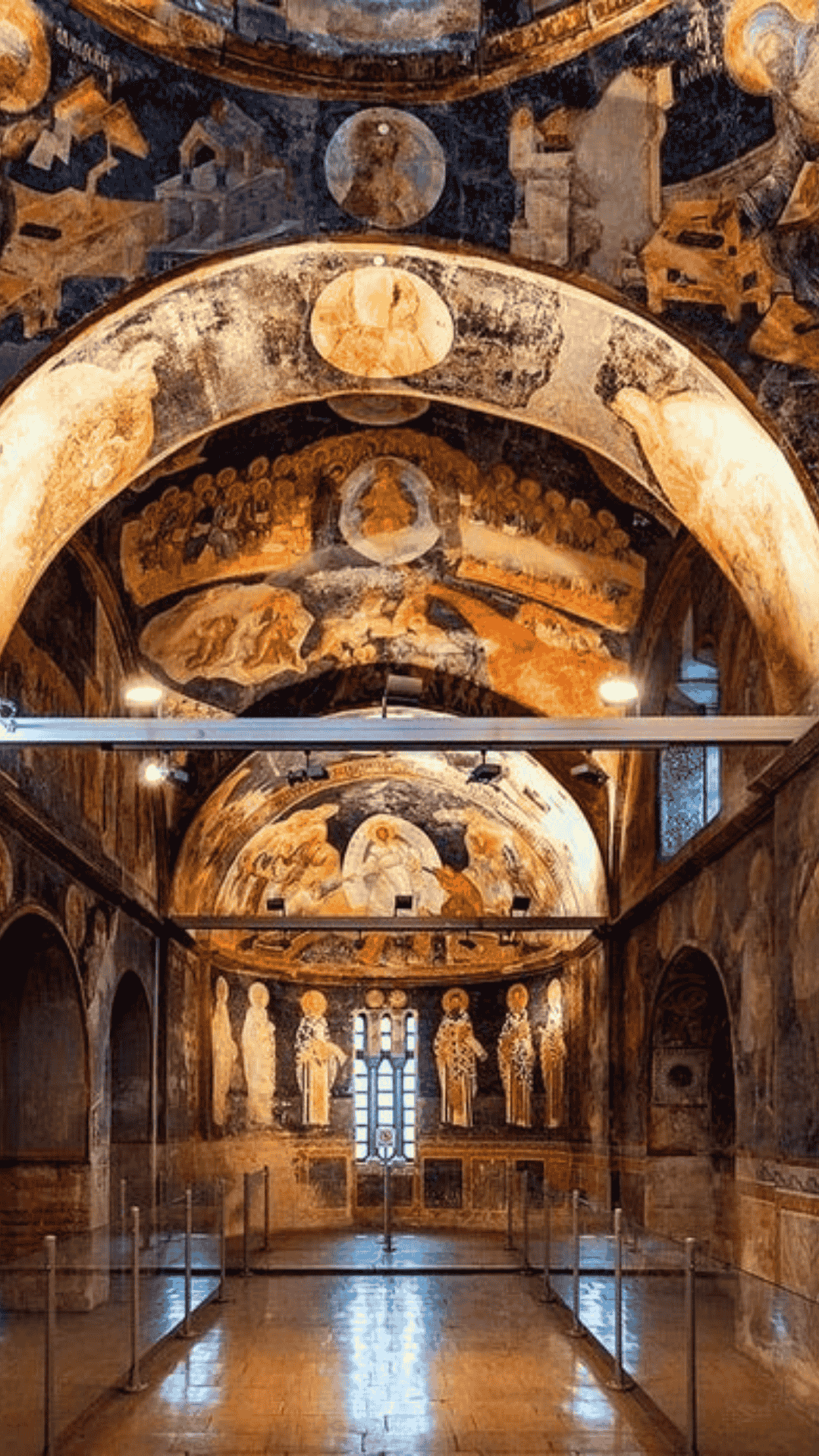
When we research the city’s past, we see that both the Byzantine Empire and the Ottoman Empire cherished Istanbul and used it as a capital. Yet the story of the city does not begin there. The layers of history visible today make Istanbul a place where visitors can trace a much earlier past as well.
First Civilizations in Istanbul before Byzantium
If we are talking about the history of Istanbul, we naturally speak of the Roman and Byzantine empires. Still, according to research, life in Istanbul dates back to the polished stone age. Even so, it is generally accepted that the Megarians carried out the best-known early provincial settlement. According to the first recorded information in the post-historical period, this ancient Greek city-state was among the earliest known owners of Istanbul.
Istanbul later came under Roman rule and then, in succession, experienced the domination of the Byzantine, Latin, and Ottoman empires before becoming part of the Republic of Turkey. What this tells us is simple: regardless of who ruled it, Istanbul has always been an important city both politically and socially. Its beauty, strategic location, and cultural depth continue to attract attention from all over the world.
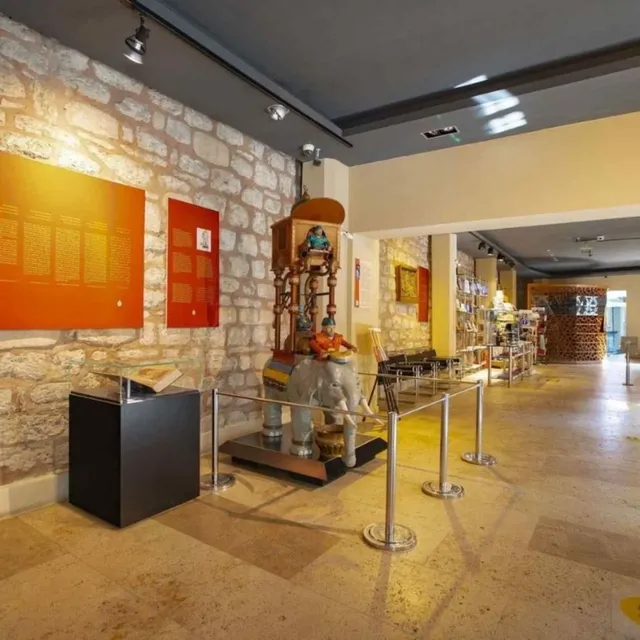
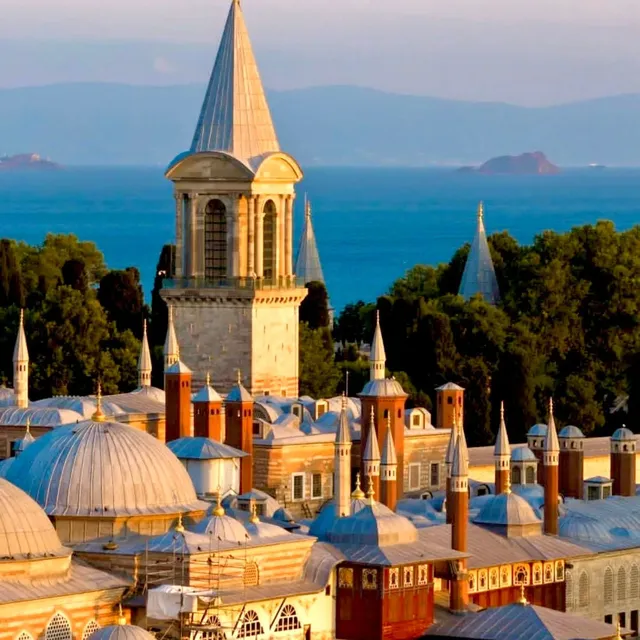
To understand these early layers better, it is helpful to explore places where the city’s oldest memories survive in stone, mosaics, and underground structures. The collections at the Istanbul Archaeology Museums are especially valuable for anyone interested in the city’s deep past.
Places to Witness the History of Istanbul
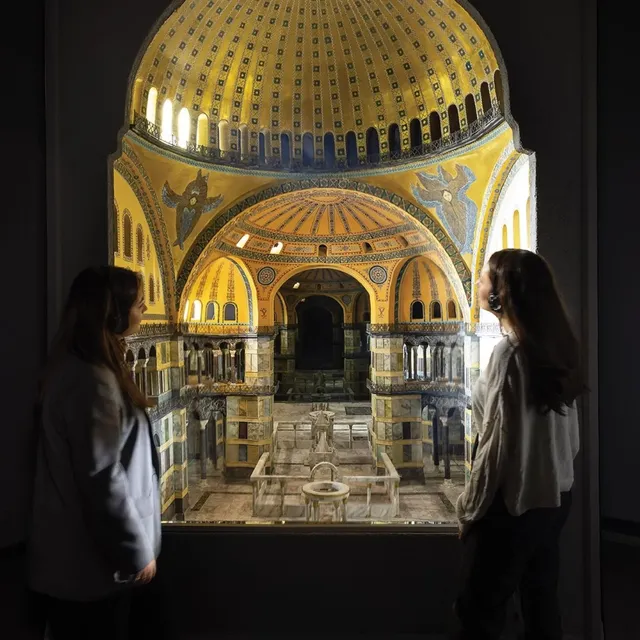
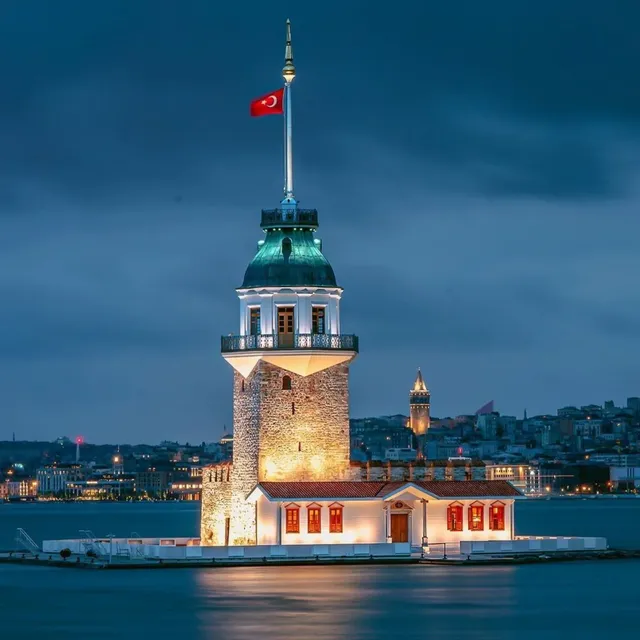
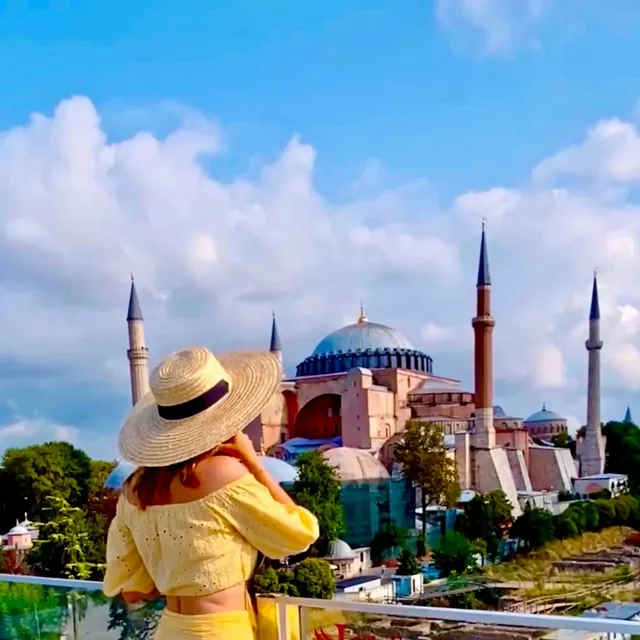
Undoubtedly, one of the best ways to gain extensive information about Istanbul is to visit its historical places and museums. A strong starting point is Hagia Sophia, which was once an Eastern Roman church and remains one of the city’s defining monuments. Maiden's Tower, rising in the Bosphorus, should also be high on the list because of both its historical structure and magnificent appearance.
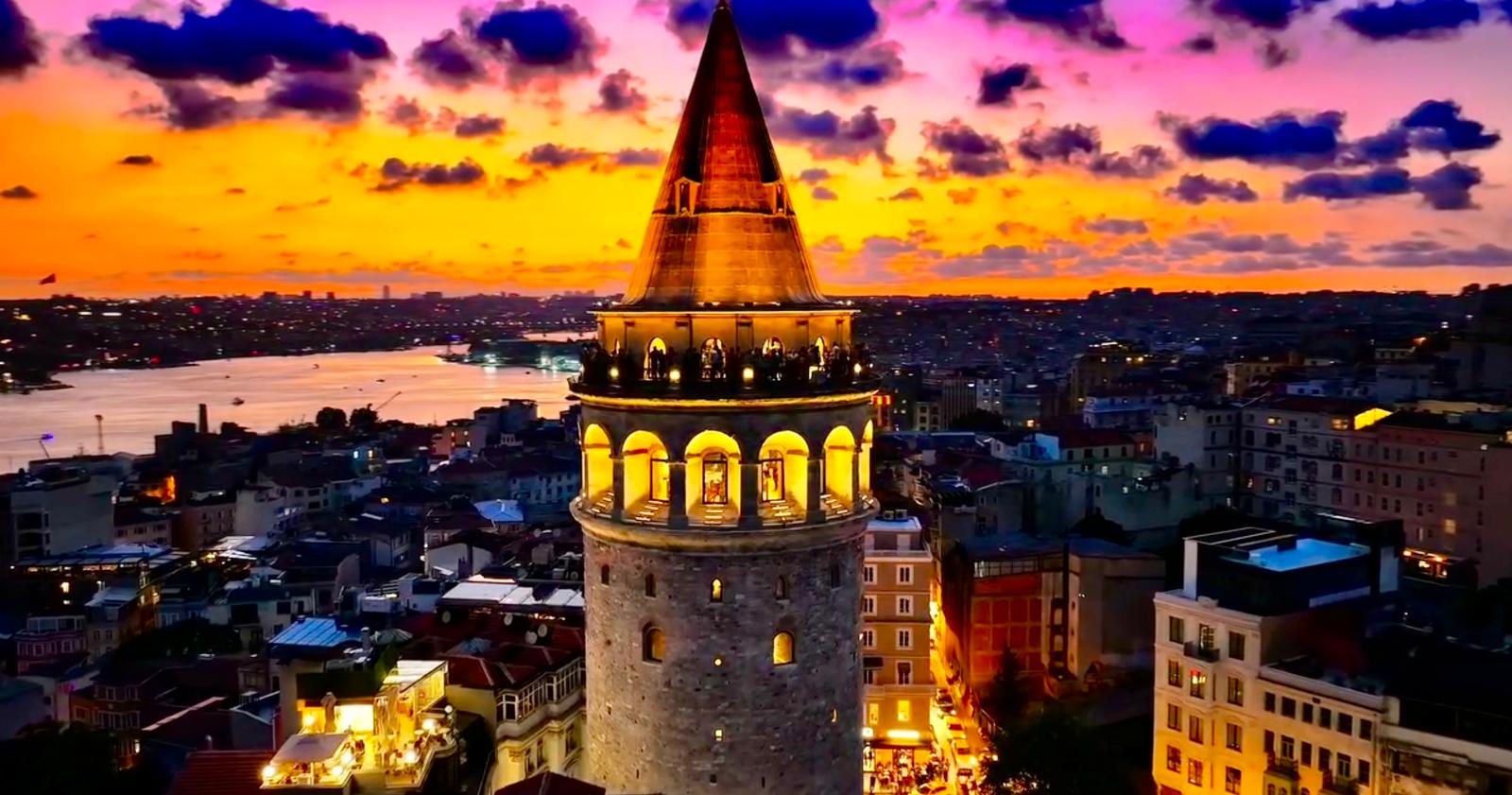
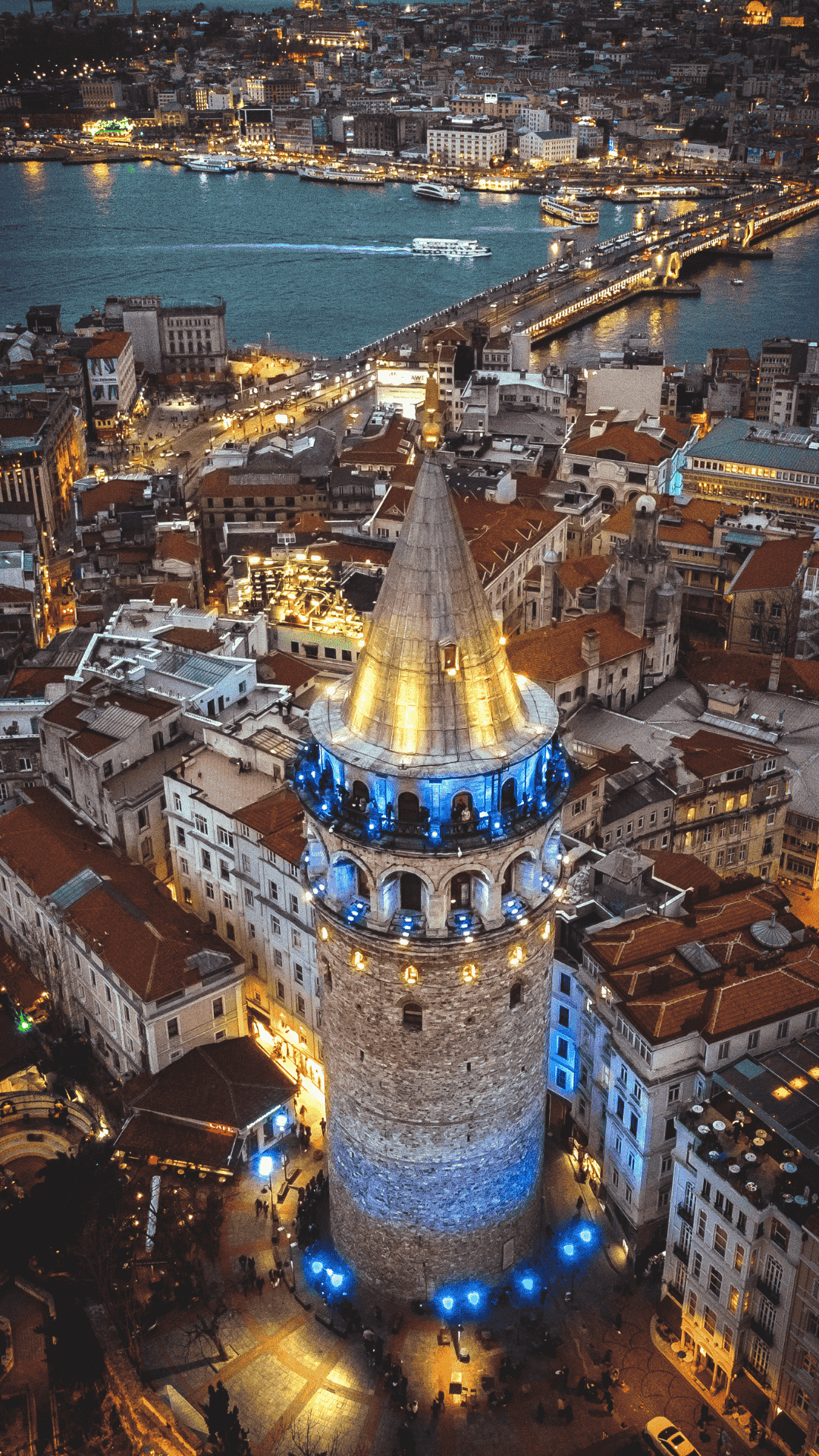
Another important stop is Galata Tower, one of Istanbul’s best-known landmarks. The Great Palace Mosaics Museum, another place connected with the Roman period, can also serve as an excellent guide for travelers who want to understand the city more deeply. Binbirdirek Cistern, a work associated with the Constantine period, is also among the places worth seeing. In addition, the Archaeology Museum serves as a treasure trove for the history of Istanbul.
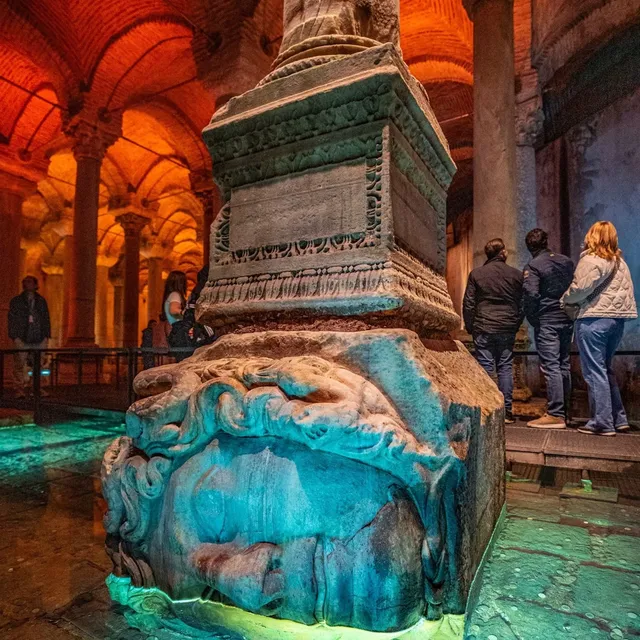
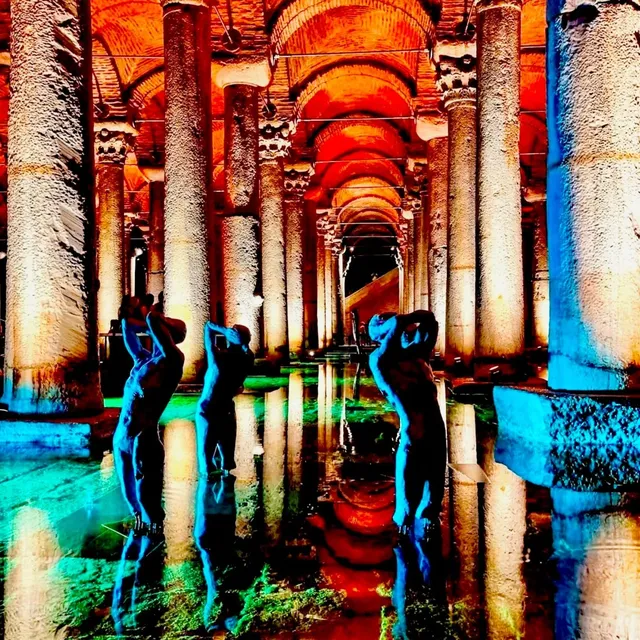
Last but not least, one of the first places to see in Istanbul is the Basilica Cistern, famous for storing enormous quantities of water. Along with these, the Theodosius Obelisk and Bozdoğan Kemer are among the Byzantine-period works that deserve attention. Visiting such monuments offers a broad perspective on Istanbul and on the Roman and Byzantine empires that shaped it.
For broader historical background, the overview of Istanbul on Britannica can also be helpful. Travelers interested in the city’s globally recognized heritage may also want to see UNESCO’s page on the Historic Areas of Istanbul.
Stories of Legendary Places in Istanbul

Maiden's Tower, one of the examples mentioned above, was strengthened during the Byzantine Empire and used for different purposes for centuries. It is also associated with a sad legend. According to the story, a young man named Leandros secretly meets his lover Heros in this tower. One night, when he sees a light on the tower, he believes his lover has sent him a sign and heads toward it across the sea. But someone else who knows about their secret meetings turns the light off after a while. As a result, Leandros dies, and his lover throws herself into the cold waters of the sea.
There is also a popular legend connected to Galata Tower, described here as a Roman structure. According to the belief, a couple who climbs the tower together will marry and live happily ever after. Still, if they are not destined for one another, they will encounter an obstacle and never marry. In another common story, Galata Tower and Maiden's Tower are imagined as lovers separated by the Bosphorus. Since the strait is an obstacle between them, it is said that Hezarfan Ahmet Çelebi, famous for his dream of flying with wings, carried their letters to each other. This legend adds a poetic harmony to two of Istanbul’s most beloved landmarks.
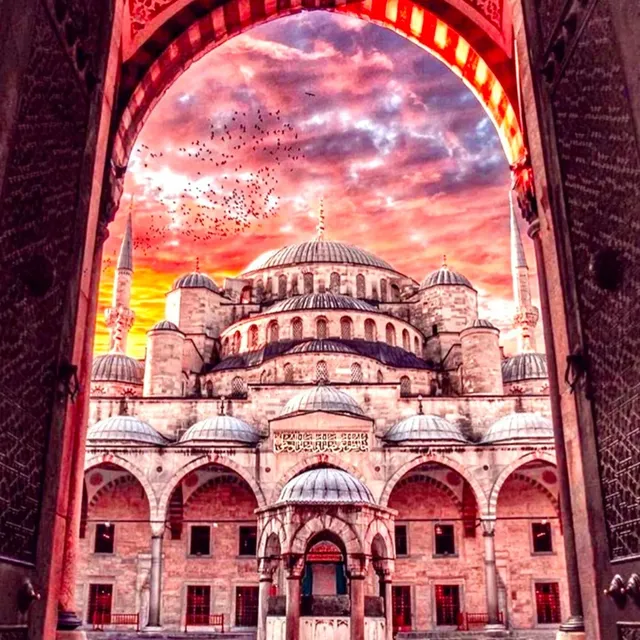
All these legends aside, these places are worth visiting for both their visual beauty and their historical atmosphere. They help connect the city’s monumental past with the stories that people still tell about it today.
Why This Early History Still Matters
Looking at Istanbul before Byzantium helps explain why the city remained central for so many civilizations. Its early settlements, later Roman growth, and eventually Byzantine transformation all point to the same truth: Istanbul has long been more than a single empire’s capital. It has been a crossroads of geography, politics, belief, and culture for thousands of years.
For visitors today, this means that every district, museum, tower, and cistern may reveal part of a much larger story. Exploring these places is not only about seeing monuments, but also about understanding how Istanbul became one of the world’s great historic cities.