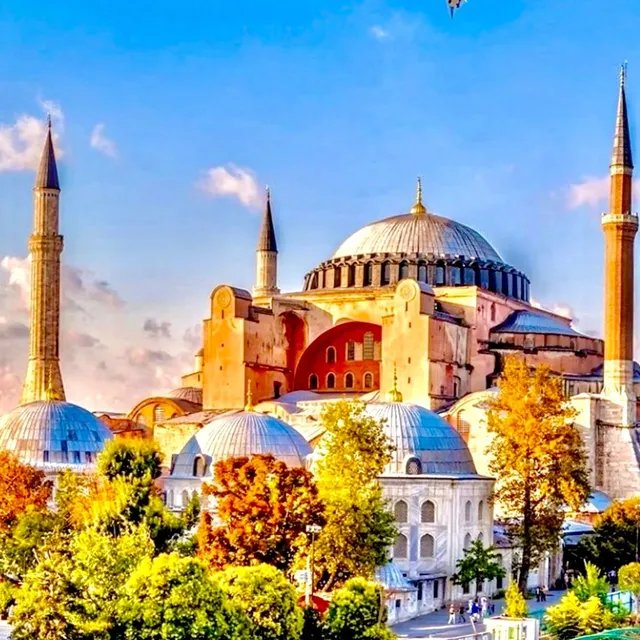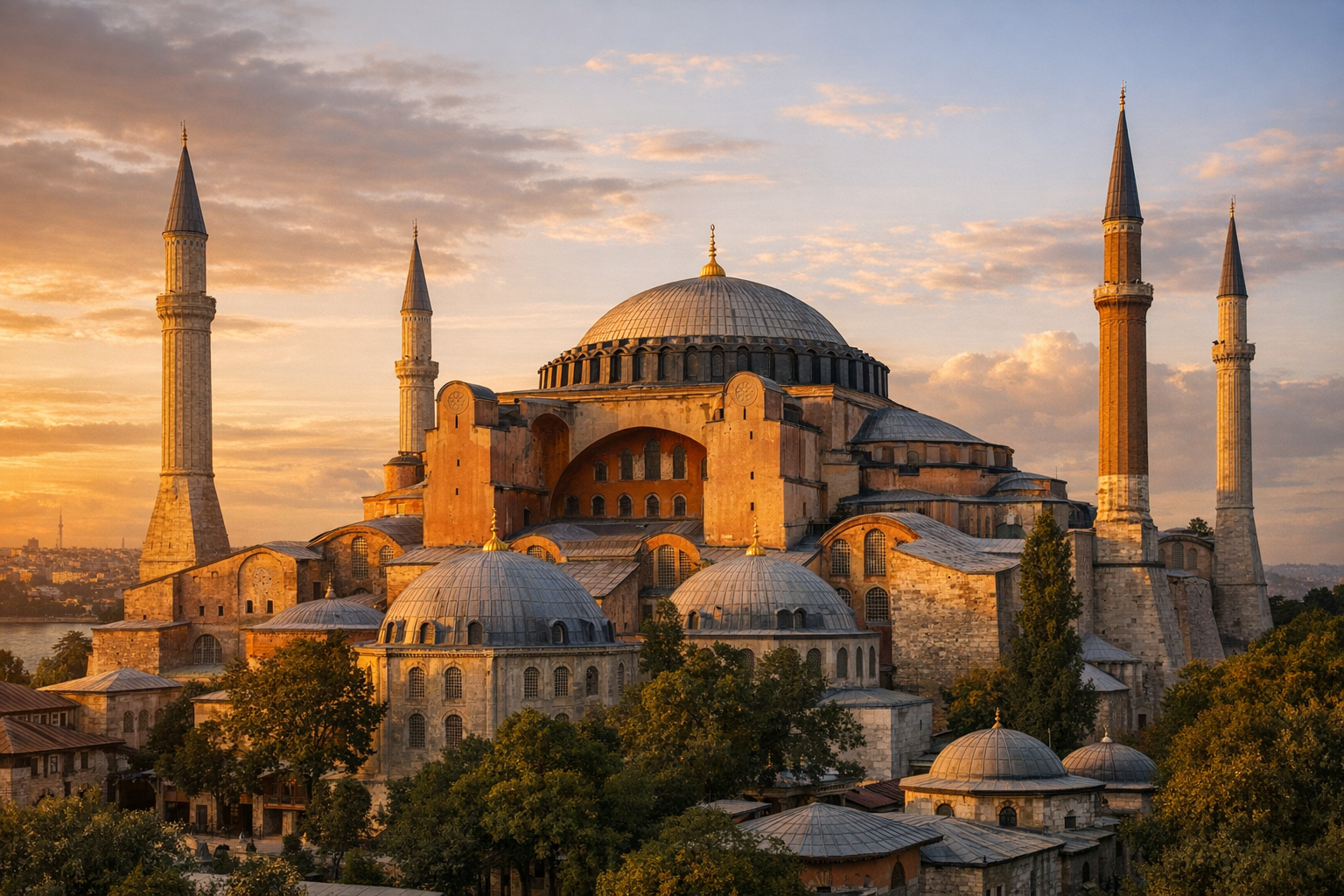
Set in Sultanahmet Square in Istanbul’s Old City, Hagia Sophia has long served as a spiritual and symbolic center for different communities. Its role changed with the city’s ruling powers, first in Byzantine Constantinople and later in Ottoman and modern Turkish history. Positioned in a metropolis that stretches across both Europe and Asia, Hagia Sophia remains one of the clearest expressions of Istanbul’s layered identity.
History of Hagia Sophia in the Turkish era
Known as Ayasofya in Turkish, Hagia Sophia was originally built as a basilica for the Greek Orthodox Christian Church. Its function, however, changed several times over the centuries. In 360 A.D., Byzantine Emperor Constantius commissioned the first Hagia Sophia, at a time when Istanbul was known as Constantinople.
During the Crusades, Constantinople and Hagia Sophia briefly came under Roman authority in the 13th century. The building suffered serious damage during this period, but it was restored after the Byzantines regained control of the city. A new chapter began in 1453, when the Ottomans under Fatih Sultan Mehmed, also known as Mehmed the Conqueror, captured Constantinople. This conquest marked one of the most important turning points in the history of Hagia Sophia and in the wider history of Istanbul.
Renovations of Hagia Sophia
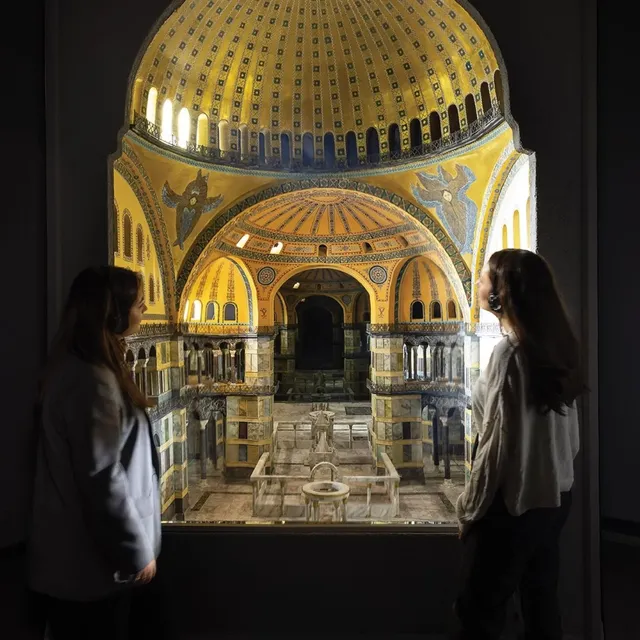
As Islam became the faith of the Ottoman rulers, Hagia Sophia was converted into a mosque. Many original Orthodox-themed mosaics were covered with Islamic calligraphy created by Kazasker Mustafa Izzet. The large medallions placed on the nave columns carry the names of Allah, the Prophet Muhammad, the first four Caliphs, and the Prophet’s two grandsons. The mosaic in the main dome, thought to depict Christ, was also covered with gold calligraphy.
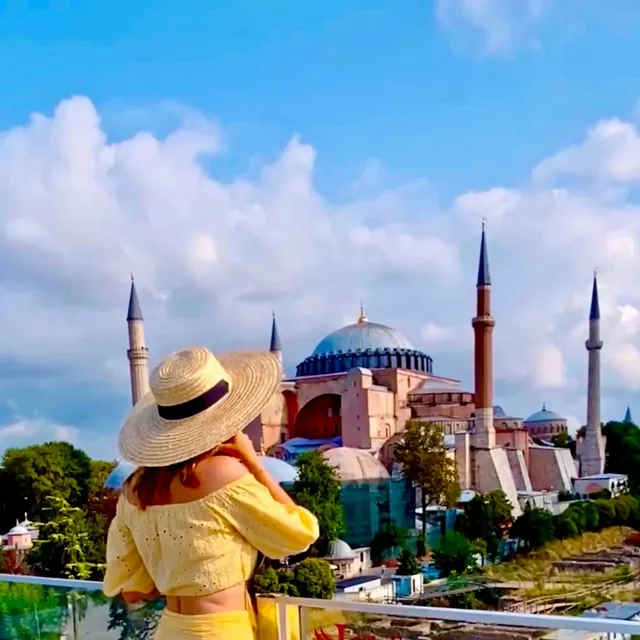
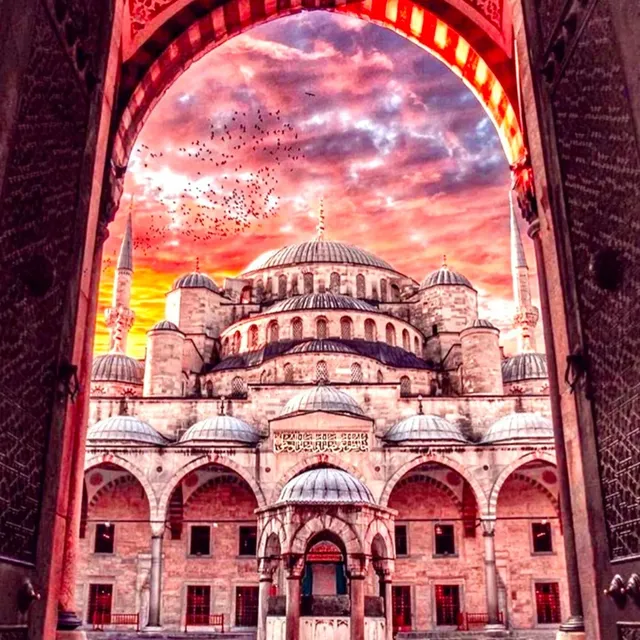
During the Ottoman period, four minarets were added to the original structure. These served a religious purpose for the call to prayer and also helped reinforce the building after earthquakes in the city. Between 1847 and 1849, during the reign of Sultan Abdülmecid, Hagia Sophia underwent major restoration under the supervision of the Swiss architects Gaspare and Giuseppe Fossati. During this renovation, the Hünkâr Mahfili, a separate imperial prayer chamber, was removed and replaced with another one near the mihrab. Visitors exploring nearby landmarks such as the Blue Mosque can still appreciate how closely these monuments speak to one another across the historic skyline.
Hagia Sophia today
Even now, more than 100 years after the end of the Ottoman Empire, Hagia Sophia remains significant in both politics and religion. From 1935 until 2020, the building was maintained as a museum by the Turkish state, nine years after Atatürk founded the Republic of Turkey. Beginning in 2013, some Islamic religious leaders in Turkey called for Hagia Sophia to reopen as a mosque. In July 2020, the Turkish Council of State and President Erdoğan officially reclassified it as a mosque.
This continuing transformation is one reason the history of Hagia Sophia still attracts global attention. It is not simply an architectural monument, but also a living site whose meaning continues to evolve. For broader historical context, UNESCO includes the area within the Historic Areas of Istanbul, underlining its worldwide cultural significance.
Recent changes at Hagia Sophia in 2024
Starting from January 15, 2024, visitors to Hagia Sophia have encountered important changes. A nominal entrance fee of 25 euros was introduced, replacing the former free admission policy. This fee allows access only to the second-floor visitor areas, while entry to the prayer area is restricted. Guided tours are also no longer permitted inside Hagia Sophia.
Visitors should also expect possible queues due to revised capacity management. As admission policies can change, it is wise to check official sources before visiting. For practical updates and general destination information, the GoTürkiye website can be a useful starting point. Even with these changes, Hagia Sophia remains one of the most powerful places to experience the many layers of Istanbul’s past.
Why Hagia Sophia still matters
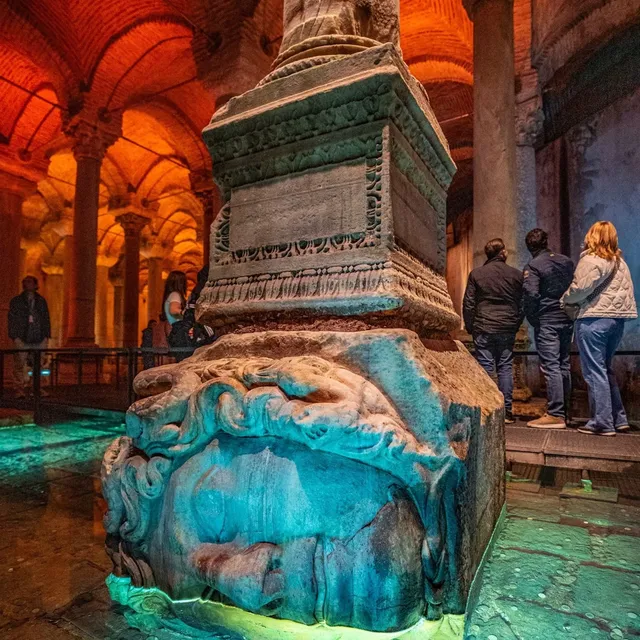
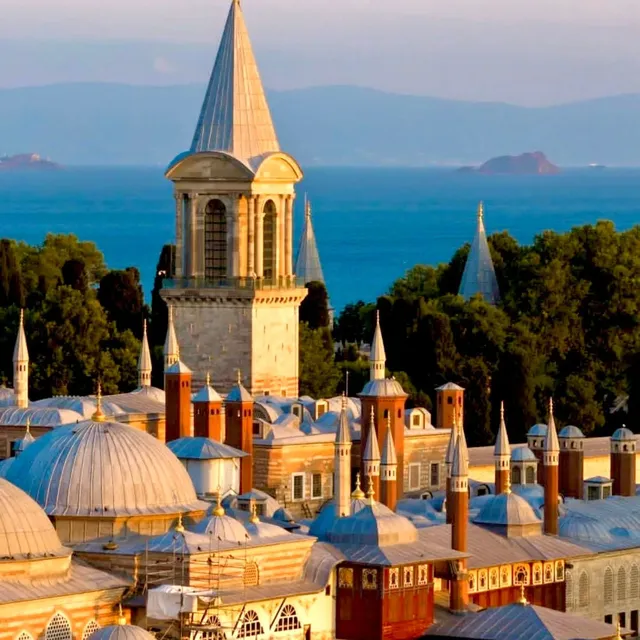
Few places in the world condense so much history into one structure. Hagia Sophia has been a Byzantine church, an Ottoman mosque, a museum, and again a mosque in the modern era. Its walls, mosaics, calligraphy, dome, and minarets reveal the cultural transitions that shaped the city. Paired with nearby sites like the Basilica Cistern and Topkapi-era monuments, it helps explain why Istanbul remains one of the world’s great historical capitals.
For many visitors, Hagia Sophia is not only a stop on a sightseeing route but also a place that brings together the major eras of the city in a single view. That is what makes the history of Hagia Sophia so compelling: it is both local and global, sacred and political, ancient and still changing.