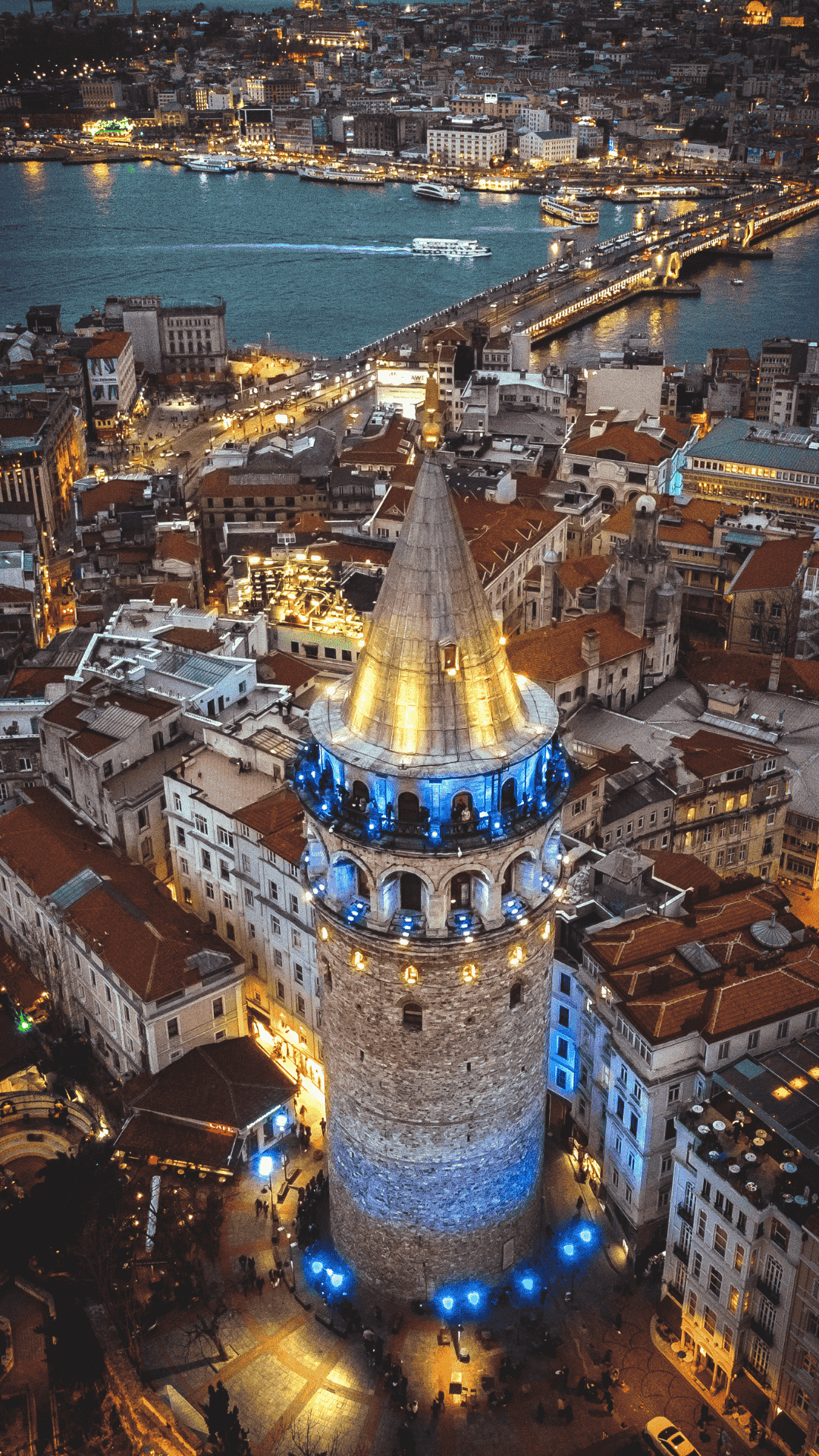
With the establishment of the Republic of Turkey, Istanbul underwent many changes in administration, society, and urban life. After the Ottoman Empire, which could not keep up with the needs of the era and lacked many of the qualities that other countries had continued to develop, this new identity gave Istanbul a distinct place in the stages of history.
Through the modernization process to which Mustafa Kemal Atatürk gave great importance, Istanbul developed a distinct identity as a modern and global city. From an economic and cultural standpoint, Istanbul became the beating heart of modern Turkey. Thanks to its unmatched historical heritage, the city remains important not only for Turkey but also in the eyes of the wider world.
As the host of many international political, cultural, fine arts, and sports organizations, Istanbul has continued to rise among world cities. Moreover, as Turkey’s western gateway, it redefined its former status as an imperial capital by establishing itself as a world-class center for trade, tourism, business, and culture.
Istanbul During Republic of Turkey
Istanbul played a significant role in Westernization efforts. It was not only central to the country’s relationship with the West, but also a center for intellectual and popular development. Over the last two decades, Westernization has been described as a powerful and influential criterion for understanding Turkish society and its historical background.
With the foundation of the Republic of Turkey, the modern Turkish elites desired to distinguish themselves through their perception, education, and profession. This gradually shaped social life. Music, dance, cinema, theater, clothing, sports, eating and drinking, entertainment, and more developed new identities through Westernization. These transformations found a special place in Istanbul, which retained cultural superiority even though Ankara became the political center.
Istanbul’s Layout During the Republican Period
The squares used to introduce a new identity to the city were among the most important local structures that gave Istanbul a modern character. The construction of new squares can be seen in the earliest years of the Republic of Turkey. Beyazıt Square, home to many historical structures, was created as a public open space in 1923–24, with a fountain and pool in the center. This was followed by the designation of Taksim Square as a terminal point that became the city’s symbol and center.
A renowned city planner, Henri Prost, was the first person to design the early layout of the city for 15 years. Various stadiums, boulevards, and opera houses spread throughout the city are among his marks. This formed the first modern layout for the city, and from that point on, Istanbul never stopped growing.
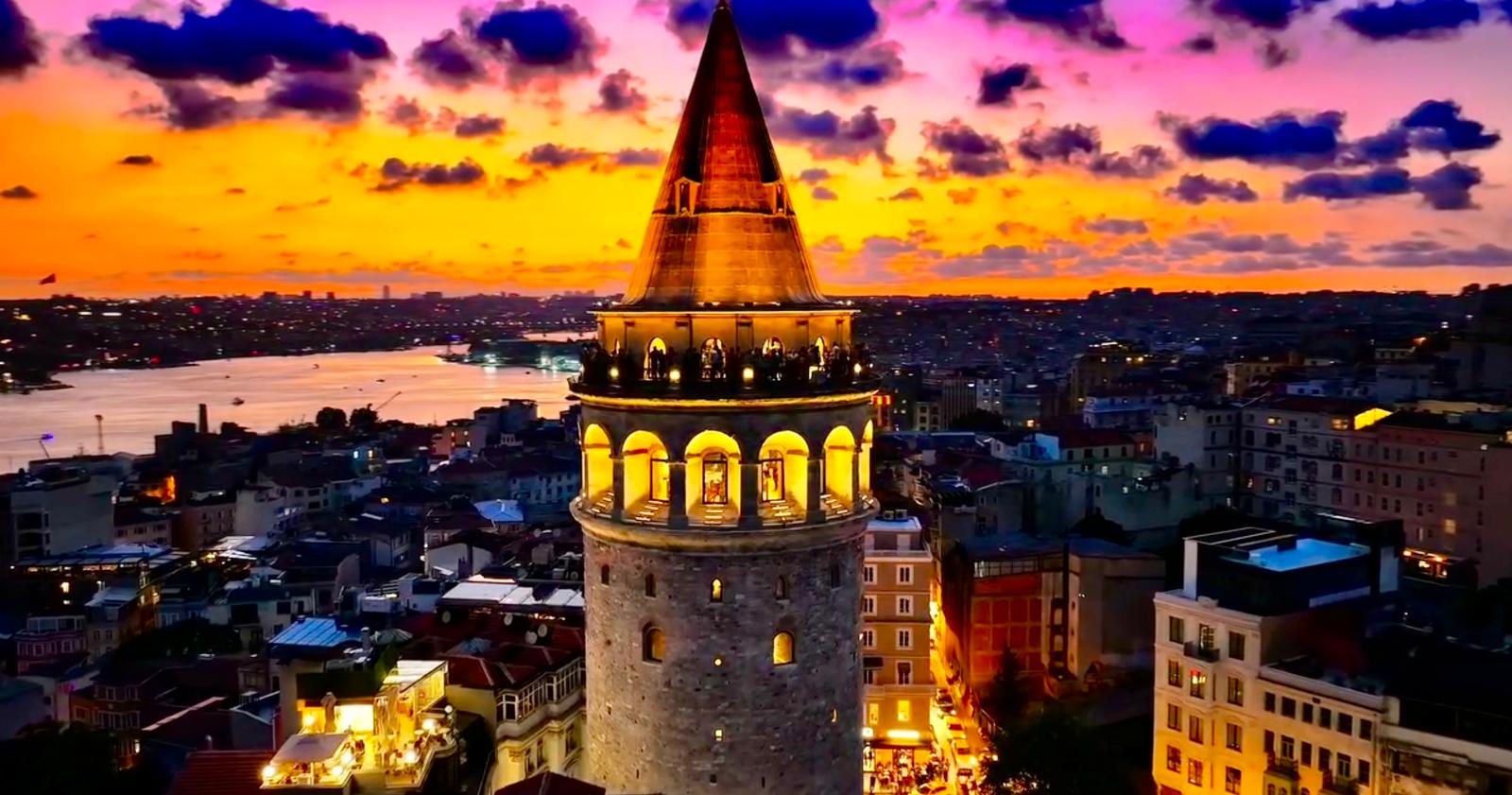
The city’s transformation also reshaped its relationship with the Bosphorus and the Golden Horn. Today, visitors can better understand this connection through places such as the Golden Horn and by seeing how the city expanded along both shores.
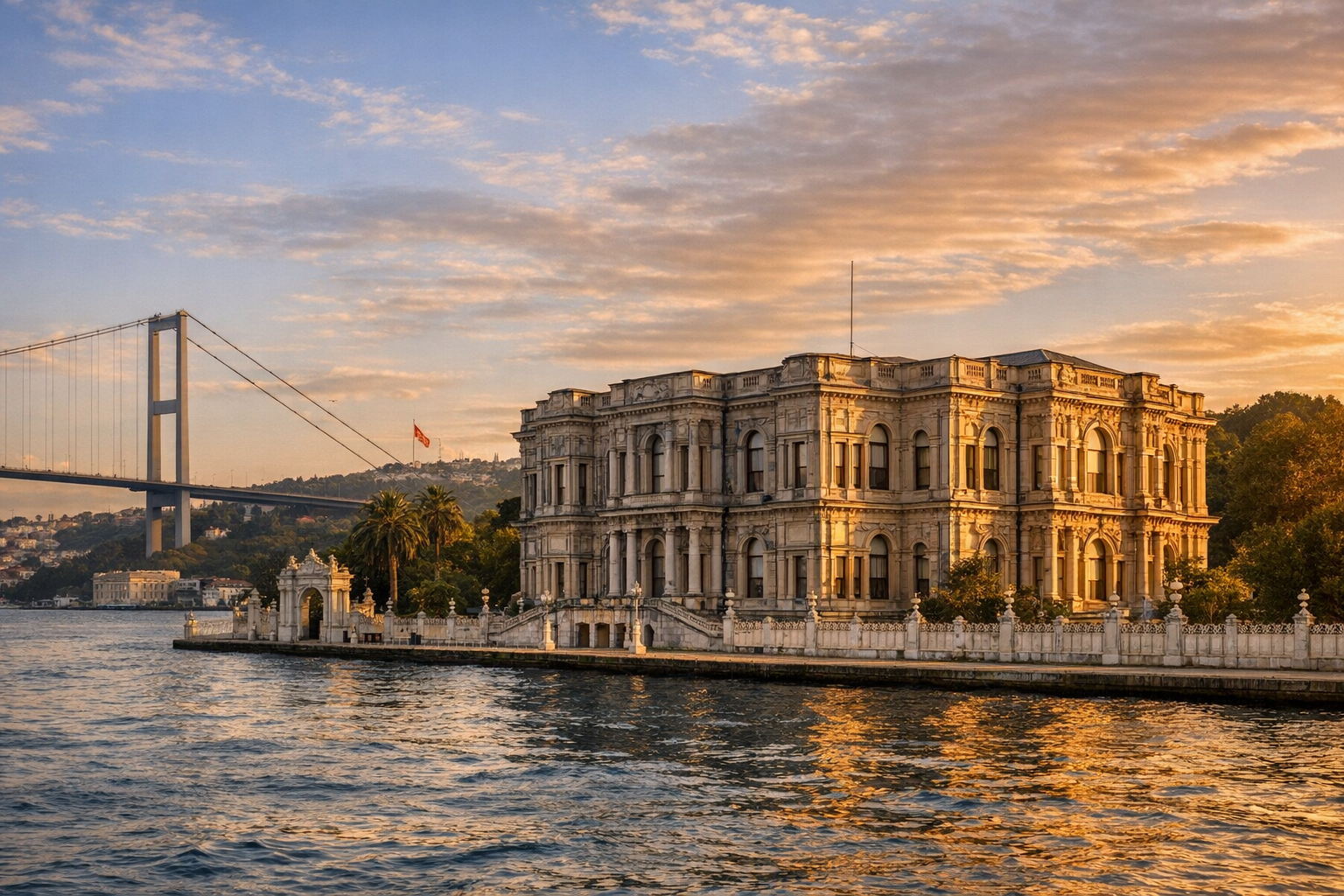
Istanbul has three bridges connecting Europe and Asia. The first one was built in 1973, and it took three years to finish construction. It was formerly called Boğaziçi Bridge and is now called 15 Temmuz Şehitler Bridge. The other two bridges, Fatih Sultan Mehmet Bridge and Yavuz Sultan Selim Bridge, were built in 1988 and 2016, respectively. Both are named after prominent Ottoman sultans. There had been bridge projects before the Republic of Turkey, but they were not initiated during the Ottoman era. Even Leonardo da Vinci had a project for a bridge over the Golden Horn. For broader background on the city’s development, see Britannica’s overview of Istanbul.
Big Wave of New Residents
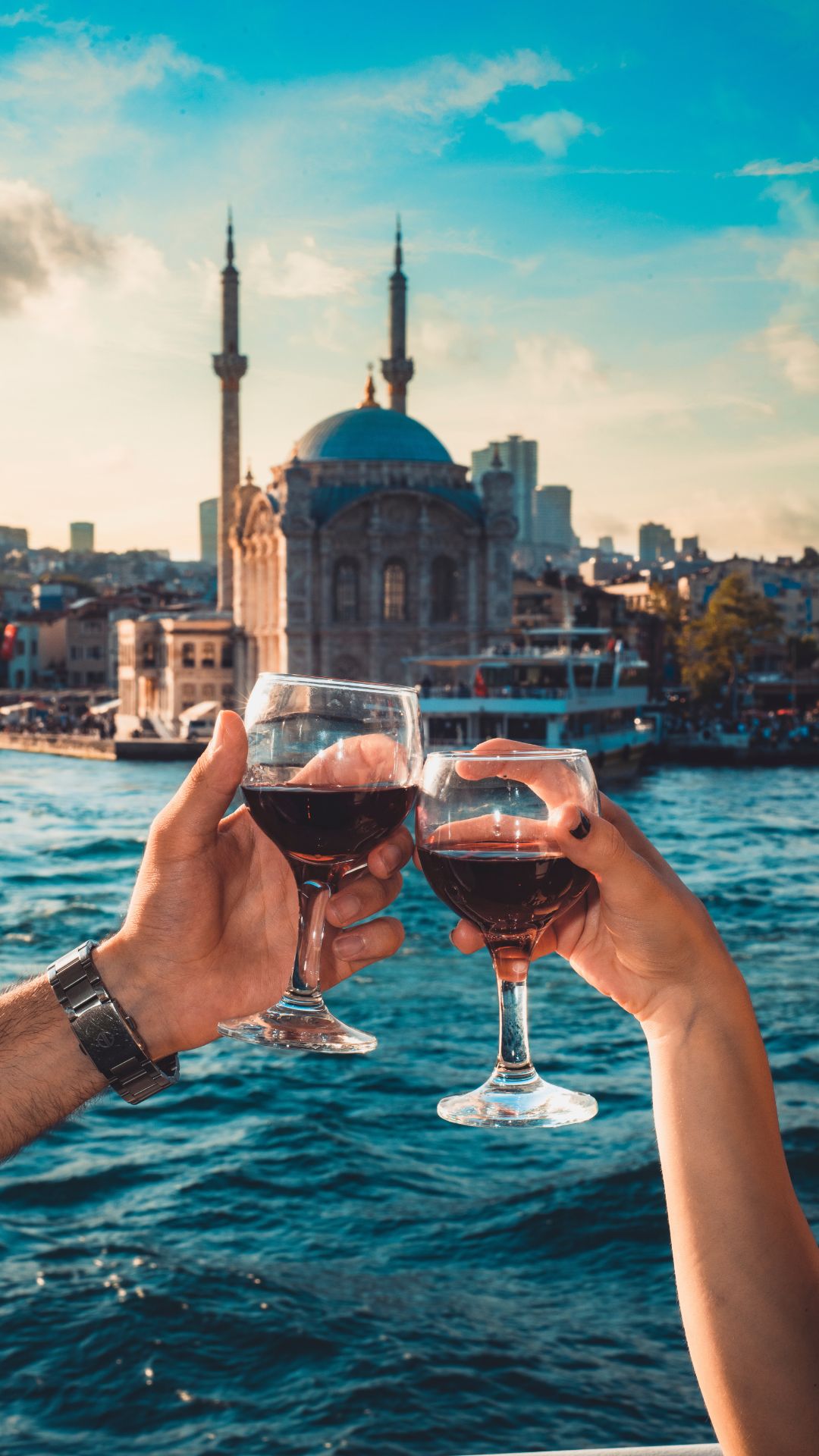
As Istanbul’s economy and influence expanded across the Republic of Turkey, people living in Anatolian regions that were more rural than urban began to migrate to the city. It was a huge and ongoing wave that brought both economic mobility and a housing crisis, because the number of apartments could not meet the needs of newcomers. Extensive construction followed to catch up with this growing population.
The size of the city doubled and even tripled, stretching through the coastline on both continents. This process still continues, and Istanbul is many times larger than it once was. The expansion changed not only the skyline but also daily life, transportation, and the social fabric of the city.
Now a Home to Millions
Sixteen million people live in Istanbul now, and it is the heart of the Republic of Turkey without a doubt. Millions of other people also come here for business or tourism. It is indeed a crowded and buzzing city, yet when one considers its long and glorious history, such scale feels fitting for Istanbul.
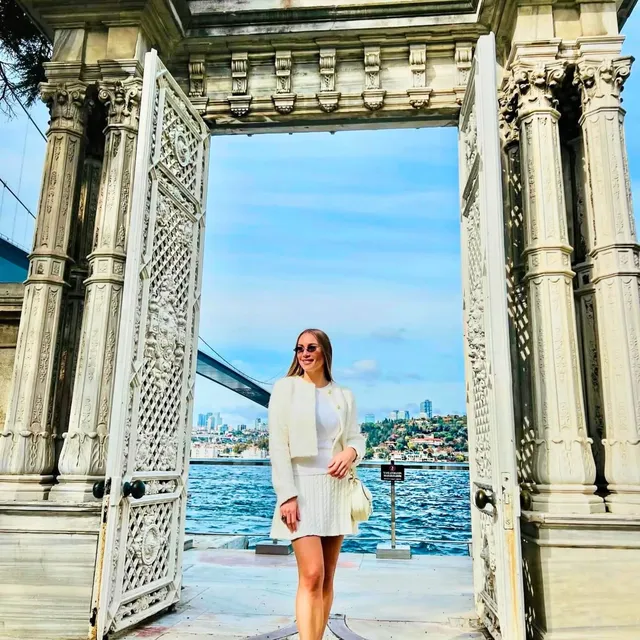
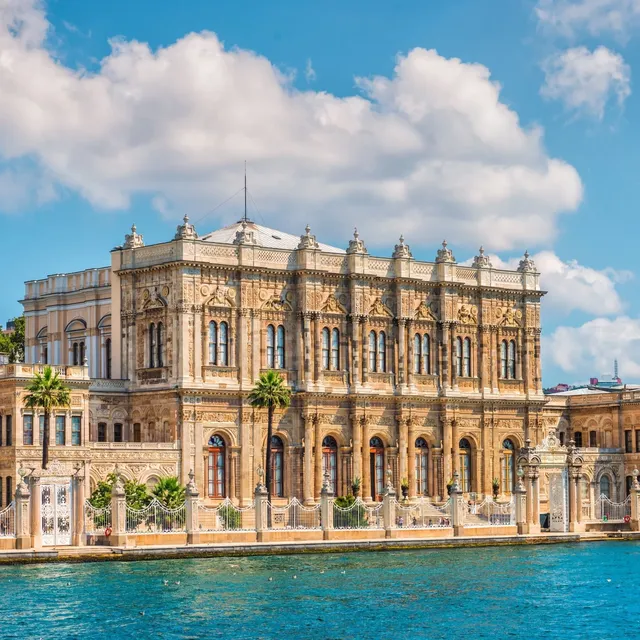
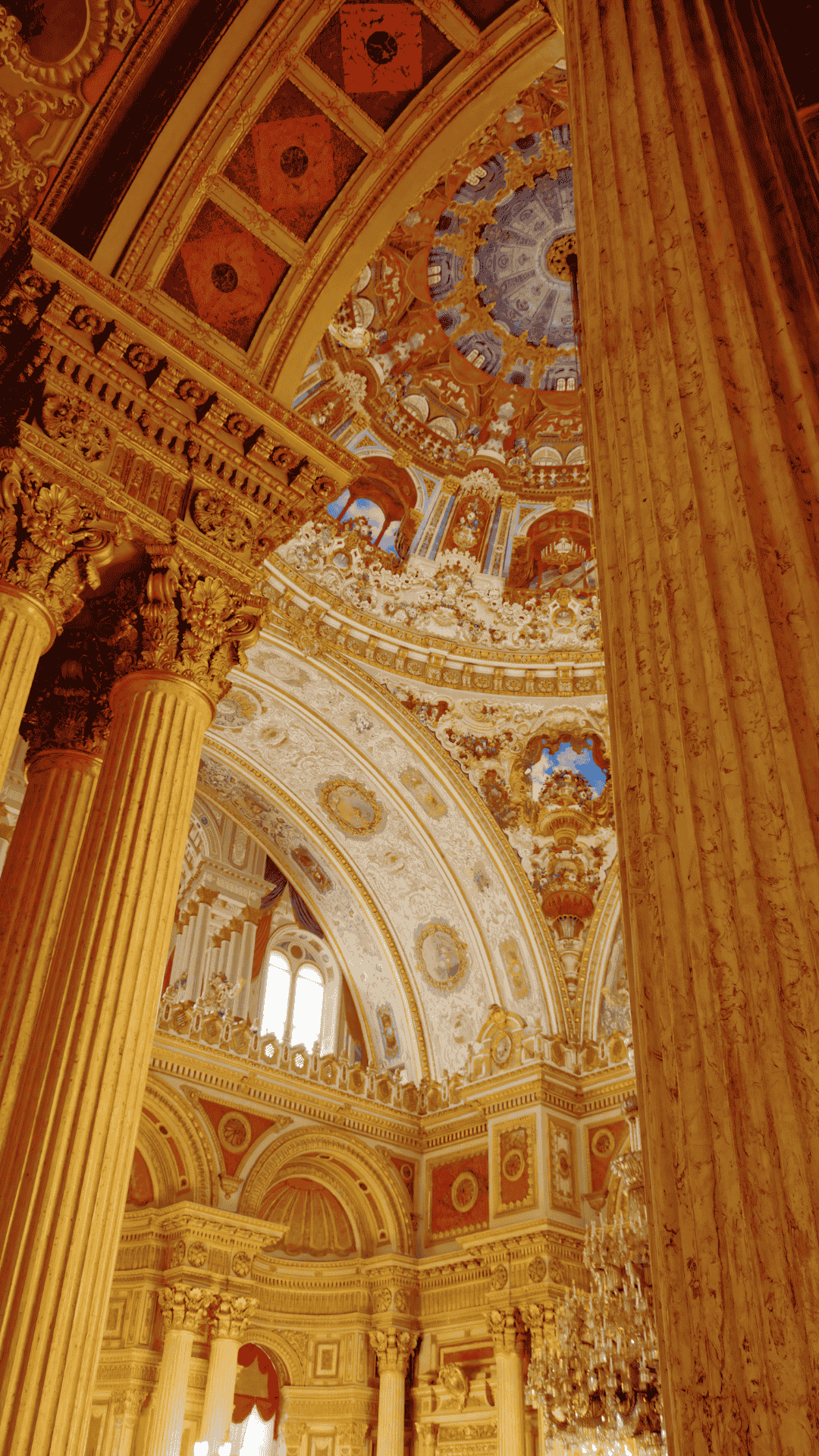
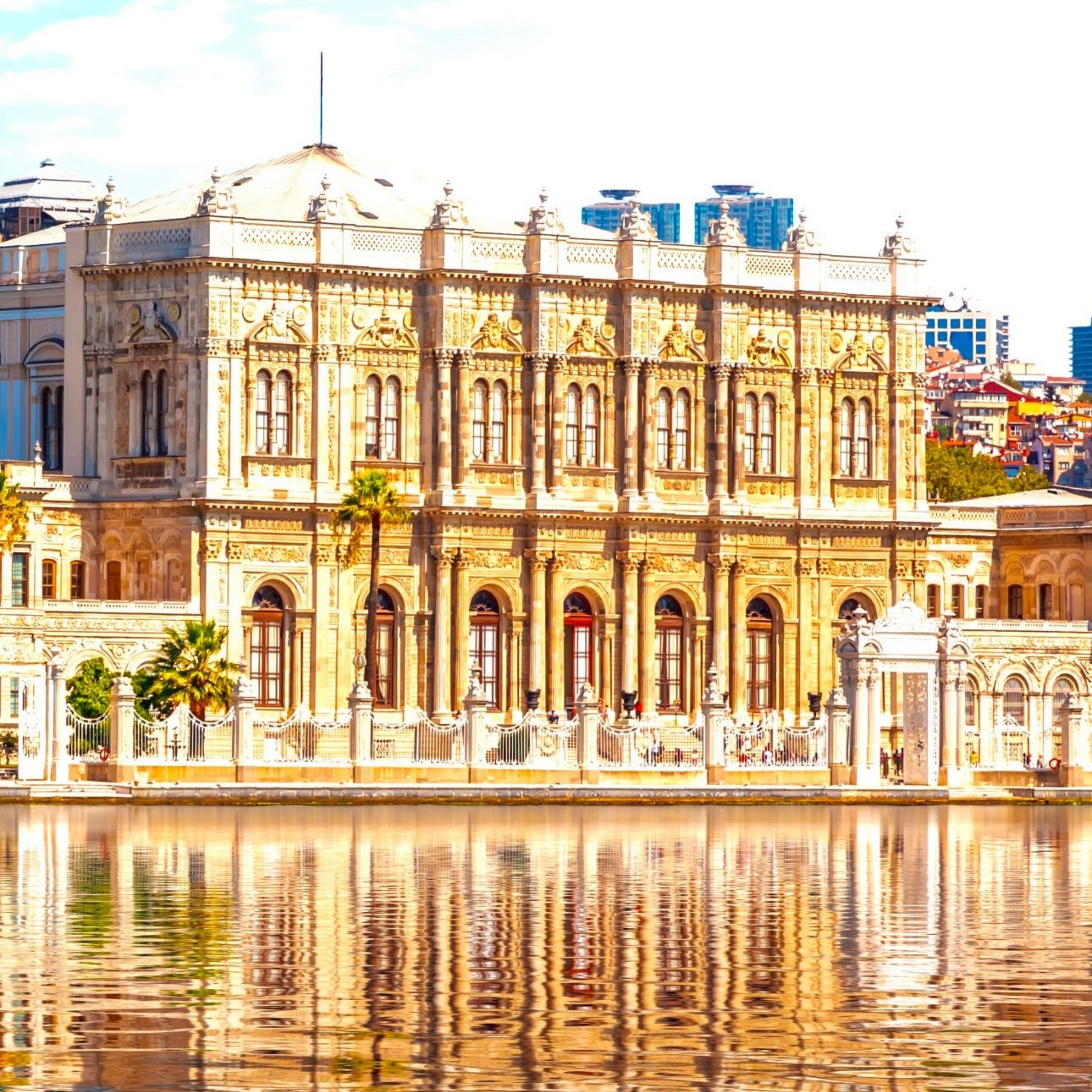
Home to various cultures, religions, and minorities, Istanbul remains a place where art, history, culture, music, and people come together. Many landmarks that connect the republican city to its imperial past, such as Dolmabahce Palace, still help tell this story. The city still carries much of what it witnessed in the past, and since the foundation of the Republic of Turkey, that heritage has continued to be preserved. For a concise historical summary of the city and the republic era, you can also consult Wikipedia’s Istanbul entry.