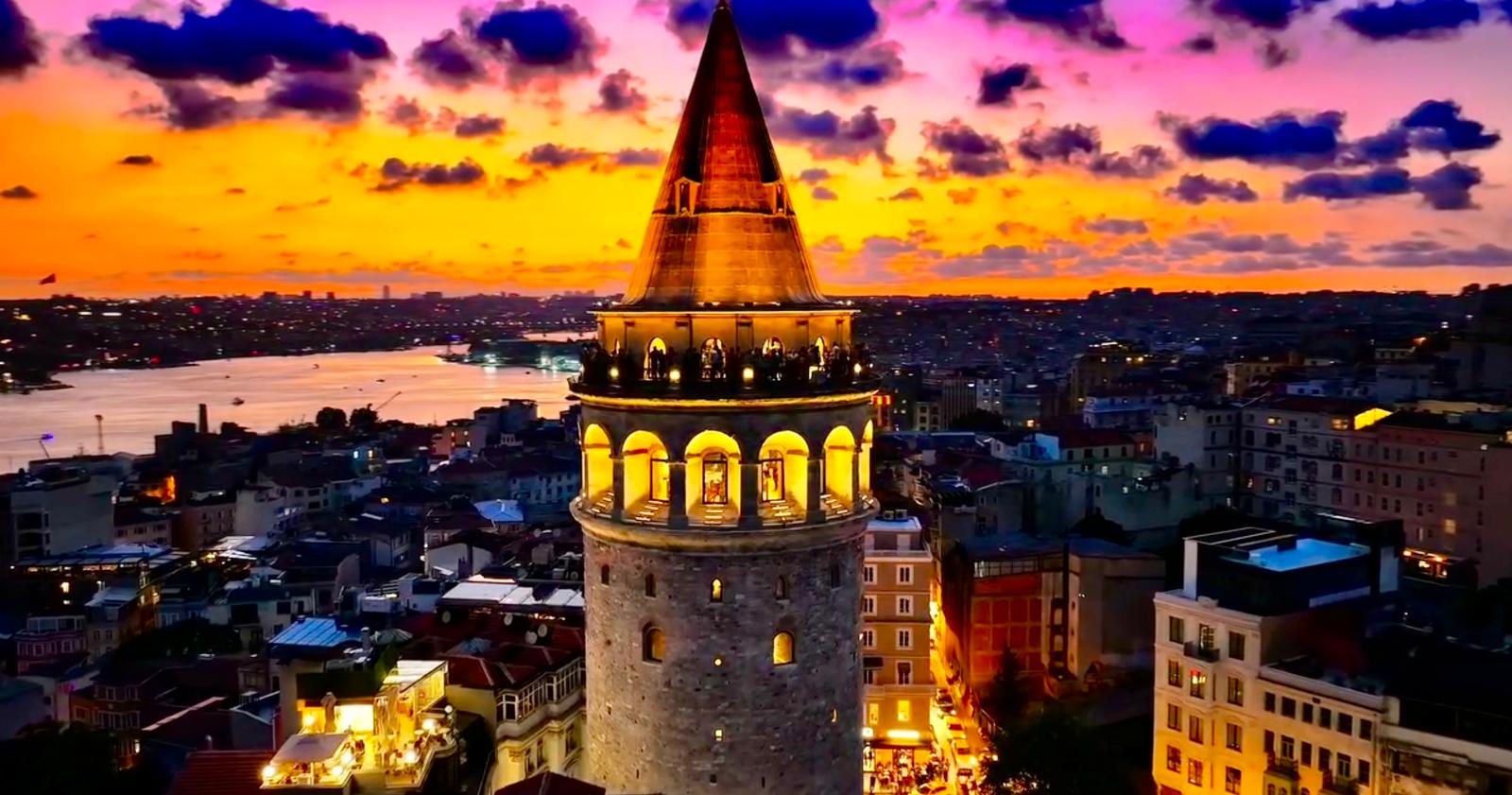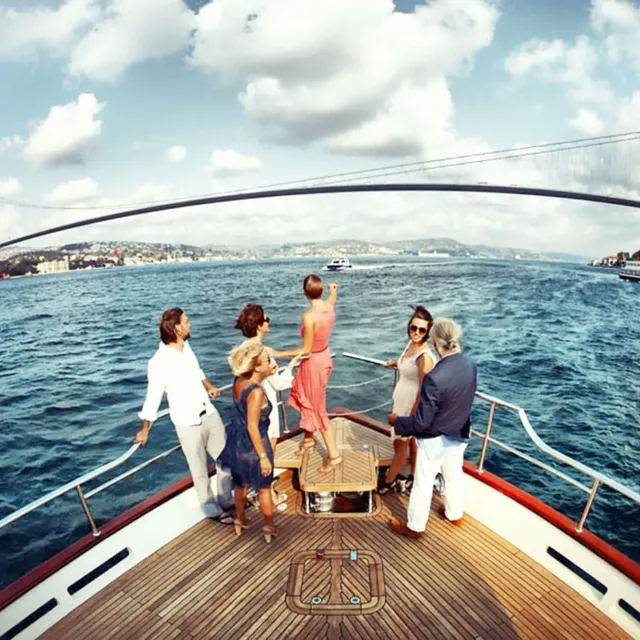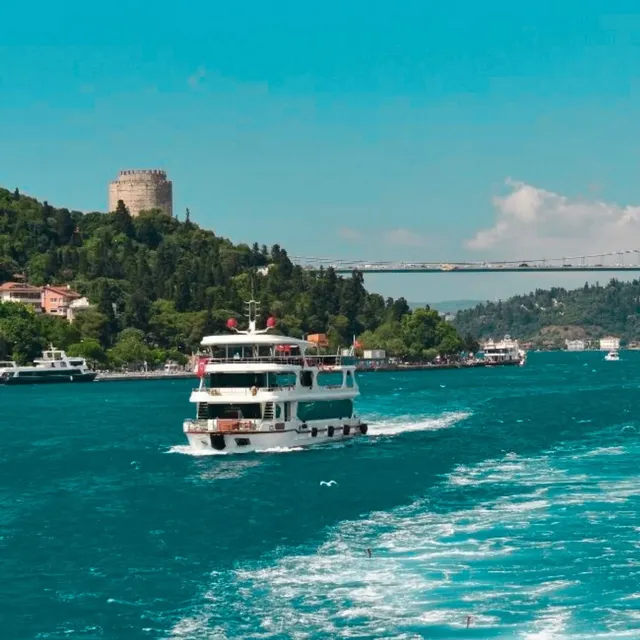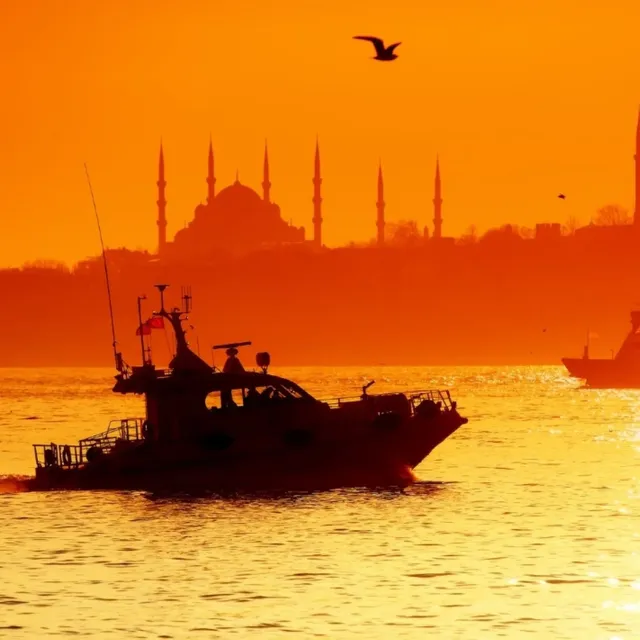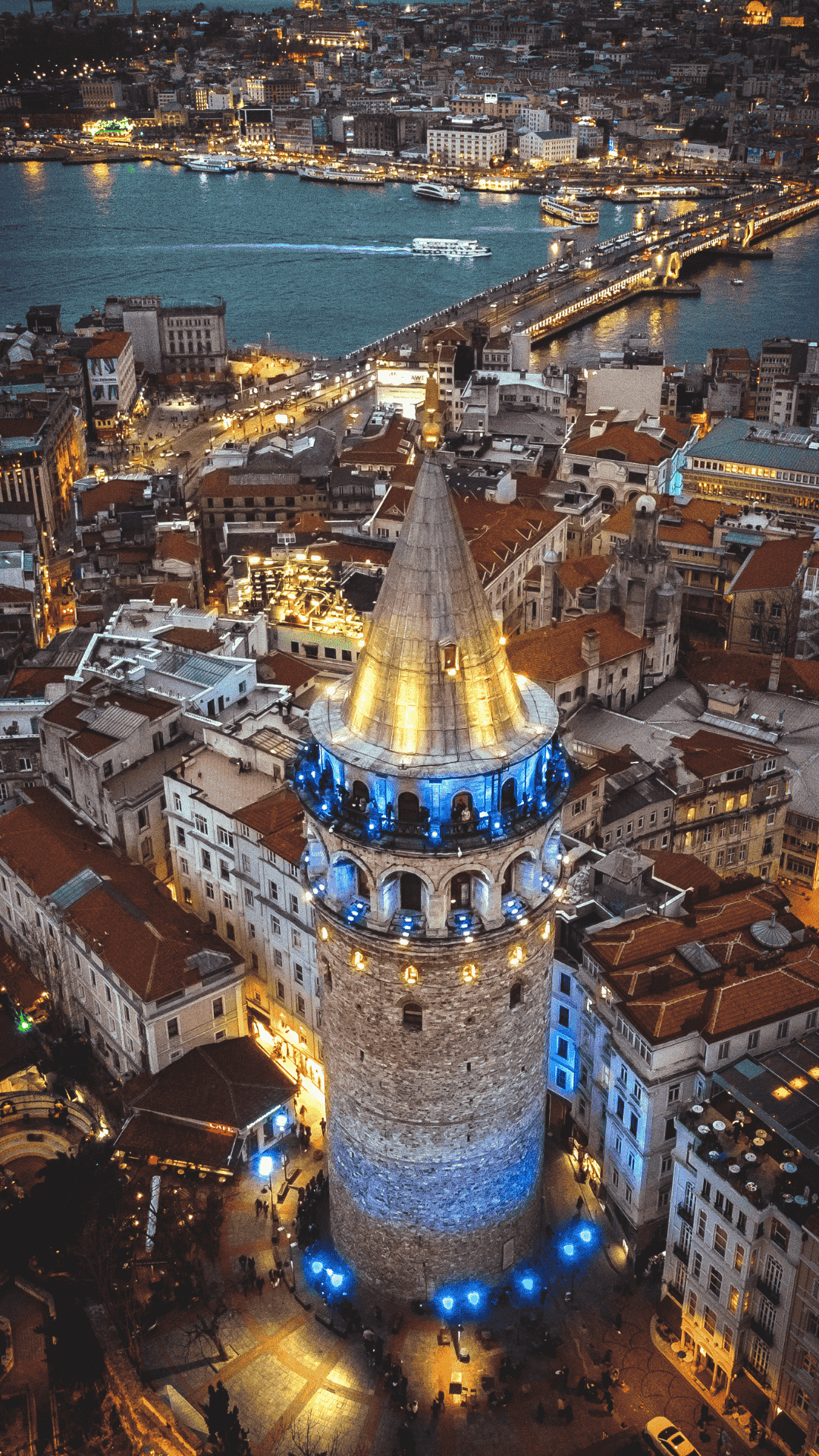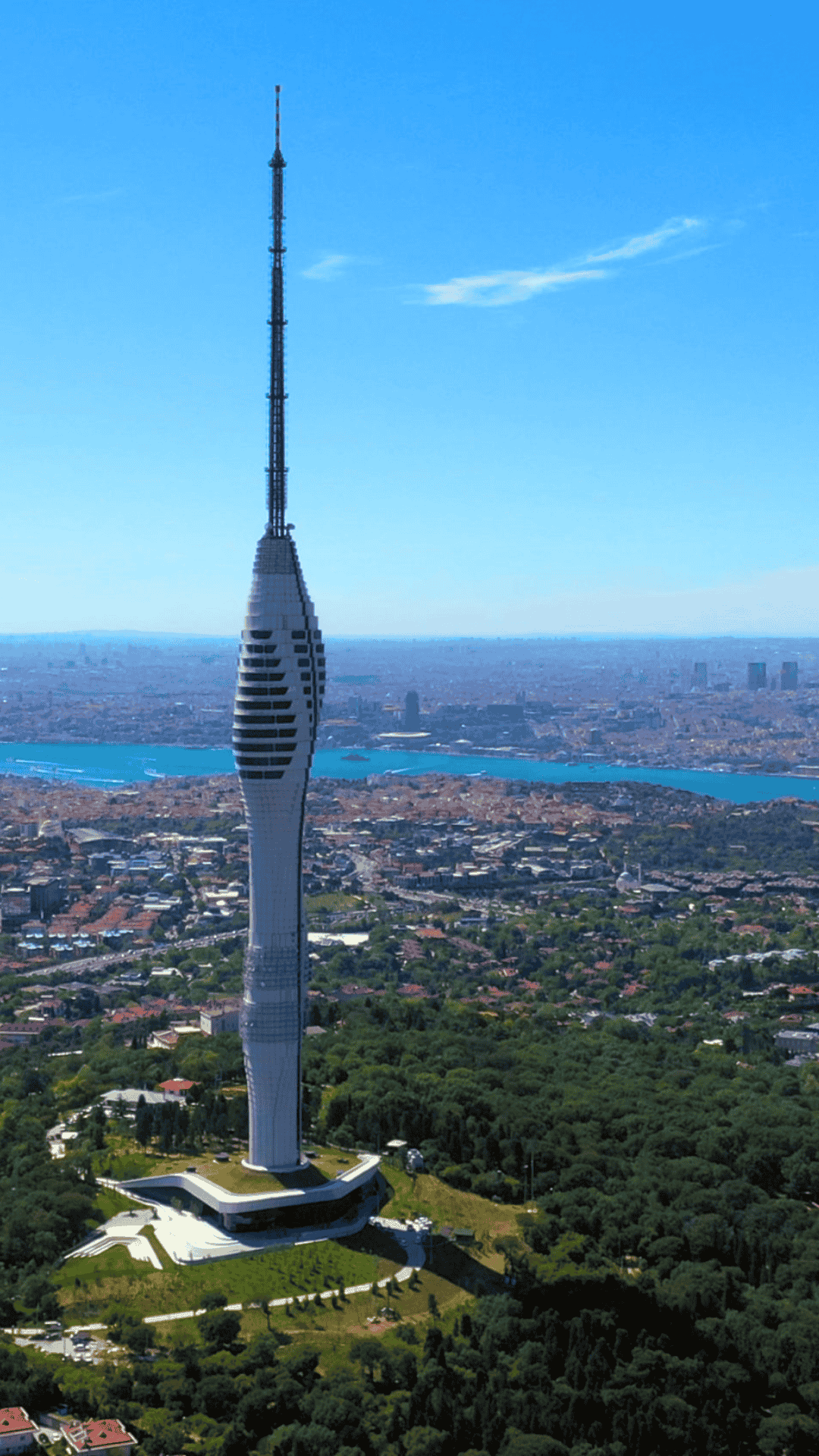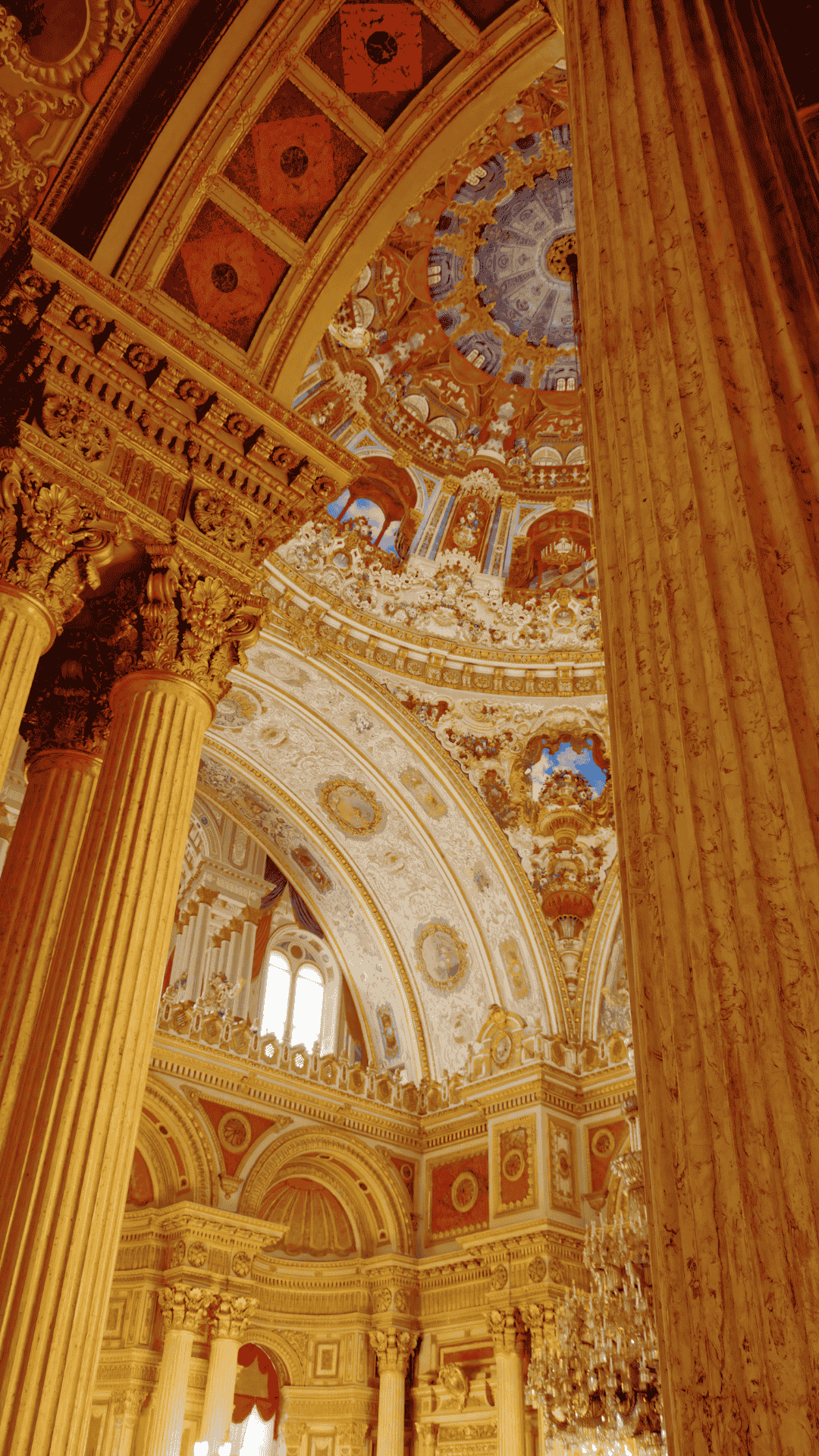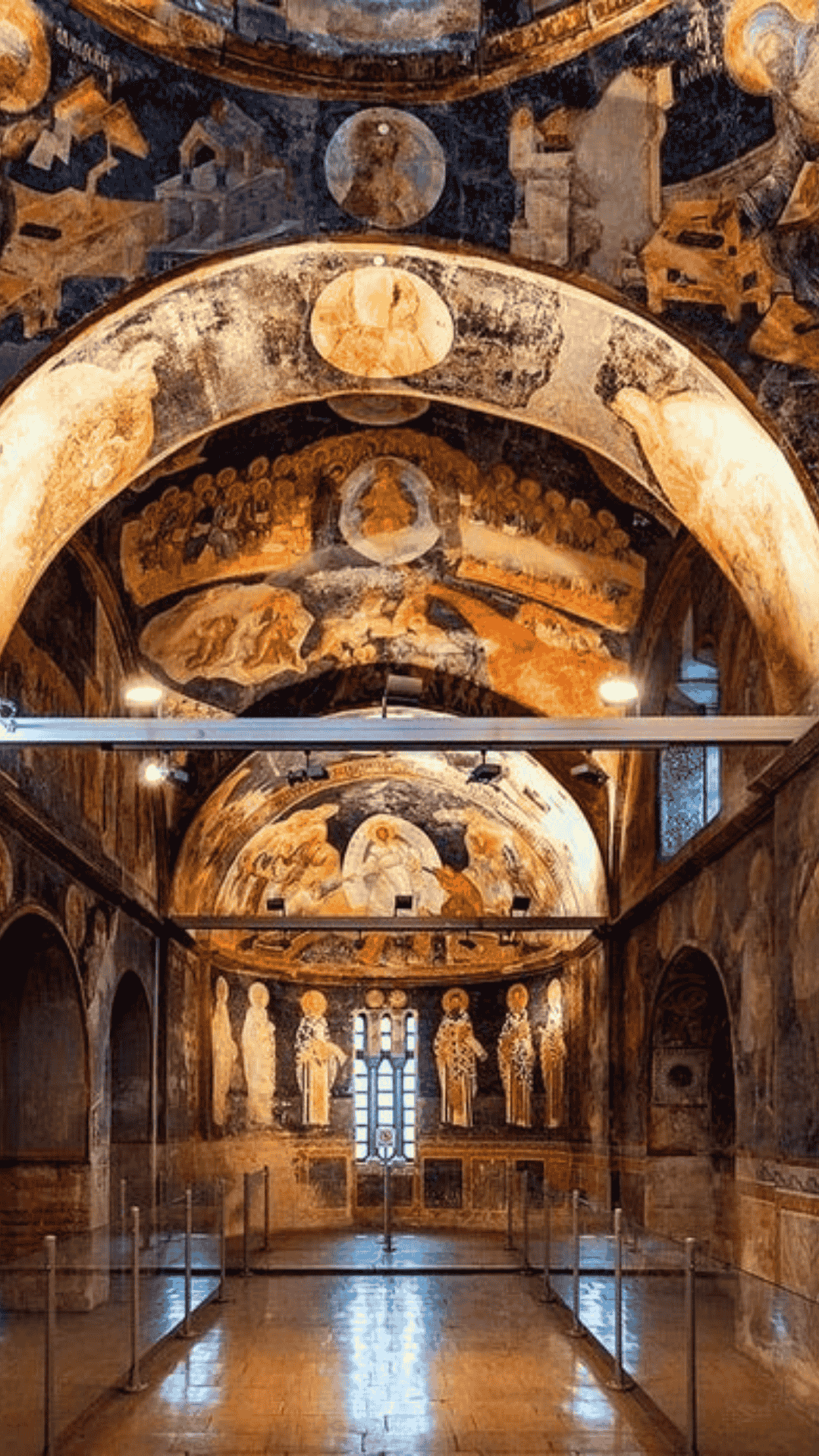
Beyond its engineering importance, the bridge stands in one of the most scenic parts of Istanbul. Around it, travelers can explore waterfront neighborhoods, palaces, mosques, and cruise routes that reveal why the Bosphorus is often called the pearl of the city.
History of the Bosphorus Bridge
The Bosphorus Bridge, known in Turkish as Boğaziçi Köprüsü, was completed in 1973. It was the first bridge constructed over the Bosphorus and connected the European and Asian sides of Istanbul in a completely new way. The bridge is a gravity-anchored suspension bridge measuring 1,500 meters in length and 34 meters in width.
When it opened, it was the fourth longest suspension bridge in the world and the first of its kind built outside the United States of America. These details reflect the scale of the engineering achievement at the time and explain why the bridge quickly became one of modern Istanbul’s major symbols.
On 25 July 2016, the Bosphorus Bridge was officially renamed the 15 July Martyrs Bridge in memory of those who lost their lives during the events in which soldiers attempted to seize control in Turkey and closed the bridge with tanks and weapons.
General Information About the Bridge
The bridge has eight lanes, with two reserved for emergency situations. It is a toll bridge, and the toll is applied to traffic traveling from the European side to the Asian side. Commercial vehicles are not allowed on the bridge. The text also notes that approximately 170 thousand vehicles use it daily.
Each year in October, the Intercontinental Istanbul Marathon brings a different atmosphere to the bridge. On marathon day, it closes to vehicles and opens to participants running from Europe to Asia. For many people, this is a rare chance to walk across the bridge, enjoy the remarkable view, and take photos from a perspective that is usually reserved for traffic.
One memorable event that took place here was a show tennis game played by Venus Williams and Turkish player İpek Şenoğlu on 15 May 2005 at 7 AM. It remains one of the more unusual moments in the bridge’s history.
What to See Around the Bosphorus Bridge
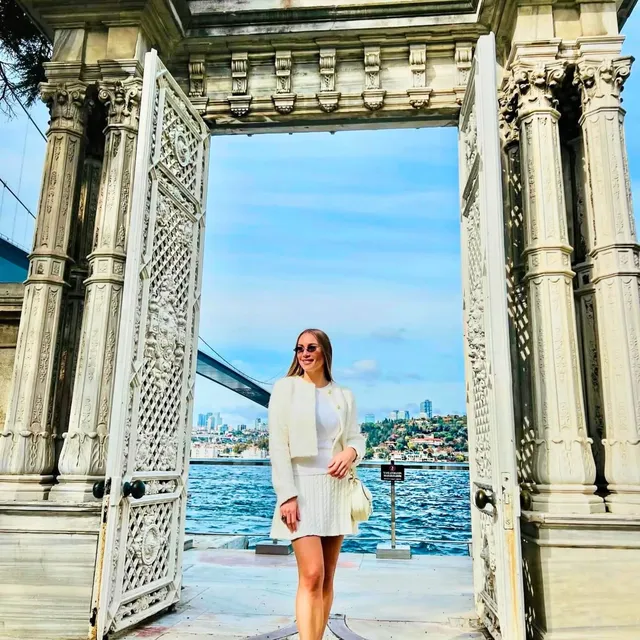
The area around the Bosphorus Bridge is among the most beautiful in Istanbul. Visitors can combine bridge views with some of the city’s best-known waterfront sights. Nearby, Dolmabahce Palace stands as one of the grand residences associated with Ottoman rulers and state leadership. Closer to the bridge, Ortakoy Mosque is one of the most photogenic spots on the Bosphorus, facing the water and surrounded by a lively square and market atmosphere.
The wider Bosphorus area also includes fortifications and historic buildings that once served to protect the city and control movement along this strategic waterway. Natural scenery is equally important here: green hills, waterfront mansions, flowers, and neighborhoods rising above the shore all create the unforgettable Bosphorus panorama.
If you continue exploring north and south along the strait, you will come across more palaces, old structures, and famous viewpoints on both continents. For many travelers, the bridge is not just a destination but the centerpiece of a much larger Bosphorus route.
Transportation Alternatives on the Bosphorus Strait
The Bosphorus Strait is one of the world’s important waterways and a key transportation corridor for Istanbul. The Bosphorus Bridge, completed in 1973, was followed by the Fatih Sultan Mehmet Bridge in 1988 and the Yavuz Sultan Selim Bridge in 2016.
In addition to these three bridges, two tunnels cross beneath the strait. The Eurasia Tunnel serves cars, while the Marmaray tunnel functions as an underground railway connection. Together, these bridges and tunnels support commuter and international traffic between the two sides of the city.
For current transit details and route planning, travelers can also check official transport resources such as Metro Istanbul and IETT.
Bosphorus Tours and Cruises
One of the best ways to appreciate the Bosphorus Bridge is from the water. A Bosphorus Cruise lets you see the bridge together with the waterfront palaces, mosques, mansions, and green slopes that line the strait. Seeing the bridge from a boat gives a completely different sense of its scale and setting.
A Bosphorus tour can also be a relaxing way to spend part of the day: tea, simit, sea breeze, and constant views make the experience especially enjoyable. Many visitors also enjoy feeding simit to the birds that follow the boats.
Day tours may include city sightseeing, the Golden Horn, or stops and views near neighborhoods and sites such as Rumeli Fortress, Küçüksu, Anadolu Kavağı, and Poyrazköy. Some longer programs continue toward the Black Sea and focus more on peaceful landscapes and nature.
Bosphorus Cruise at Night
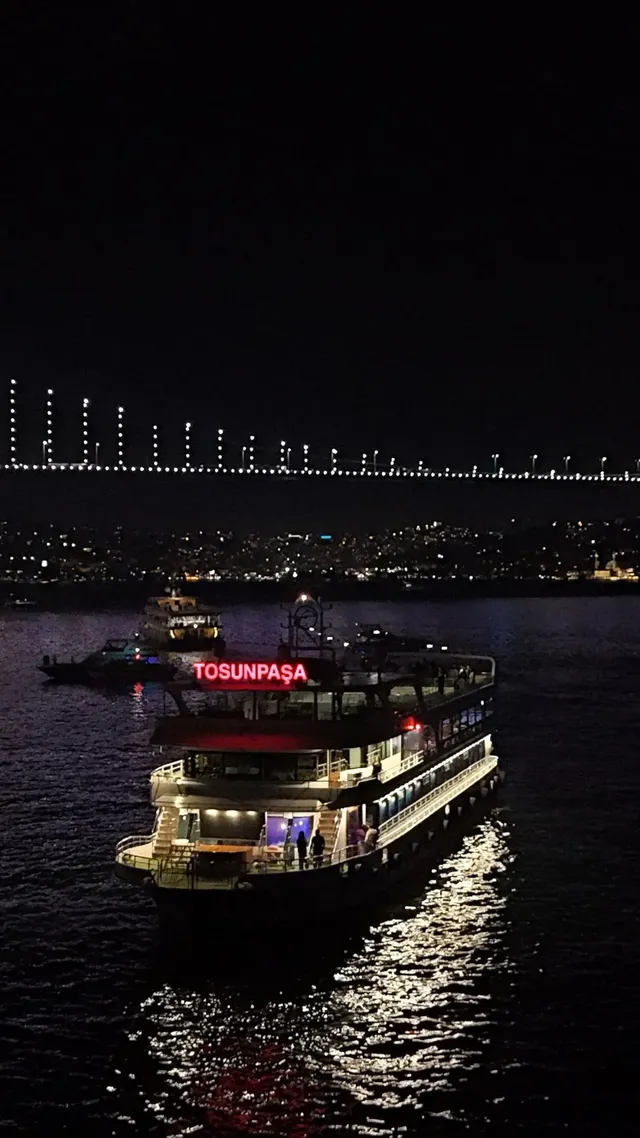
At night, the bridge and shoreline palaces become beautifully illuminated. Dinner cruises are popular for travelers who want to pair Bosphorus views with Turkish cuisine and live performances. Depending on the program, these cruises may include traditional shows such as whirling dervishes, Mehter performances, folk dances, and other entertainment.
Neighborhoods Near the Bosphorus Bridge
Ortakoy and Bebek
Ortaköy is one of the most popular neighborhoods near the bridge. It is known for its waterfront square, local market atmosphere, kumpir stalls, and evening views beneath the bridge lights. The setting becomes especially atmospheric at night, when the bridge illumination adds a romantic feeling to the shore.
Bebek, another Bosphorus neighborhood, is known for its upscale character, nightlife, bars, cafés, and restaurants. Its long waterfront is ideal for a walk, and the combination of boats, green hills, and water creates a calm but elegant setting.
Üsküdar and Kadıköy
On the Asian side, Üsküdar and Kadıköy offer different experiences. Kadıköy is a lively residential district known for Moda Street, bars, cafés, and shops. It is easy to reach by ferry or metro and has a distinctly local rhythm.
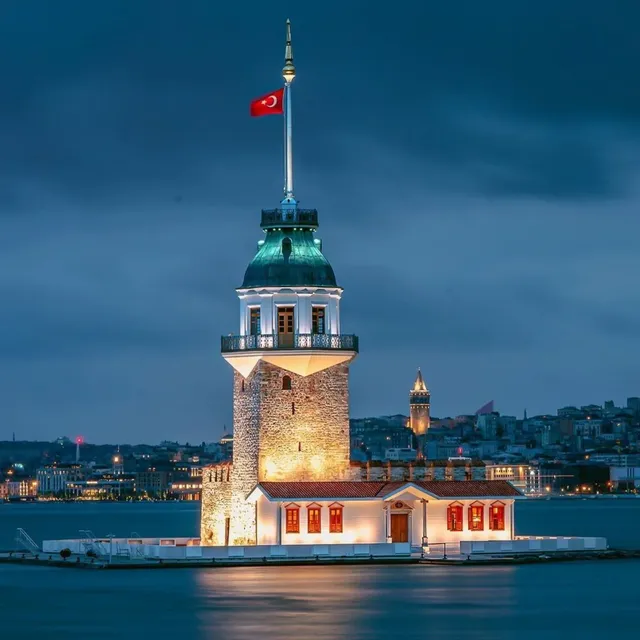
Üsküdar has a more traditional atmosphere and a shoreline filled with cafés looking out toward the Bosphorus and Maiden's Tower. For many visitors, it is one of the best places to sit, rest, and enjoy the view back toward the European side.
Facts About the Bosphorus Strait
The Bosphorus is a strait, not a river, because it connects two seas: the Sea of Marmara and the Black Sea. It divides Istanbul into Asia and Europe and has long held strategic importance for trade, defense, and maritime movement.
The strait is described here as 31 kilometers long and 3,330 meters wide. During both the Byzantine and Ottoman periods, it was considered a vital defensive and commercial route. Ships continue to pass through it every day, and castles and fortifications built by Byzantines and Ottomans still mark many points along its shores.
Today, the Bosphorus remains one of Istanbul’s most magical places to explore. It offers not only dramatic views but also a wide variety of activities, from cruising and walking to dining, sightseeing, and nightlife.
Elegant Accommodation Choices on the Bosphorus
For travelers who want to stay near Bosphorus views, the shoreline offers many well-known luxury hotels. The text highlights Four Seasons Istanbul Hotel Bosphorus for its stylish setting and waterfront location on the European side.
On the Asian side, Sumahan on the Water is presented as a boutique option in a renovated mansion house in Çengelköy, reflecting the atmosphere of traditional waterfront yalı residences. Another major luxury option is Çırağan Palace Kempinski Istanbul, a former Ottoman imperial palace on Çırağan Street, close to Ortaköy and the bridge. As with all accommodations, availability and current details are best checked on official hotel websites.
Why the Bosphorus Bridge Still Matters
The Bosphorus Bridge is more than a transport structure. It is a landmark that captures Istanbul’s geography, history, and daily life in one image: two continents joined over a historic waterway. Whether you view it from Ortaköy, pass under it on a cruise, cross it during the marathon, or admire it at night from the shore, it remains one of the city’s most memorable sights.