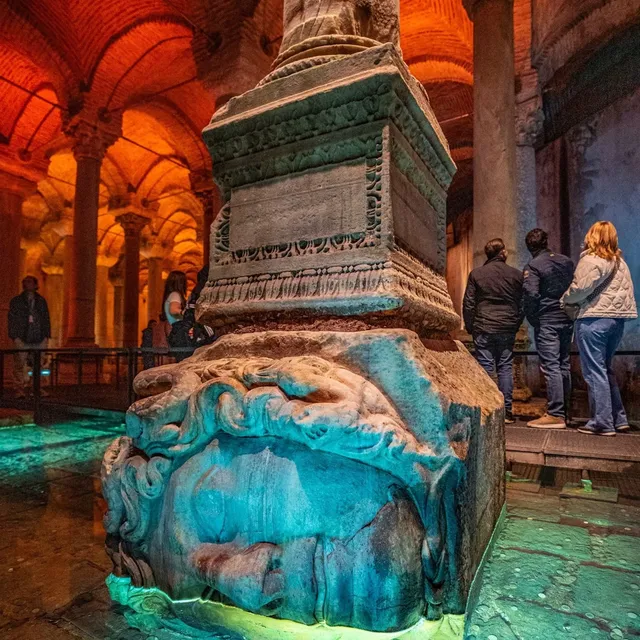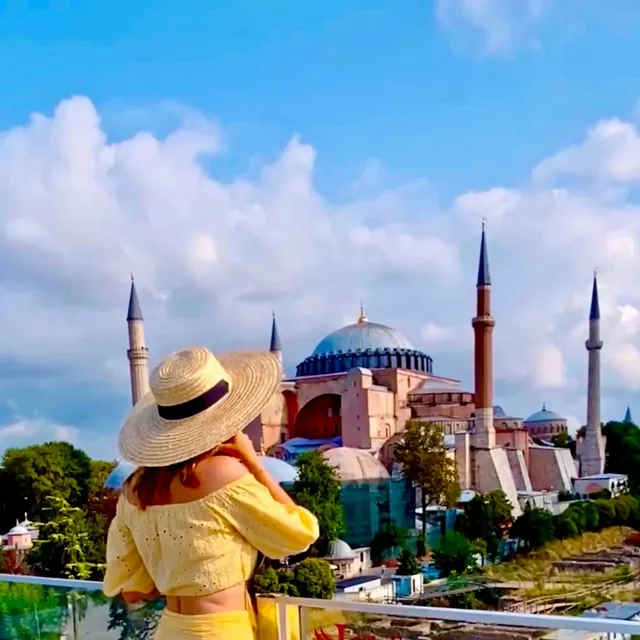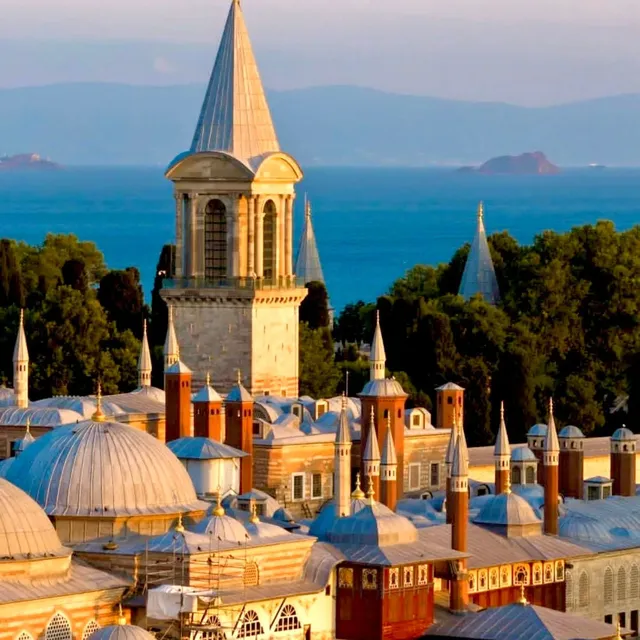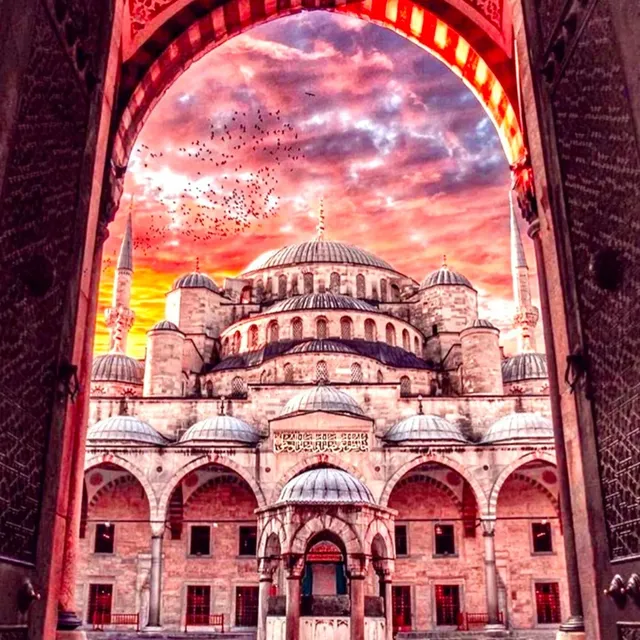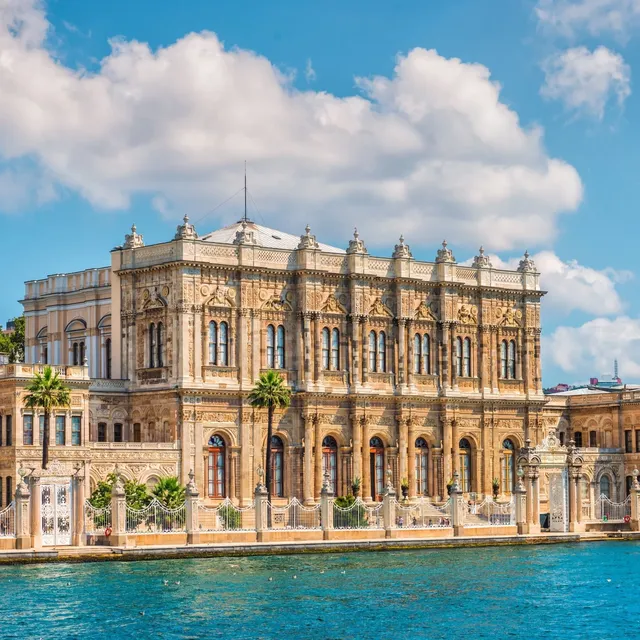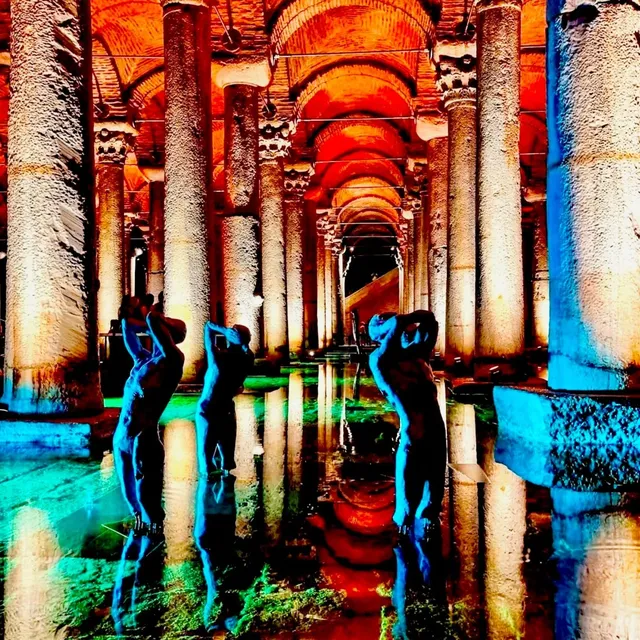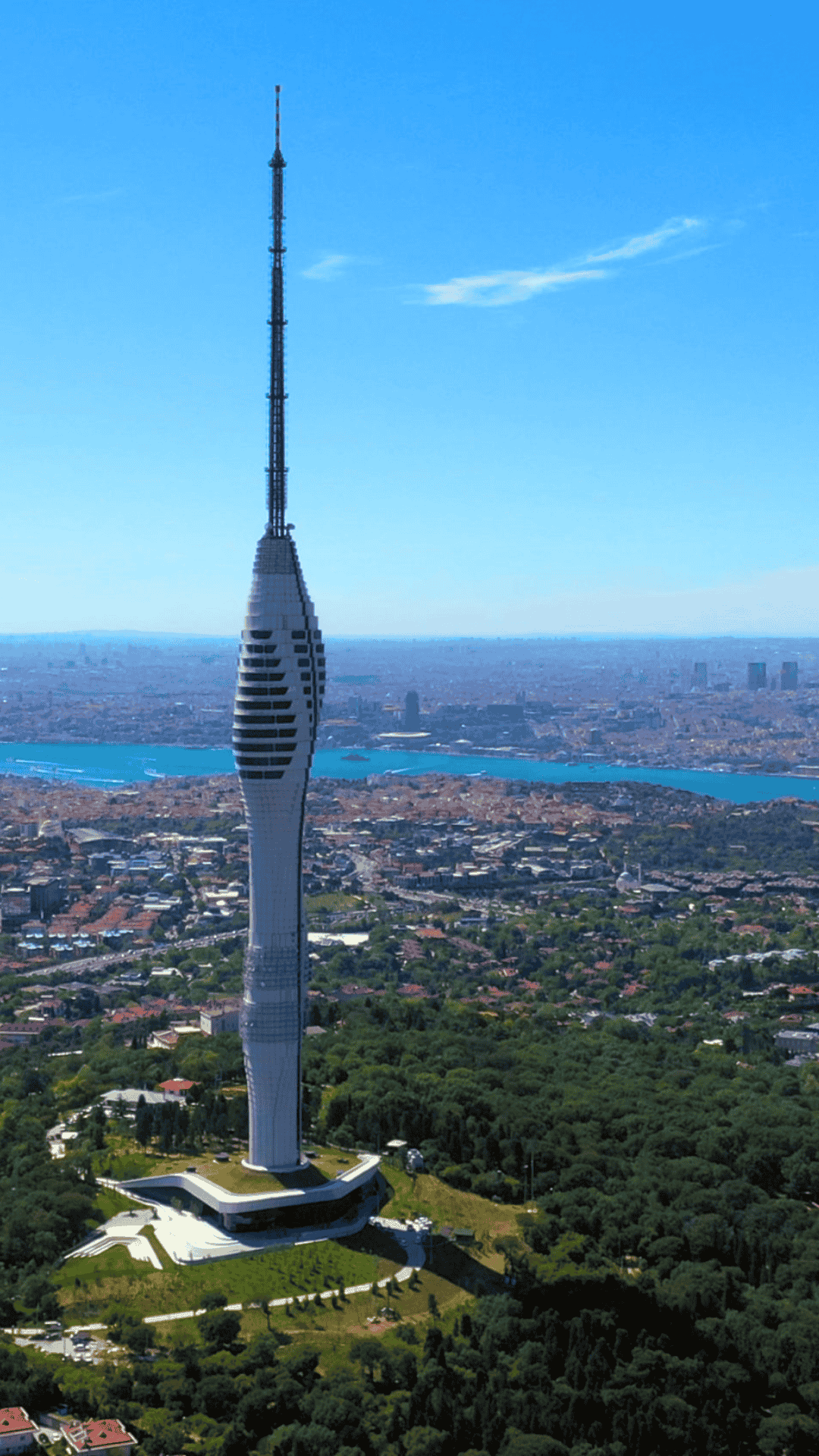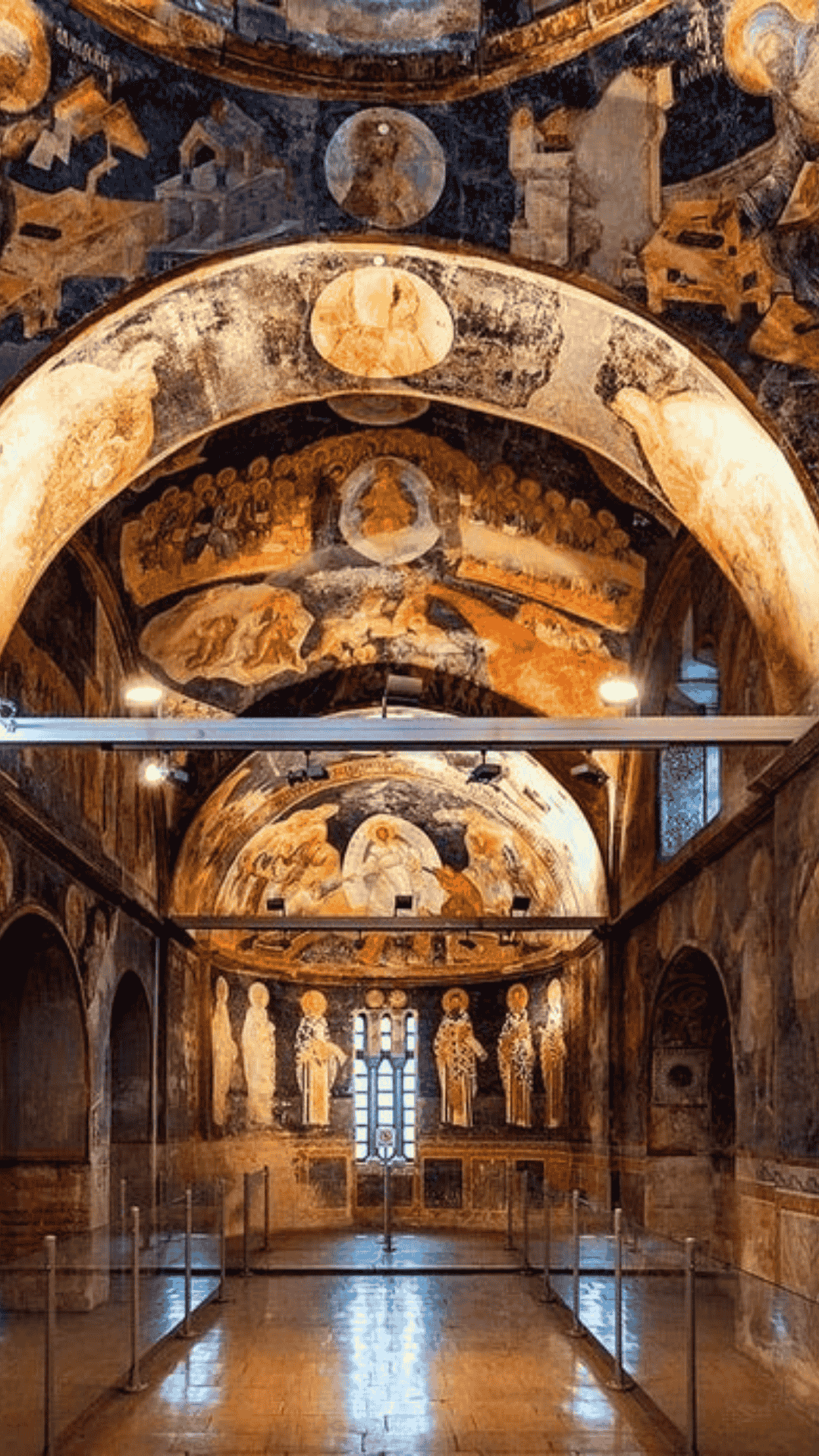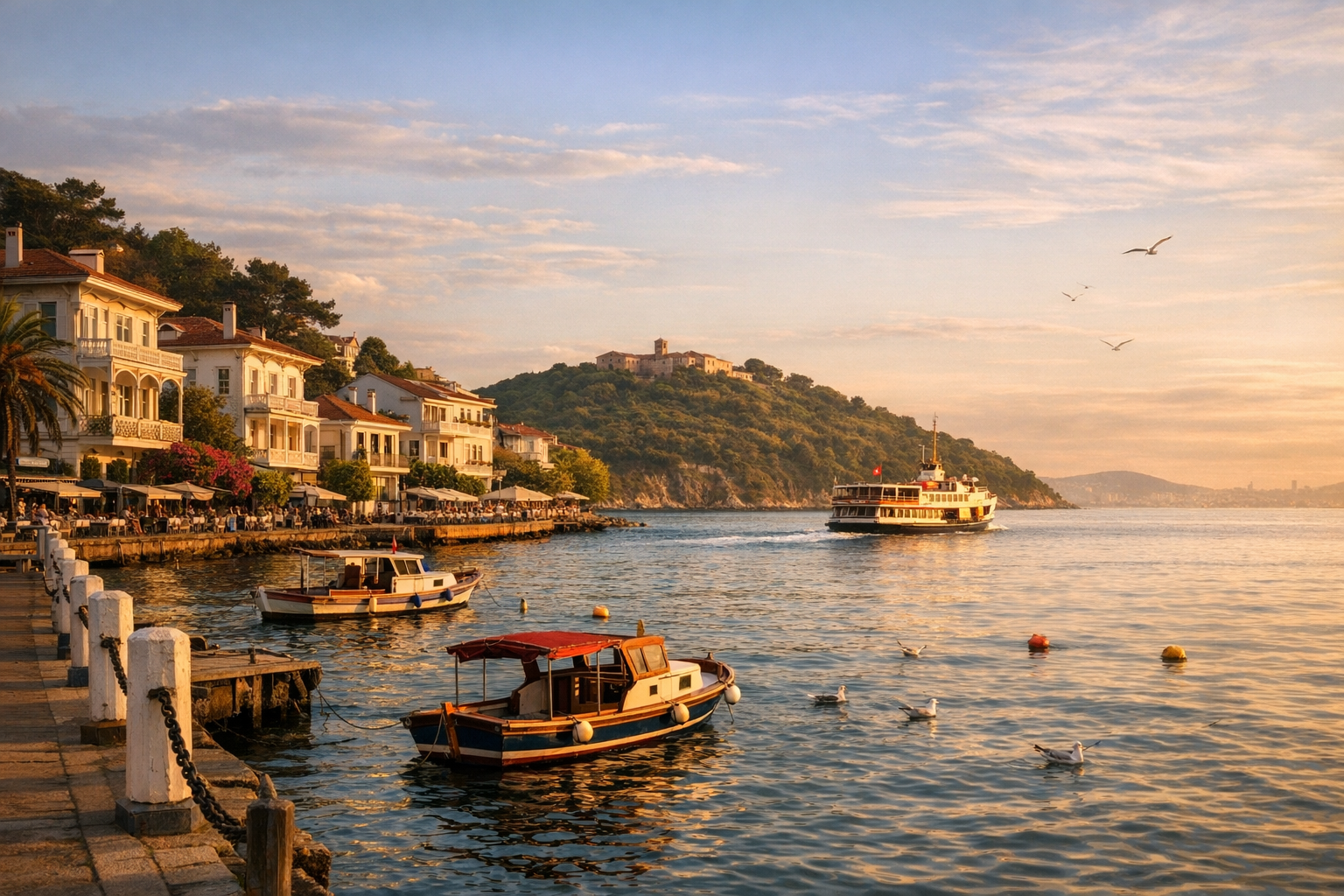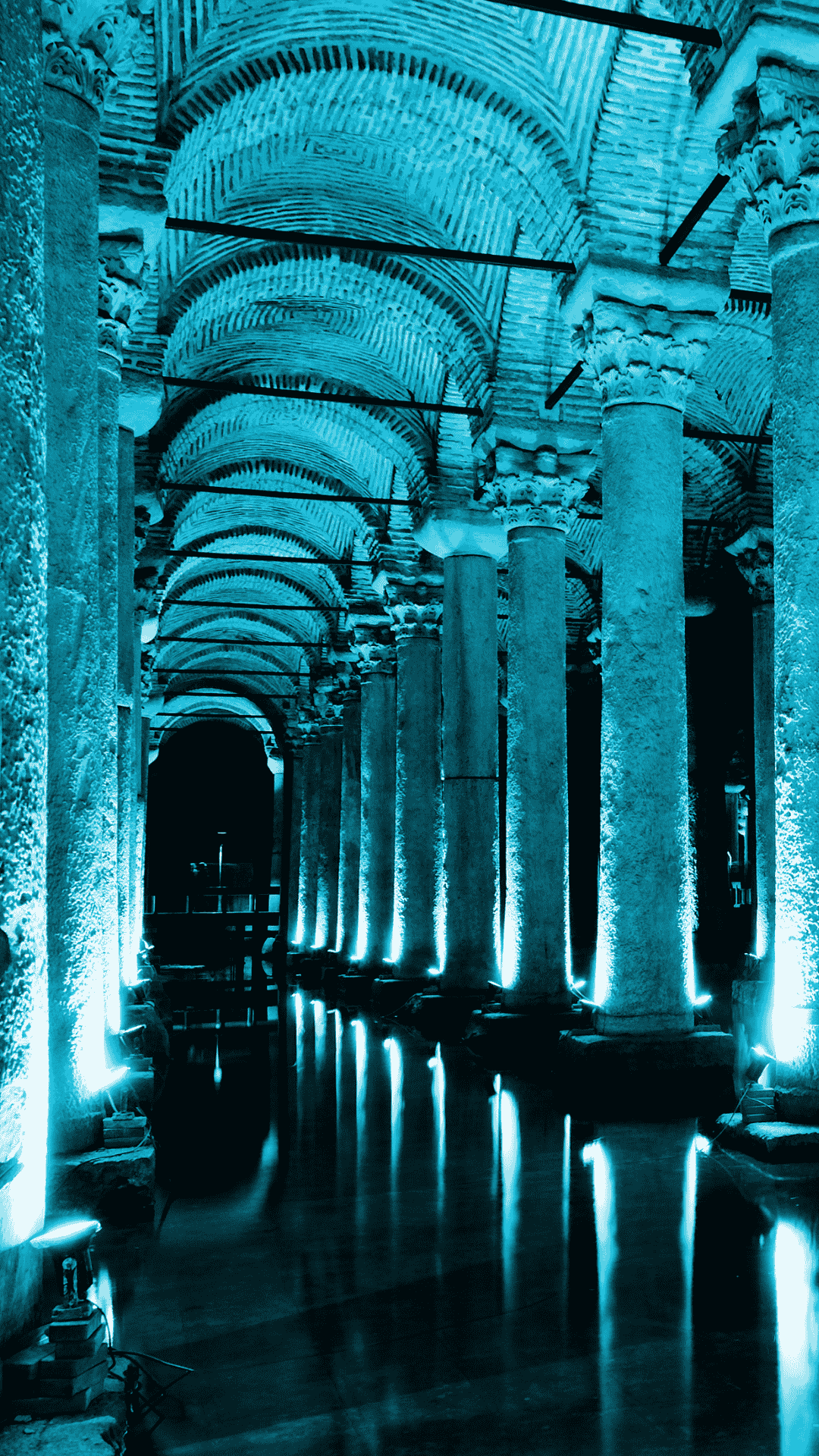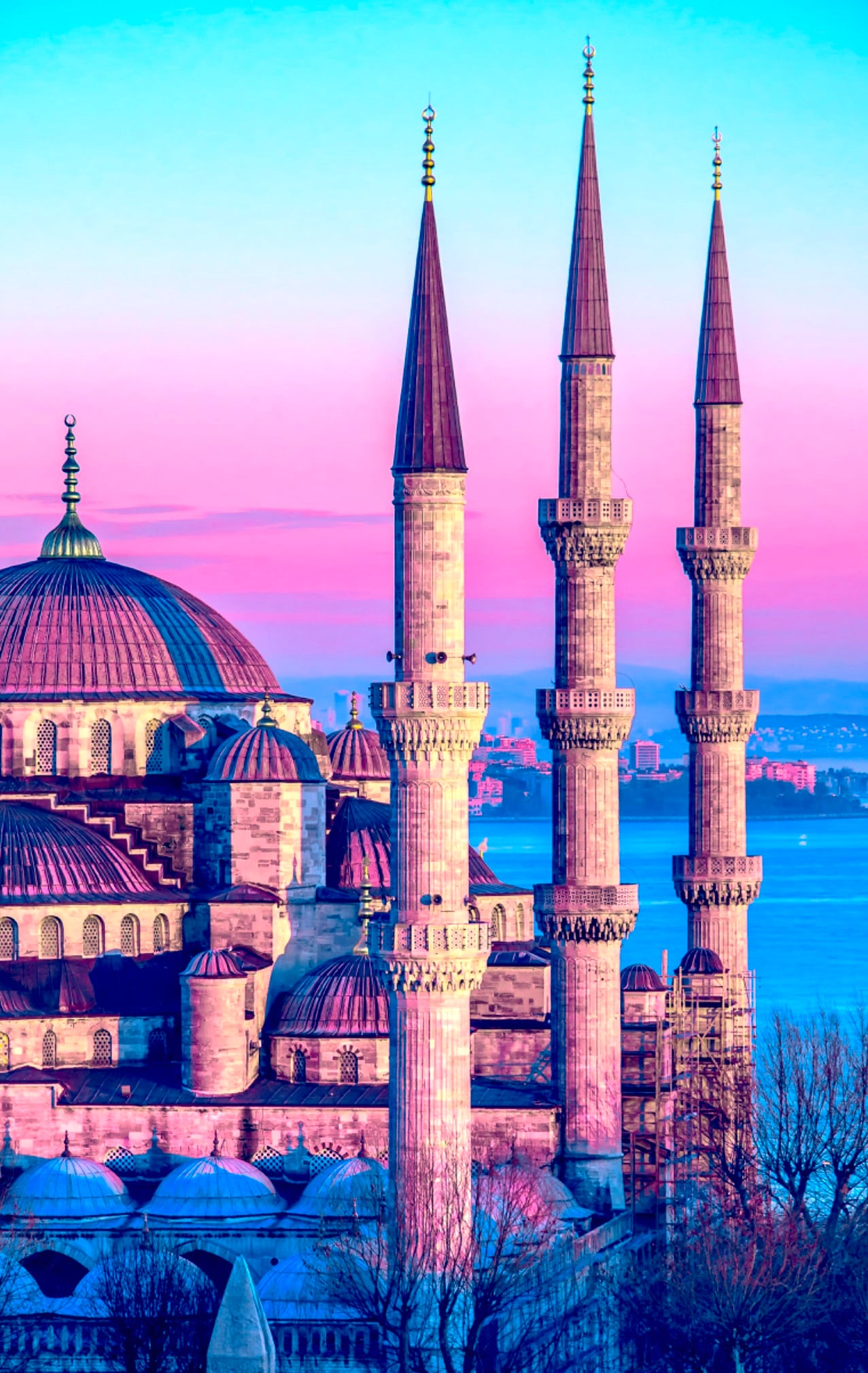
The major lines of this post are Beyoglu, the Old City, Sisli, Besiktas, and Kadikoy, which are the most prominent districts that come to mind when talking about where to stay in Istanbul. Below, we focus especially on Cihangir, Galata, Beyoglu, and Karakoy, all of which are among the city’s most popular bases.
Best districts to stay in Istanbul: key areas at a glance
On the European side, many visitors gravitate toward neighborhoods that balance historic character with easy access to major sights. If being close to iconic landmarks matters most, the Old City remains an obvious choice, especially for places like Hagia Sophia and the Blue Mosque. If you prefer a livelier urban setting with restaurants, nightlife, and boutique hotels, Beyoglu and its sub-neighborhoods usually stand out.
These districts are not identical. Some are better for atmosphere and walkability, while others are better for transport connections or sightseeing. That difference is what makes choosing carefully so important.
Cihangir
Cihangir is home to some of Turkey’s best-known writers and artists. Orhan Pamuk, who received the Nobel Prize in Literature in 2006, was born and raised in this area. The neighborhood also contains the Museum of Innocence, named after one of his works.
As Istanbul’s tourism industry has grown over the last 20 years, excellent boutique hotels have appeared here. Cihangir is especially popular because it sits between Taksim Square and Istanbul Cruise Port. The main drawback is that many hotels are small. If you want to stay in Cihangir, one of Istanbul’s trendiest neighborhoods, booking ahead is often a good idea.
Cihangir generally appeals to travelers who want a more local and creative atmosphere rather than a purely touristic one. Cafes, side streets, and a residential feel make it attractive, but that same character means accommodation choices can be limited compared with larger hotel zones.
Galata Neighbourhood
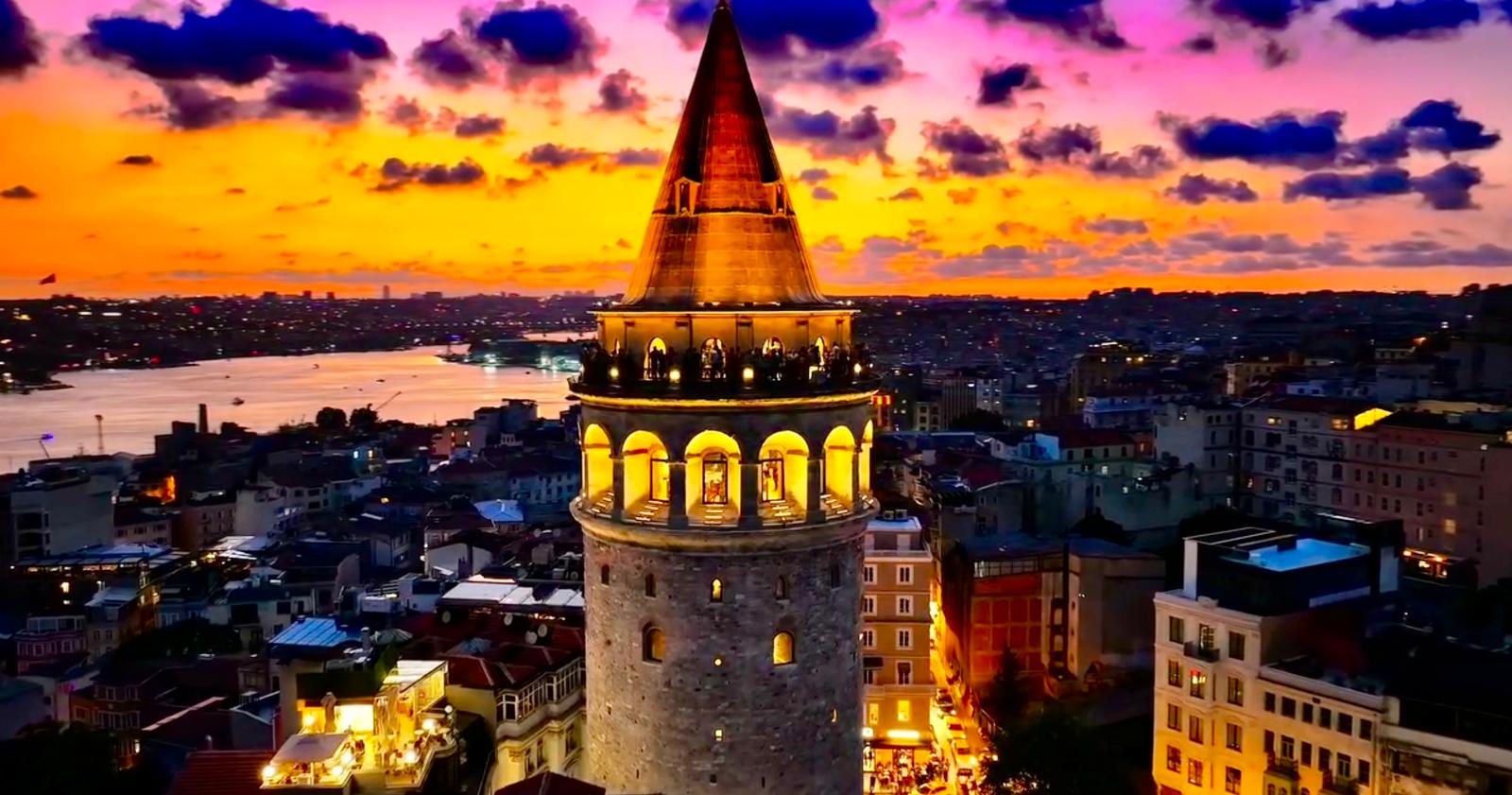
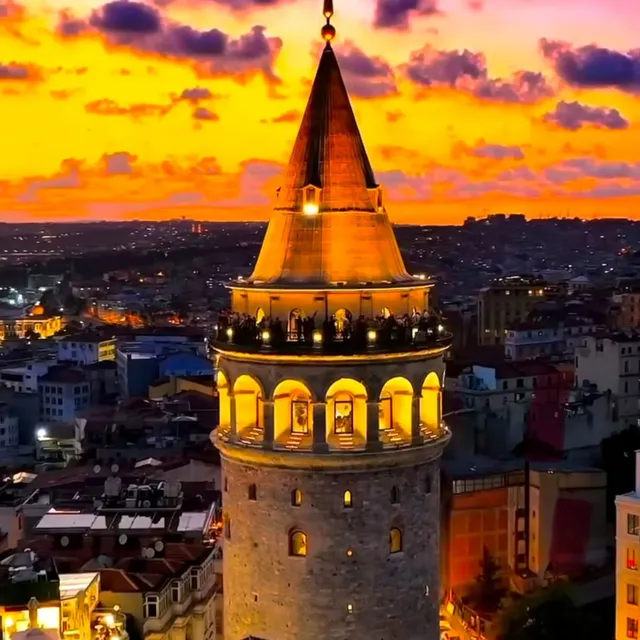
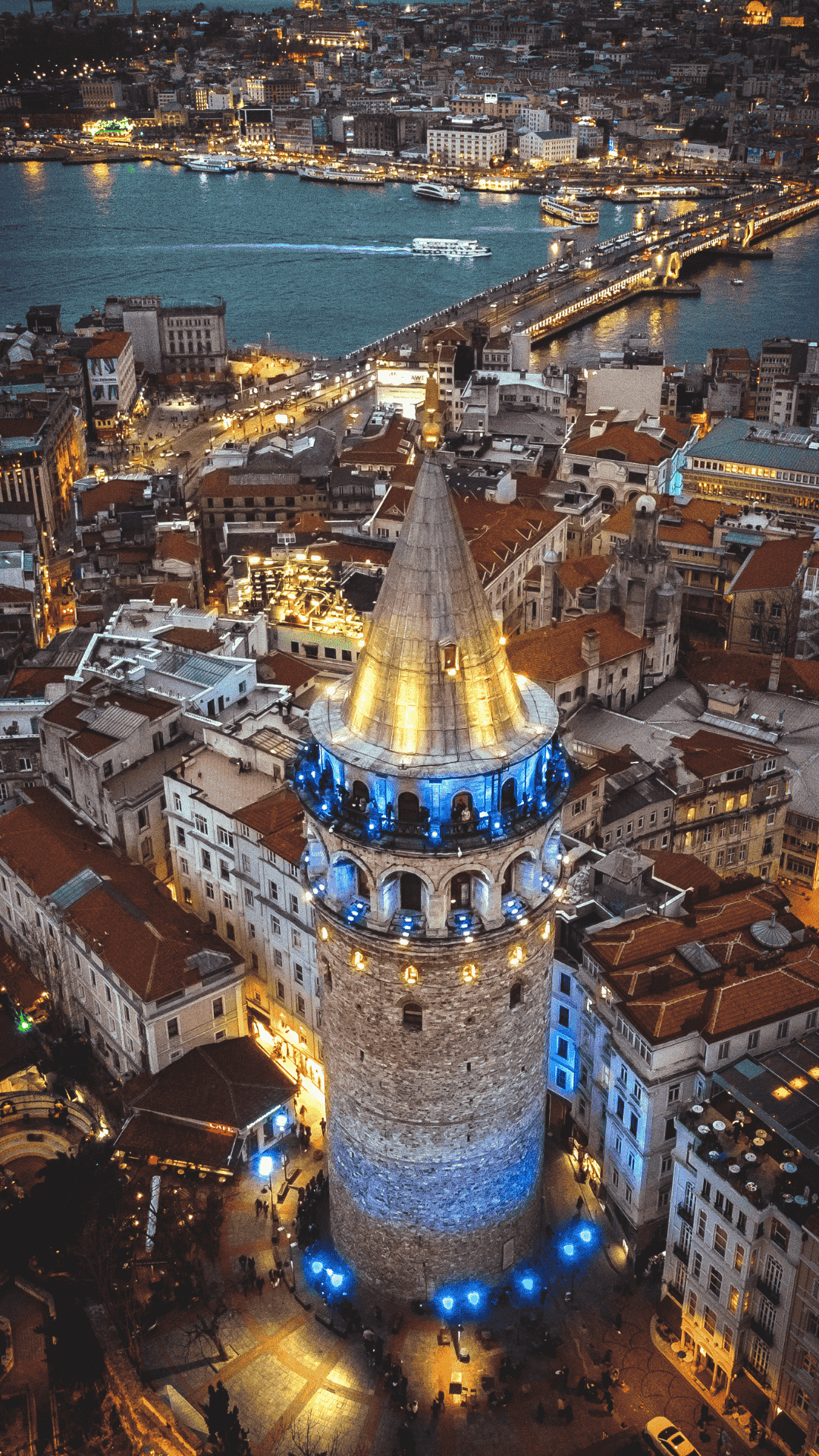
Galata is best known for the Galata Tower, but the story of the neighborhood goes much deeper. During Byzantine and Ottoman times, silk textiles from China and spices from India reached Constantinople’s harbor. Venetian and Genoese trading colonies established here played an important role in carrying Asian goods onward to Europe.
As a busy harbor quarter, Galata still carries traces of that past, and several Genoese structures survive in the area. The most famous of them is Galata Tower. Today, this historic quarter is widely seen as one of Istanbul’s most attractive districts to stay in, especially for travelers who enjoy history mixed with urban energy.
Galata works well for visitors who want to be central without staying directly in the Old City. It has a strong sense of place, photogenic streets, and relatively easy access to both older and newer parts of Istanbul. For broader historical context, the district’s Genoese and trading past is also outlined on Britannica.
Beyoglu District
Beyoglu is close to the city’s nightlife and to Istiklal Street, one of Istanbul’s most attractive walking avenues. Well-known restaurants in the city, including 360 Istanbul and Mikla, are within easy reach. Beyoglu is also home to some of Istanbul’s strongest bar scenes.
As a major urban center that developed in the late 19th century Ottoman period, Beyoglu includes several of the city’s best-known entertainment, shopping, and dining areas: Taksim Square, Istiklal Street, Pera, Galata, Cihangir, and Karakoy. Historical landmarks can also be found here, including Galata Tower, though not in the same concentration as in Sultanahmet.
This district suits travelers who want movement, variety, and easy evenings out. It is often one of the easiest parts of Istanbul for first-time visitors to navigate, especially if they want to combine sightseeing with dining and nightlife. If you are comparing the historic peninsula with modern urban districts, Beyoglu is usually the clearest contrast.
Karakoy District
Karakoy acts as a bridge between old and new Istanbul. The Galata Bridge links Karakoy to the Old City. On the southern end is Eminonu, near the Spice Bazaar, while Karakoy stands on the northern side. Eminonu is a transport center of Istanbul’s historic peninsula. In a similar way, Karakoy, across the Golden Horn, functions as a transit hub for Beyoglu.
Boats leave from both sides toward Kadikoy, one of the most attractive districts on the Asian side. That makes Karakoy especially practical for travelers who want to move around the city efficiently while staying central.
Karakoy was also one of Ottoman Istanbul’s most cosmopolitan neighborhoods and had a large non-Muslim population. Wealthy Jewish and Greek families preferred the district. With the globalization of the 19th century, Istanbul’s first foreign banks were established here.
Today, Karakoy combines transport convenience with historical depth. For many travelers, that mix is its greatest advantage. If you plan to cross between neighborhoods frequently or take ferries during your stay, it is one of the most functional bases in the city. For public transport details and current network information, it is useful to check Metro Istanbul.
Which area suits which type of traveler?
- Cihangir: best for boutique stays, a creative atmosphere, and a neighborhood feel.
- Galata: best for historic character, central access, and iconic surroundings.
- Beyoglu: best for nightlife, dining, shopping, and a lively city pace.
- Karakoy: best for transport links, ferry access, and staying between old and new Istanbul.
Each of these areas answers a different version of the same question: where should you stay in Istanbul? The right answer depends less on the city itself and more on the style of trip you want to have.