This renowned boulevard is also rich in history. Along the street and its nearby passages, you can find monuments and landmarks connected to the Ottoman period, the Middle Ages, and later centuries, especially the 18th and 19th centuries. Walking here is not only about stores and cafés; it is also a way to experience the cultural character of Beyoglu.
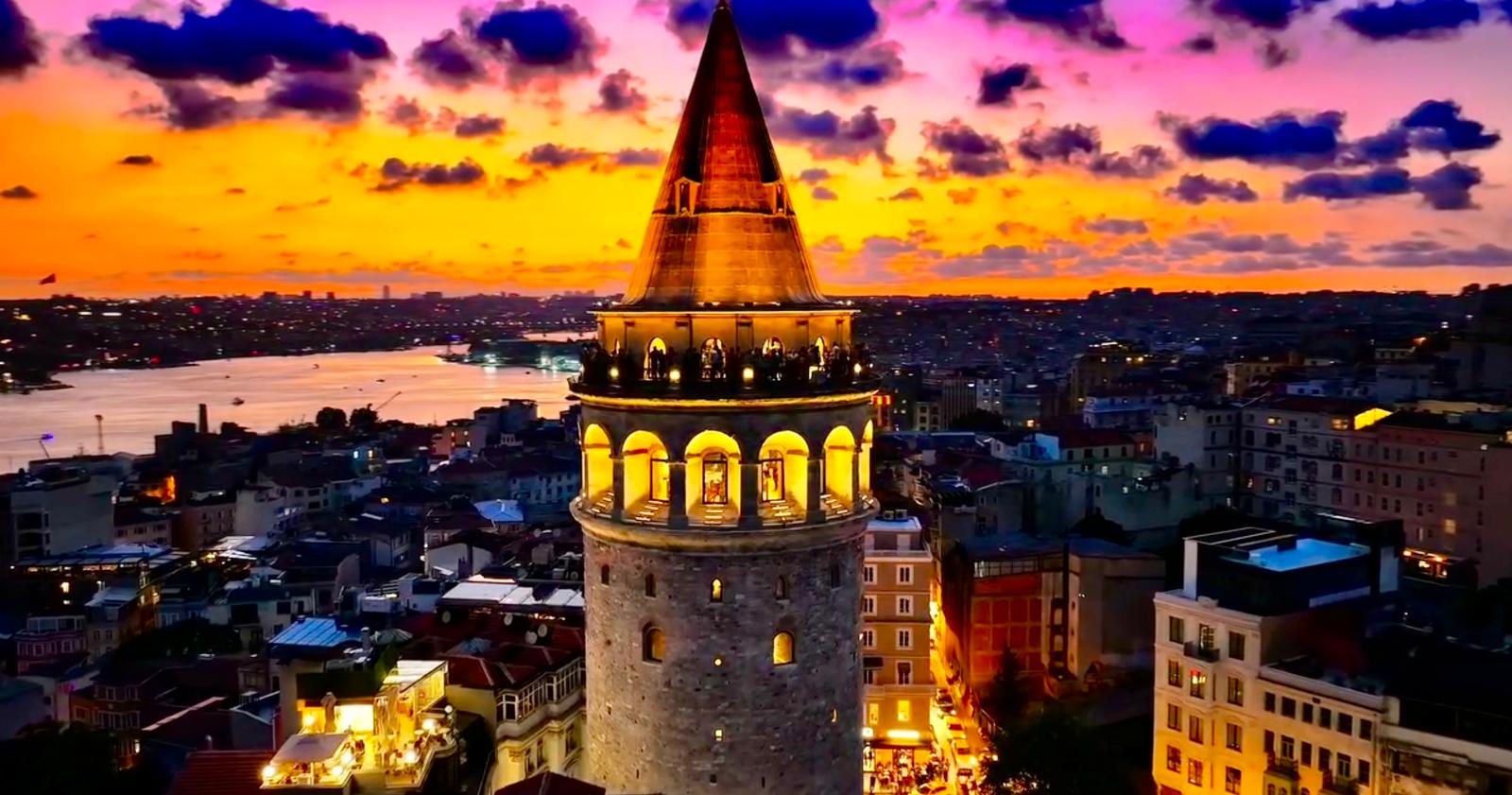
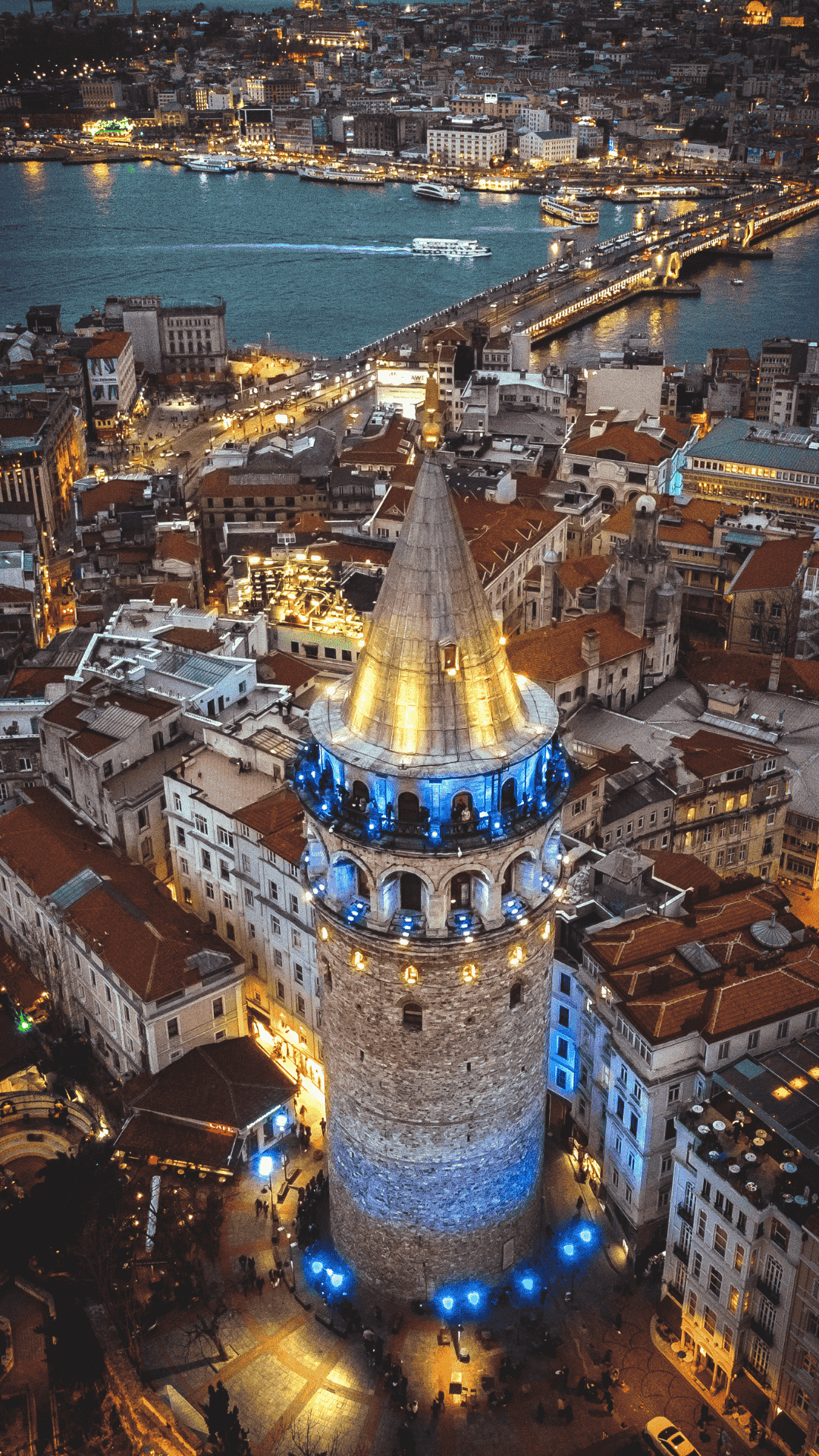
Istiklal Street begins at Taksim Square in the north and stretches down to Tunel Square in the south. From there, it leads toward Galipdede with its old gate and, a little farther on, the Dervish Lodge at Galata Mevlevihanesi. If you continue downhill, you will reach Galata Tower on the other side of Galipdede Street. In the middle of the route, the avenue opens around Galatasaray Square. Running for about one and a half kilometers through the famous Beyoglu district, the street is lined with luxury and antique shops, restaurants, cafés, and many pubs. At night, its atmosphere becomes especially energetic, attractive, and busy.
What to see on Istiklal Street in Istanbul
One of the best things about Istiklal Street is that major sights are woven into the avenue itself. As you walk from north to south, you can pause for religious landmarks, museums, historical bathing culture, and elegant architecture without leaving the neighborhood.
The Holy Trinity Church
The Holy Trinity Church dates back to 1880 and is known for its dome and twin towers. It stands near the entrance of Istiklal Street and is one of the avenue’s notable religious landmarks. Its position close to the start of the boulevard makes it an easy early stop on a walking route.
Madame Tussauds Wax Museum
If you enjoy wax museums, Madame Tussauds is a popular stop on Istiklal Street. Located in the Grand Pera building, it displays life-size wax figures of famous international names as well as Turkish celebrities. Visitors can also see wax sculptures of well-known figures, contemporary athletes, and politicians. For families and children, it can make for an enjoyable break during a day on the avenue.
Galatasaray Hamam
Galatasaray Hamam offers a chance to experience a traditional Turkish Bath (Hammam) in one of the city’s best-known historic bathhouses. It is located on Flower Passage, and its history goes back to 1481, when it was built by Sultan Bayezid II. The hammam is still in use today and continues to attract many visitors looking for a classic bathing ritual in a setting full of Ottoman character. If you plan to visit, it is wise to check the official site or current listings for the latest visitor details.
Church of St. Antoine of Padua
This church is recognized as a modern historical monument and is widely known as the Church of Saint Anthony of Padua, or Saint Antoine. Designed by the Italian architect Giulio Mongeri between 1906 and 1911, it is one of the largest churches in Istanbul and remains home to a Catholic community. Its facade and courtyard make it one of the most memorable architectural sights on the avenue.
Pera Museum
The well-known Pera Museum opened in 2005 and stands in the Tepebasi area near the right side of Istiklal Street. Housed in a historic building once known as the Bristol Hotel, it is often counted among Istanbul’s notable museums. Its collections include Orientalist paintings, Anatolian weights and measures, and Kutahya tiles and ceramics, alongside exhibitions, publications, audio-visual events, and educational activities.
Walking route and nearby highlights
A walk along Istiklal Street is often combined with nearby Beyoglu landmarks. Starting from Taksim Square, you can explore the avenue at a relaxed pace, stop at Galatasaray Square, and continue toward Tunel. From there, many visitors head downhill to Galata Tower, which is one of the area’s best-known monuments.
If you are planning a wider Istanbul itinerary, Istiklal Street also pairs well with historic areas on the old peninsula, such as the Grand Bazaar, for a contrast between a modern urban avenue and a traditional covered market.
Why Istiklal Street remains popular
Istiklal Street remains one of the city’s most visited avenues because it brings together history, architecture, shopping, food, and nightlife in one long, walkable route. It appeals to many kinds of travelers: those interested in churches and museums, those looking for cafés and restaurants, and those who simply want to feel the rhythm of central Istanbul.
The avenue’s historical tram, grand buildings, passages, and busy crowds all add to its distinctive atmosphere. Whether you visit during the day for sightseeing or in the evening for its lively social scene, Istiklal Street offers one of the clearest snapshots of Beyoglu’s energy.
For general background on the avenue and neighborhood, you can also consult Wikipedia. For public transportation updates in Istanbul, including metro information useful for reaching the area, see Metro Istanbul.