Anatolian rugs, often associated with the historical region of Anatolia, have a rich and diverse history that reflects the cultural tapestry of the area. These exquisite knotted, pile-woven floor and wall coverings embody the legacy of the Ottoman Empire and the ethnic and cultural diversity of the region. Often accompanied by flat-woven kilims, they are an integral part of Turkey’s cultural identity. Handmade Turkish rug making is not only a craft, but an art in itself.
The art of Anatolian rug weaving dates back to prehistoric times, with traces of Byzantine, Turkic, Armenian, Caucasian, and Kurdish design elements woven into intricate patterns. The arrival of Islam further shaped their motifs. Today, Anatolian rugs are known for their distinctive dyes, colors, motifs, and techniques, ranging in size from small pillows to room-sized carpets. While some early examples date back to the 13th century, these rugs have been produced across various social groups, predominantly using sheep wool, cotton, and natural dyes.
In Europe, Anatolian rugs found their way into Renaissance paintings, where they symbolized prestige and luxury. Over time, Western interest in these rugs evolved beyond art into historical and scientific curiosity. In the 19th century, synthetic dyes and mass production threatened the tradition. Fortunately, many initiatives have helped revive Anatolian rug weaving, preserving ancient techniques and designs for future generations. For broader background on the tradition, you can also consult Britannica’s overview of Oriental rugs.
What Are Turkish Handmade Rugs Carpets?
A Turkish rug, also known as an Anatolian rug, is a traditional handwoven textile that originates from Anatolia in modern-day Turkey. These rugs are admired for their intricate designs, vibrant colors, and exceptional craftsmanship.
Handwoven craftsmanship: Turkish rugs are woven by skilled artisans using techniques passed down through generations. This labor-intensive process involves tying individual knots to create the pile, resulting in a durable and long-lasting textile.
Diverse designs: Turkish rugs feature a wide range of motifs, including geometric patterns, floral elements, animal figures, and symbolic representations. Each design often reflects the culture and history of the region where the rug was made.
Rich color palette: Turkish rugs are known for bold and contrasting colors, from deep reds and blues to earthy greens and browns. Natural dyes were traditionally used to achieve these tones. Whether you want a red Turkish rug or a green Turkish rug, there is no shortage of color variety.
Regional variety: Turkey’s different regions have developed their own rug styles. Rugs from Hereke, Usak, and Kayseri all have distinct characteristics. Some areas are known for tribal or nomadic weaving, while others are associated with more formal urban designs.
Materials: Traditional Turkish rugs are usually made from wool, a durable and widely available material. Silk rugs are also produced, often with fine silk highlights, while cotton is commonly used for the foundation.
Knotting techniques: The most common knot in Turkish rug weaving is the symmetrical Turkish knot, also known as the Ghiordes knot. This technique contributes to the rug’s texture and durability.
Symbolism and stories: Many motifs carry symbolic meanings or tell stories related to beliefs, history, or the weaver’s own life. This gives each rug an added layer of significance.
Collector’s appeal: Vintage Turkish rugs are highly sought after around the world. Antique and vintage pieces with unique designs or historical importance can command high prices in the art and antique market.
Practical and decorative use: Turkish rugs are not only admired as artworks; they are also functional floor coverings and decorative wall hangings that bring warmth, color, and character into a space.
Types of Turkish Rugs
Turkish rugs include a wide variety of styles, weaving techniques, and regional identities. Here are some of the best-known types.
Kilim Rugs
Turkish kilims are flat-woven rugs known for geometric patterns and vivid colors. They are created by interweaving different colored weft threads into a warp and are often used as floor coverings, wall hangings, or prayer rugs.
Usak (Oushak) Rugs
Usak rugs come from western Turkey and are recognized for their soft pastel colors and large-scale floral or medallion designs. They are especially valued for their elegant and artistic appearance.
Hereke Rugs
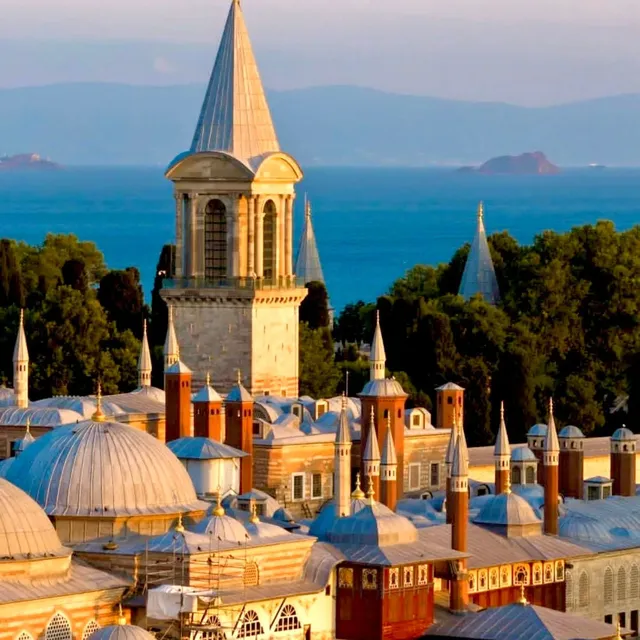
Originating in the town of Hereke near Istanbul, these rugs are famous for fine craftsmanship, intricate patterns, and silk highlights. They were originally produced for Ottoman palaces such as Topkapi Palace.
Kayseri Rugs
Kayseri rugs often feature a central medallion surrounded by floral motifs. Produced in central Turkey, they are valued for fine craftsmanship and durability.
Antalya Rugs
These rugs are made in southern Turkey and are characterized by bold colors, floral patterns, and design elements shaped by Mediterranean influences.
Bergama Rugs
Bergama rugs are known for tribal and nomadic designs with strong geometric patterns and bold colors. They are highly collectible for their authenticity and historical importance.
Konya Rugs
Konya has a long weaving history. Rugs from this region often show striking geometric patterns in bright reds, blues, and whites, and are appreciated for their durability and traditional character.
Anatolian Rugs
This broad category includes rugs from many parts of Anatolia. Designs, colors, and styles vary greatly, reflecting the diversity of Anatolian culture.
Prayer Rugs
Prayer rugs are designed for Islamic prayer and usually feature a mihrab motif indicating the direction of Mecca. They can come from many regions and vary widely in style.
Yastik Rugs
Yastik rugs are small pieces often used as cushions or pillow covers. Their portability and decorative value make them especially appealing.
Ghiordes Rugs
Named after a town in Turkey, Ghiordes rugs are associated with the symmetrical Ghiordes knot and can feature a range of designs and colors.
Mudjur Rugs
Mudjur rugs are especially known for prayer rug designs featuring a mihrab and decorative border, and are associated with the town of Mudjur (Mucur) in central Turkey.
Where to Find Authentic Turkish Carpets and Rugs
You can find Turkish rugs and carpets in many parts of Turkey, especially in places with long weaving traditions. In Istanbul, the most famous place to start is the Grand Bazaar, where numerous carpet shops offer a wide selection. Bargaining is often part of the buying experience.
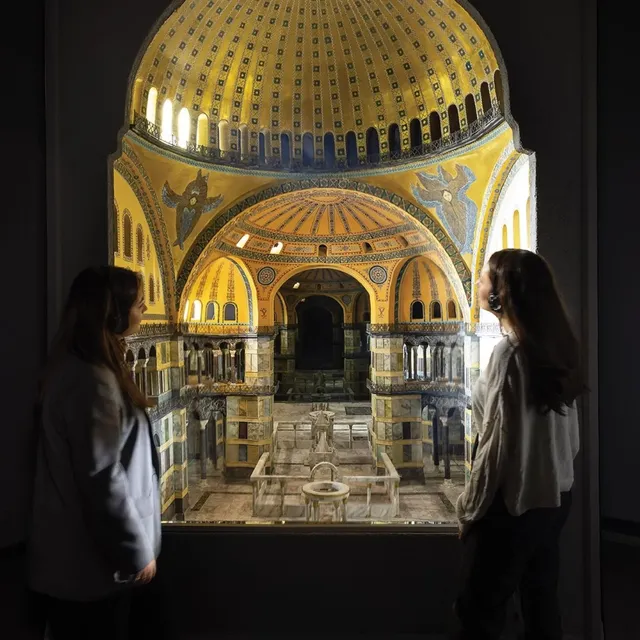
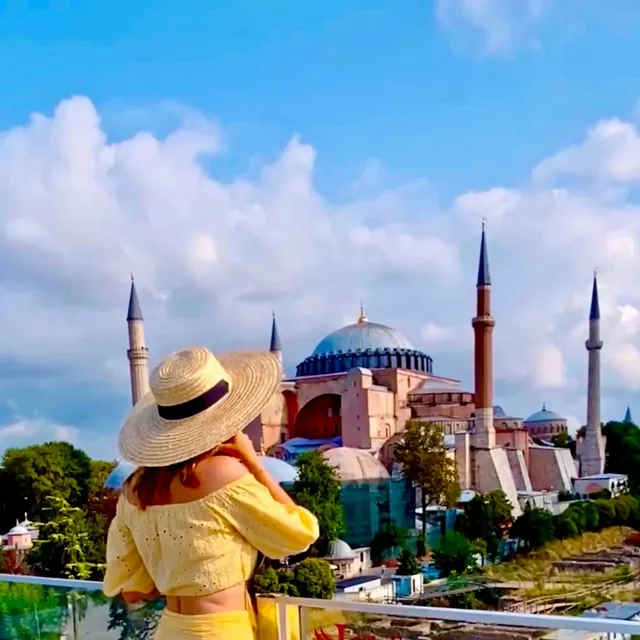
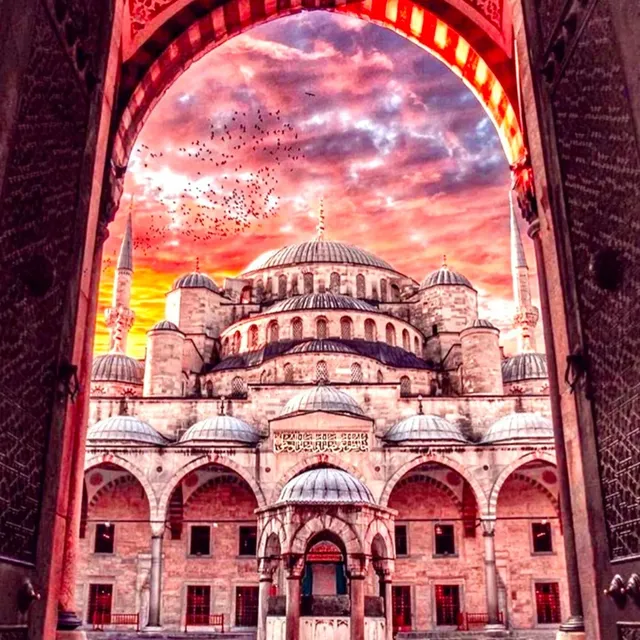
Another practical area is Sultanahmet, close to major landmarks such as Hagia Sophia and the Blue Mosque. This makes it easy to combine sightseeing with rug shopping.
For a more direct and authentic experience, local workshops and small towns known for weaving can offer the chance to purchase from artisans themselves. Online marketplaces are also an option, but buyers should research a seller’s reputation and product authenticity carefully.
When buying a Turkish rug, ask about the rug’s origin, materials, weaving techniques, and cultural significance. It is also wise to compare several pieces before making a decision. If you are interested in the wider historical context of Turkish weaving traditions, UNESCO’s official website is a useful resource: unesco.org.
Best Places to Buy Traditional Turkish Rugs and Carpets in Istanbul
Istanbul has many shops where you can buy beautifully made handmade rugs. Here are several notable carpet stores mentioned by reputation and location.
Nakkas Oriental Rugs
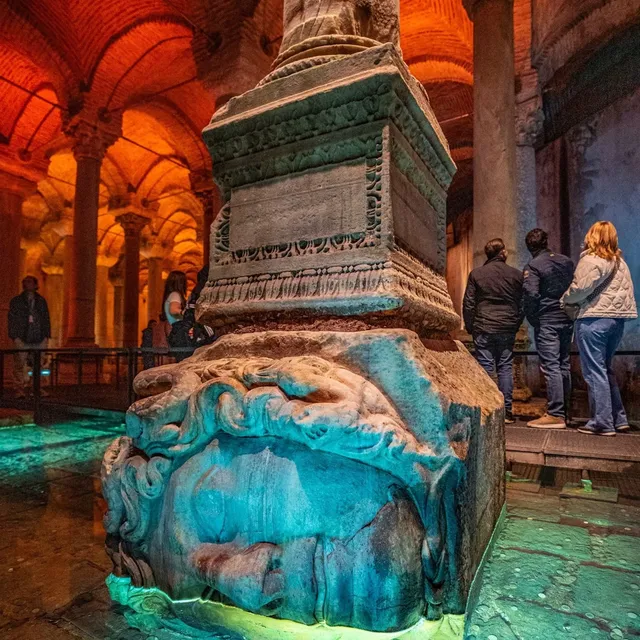
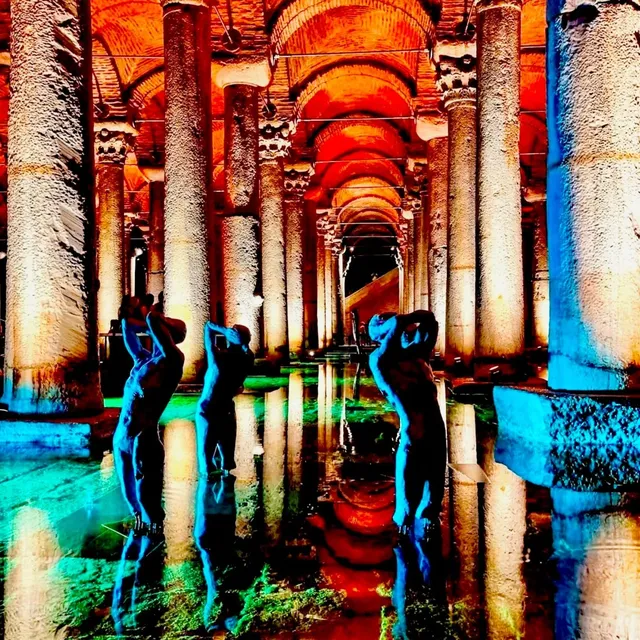
Located near the Hippodrome, Nakkas Oriental Rugs is known for a vast collection of carpets and rugs spread across multiple floors. One of its distinctive features is an underground museum in a 1500-year-old cistern beneath the shop, adding a historical dimension to the visit.
Punto Carpet
Situated on Nuruosmaniye Street near the Grand Bazaar, Punto Carpet has been well regarded over the past two decades for its extensive collection and strong customer satisfaction.
Sisko Osman
Located in Zincirli Han in the northeastern part of the Grand Bazaar, Sisko Osman has long been associated with celebrity and connoisseur clientele. The shop remains known for both its carpets and the stories behind them.
Sengor Halı
In Takkeciler Sokak at the heart of the Grand Bazaar, Sengor Halı represents a carpet tradition that stretches back more than a century across four generations. It is known for both expertise and a substantial collection.
Dhoku Rugs
Also on Takkeciler Street, Dhoku Rugs offers a more contemporary take on Turkish carpet design. Its pieces often combine traditional craftsmanship with geometric patterns and a cleaner, more modern design language.
Together, these shops show the range of Istanbul’s carpet scene, from deeply traditional stores to more modern interpretations. Whether you are looking for a collector’s item, a decorative piece for your home, or simply a deeper understanding of Turkish weaving culture, Istanbul offers plenty to explore.