
History of Rumeli Fortress Rumeli Hisari
Yıldırım Bayezid had earlier taken control of Bosphorus passage by building Anadolu Hisarı. Later, during the preparations for the conquest of Istanbul, Fatih Sultan Mehmet first strengthened Anadolu Hisarı by enclosing it with walls. He then sought full control over traffic through the Bosphorus by constructing a second fortress on the opposite shore, and Rumeli Hisarı was built for that purpose.
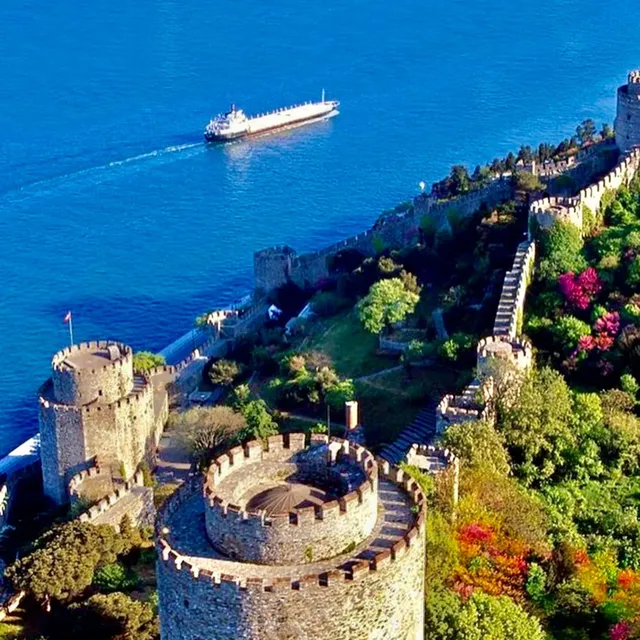
According to the documents, the fortress was built from an original plan drawn by Fatih Sultan Mehmed. During construction, 1000 craftsmen and more than 2000 workers labored day and night, and the fortress was completed within just four months. The three main towers on the ramparts were built by Fatih’s viziers: Halil Pasha, Zağanos Pasha, and Saruca Pasha.
Its role after the conquest of Istanbul
With the conquest of Istanbul, the military function of both Anadolu Hisarı and Rumeli Hisarı came to an end. It is known that after the conquest of Istanbul on 29 May 1453, the fortress was used as a place where criminal janissaries were punished and where members of consulates fighting with the state were taken into custody.
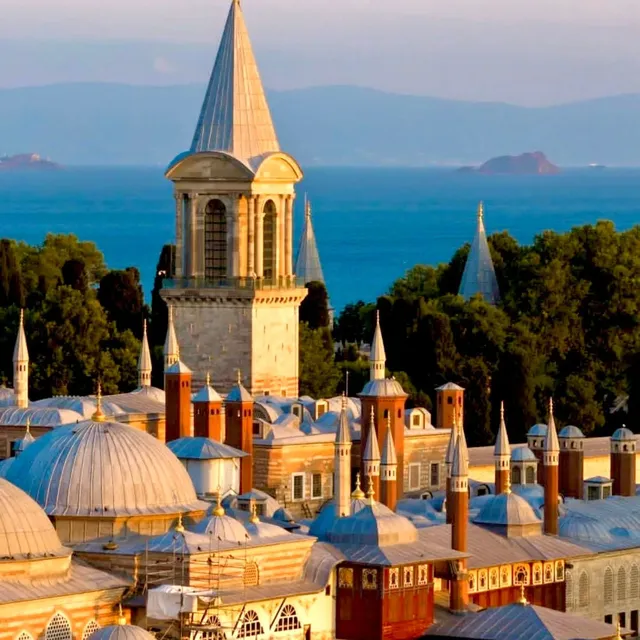
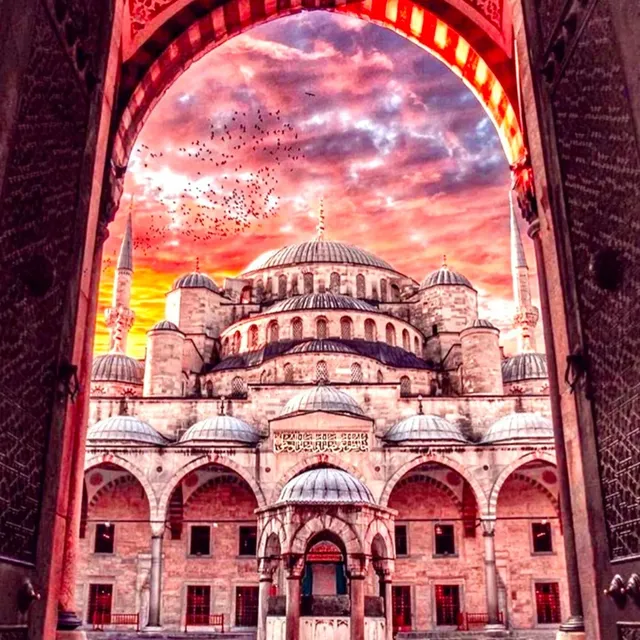
For travelers interested in the broader story of the conquest era, combining a visit here with Topkapi Palace or Hagia Sophia helps place the fortress in the larger Ottoman history of the city.
Architecture and setting on the Bosphorus
Rumeli Hisarı immediately draws attention among the historic architecture of the Bosphorus. Its powerful walls, towers, and commanding waterfront position show why this location was chosen so carefully. The fortress faces Anadolu Hisarı across one of the narrowest parts of the strait, underlining its original strategic purpose: controlling passage through the Bosphorus.
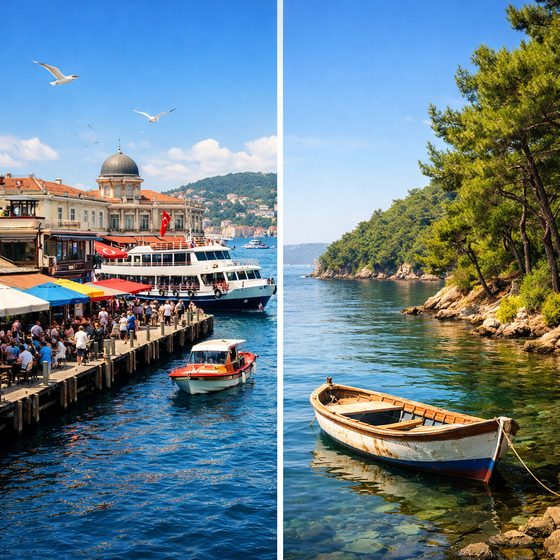
Its location also makes it a rewarding stop for anyone exploring the shoreline north of the historical peninsula. Many visitors pair the area with a Bosphorus Cruise to appreciate how the fortress fits into the larger landscape of Istanbul.
Restoration and cultural use
The fortress was repaired in 1918 and completely revised in 1953. The area where the minaret of a former mosque once stood was converted into an open-air theatre. Today, Rumeli Hisarı hosts concerts, theatre performances, and a variety of cultural and artistic activities, continuing its life as a landmark that is both historic and active.
This later transformation added a new cultural layer to the site. Rather than existing only as a military monument, Rumeli Hisarı became part of Istanbul’s contemporary cultural scene while preserving its historical identity.
Why visit Rumeli Hisarı
Rumeli Hisarı is worth visiting for its historical importance, dramatic Bosphorus location, and strong architectural presence. It tells a very specific chapter of Ottoman history: the final preparations before the conquest of Constantinople. At the same time, its setting between Bebek and Baltalimanı makes it a memorable stop for anyone exploring Istanbul beyond the old city.
If you are planning a visit, it is wise to check current access, events, or museum details on official or reliable sources before going. For general historical background, see Wikipedia’s Rumelihisarı entry. For transportation updates in Istanbul, the official public transport network at Metro Istanbul may also be useful.
Visitor tips
- Visit as part of a Bosphorus day to better appreciate its strategic position.
- Allow time to walk the surrounding neighborhood as well as view the fortress from the waterfront.
- If there is an event or performance scheduled, check official sources in advance.
- Pair the visit with nearby Bosphorus landmarks for a fuller itinerary.
FAQ
What is Rumeli Hisarı famous for?
Rumeli Hisarı is famous for its role in the preparations for the Ottoman conquest of Istanbul. Built by Fatih Sultan Mehmed on the European side of the Bosphorus, it was designed to help control passage through the strait opposite Anadolu Hisarı.
Where is Rumeli Hisarı located?
Rumeli Hisarı is located on the European side of the Bosphorus, between Bebek and Baltalimanı. It stands at one of the narrowest points of the strait, directly opposite Anadolu Hisarı on the Asian side.
How long did it take to build Rumeli Hisarı?
According to the documents mentioned in historical accounts, Rumeli Hisarı was completed within four months. The construction involved 1000 craftsmen and more than 2000 workers working day and night.
What happened to Rumeli Hisarı after 1453?
After the conquest of Istanbul on 29 May 1453, the fortress lost its original military function. It was later used as a place where criminal janissaries were punished and where some consular members fighting with the state were taken into custody.
Is Rumeli Hisarı only a historic monument today?
No. Although it is an important historic fortress, Rumeli Hisarı has also been used as an open-air theatre and hosts concerts, theatre performances, and other cultural and artistic events.